How does the multi-stage activated carbon cabin air filter 8K0 819 439 A / 8K0 819 439 B / PAB.819.439.10 interact with the Climatronic HVAC system, blower motor, and cabin air quality in the Audi A4 B8 (8K2) 1.8 TFSI?
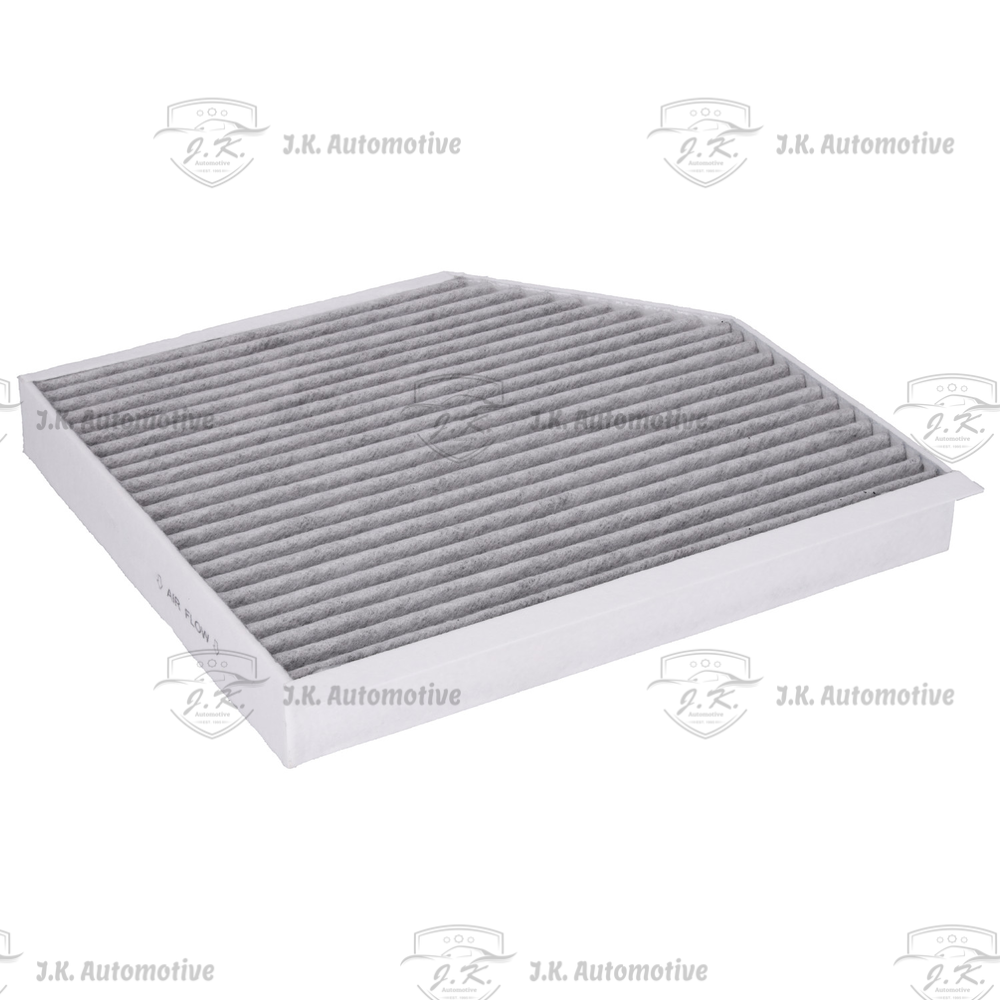
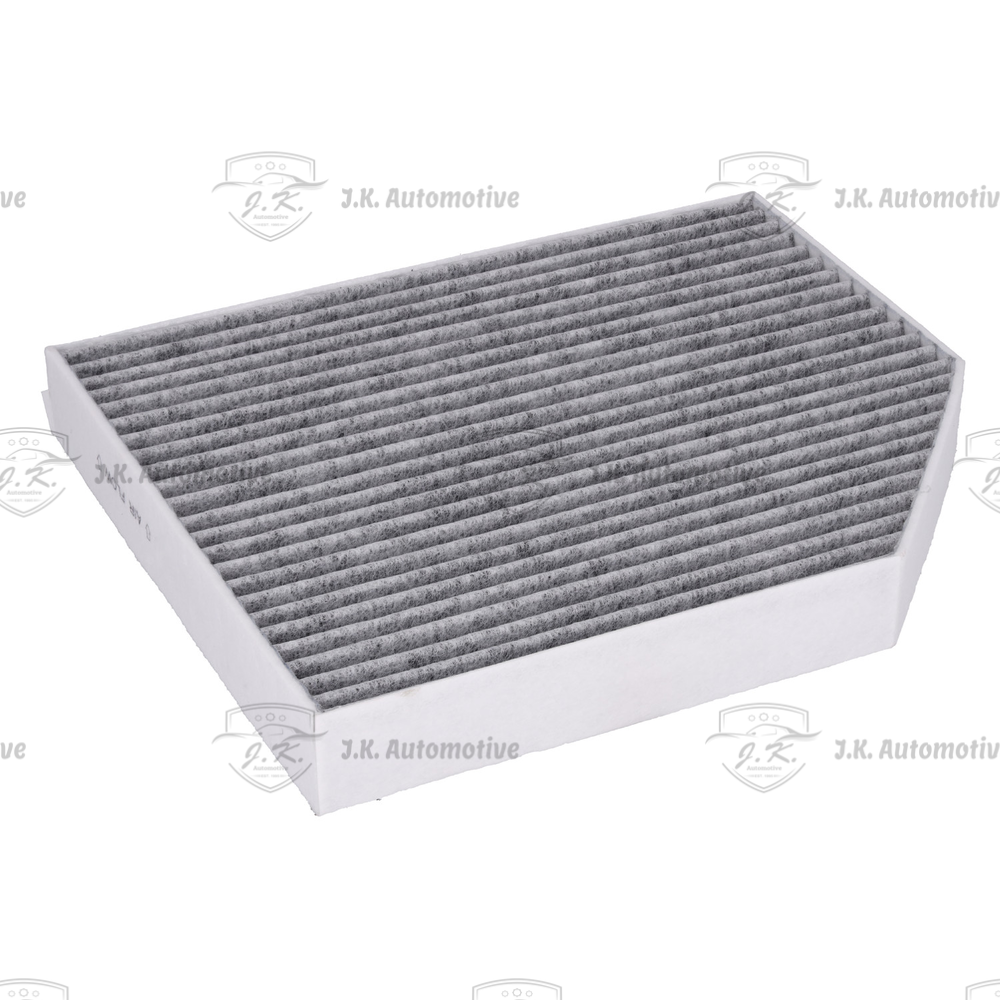
The longitudinal Audi A4 B8 (8K2) produced between 2008 and 2016 featuring the EA888 1.8 TFSI engine relies on an advanced multi-zone Climatronic climate control system that continuously measures interior humidity, air temperature, and ambient air pollution levels to regulate airflow velocity and recirculation dynamics across the passenger cabin. Cabin air filter OEM part numbers 8K0 819 439 A, 8K0 819 439 B, and cross-reference PAB.819.439.10 specify the specialized activated carbon filter element located in the fresh-air housing behind the interior glovebox on the longitudinal MLP chassis platform. Engineered with electrostatic melt-blown synthetic micro-fibers bonded directly to a dense matrix of activated coconut-shell charcoal, this filter element captures fine particulate matter (PM2.5), road dust, pollen grains, and diesel soot while chemically adsorbing hazardous exhaust gases such as nitrogen oxides ($NO_x$), volatile organic compounds (VOCs), and ground-level ozone ($O_3$). Maintaining a fresh, unrestricted cabin filter ensures optimal volumetric airflow across the evaporator core, protecting the electronic HVAC blower fan power stage resistor from thermal overloading, preventing sour A/C odors, and ensuring that the automatic air quality sensor in the fresh-air plenum registers accurate ambient air purity data without logging fault codes in the HVAC control unit. Locate the long, narrow plastic filter housing door mounted vertically on the HVAC assembly near the center console firewall. Slide the locking tab or release the retaining latches to unclip the door, pulling it straight down to remove it from the housing.
What advanced diagnostic indicators, HVAC performance symptoms, and health risks signal that cabin air filter 8K0 819 439 A on an Audi A4 B8 1.8 TFSI requires immediate replacement?
Recognizing a saturated, clogged, or failing cabin air filter under part numbers 8K0 819 439 A or 8K0 819 439 B in an Audi A4 B8 1.8 TFSI involves monitoring distinct physical climate control behaviors alongside interior cabin air changes. As the activated carbon layer becomes filled with environmental soot, highway grime, and organic debris, static airflow resistance across the media increases significantly, leading to a drastic drop in air volume exiting the dashboard vents even when the Climatronic fan speed is manually adjusted to maximum output. Mechanically, the HVAC blower motor experiences increased static backpressure, producing a noticeable high-pitched whistle or low-frequency reverberation behind the passenger glove compartment as it struggles to pull ambient air through the restricted media. Environmentally, driver and passengers will notice persistent windshield glass fogging or slow defroster clearing times during cold or rainy conditions due to moisture trapped inside the dirty filter pleats being blown back onto cold interior glass. Furthermore, stagnant water vapor combined with organic particulates trapped within the filter pleats promotes bacterial growth and fungal mildew spores, releasing a sour, musty smell through the vents when starting the air conditioning, which can cause allergic reactions, watery eyes, and respiratory fatigue during extended commutes. Slide the passenger seat back completely to maximize workspace, then locate the foam trim cover situated under the glovebox compartment. Remove the plastic thumbscrews holding the foam acoustic cover and gently lower it down to expose the bottom of the HVAC airbox unit.
What structural, chemical, and filtration efficiency differences exist between standard cellulose pollen filters and activated carbon / bio-functional filter options for part number 8K0 819 439 A?
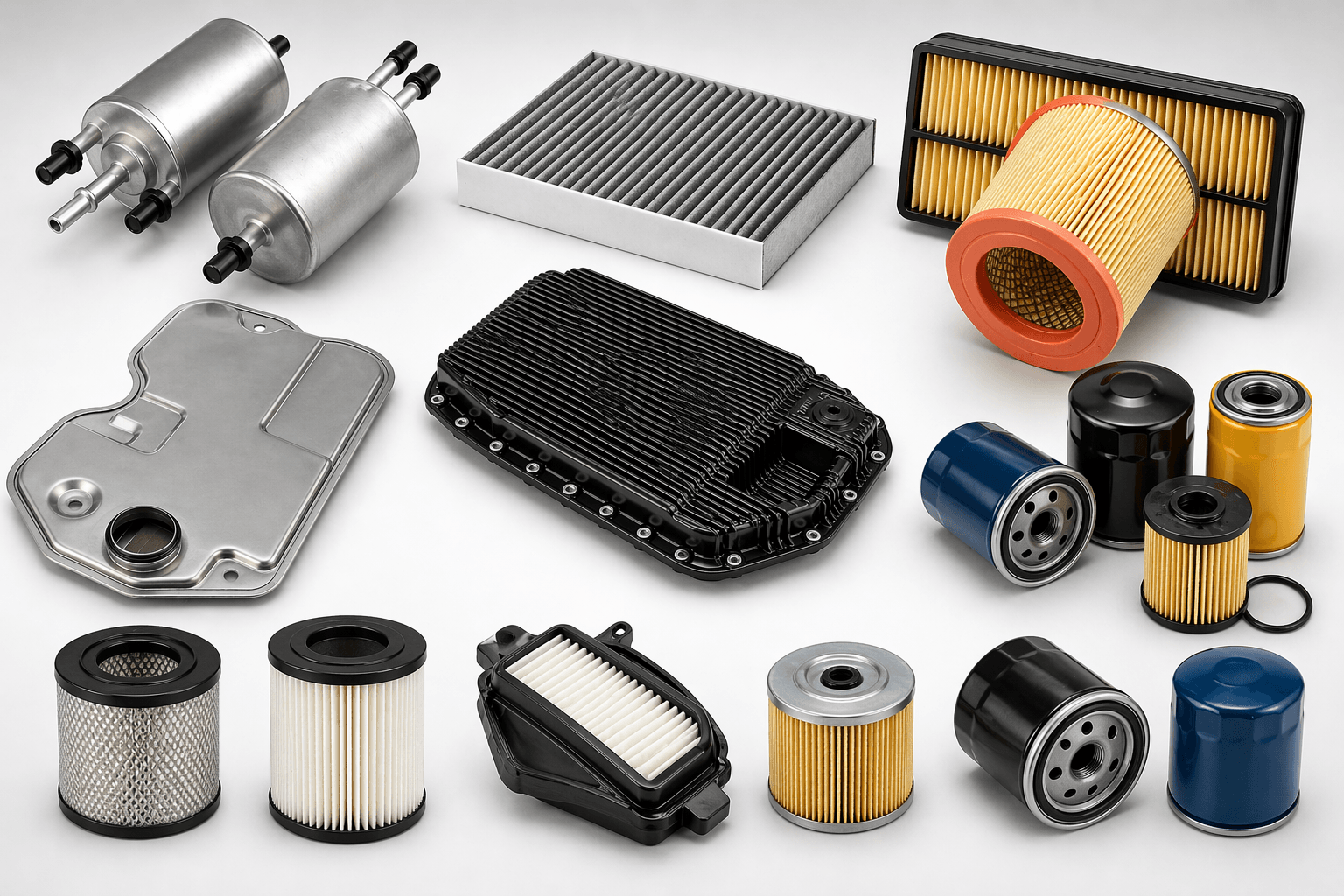
When choosing a replacement cabin air filter under part number 8K0 819 439 A / 8K0 819 439 B for the Audi A4 B8 (8K2) 1.8 TFSI, vehicle owners can choose between three distinct filtration media technologies that directly influence cabin air sanitation and climate performance: Basic Single-Layer Particle Filters: Manufactured from raw white synthetic fleece or cellulose paper, these entry-level filters function strictly as a mechanical screen to capture coarse airborne debris such as leaves, road dust, and large pollen grains. However, they lack an activated carbon layer, offering zero chemical absorption against toxic fuel exhaust fumes, nitrogen oxides ($NO_x$), or unpleasant highway odors. Activated Carbon Filters (OEM Standard 8K0 819 439 A / 8K0 819 439 B): Engineered with an embedded layer of porous, high-purity coconut-shell activated charcoal sandwiched between electrostatic synthetic fleece layers. Microscopic pores within the charcoal bed trap gaseous pollutants, volatile organic compounds (VOCs), and unburned hydrocarbon smells via chemical adsorption, delivering a clean, odorless cabin environment. Bio-Functional / Anti-Allergen Polyphenol Filters (Upgraded PAB.819.439.10 / FP 24 50): Feature a advanced three-stage filtration architecture combining an activated carbon core with a specialized bioactive polyphenol or silver-ion anti-allergenic coating. This top-tier design mechanically traps fine particulates down to PM0.3, adsorbs toxic exhaust gases, and actively neutralizes airborne allergens, bacteria, and mold spores on contact, making it the ideal choice for occupants suffering from asthma, severe seasonal allergies, or frequent urban traffic exposure.
How does a severely restricted cabin air filter 8K0 819 439 A accelerate HVAC evaporator core freezing and blower motor resistor failure in the Audi A4 B8 (8K2) 1.8 TFSI?
Operating an Audi A4 B8 (8K2) 1.8 TFSI with a heavily clogged cabin air filter under part number 8K0 819 439 A restricts the volumetric flow of warm ambient air passing over the A/C evaporator core, disrupting the thermodynamic heat absorption balance of the refrigerant expansion cycle. When air velocity across the aluminum evaporator fins drops below critical operational thresholds while the A/C compressor continues to circulate liquid refrigerant, the surface temperature of the evaporator drops below 0 degrees Celsius, causing condensation moisture on the fins to freeze into a solid sheet of ice. This ice buildup completely blocks air passage through the dash vents, rendering the climate control system ineffective and forcing the electronic blower speed controller (power stage / resistor) to draw excessive electric current as the fan motor struggles against extreme static backpressure. Over extended driving periods under these high-amperage conditions, the thermal fuse or MOSFET transistors inside the blower control module overheat and burn out, leading to total HVAC fan failure or erratic fan speed surging that requires component replacement and complete defrosting of the evaporator assembly. The Climatronic automatic climate control system on the longitudinal Audi A4 B8 platform relies on precise live data from the windshield interior humidity sensor and the automatic air quality sensor (smog sensor) located inside the fresh-air intake plenum to dynamically adjust air recirculation flaps, compressor displacement, and defroster ducting. When an aging cabin filter 8K0 819 439 A / 8K0 819 439 B loses its structural filtration efficiency, fine silica dust, road salt mist, and organic particulate matter bypass the filter perimeter and coat the delicate optical and chemical sensing elements inside the HVAC ducting.
How does stagnant moisture trapped within an aging cabin air filter 8K0 819 439 A promote bacterial growth, micro-mold spores, and persistent A/C odor in the Audi A4 B8 interior?
During regular warm-weather driving, the air conditioning evaporator core generates substantial condensation water, which drains through a dedicated rubber floor outlet beneath the Audi A4 B8 chassis. However, when the engine is turned off after a journey, high relative humidity remains trapped inside the dark HVAC housing, where a dirty cabin air filter under part number 8K0 819 439 A acts like a porous sponge, absorbing damp air along with organic pollen grains, leaves, and atmospheric dust. This combination of dark, humid conditions, organic nutrient matter, and stagnant airflow creates an ideal breeding ground for bacterial colonies, fungi, and micro-mold spores (such as Aspergillus and Cladosporium) directly within the synthetic pleat valleys of the filter media. The next time the driver starts the vehicle and activates the climate fan, this microbial culture releases volatile organic compounds and spores straight into the passenger breathing zone, causing a sharp, vinegar-like or damp-feet odor through the vents and triggering allergic reactions, watery eyes, and respiratory irritation for cabin occupants. Dust accumulation on the humidity sensor creates false high-moisture readings that force the Climatronic module to run the A/C compressor continuously at maximum displacement, increasing engine load and lowering fuel efficiency on the 1.8 TFSI engine. Furthermore, a saturated carbon layer allows diesel exhaust gases ($NO_x$) and unburned hydrocarbons to flood the air quality sensor, causing the climate control system to lock in perpetual recirculation mode, which traps exhaled carbon dioxide and ambient moisture inside the cabin, accelerating windshield fogging and driver fatigue.
Why should compressed air blow-outs and liquid disinfectant sprays never be used to clean or recondition an activated carbon cabin air filter 8K0 819 439 A / PAB.819.439.10?
A frequent but destructive practice during routine vehicle maintenance is attempting to extend the service life of cabin air filter 8K0 819 439 A / 8K0 819 439 B by blowing out surface dust with high-pressure shop air or spraying chemical air fresheners directly onto the media. High-pressure compressed air streams tear the delicate electrostatic synthetic microfiber matrix apart, expanding the factory-calibrated pore structures and dislodging the micro-granules of embedded coconut-shell activated carbon, completely destroying its gas-adsorption capability. Similarly, spraying liquid deodorizers, disinfectant sprays, or ozone treatments directly onto a dirty filter element causes the porous activated carbon layer to saturate immediately with liquid solvents, filling all microscopic adsorption sites and rendering the chemical filtration layer completely inert against diesel fumes and harmful gases. Once the carbon matrix is saturated or the synthetic fleece is physically compromised by compressed air, the filter loses its structural integrity and can no longer capture PM2.5 particulates or neutralize odors, necessitating a complete replacement with a fresh OEM specification element to restore cabin air sanitation. Engineered with an embedded layer of porous, high-purity coconut-shell activated charcoal sandwiched between electrostatic synthetic fleece layers. Microscopic pores within the charcoal bed trap gaseous pollutants, volatile organic compounds (VOCs), and unburned hydrocarbon smells via chemical adsorption.





Reviews
There are no reviews yet.