What is Rear Electric Shock Absorber Set 4G0616031L for Audi A7 4G?
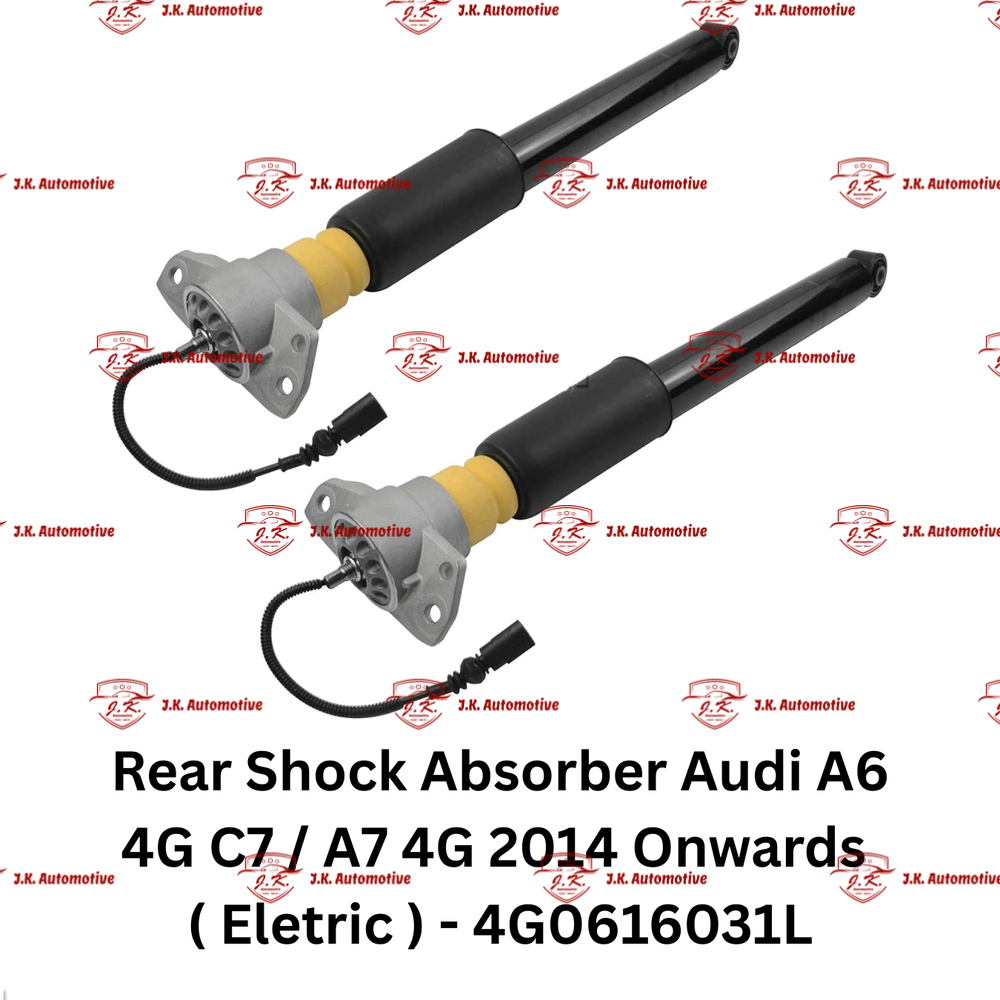
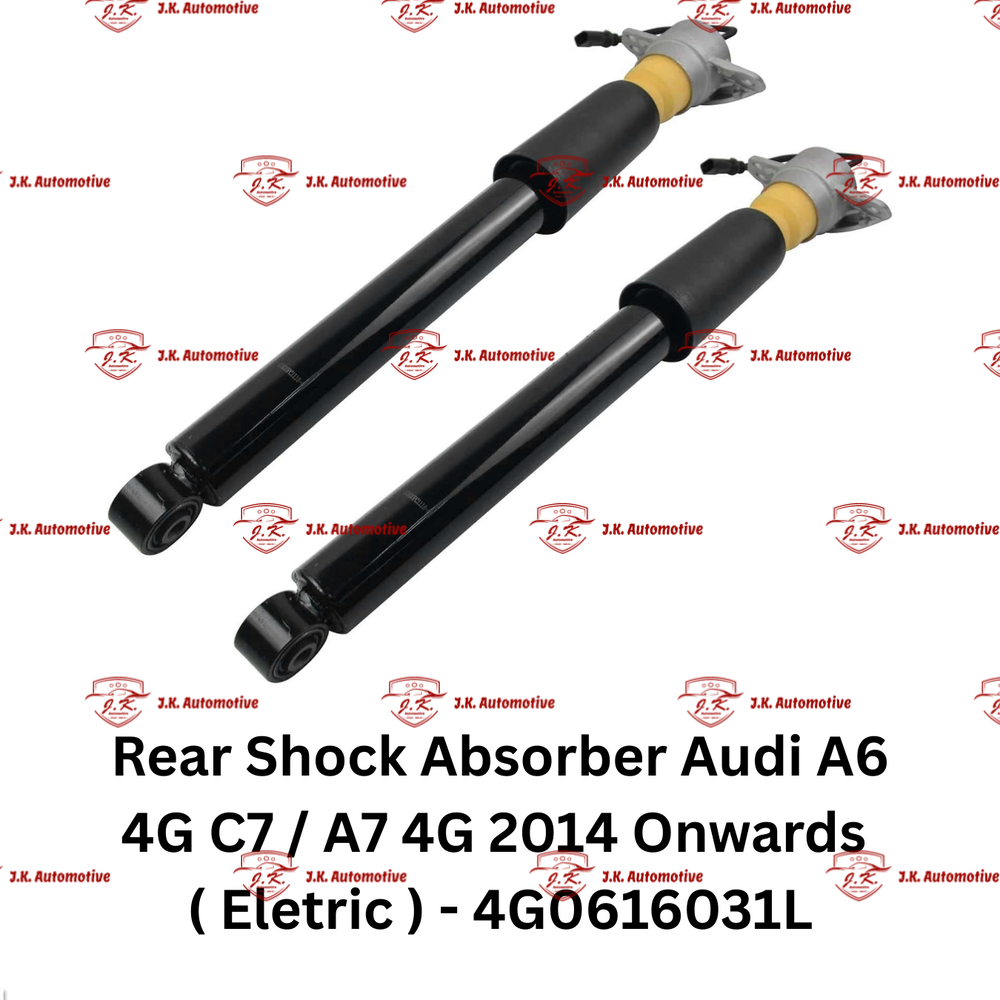
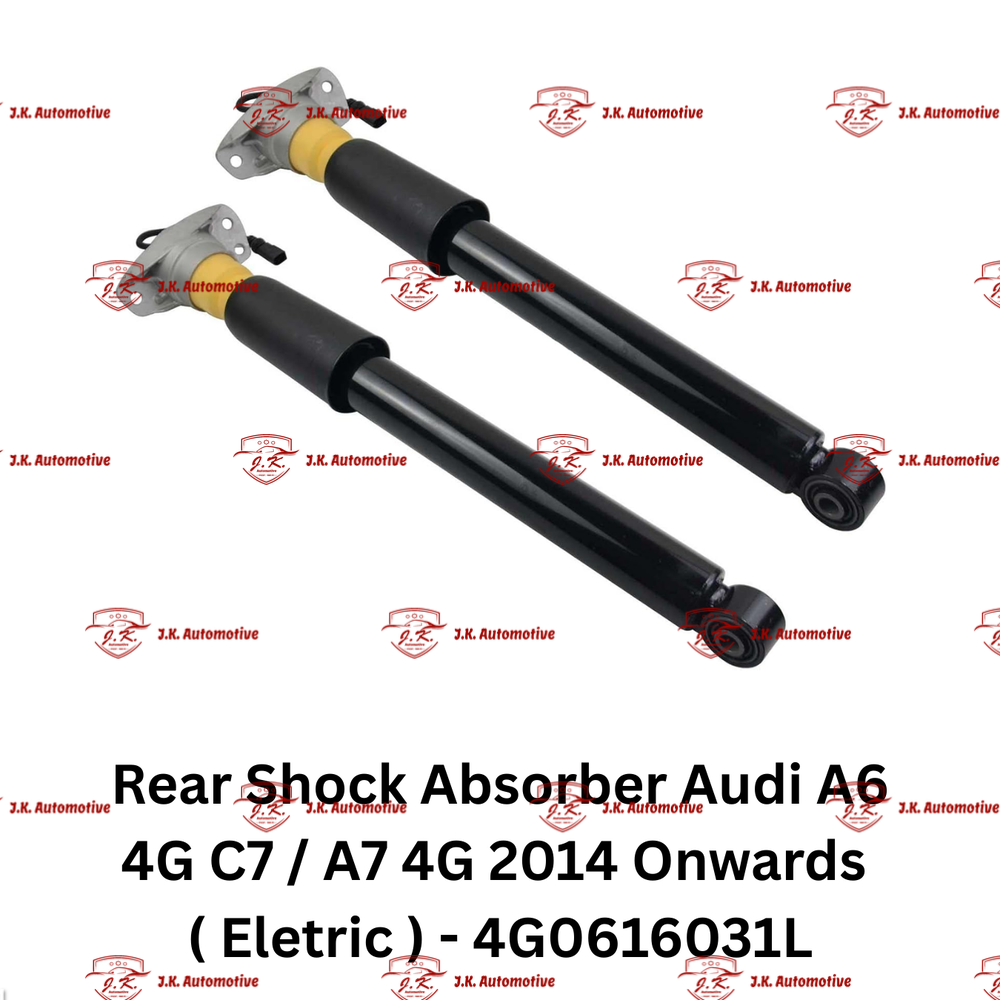
Rear Shock Absorber Set of 2 With Kits And Mountings 4G0616031L is intended for the stated Audi A7 4G rear suspension application with the supplied year range 2012–2018, while the product title also identifies the application as Audi A7 4G 2014 Onwards and Electric, so these supplied details should remain unchanged during product identification and compatibility verification. The set contains the stated two rear shock absorbers together with kits and mountings, and the primary function of the dampers is to control compression and rebound movement as the rear wheels respond to bumps, depressions, road joints, uneven surfaces and changing vehicle forces. Shock absorbers do not prevent suspension travel; instead, they regulate the rate at which suspension movement occurs and help the vehicle body settle after road disturbances. When a rear wheel moves upward over a raised surface, the damper controls the compression stroke so suspension movement remains regulated. As the suspension moves back toward its normal position, rebound damping controls the return movement and helps reduce continued oscillation. These compression and rebound cycles happen continuously during everyday driving because road surfaces and vehicle loads constantly change. Acceleration can transfer additional load toward the rear axle, while braking changes load distribution toward the front. Cornering changes forces between the left and right sides, making controlled rear damping important during directional transitions. Because the supplied product is specifically identified as Electric, the applicable electrical connections and existing suspension configuration should also be considered during compatibility verification. Connector design, connector position and wiring arrangement should correspond naturally with the existing vehicle setup. The stated kits and mountings should be compared with the existing rear shock installation so their intended positions and use can be confirmed before assembly. Reference 4G0616031L should remain unchanged and should be checked against the existing component information and suitable vehicle-specific parts data. Mechanical damping deterioration and electrical concerns can produce different or overlapping symptoms, so they should be diagnosed separately. Rear suspension arms, bushes, mounting components and related joints should also be inspected when diagnosing bouncing, noise or unwanted movement. Sway bar links, sway links, anti roll link rods and stabiliser sway links should be checked where applicable. Tyres should be inspected for inflation pressure, physical condition and irregular wear. The supplied Audi A7 4G application, Electric configuration, Set of 2 With Kits And Mountings, reference 4G0616031L, 2014 Onwards wording and 2012–2018 year range should remain unchanged throughout product identification.
How can I confirm 4G0616031L Rear Electric Shock Absorber compatibility with my Audi A7 4G?
Compatibility of Rear Electric Shock Absorber Set 4G0616031L with the stated Audi A7 4G should be confirmed using the exact supplied reference, rear suspension application, Electric configuration, Set of 2 With Kits And Mountings information, vehicle identification, existing shock absorber construction, mounting arrangement and applicable electrical connections rather than relying only on the Audi A7 name, 4G chassis designation, production year or external appearance of the components. The supplied title contains both “2014 Onwards” and the year range “2012–2018”; because both details were supplied for this product, they should not be silently changed during content preparation. For actual vehicle compatibility, the exact reference and vehicle-specific component information should therefore receive priority during verification. Begin by comparing reference 4G0616031L directly with the identification information available from the existing rear suspension components and suitable vehicle-specific parts data. The replacement shock absorbers should then be physically compared with the existing rear units. Check overall construction, upper and lower mounting arrangements, brackets, locating features and applicable electrical connector configuration. Because the supplied set includes kits and mountings, compare these components with the existing installation arrangement and confirm their intended placement before assembly. Do not force or modify a mounting component merely because it appears visually similar. Because the product is identified as Electric, electrical connector design and position should correspond naturally with the existing vehicle wiring. Do not cut wiring, modify connectors or improvise electrical connections to make an incompatible component fit. Vehicle-specific or VIN-based reference verification should be used whenever compatibility cannot be established confidently from the existing component and supplied reference. Rear suspension arms, bushes and related joints should also be inspected because wear in these components can produce noise or unstable suspension behaviour that may be mistaken for damper deterioration. Sway bar links, sway links, anti roll link rods and stabiliser sway links should be checked where applicable. Tyres should be inspected for inflation pressure, tread condition and irregular wear. If an applicable suspension warning is present, relevant diagnostic information should be reviewed because an electrical problem elsewhere in the suspension system can produce symptoms that should not automatically be attributed to the shock absorbers. Reference 4G0616031L and all supplied application information should remain unchanged throughout compatibility verification.
What are the symptoms of bad Rear Electric Shock Absorbers on Audi A7 4G?
Possible symptoms associated with deteriorated Rear Electric Shock Absorbers on the stated Audi A7 4G can include excessive rear bouncing, increased vehicle-body movement, slower settling after bumps, reduced control over repeated road undulations, unusual rear suspension noises, changes in ride behaviour, irregular tyre wear or an applicable suspension warning, although these symptoms should be diagnosed carefully because shock absorber mountings, rear suspension bushes, suspension arms, related joints, tyres, wheel geometry and electrical connection problems can produce similar or overlapping symptoms. The shock absorbers control compression and rebound movement rather than preventing suspension travel completely. When damping performance deteriorates, the rear suspension may continue moving for longer after a wheel encounters a bump, depression or road joint. The rear of the vehicle may consequently feel more active over uneven roads or require additional movement cycles before settling. Repeated road undulations can make weak damping more noticeable because the suspension must manage several compression and rebound events in quick succession. Acceleration transfers changing forces toward the rear axle, braking changes load distribution toward the front, and cornering alters forces between the left and right sides, so rear damping condition influences suspension behaviour under many operating conditions. Because reference 4G0616031L is supplied for an Electric application, electrical connectors and associated wiring should also be inspected if an applicable suspension warning or change in controlled suspension behaviour is present. An electrical connection concern can create symptoms even when the mechanical damping section has not completely deteriorated. Conversely, mechanical damping deterioration may occur without an obvious electrical warning. Mechanical and electrical conditions should therefore be evaluated separately. The shock absorber bodies and mounting areas should be inspected for visible physical damage or abnormal condition where accessible. The supplied kits and mountings should also be considered because deteriorated mounting components can contribute to noise, movement or poor suspension behaviour. Rear suspension arms and bushes should be checked for deterioration or excessive movement. Sway bar links, sway links, anti roll link rods and stabiliser sway links should be inspected where applicable. Tyres should be checked for correct inflation pressure, physical condition and irregular tread wear. Wheel geometry should be evaluated when abnormal tyre wear or directional concerns are present. Reference 4G0616031L should be verified against the existing rear suspension configuration before replacement, while the supplied Audi A7 4G application and product details should remain unchanged.
Can worn Audi A7 4G Rear Electric Shock Absorbers cause excessive bouncing and poor suspension control?
Worn Rear Electric Shock Absorbers can contribute to excessive bouncing and reduced control of rear suspension movement on the stated Audi A7 4G because the dampers regulate compression and rebound as the rear wheels respond to bumps, depressions, road joints, acceleration, braking, cornering and changing vehicle loads, although poor suspension behaviour should be diagnosed across the complete rear suspension rather than automatically attributed to reference 4G0616031L. During normal driving, each rear wheel continually moves vertically as it follows the road surface. The shock absorber regulates the rate of this movement so the wheel and vehicle body can settle progressively instead of continuing to oscillate after each disturbance. When damping becomes weak, the rear suspension may move more freely than intended and can require additional time or movement cycles to settle after a bump. This behaviour may become particularly noticeable on roads containing repeated undulations because the suspension must control one movement before immediately responding to another. Acceleration can transfer additional load toward the rear axle, while braking changes load distribution toward the front. Cornering changes forces between the left and right sides, and effective rear damping helps control vehicle-body movement during these transitions. Because the supplied components are identified as Electric, applicable electrical operation should also be considered when suspension behaviour changes. Electrical connectors should be checked for secure engagement, while wiring should be inspected for physical damage, abrasion, pinching or excessive strain where applicable. If an applicable suspension warning is present, diagnostic information should be reviewed rather than assuming that the dampers are mechanically defective. The supplied kits and mountings should also be inspected because deteriorated mounting components can create unwanted movement or noise. Rear suspension arms and bushes should be checked for excessive movement. Related joints should also be assessed where applicable. Sway bar links, sway links, anti roll link rods and stabiliser sway links should be inspected when knocking or unwanted suspension movement occurs. Tyres should be checked for inflation pressure, tread condition and irregular wear. Wheel geometry should also be considered if abnormal tyre wear or directional concerns are present. Reference 4G0616031L should be verified against the existing components before replacement, while the supplied Audi A7 4G application, Electric configuration, Set of 2 With Kits And Mountings and supplied year information should remain unchanged.
Why is Audi A7 4G Rear Electric Shock Absorber 4G0616031L supplied as a Set of 2 with kits and mountings?
The supplied product is identified as a Rear Shock Absorber Set of 2 With Kits And Mountings for the stated Audi A7 4G Electric application, meaning the listing covers two rear shock absorbers together with the stated kits and mounting components under reference 4G0616031L, and these supplied details should remain unchanged during product identification. Rear dampers work across the same axle to control compression and rebound movement at the two rear suspension positions, so replacing them as a set can be relevant when inspection indicates both existing components have accumulated comparable wear or replacement of both is appropriate. However, the need for replacement should still be established through inspection and diagnosis rather than assuming that both shock absorbers have failed merely because the product is supplied as a pair. Dampers experience repeated compression and rebound cycles throughout normal vehicle use. If both rear units have been operating for a similar period under similar road conditions, their wear levels may be comparable, although one component can deteriorate earlier because of road impacts, mounting problems or localised suspension conditions. The supplied kits and mountings can also be relevant during suspension replacement because mounting components should be inspected whenever rear dampers are removed. Worn or damaged mountings can contribute to knocking, movement or reduced suspension control and may affect the performance of newly installed dampers if an existing mounting problem remains unresolved. The exact contents of the supplied kits should be checked against the actual product package rather than assuming the inclusion of components that were not specified. Because the shock absorbers are identified as Electric, applicable electrical connectors and wiring should also be checked during installation. Each connector should correspond naturally with the existing vehicle arrangement without cutting, modification or improvised wiring. Rear suspension arms, bushes and related joints should be inspected while access is available. Sway bar links, sway links, anti roll link rods and stabiliser sway links should also be checked where applicable. Tyres should be inspected for condition and irregular wear, and wheel geometry should be evaluated where appropriate after suspension work. Reference 4G0616031L, the Audi A7 4G application, Set of 2, Electric configuration, kits and mountings and supplied year information should remain unchanged.
What should be checked before installing 4G0616031L Rear Electric Shock Absorber Set on Audi A7 4G?
How does Rear Electric Shock Absorber Set 4G0616031L work on Audi A7 4G?
Rear Electric Shock Absorber Set 4G0616031L works on the stated Audi A7 4G rear suspension by controlling compression and rebound movement at the rear wheels while operating with the applicable electrically controlled suspension configuration, helping regulate suspension and vehicle-body movement as the vehicle responds to bumps, depressions, road joints, acceleration, braking, cornering and continuously changing road surfaces. The supplied product is identified as a Set of 2 With Kits And Mountings and as Electric, so the product information covers the stated pair of rear shock absorbers together with the supplied installation-related components. A shock absorber does not prevent suspension travel completely; instead, it regulates how quickly suspension movement occurs and how effectively that movement settles after a road disturbance. When a rear wheel travels upward over a raised road surface, the damper controls the compression stroke so the suspension does not move unnecessarily quickly. As the wheel and suspension return toward their normal positions, rebound damping regulates the return movement and helps reduce continued oscillation. These compression and rebound cycles happen continuously because road conditions and vehicle forces constantly change. Acceleration can transfer additional load toward the rear axle, while braking changes load distribution toward the front. Cornering alters forces between the left and right sides, making controlled rear damping important during directional transitions. Passenger and luggage loads can further change the forces acting on the rear suspension. Because the components are identified as Electric Shock Absorbers, applicable electrical connections and suspension-control compatibility should also be considered. Connector design, connector position and wiring arrangement should correspond with the existing Audi A7 4G configuration. Mechanical damping deterioration and an electrical-control concern can create different or overlapping symptoms, so both conditions should be diagnosed separately. Excessive rear bouncing or prolonged settling can indicate the need to inspect mechanical damping, while an applicable suspension warning should also prompt inspection of electrical connectors, wiring and diagnostic information. The supplied kits and mountings should be inspected and installed according to their intended arrangement because mounting condition can influence suspension noise and movement. Rear suspension arms, bushes and related joints should also be inspected where abnormal movement remains. Sway bar links, sway links, anti roll link rods and stabiliser sway links should be checked where applicable. Reference 4G0616031L should be verified against the existing rear suspension configuration, while the supplied Audi A7 4G application, Electric specification, Set of 2 With Kits And Mountings, 2014 Onwards wording and 2012–2018 year range should remain unchanged.
Can faulty Rear Electric Shock Absorbers 4G0616031L cause a suspension warning on Audi A7 4G?
An applicable suspension warning on the stated Audi A7 4G can potentially be associated with the electrically controlled rear shock absorber system, its electrical connectors, wiring or related suspension-control components, but a warning should not automatically be interpreted as proof that Rear Electric Shock Absorber Set 4G0616031L requires replacement because an electrical fault elsewhere in the relevant system can produce a similar warning and should be diagnosed before components are replaced. Because the supplied shock absorbers are specifically identified as Electric, their electrical interfaces form an important part of compatibility, installation and diagnosis. Begin by determining whether the warning is persistent, intermittent or appears only during particular driving or operating conditions. Appropriate diagnostic equipment should be used to review relevant fault information rather than relying only on the warning message displayed to the driver. Electrical connectors at the rear shock absorber positions should be inspected for secure engagement, physical damage, contamination, corrosion, damaged contact areas or evidence of previous repair where applicable. Wiring near the rear suspension should be checked for abrasion, pinching, stretching, damaged insulation or contact with moving suspension components. Wiring routing should correspond with the existing vehicle arrangement so normal suspension movement does not place unnecessary strain on connectors or cables. Mechanical shock absorber condition should be evaluated separately because an electrical warning does not automatically indicate loss of damping performance. Similarly, mechanical damping deterioration may exist without producing an obvious electrical warning. The vehicle should therefore be assessed for excessive rear bouncing, prolonged body movement, slow settling after bumps and unusual suspension noise. The supplied kits and mountings should also be inspected because loose, worn or incorrectly positioned mounting components can create noise and movement even when the damper itself remains functional. Rear suspension arms and bushes should be checked for excessive movement or deterioration. Related joints should also be inspected where applicable. Sway bar links, sway links, anti roll link rods and stabiliser sway links should be considered when knocking occurs over uneven roads. Tyres should be inspected for inflation pressure, condition and irregular wear. Wheel geometry should be evaluated when abnormal tyre wear or directional behaviour is present. Reference 4G0616031L should be compared directly with the existing rear suspension component information before replacement. The supplied Audi A7 4G application, Electric configuration, Set of 2 With Kits And Mountings and supplied year information should remain unchanged during diagnosis.
Can worn Audi A7 4G Rear Electric Shock Absorbers cause bouncing and uneven tyre wear?
Worn Rear Electric Shock Absorbers on the stated Audi A7 4G can contribute to excessive rear bouncing, slower suspension settling and reduced control of repeated rear-wheel movement, while deterioration in suspension control can potentially contribute to inconsistent tyre contact with the road surface, but uneven tyre wear should not automatically be attributed to reference 4G0616031L because tyre pressure, wheel geometry, suspension arms, bushes, joints, shock mountings and other mechanical conditions can also produce abnormal wear patterns. Rear shock absorbers continuously control compression and rebound movement as the wheels follow changing road surfaces. When damping performance deteriorates, a wheel can continue moving for longer after encountering a bump, depression or road joint instead of settling progressively. This can make the rear of the vehicle feel more active over uneven roads and may become particularly noticeable when several road disturbances occur in quick succession. Increased suspension movement can influence how consistently the tyre remains controlled against the road, but tyre wear has multiple possible causes and should be assessed systematically. Begin by checking tyre inflation pressure because incorrect pressure can produce distinctive wear patterns independently of suspension condition. Inspect tread depth and wear across the complete width of both rear tyres and compare the left and right sides. Wheel alignment or suspension geometry should be checked when inner-edge, outer-edge or other irregular wear is present. Rear suspension arms and bushes should be inspected for excessive movement because worn locating components can allow wheel geometry to change under load. The supplied kits and mountings should also be checked because deterioration at shock mounting points can contribute to noise and unwanted suspension movement. Sway bar links, sway links, anti roll link rods and stabiliser sway links should be inspected where applicable. Because the supplied components are identified as Electric, applicable electrical connectors and wiring should also be checked, especially if a suspension warning accompanies the mechanical symptoms. Electrical diagnosis and mechanical damping assessment should remain separate so the underlying problem can be identified accurately. If both rear dampers are being replaced as the supplied Set of 2, surrounding suspension components should be inspected at the same time. After suspension repair, wheel geometry should be evaluated where appropriate, particularly when irregular tyre wear existed before replacement. Reference 4G0616031L should be verified against the existing rear components, while the supplied Audi A7 4G application and product details should remain unchanged.
What should be checked after installing 4G0616031L Rear Electric Shock Absorber Set on Audi A7 4G?
After installing Rear Electric Shock Absorber Set 4G0616031L on the stated Audi A7 4G, the rear mounting arrangements, supplied kits and mountings, electrical connectors, wiring routing, suspension movement, damping behaviour, surrounding rear suspension components, applicable diagnostic information and wheel geometry where appropriate should be checked carefully so the replacement components operate correctly and an unrelated mechanical or electrical problem does not remain after installation. Begin by confirming that reference 4G0616031L corresponds with the verified rear suspension application and that both shock absorbers and the supplied installation components have been fitted according to the appropriate arrangement. Upper and lower mounting areas should be checked for correct seating and secure attachment. The supplied mounting components should sit naturally in their intended positions without forced alignment, unnecessary modification or improvised hardware. Because the shock absorbers are identified as Electric, each applicable electrical connector should be inspected carefully after installation. Connectors should be fully seated and wiring should be routed so it is not stretched, pinched, twisted, abraded or positioned where suspension movement could damage it. Existing wiring clips and retaining points should be used appropriately where applicable. Suspension movement should be checked to ensure that no connector or wire becomes strained as the rear suspension moves through its operating range. If an applicable suspension warning was present before replacement, relevant diagnostic information should be reviewed after installation to determine whether the original concern remains. Damping behaviour should be assessed separately by checking whether excessive bouncing, prolonged settling or abnormal rear movement continues. The supplied kits and mountings should be observed for abnormal movement or noise. Rear suspension arms, bushes and related joints should be inspected if looseness remains. Sway bar links, sway links, anti roll link rods and stabiliser sway links should also be checked where applicable. Tyres should be inspected for inflation pressure, physical condition and irregular wear. A controlled road test can help evaluate rear suspension settling, ride response, noise and overall suspension behaviour. Wheel alignment or suspension geometry should be checked where appropriate after suspension work, particularly if abnormal tyre wear or directional behaviour existed previously. The supplied reference 4G0616031L, Audi A7 4G application, Electric configuration, Set of 2 With Kits And Mountings and supplied year information should remain unchanged throughout final verification.
How do I know if the Rear Electric Shock Absorbers are bad on my Audi A7 4G?
The Rear Electric Shock Absorbers on an Audi A7 4G may require detailed inspection if the rear of the vehicle bounces excessively after bumps, takes longer than expected to settle, develops increased vehicle-body movement over uneven roads, feels less controlled through repeated road undulations, produces unusual rear suspension noises, develops irregular tyre wear or displays an applicable suspension warning, but these symptoms should not automatically be treated as confirmation that reference 4G0616031L has failed because shock mountings, suspension arms, bushes, joints, tyres, wheel geometry, electrical connectors, wiring and related suspension-control components can create similar or overlapping symptoms. A useful first diagnostic step is to distinguish between mechanical damping symptoms and electrical-control symptoms. Mechanical damping deterioration generally affects how effectively the rear suspension controls compression and rebound movement. If a rear shock absorber has lost damping effectiveness, the vehicle may continue moving after a bump instead of settling progressively, and repeated road disturbances can make this behaviour increasingly noticeable. An electrical concern can present differently and may be accompanied by an applicable suspension warning or diagnostic fault information. Because these components are identified as Electric Shock Absorbers, the electrical connectors should be inspected for secure engagement, contamination, corrosion, physical damage or loose contact where applicable. Wiring should be checked for abrasion, pinching, stretching, damaged insulation or evidence of previous repair. Appropriate diagnostic equipment should be used when a suspension warning is present so the relevant fault information can be evaluated before replacement. Mechanical inspection should include both shock absorber bodies, upper and lower mounting areas and the supplied kits and mountings. Rear suspension arms and bushes should be checked for excessive movement. Related joints should also be inspected because mechanical play can create noise and unstable suspension behaviour. Sway bar links, sway links, anti roll link rods and stabiliser sway links should be checked where applicable, particularly when knocking occurs on uneven roads. Tyres should be inspected for correct inflation pressure, tread condition and irregular wear. Wheel geometry should be checked when abnormal tyre wear or directional behaviour is present. Reference 4G0616031L should be compared directly with the existing rear suspension component information before replacement. A complete diagnosis covering mechanical damping, mounting condition, electrical connectors, wiring, related suspension components, tyres and geometry provides the strongest basis for determining whether the Rear Electric Shock Absorbers actually require replacement on the stated Audi A7 4G application.


Reviews
There are no reviews yet.