What is the Rear Shock Absorber Set of 2 With Kits And Mountings 4G0616031L for Audi A6 4G C7 and what does it do?
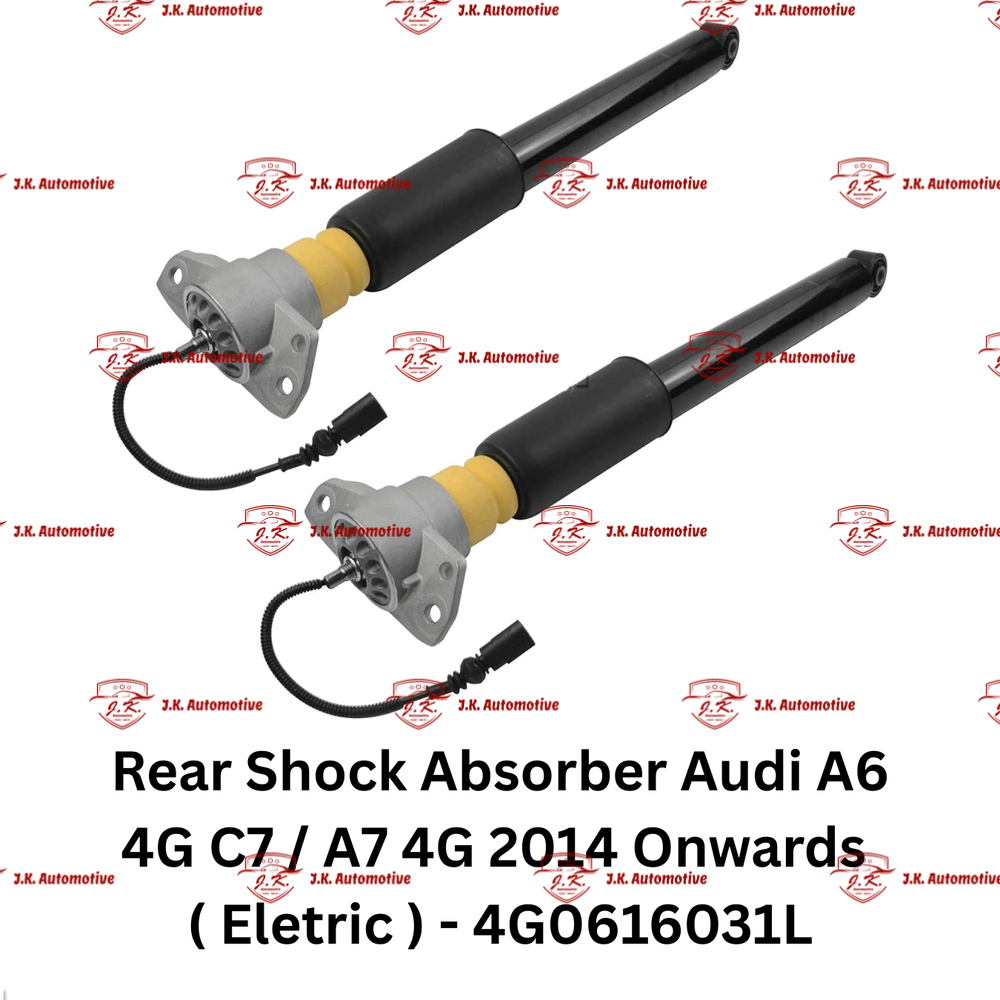
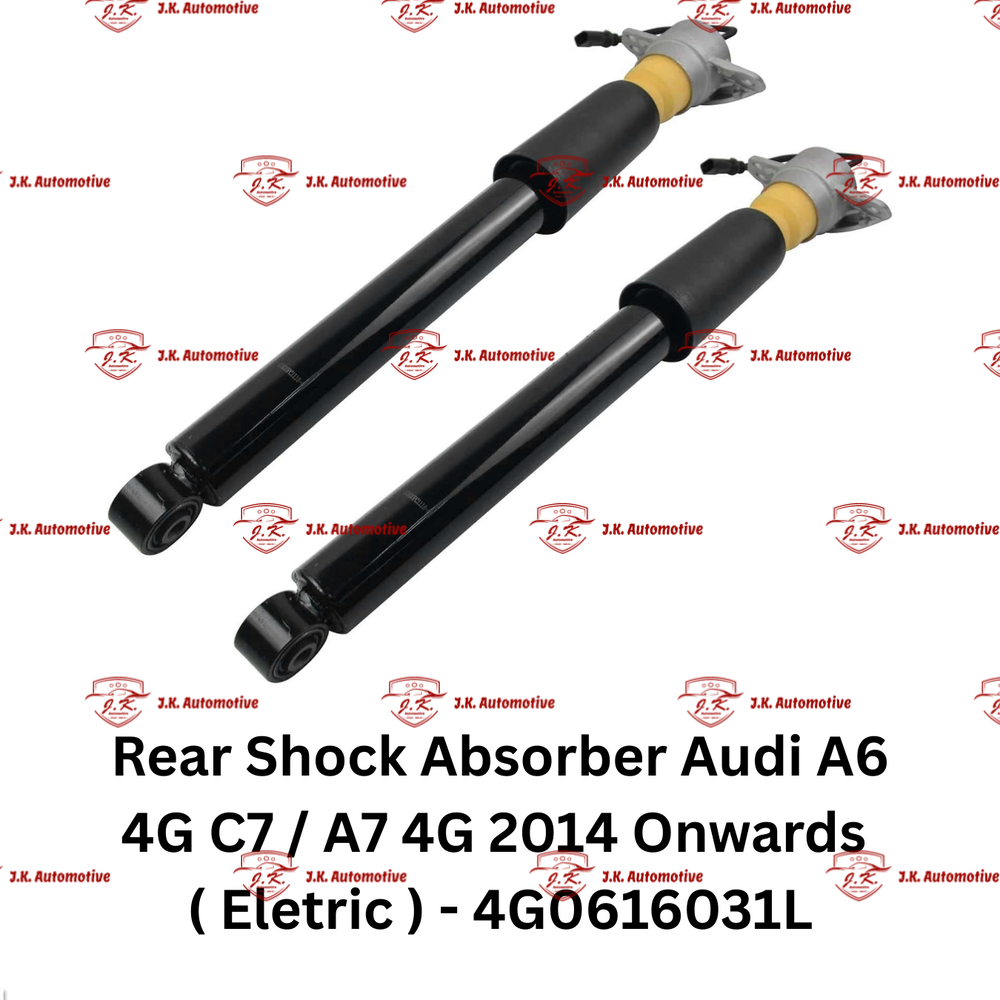
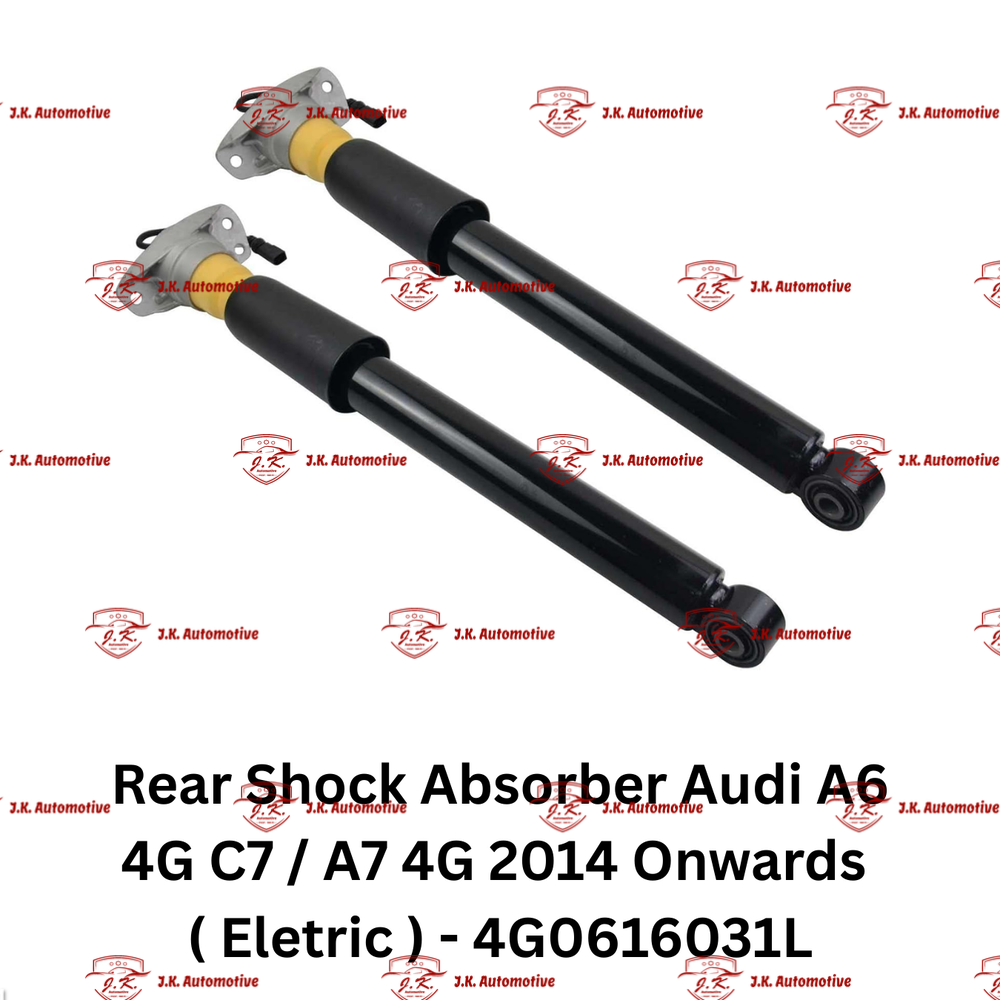
The Rear Shock Absorber Set of 2 With Kits And Mountings 4G0616031L for Audi A6 4G C7 is a rear suspension damping set supplied for the stated Audi A6 4G C7 2014 Onwards Electric application with the supplied year range 2011–2018, and its primary purpose is to control rear suspension movement while helping the vehicle maintain stable and predictable behaviour over changing road conditions. Shock absorbers work by controlling the rate at which suspension movement occurs after the wheels encounter bumps, dips, expansion joints, uneven surfaces and other road disturbances. Without effective damping, the rear suspension can continue moving excessively after an initial disturbance, resulting in increased bouncing, reduced body control and less consistent contact between the tyres and road surface. The supplied Set of 2 allows the rear shock absorbers to be addressed as a pair, while the included kits and mountings form part of the supplied product configuration and should be compared carefully with the components removed from the vehicle before installation. The Electric specification is also an important part of the supplied product description and should not be ignored during compatibility verification because electronically controlled suspension components can involve electrical connections or vehicle suspension-control functions in addition to their mechanical damping role. Reference 4G0616031L provides a specific identification point when searching for, ordering or checking the required rear shock absorber set. Useful identification terms can include Audi A6 4G C7 rear shock absorber, Audi A6 C7 electric rear shock, Audi A6 4G electric rear damper, Audi A6 rear shock set, Audi A6 rear shock absorber with mounting and Audi A6 4G 4G0616031L. A worn or malfunctioning rear shock absorber can potentially contribute to excessive rear movement, repeated bouncing after bumps, reduced damping control, unusual ride behaviour or other rear suspension symptoms, but these signs should not automatically be attributed to the shock absorbers because mountings, bushes, suspension arms, links, tyres and other rear suspension components can produce related symptoms. Correct diagnosis should therefore include visual inspection, damping assessment, mounting inspection and evaluation of applicable electrical connections or suspension-control information where appropriate. Before installation, reference 4G0616031L, the Electric specification, mounting arrangement and physical construction should be verified against the vehicle and removed components.
Is 4G0616031L the correct Rear Electric Shock Absorber Set for Audi A6 4G C7?
4G0616031L is the exact reference supplied for this Rear Shock Absorber Set of 2 With Kits And Mountings for the stated Audi A6 4G C7 2014 Onwards Electric application with supplied year range 2011–2018, and the complete reference should therefore be retained during online searches, catalog checking, inventory management and compatibility verification. However, reference-number matching should be combined with vehicle-specific and physical checks before installation because suspension components can differ according to the exact suspension configuration fitted to an individual vehicle. Generic searches such as Audi A6 C7 rear shock absorber, Audi A6 4G rear electric shock, Audi A6 rear damper, Audi A6 rear shock set or Audi A6 electric suspension shock can produce several visually similar components that may potentially differ in mounting points, electrical connections, overall dimensions, damping configuration or intended suspension specification. More precise search variations include Audi A6 4G C7 4G0616031L, Audi A6 C7 4G0616031L, Audi A6 4G 4G0616031L, Audi A6 4G0616031L, Audi 4G0616031L, 4G0616031L Rear Shock Absorber, 4G0616031L Rear Electric Shock, 4G0616031L Rear Damper and 4G0616031L Rear Shock Set. The complete supplied reference should remain unchanged because omitting, changing or transposing individual characters can increase the possibility of selecting an incorrect component. The supplied Electric specification should also be checked against the vehicle because the replacement must correspond with the applicable suspension-control arrangement rather than being selected solely from vehicle model and year. Identification on the currently installed rear shock absorber should be compared wherever readable, and VIN-based verification should be used whenever precise compatibility remains uncertain. Before installation, physically compare the replacement shock absorbers, included kits and mountings with the removed components. Check the overall length and construction, upper and lower mounting arrangement, applicable electrical connector configuration, mounting hardware and other visible installation characteristics. The components should correspond naturally with the existing suspension arrangement without drilling, grinding, forced mounting, electrical adaptation or improvised modification. Compatibility verification should remain separate from fault diagnosis because identifying the correct replacement reference does not prove that the existing rear shock absorbers are responsible for the vehicle's symptoms. Once the actual fault and exact compatibility have been established, professional installation and complete rear suspension checks are recommended.
What are the symptoms of worn or faulty Rear Electric Shock Absorbers on an Audi A6 4G C7?
Symptoms that may justify inspecting the Rear Electric Shock Absorbers on an Audi A6 4G C7 include excessive rear bouncing after bumps, increased body movement over uneven roads, reduced damping control, unusual rear suspension movement, changes in ride behaviour, instability during rapid road-surface changes, visible deterioration around a shock absorber, abnormal noises from the rear suspension area or suspension-related warnings where applicable, although these symptoms should be treated as diagnostic clues rather than automatic proof that the shock absorbers have failed. A shock absorber's primary mechanical role is to control the speed and extent of suspension movement. When the rear wheel moves upward or downward in response to a road disturbance, the shock absorber helps prevent that movement from continuing excessively after the initial input. As damping performance deteriorates, the rear of the vehicle may require more movement to settle after a bump or dip, which can create a floating, bouncing or less controlled sensation. However, similar symptoms can also originate from worn mountings, bushes, suspension arms, links, wheel or tyre conditions and other rear suspension components. Because the supplied product is described as Electric, applicable electrical connections and suspension-control functions should also be considered during diagnosis rather than treating the component as a purely conventional mechanical shock absorber. A damaged connector, wiring issue or relevant control-system condition may potentially influence electronically controlled suspension operation even when the mechanical shock absorber itself does not show obvious external damage. Visual inspection should check each rear shock absorber for physical deterioration, damage and other abnormalities while also examining the supplied-type mounting areas and surrounding suspension components. The rear suspension should be inspected as a complete system because replacing one component without identifying related wear may not fully resolve the original symptom. The vehicle's behaviour over controlled road disturbances can provide additional information about damping performance, but workshop inspection is preferable to relying only on subjective ride feel. Reference 4G0616031L should be checked against the installed component if replacement becomes necessary. The Electric specification, physical mounting arrangement, connector configuration where applicable, kits and mountings should also be compared before installation. If diagnosis confirms deterioration of the rear shock absorbers, replacing the rear units as the supplied Set of 2 can help maintain consistent damping characteristics across the rear axle.
Why is it recommended to replace the Audi A6 4G C7 Rear Shock Absorbers as a Set of 2?
Replacing the Audi A6 4G C7 Rear Shock Absorbers as a Set of 2 can be appropriate when both rear units have experienced similar service conditions because shock absorbers on the same axle operate continuously under related road, vehicle-load and suspension-movement conditions, and a significant difference in damping performance between the left and right rear positions can potentially create inconsistent suspension behaviour. Every time the vehicle travels over bumps, dips, expansion joints, rough surfaces or changing road profiles, both rear shock absorbers contribute to controlling suspension movement. Their exact movement is not always identical because each wheel encounters different road inputs, but both units accumulate operating cycles and age during normal use. If one rear shock absorber has deteriorated significantly because of general wear rather than isolated physical damage, the opposite-side unit may also have accumulated substantial use. A newly installed shock absorber on one side combined with a heavily worn unit on the opposite side can potentially produce a difference in damping response across the rear axle. The supplied product configuration specifically states Set of 2 With Kits And Mountings, meaning the complete supplied set should be evaluated as a rear-axle replacement package rather than assuming it is a single shock absorber. The included kits and mountings should be inspected and compared with the removed components before installation to confirm the correct arrangement. Because the product is described as Electric, applicable electrical connections should also be handled correctly on both sides and checked for secure engagement after installation. Replacing both rear shock absorbers does not eliminate the need to inspect other rear suspension components. Mountings, bushes, suspension arms, links, wheel bearings, tyres and related hardware should be checked because wear in these areas can continue to produce noise, movement or poor ride behaviour even after new shock absorbers have been installed. Reference 4G0616031L should be verified against the stated Audi A6 4G C7 application and compared with existing identification wherever readable. Physical construction, upper and lower mounting points, electrical connector arrangement where applicable and supplied hardware should correspond with the vehicle's existing suspension configuration. Professional installation should be followed by a complete rear suspension inspection and functional check to confirm consistent damping behaviour on both sides.
What is included with the Audi A6 4G C7 Rear Shock Absorber Set 4G0616031L With Kits And Mountings?
The supplied product title identifies the Audi A6 4G C7 Rear Shock Absorber 4G0616031L as a Set of 2 With Kits And Mountings for the stated Electric application, meaning the product should be treated according to that supplied configuration rather than described as a single rear shock absorber, but the exact individual pieces contained within a particular package should still be checked against the actual product contents before installation rather than assumed beyond the information provided. The Set of 2 designation indicates two rear shock absorber units as part of the stated product configuration, while “With Kits And Mountings” indicates that associated kit and mounting components are supplied with the set. These components are important because the shock absorber interfaces mechanically with the vehicle through its mounting arrangement, and deteriorated mounting components can contribute to unwanted movement, noise or other rear suspension symptoms. Before installation, unpack and inspect the complete supplied set and compare each component with the corresponding parts removed from the vehicle. Check the shock absorbers for correct overall construction, upper and lower mounting arrangement and applicable electrical connector configuration. The kits and mountings should also be compared for shape, position, dimensions and intended installation location. Reference 4G0616031L should remain the primary supplied identification reference during compatibility checking. Useful searches include Audi A6 4G C7 4G0616031L, Audi A6 C7 4G0616031L, 4G0616031L Rear Shock Absorber Set, 4G0616031L Electric Rear Shock, Audi A6 C7 Rear Electric Shock Set and Audi A6 4G Rear Shock Absorbers With Mountings. Because the product is specified as Electric, applicable connector configuration and suspension-control compatibility should be confirmed rather than assuming that any visually similar rear shock absorber is interchangeable. The components should fit naturally into their intended positions without drilling, grinding, connector modification or improvised adaptation. The surrounding rear suspension should also be inspected during installation, including bushes, suspension arms, links and other relevant components. Once the supplied shock absorbers, kits and mountings have been correctly installed, applicable electrical connections should be checked and rear suspension operation should be evaluated to confirm that the original damping or suspension concern has been addressed.
What should be checked before replacing the Rear Electric Shock Absorber Set 4G0616031L on an Audi A6 4G C7?
How can faulty Rear Electric Shock Absorbers affect the ride and handling of an Audi A6 4G C7?
Faulty Rear Electric Shock Absorbers can affect the ride and suspension behaviour of an Audi A6 4G C7 because the rear dampers are responsible for controlling the rate and extent of suspension movement as the rear wheels respond to bumps, dips, expansion joints, uneven roads, braking forces, cornering loads and other changes in road conditions. When a rear wheel moves vertically after encountering a road disturbance, the shock absorber controls that movement so the suspension can settle progressively instead of continuing to bounce excessively. If damping performance deteriorates, the rear of the vehicle may require more movement and more time to settle after a bump, which can create a floating, bouncing or less controlled sensation. Changes may also become noticeable when driving over a sequence of uneven surfaces because the suspension is repeatedly required to compress and rebound while maintaining controlled wheel movement. Since this product is specified as Electric, applicable electronic suspension-control functions and electrical connections should also be considered during diagnosis rather than evaluating the component solely as a conventional mechanical damper. A suspension-related electrical or connector condition may influence electronically controlled operation, while mechanical wear within a shock absorber can affect physical damping behaviour. These possibilities should be differentiated through proper inspection. Symptoms associated with rear damping deterioration can also be produced by worn mountings, bushes, suspension arms, links, tyres or other rear suspension components, so replacement should not be based only on subjective ride feel. Both rear positions should be inspected because comparing left and right damping behaviour can provide useful diagnostic information. Visual inspection should include the shock absorber bodies, upper and lower mounting areas, applicable electrical connectors and wiring, and surrounding suspension components. The supplied kits and mountings should also be considered because deterioration in mounting components can contribute to unwanted movement or noise. If testing confirms deterioration of the rear shock absorbers, reference 4G0616031L should be checked against the installed components and stated Audi A6 4G C7 Electric application. The replacement Set of 2, kits and mountings should then be physically compared with the removed components before professional installation, followed by functional checks to confirm consistent rear damping behaviour.
How can I confirm whether 4G0616031L is the correct Rear Electric Shock Absorber Set for my Audi A6 4G C7?
To confirm whether 4G0616031L is the correct Rear Electric Shock Absorber Set for a particular Audi A6 4G C7, the complete supplied reference should be checked together with the stated Audi A6 4G C7 application, Electric specification, identification on the currently installed components wherever readable, VIN-based compatibility information whenever necessary and a detailed physical comparison before installation. Reference-number matching is particularly important because generic searches such as Audi A6 C7 rear shock absorber, Audi A6 4G rear electric shock, Audi A6 rear electric damper, Audi A6 rear shock set or Audi A6 electronic suspension shock can return several components that may look generally similar while potentially differing in overall construction, upper or lower mounting arrangement, electrical connector configuration, damping specification or intended suspension system. Useful search variations include Audi A6 4G C7 4G0616031L, Audi A6 C7 4G0616031L, Audi A6 4G 4G0616031L, Audi A6 4G0616031L, Audi 4G0616031L, 4G0616031L Rear Shock Absorber, 4G0616031L Rear Electric Shock, 4G0616031L Electric Rear Damper, 4G0616031L Rear Shock Set and 4G0616031L Rear Shock Absorber With Mounting. The complete reference should remain exactly as supplied during online searches, catalog entry, inventory management and compatibility checking because changing, omitting or transposing individual characters can increase the possibility of incorrect component identification. The Electric specification is particularly important and should be checked against the suspension arrangement actually fitted to the vehicle rather than assuming that every rear shock absorber listed for the same model is interchangeable. If readable identification remains on the installed rear shock absorbers, compare it directly with the proposed replacements. VIN-based verification should be used whenever exact compatibility cannot be established confidently from the available information. Physical comparison should include the overall shock absorber construction, upper and lower mounting points, applicable electrical connector arrangement and other visible installation features. The supplied kits and mountings should also correspond with the removed components and their intended installation positions. No drilling, grinding, wiring adaptation, forced mounting or improvised modification should be required for a correctly identified component. Once compatibility and the actual suspension fault have both been confirmed, professional installation and post-installation suspension checks are recommended.
Can worn Rear Shock Absorbers cause bouncing, instability or uneven tyre wear on an Audi A6 4G C7?
Worn Rear Shock Absorbers can contribute to excessive bouncing and reduced suspension control on an Audi A6 4G C7 because their primary mechanical function is to control the movement of the rear suspension after the wheels encounter road disturbances, although instability or uneven tyre wear should not automatically be attributed to the shock absorbers without inspecting the complete rear suspension, wheel and tyre condition. When damping performance is effective, the shock absorber controls compression and rebound so the wheel and vehicle body settle progressively after bumps, dips and other surface changes. If damping performance deteriorates, the suspension can move more freely than intended and may require additional cycles before settling. The driver may notice increased rear bouncing, a floating sensation, excessive movement over undulating roads or less controlled behaviour after larger bumps. Repeated uncontrolled suspension movement can also influence how consistently a tyre maintains contact with the road surface, but tyre-wear patterns can have several other causes including wheel alignment, tyre pressure, wheel balance, damaged tyres, worn suspension bushes, control-arm conditions or other geometry-related issues. For this reason, uneven tyre wear should trigger a broader inspection rather than being treated as direct proof of shock absorber failure. Because the supplied product is described as Electric, applicable electrical connections and electronic suspension-control functions should also be checked when investigating abnormal damping behaviour. A connector or wiring problem can potentially influence controlled damping operation even when obvious external mechanical damage is not present. Both rear shock absorbers should be evaluated so left-to-right damping behaviour can be compared. The upper and lower mounting areas should be inspected for deterioration or unwanted movement, and the associated kits and mountings should be examined because mounting wear can contribute to noise or abnormal suspension response. Surrounding suspension arms, bushes, links, wheel bearings, wheels and tyres should also be inspected. If diagnosis identifies the rear shock absorbers as the relevant fault, reference 4G0616031L and the Electric specification should be verified against the stated Audi A6 4G C7 application before replacing the supplied Set of 2. After installation, rear suspension behaviour, applicable electrical operation and tyre condition should continue to be monitored.
How should the Audi A6 4G C7 Rear Electric Shock Absorber Set 4G0616031L with kits and mountings be installed and checked?
The Audi A6 4G C7 Rear Electric Shock Absorber Set 4G0616031L with kits and mountings should be installed professionally because correct component identification, secure mechanical mounting, appropriate handling of the supplied kits and mountings, correct engagement of applicable electrical connections and complete post-installation suspension checks are important for proper operation. Before removing the existing rear shock absorbers, the original suspension complaint should already have been diagnosed so that worn bushes, mountings, suspension arms, links, tyres or an electrical-control issue are not incorrectly attributed to the dampers. Reference 4G0616031L should be checked against the stated Audi A6 4G C7 Electric application, and identification on the installed components should be compared wherever readable. VIN-based compatibility verification should be used whenever precise fitment remains uncertain. Before installation, place the replacement components beside the removed units and compare their overall construction, upper and lower mounting arrangements, applicable electrical connectors, bracket or attachment positions and other visible installation characteristics. The supplied kits and mountings should also be compared with the corresponding removed parts so their intended positions are understood before assembly. The replacement components should fit naturally without drilling, grinding, forced alignment, connector alteration, wiring modification or improvised adaptation. Electrical connectors and wiring should be handled carefully and routed so they are not stretched, twisted, trapped or positioned where normal suspension movement could damage them. Mounting hardware should be installed according to the appropriate vehicle repair procedure and all surrounding components disturbed during the repair should be checked before completion. After installation, confirm that both rear shock absorbers are securely mounted and that applicable electrical connectors are fully engaged and correctly positioned. The rear suspension should then be operated and inspected for abnormal movement, unwanted noise or interference. Relevant suspension-control information should be checked where appropriate, particularly if a suspension warning remains present. A controlled road evaluation can then be used to assess rear damping response over appropriate road conditions. If the original symptoms remain after replacement, additional diagnosis should focus on mountings, bushes, suspension arms, links, tyres, electrical connections and other related suspension components rather than assuming the newly installed shock absorbers are responsible.
How do I know if the Rear Electric Shock Absorbers are bad on my Audi A6 4G C7?
Rear Electric Shock Absorbers on an Audi A6 4G C7 may require investigation when the rear of the vehicle continues bouncing excessively after bumps, feels unusually floaty over undulating roads, takes longer than expected to settle after a road disturbance, exhibits noticeably reduced damping control, develops abnormal rear suspension movement, produces noises around the shock absorber mounting areas, shows visible deterioration around one or both rear dampers or displays applicable suspension-related warnings, but none of these symptoms should be treated as automatic proof that the rear shock absorbers have failed. The primary mechanical purpose of the rear dampers is to control compression and rebound movement so the suspension can respond to road inputs without continuing to oscillate excessively. A deterioration in damping performance can therefore become noticeable when the vehicle crosses a bump and the rear suspension continues moving more than expected afterward. However, worn upper or lower mountings, deteriorated bushes, suspension arms, links, wheel or tyre problems and other rear suspension conditions can create similar ride or noise symptoms. Because this product is specified as Electric, diagnosis should also include applicable electrical connectors, wiring and suspension-control information rather than evaluating only the mechanical condition of the dampers. An electrical-control problem can potentially affect electronically managed damping behaviour without necessarily producing the same symptoms as mechanical shock absorber wear. Visual inspection should compare both rear shock absorbers and look for physical deterioration, damaged components, abnormal mounting movement and other visible irregularities. The supplied-type kits and mountings should also be inspected because deterioration in these components can contribute to unwanted movement or noise. A controlled assessment of rear suspension response can help identify excessive bouncing or inconsistent left-to-right damping behaviour, while a complete workshop inspection can evaluate related suspension components that may be contributing to the complaint. Tyres should also be examined for abnormal wear, damage and pressure issues because tyre conditions can affect perceived ride and vehicle behaviour. If systematic diagnosis identifies the rear dampers as the relevant fault, reference 4G0616031L should be verified against the stated Audi A6 4G C7 Electric application before replacement. The Set of 2, included kits and mountings, applicable electrical connector arrangement and physical mounting points should correspond with the removed components. Professional installation should then be followed by electrical-connection checks where applicable, rear suspension inspection and a controlled functional evaluation to confirm that the original damping symptoms have been resolved.




Rahul –
Very good product