What is the Air Suspension Valve Block Assembly for Volvo XC60 II (246) 7P0698014 / 7L0698014 and what does it do?
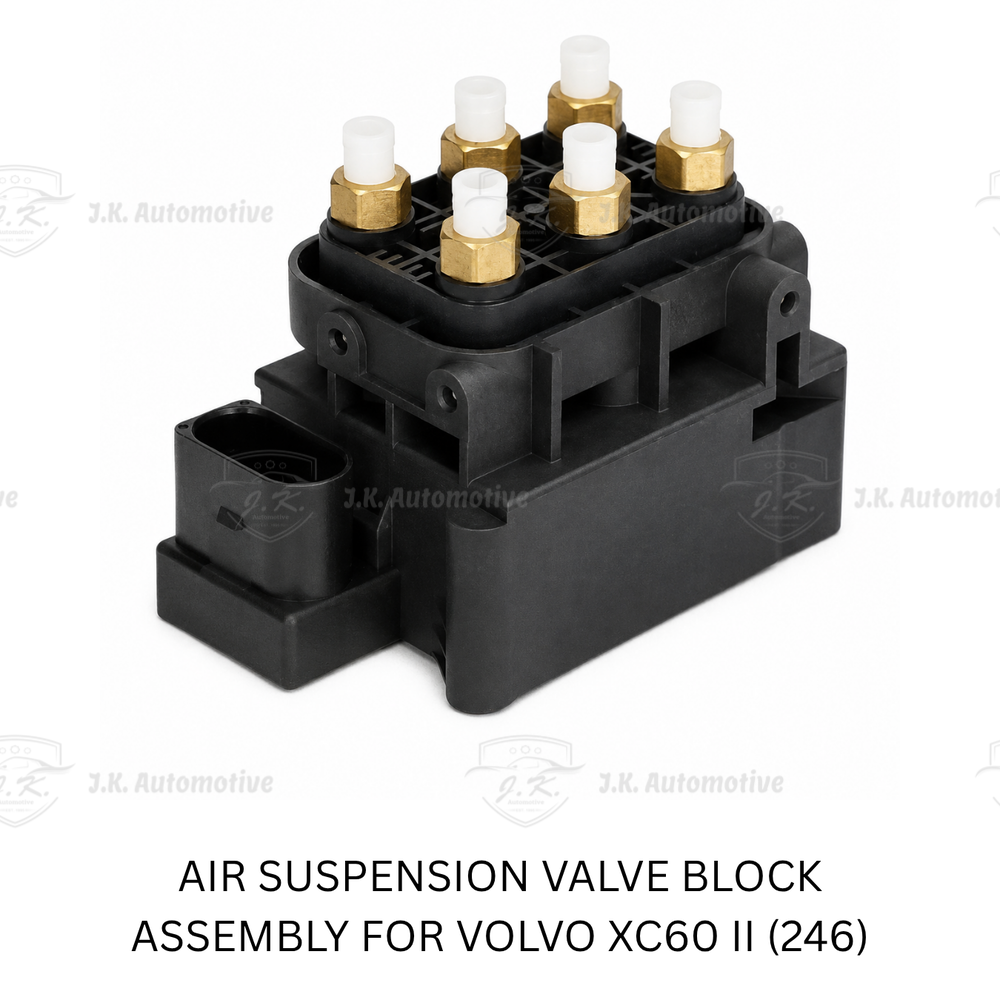
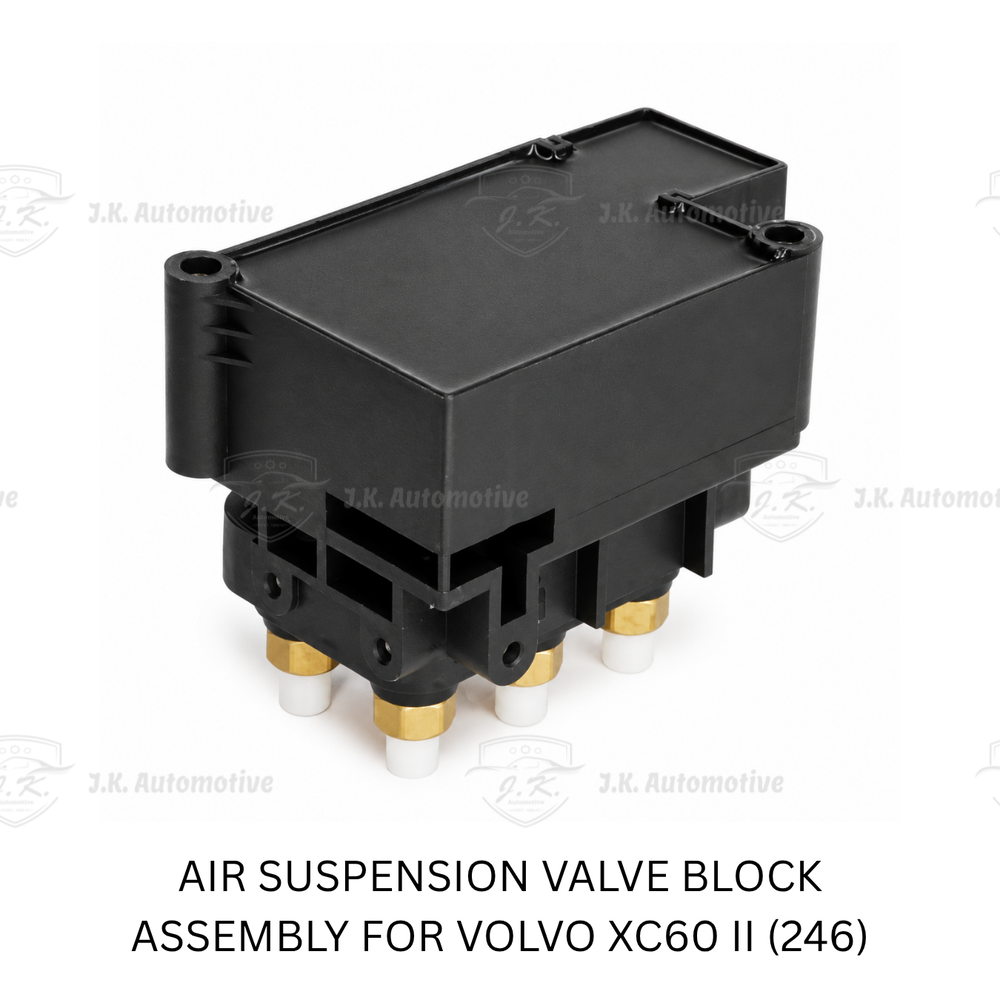
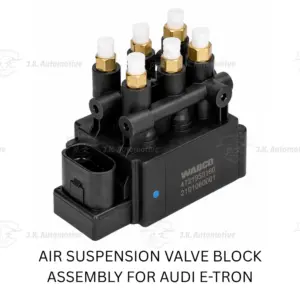
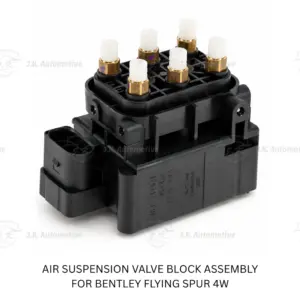
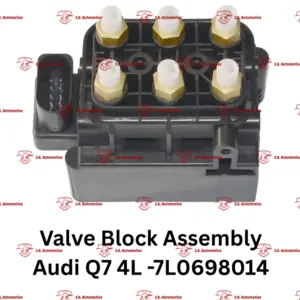
The Air Suspension Valve Block Assembly for Volvo XC60 II (246) with references 7P0698014 / 7L0698014 is a pneumatic control component within the vehicle’s air suspension system that helps manage the distribution, isolation and release of compressed air between different suspension circuits according to system requirements. The air suspension system operates through several interconnected components including the compressor, air springs, pneumatic lines, connectors, sensors, electrical controls and the valve block itself. The compressor generates compressed air, but that pressure must be routed toward the appropriate suspension circuits and retained where necessary so the vehicle can achieve and maintain its intended ride height. The valve block contains internal pneumatic passages and electrically controlled valve functions that help regulate airflow rather than allowing pressure to move freely throughout the system. When the suspension system requests a ride-height adjustment, the relevant pneumatic circuits can be opened or isolated so compressed air can move toward or away from the required suspension section. References 7P0698014 and 7L0698014 provide important identification points for the supplied assembly and should be preserved exactly during product searches and compatibility checking. If the valve assembly develops an internal sealing or control-related problem, possible symptoms can include uneven vehicle height, gradual lowering after parking, slow suspension adjustment, repeated ride-height correction or unusually frequent compressor operation. These symptoms should not automatically be interpreted as valve block failure because leaking air springs, damaged pneumatic lines, loose connectors, compressor problems, electrical faults, sensor issues or suspension-control conditions can create similar behaviour. Professional diagnosis should therefore examine the complete pneumatic suspension system before replacement. Systematic leak testing can help identify pressure loss around air springs, pneumatic lines, fittings and accessible connections, while compressor performance and electrical connections should also be evaluated where relevant. Suitable diagnostic equipment can assist with investigating suspension-related fault information and system behaviour where supported by the vehicle. If diagnosis identifies the valve assembly as the relevant component, references 7P0698014 / 7L0698014 should be confirmed against the exact Volvo XC60 II (246) application, with VIN verification used whenever precise compatibility remains uncertain. The replacement assembly should also be physically compared with the removed unit for pneumatic-port arrangement, electrical connector, housing construction and mounting configuration. After professional installation, disturbed connections should be leak-tested and the suspension should be operated through its applicable ride-height functions to confirm correct pneumatic operation.
Are references 7P0698014 / 7L0698014 suitable for the Volvo XC60 II (246) air suspension system?
References 7P0698014 / 7L0698014 are the exact product references supplied for this Air Suspension Valve Block Assembly for the stated Volvo XC60 II (246) application and should be used as important identification points when checking the required replacement component, although precise compatibility should still be confirmed before installation because the model description alone should not be treated as the only fitment criterion. Generic searches such as Volvo XC60 air suspension valve, XC60 II valve block, Volvo pneumatic valve or XC60 suspension control valve can potentially return components with similar external appearances, whereas exact reference searches provide a more specific method of identifying the intended assembly. Useful search variations include Volvo XC60 II 7P0698014, Volvo XC60 II 7L0698014, Volvo XC60 246 7P0698014, Volvo XC60 246 7L0698014, Volvo 7P0698014, Volvo 7L0698014, 7P0698014 Valve Block and 7L0698014 Air Suspension Valve Block. Both references should remain exactly as supplied when they are used in product catalogs, invoices, workshop records or online searches because changing the numerical sequence can result in incorrect component identification. Where readable identification information remains on the removed valve assembly, it should be compared with the replacement unit before installation. VIN-based verification is recommended whenever the exact installed air suspension configuration remains uncertain. Physical comparison provides another useful fitment check because pneumatic valve assemblies can have similar-looking housings while differing in pneumatic-port layout, electrical connector configuration, mounting locations or intended application. Check the number and arrangement of air-line ports, electrical connector, housing construction, mounting points and overall configuration. Pneumatic lines should correspond naturally with their intended ports and should not require drilling, grinding, improvised adapters or forced connections simply to achieve installation. Compatibility verification should also remain separate from fault diagnosis because identifying a suitable valve assembly does not prove that the existing component is responsible for the suspension problem. Air springs, pneumatic lines, connectors, compressor components, electrical circuits, sensors and suspension-control conditions can produce overlapping symptoms. Systematic leak testing and suitable diagnostic checks should therefore establish the actual cause before replacement. Once both compatibility and the fault are confirmed, professional installation should be followed by leakage and suspension-operation testing.
What do references 7P0698014 and 7L0698014 mean when buying a Volvo XC60 II (246) Air Suspension Valve Block Assembly?
References 7P0698014 and 7L0698014 are specific component-identification numbers supplied for this Volvo XC60 II (246) Air Suspension Valve Block Assembly and provide buyers, workshops and parts professionals with precise references to use when searching for, comparing and confirming the required pneumatic suspension component. Exact reference-number searching is particularly valuable for air suspension components because generic terms such as Volvo XC60 valve block, XC60 air suspension valve, Volvo pneumatic control valve or XC60 suspension valve can return products that may look similar externally while differing in pneumatic-port arrangement, electrical connector, housing construction, mounting configuration or intended vehicle application. Useful searches can include Volvo XC60 II 7P0698014, Volvo XC60 II 7L0698014, XC60 246 7P0698014, XC60 246 7L0698014, Volvo 7P0698014, Volvo 7L0698014, 7P0698014 Air Suspension Valve and 7L0698014 Valve Block. The references should be preserved exactly as 7P0698014 and 7L0698014 during catalog entry, invoicing, workshop documentation and online searches because changing or transposing a digit can result in incorrect component identification. These references should nevertheless be used together with exact vehicle application information rather than being considered universal fitment confirmation by themselves. The Volvo XC60 II (246) application should be checked carefully, and VIN verification should be used whenever precise compatibility remains uncertain. If readable identification remains on the removed valve assembly, it can provide another comparison point before installation. Physical comparison should include the pneumatic-port arrangement, electrical connector, mounting locations, housing configuration and overall construction. Pneumatic lines should correspond naturally with the replacement component without requiring improvised modifications. Reference confirmation should also remain separate from mechanical diagnosis. A vehicle that lowers after parking, sits unevenly or adjusts slowly can have a pressure leak elsewhere in the suspension system. Air springs, pneumatic lines, connectors, compressor components, electrical connections, sensors and related control conditions should therefore be investigated before concluding that the valve block requires replacement. Once the actual fault and exact component have been confirmed, professional installation with clean pneumatic connections should be followed by leak testing and suspension-operation checks.
What are the symptoms of a faulty air suspension valve block on a Volvo XC60 II (246)?
Possible symptoms associated with a faulty air suspension valve block on a Volvo XC60 II (246) can include uneven ride height, one section of the vehicle sitting lower than expected, gradual lowering while parked, slow suspension height adjustment, repeated ride-height correction, inconsistent lifting or lowering and unusually frequent compressor operation, although these symptoms should not be treated as proof that the valve assembly identified by references 7P0698014 / 7L0698014 is defective without systematic diagnosis. The valve block forms part of the pneumatic distribution circuit and helps route or isolate compressed air according to suspension requirements, so an internal sealing problem or incorrect valve operation can potentially interfere with pressure distribution or retention. If pressure is able to move or escape through a pneumatic path that should remain isolated, one or more sections of the vehicle may gradually change height. However, leaking air springs can produce similar behaviour, as can damaged pneumatic lines, loose fittings or other pressure-loss points. Slow suspension lifting can also result from inadequate compressor output rather than a valve problem. Repeated compressor operation may indicate that the system is continually replacing lost pressure, but it does not identify where that pressure is escaping. Electrical connections, sensors and suspension-control conditions can also affect ride-height behaviour even if the pneumatic valve block itself remains functional. Diagnosis should therefore begin with observation of the vehicle’s standing height and how that height changes over time. A technician can compare individual corners, observe suspension response during applicable height changes and determine whether the vehicle loses height during a controlled parking period. Systematic leak testing should then examine air springs, pneumatic lines, fittings and accessible connections. Compressor condition should be evaluated when suspension lifting is unusually slow or compressor operation appears excessive. Electrical connections and relevant sensor information should also be investigated, while suitable diagnostic equipment can assist with suspension fault information where supported. If testing identifies the valve block as the likely source, references 7P0698014 and 7L0698014 should be checked against the exact Volvo XC60 II (246) application before replacement. The replacement assembly should then be physically compared with the removed unit for pneumatic ports, electrical connector, mounting configuration and housing construction. After professional installation, the suspension should be leak-tested and monitored to confirm correct height adjustment and pressure retention.
Can a faulty 7P0698014 / 7L0698014 valve block cause a Volvo XC60 II (246) to lower after parking or sit unevenly?
A problem within a valve block identified by references 7P0698014 / 7L0698014 can potentially contribute to a Volvo XC60 II (246) lowering after parking or sitting unevenly if compressed air is not being isolated and retained correctly within the relevant pneumatic suspension circuits, but these symptoms should not automatically be diagnosed as valve block failure because leaking air springs, pneumatic lines, connectors and other sealing points can produce very similar pressure-loss behaviour. When the vehicle is parked, the suspension needs to retain sufficient compressed air within the appropriate circuits to maintain the intended vehicle height. If pressure escapes through an air spring, pneumatic line, fitting or another sealing point, the affected section may gradually lower. Depending on the location and severity of the pressure loss, the change can affect one corner, one axle or multiple areas. An internal sealing problem within the valve block can also potentially allow unwanted pressure movement or loss, which is why the valve assembly is one of the components considered during diagnosis. The pattern and timing of lowering can provide useful information but cannot independently identify the defective component. A technician can record the vehicle’s height after parking and compare it after a controlled period to determine which section appears to be losing pressure. Systematic leak testing can then focus on the corresponding air springs, pneumatic lines, connectors and fittings. Compressor behaviour should also be monitored because frequent operation can indicate that the system is repeatedly replacing lost pressure, although it cannot identify the exact source of leakage. Electrical connections, sensors and suspension-control information should also be investigated when height changes are inconsistent or cannot be explained by an obvious pneumatic leak. If diagnosis indicates that the valve block requires replacement, references 7P0698014 and 7L0698014 should be confirmed against the exact Volvo XC60 II (246) application, with VIN verification used whenever necessary. The replacement component should be compared physically with the removed assembly for pneumatic-port arrangement, electrical connector, mounting points and housing configuration. After professional installation, the system should be checked for leaks, operated through its applicable suspension functions and monitored after parking to determine whether the original pressure-loss condition has been corrected.
Why is professional diagnosis and installation recommended for the Volvo XC60 II (246) 7P0698014 / 7L0698014 Air Suspension Valve Block?
Professional diagnosis and installation are recommended for the Volvo XC60 II (246) Air Suspension Valve Block with references 7P0698014 / 7L0698014 because the component operates within an interconnected pneumatic and electronically controlled suspension system where several different faults can create similar symptoms, making accurate diagnosis important before replacement. A vehicle that sits low, develops an uneven stance, lowers after parking, adjusts height slowly or repeatedly operates its compressor may have a valve-related issue, but these symptoms can also result from leaking air springs, damaged pneumatic lines, loose fittings, compressor problems, electrical faults, sensor conditions or suspension-control issues. A professional diagnostic process can begin by observing vehicle height, determining which section is affected, monitoring suspension response and performing systematic pneumatic leak testing. Air springs, lines, connectors and accessible fittings should be checked carefully for pressure loss. Compressor operation should be evaluated when suspension adjustment is slow or compressor activity appears excessive. Electrical connections and relevant sensor information should also be investigated, while suitable diagnostic equipment can assist with suspension-related fault information and system behaviour where supported. If replacement is justified, references 7P0698014 and 7L0698014 should be checked against the exact Volvo XC60 II (246) application, with VIN verification used whenever precise compatibility remains uncertain. The replacement assembly should then be physically compared with the removed unit for housing configuration, pneumatic-port arrangement, electrical connector and mounting locations. Pneumatic suspension work requires careful cleanliness because dirt or foreign material entering open air lines can potentially interfere with internal pneumatic sealing and operation. Each line should therefore be returned to its correct port without forcing, improvised adapters or physical modification. After installation, disturbed pneumatic connections should be checked for leakage and the suspension should be operated through its applicable functions. The vehicle should then be monitored to determine whether it reaches and maintains the intended ride height consistently. Where applicable diagnostic or calibration procedures are specified for the vehicle, they should be completed using suitable equipment. This approach helps ensure that replacing 7P0698014 / 7L0698014 addresses the diagnosed suspension fault rather than leaving another pneumatic, electrical or control-related problem unresolved.
How can a faulty Air Suspension Valve Block Assembly affect the ride height and suspension operation of a Volvo XC60 II (246)?
A faulty Air Suspension Valve Block Assembly can affect the ride height and suspension operation of a Volvo XC60 II (246) because the valve block forms part of the pneumatic distribution network that helps direct, isolate and release compressed air within the different suspension circuits according to system requirements. The compressor generates the compressed air required by the air suspension, but that pressure must then be distributed through pneumatic lines toward the appropriate air springs and retained within the required circuits, and the valve block helps control this process through internal pneumatic passages and electrically operated valve functions. When the suspension system requests a ride-height adjustment, the relevant pneumatic circuit must be opened or isolated so compressed air can move in a controlled manner. If an internal valve does not operate correctly, an internal sealing surface deteriorates or unwanted pneumatic leakage develops, pressure may not be distributed or retained as intended. The vehicle can consequently develop an uneven stance, one section may sit lower than another, ride-height changes may become slower or the vehicle may gradually lower after being parked. The suspension system may also repeatedly attempt to correct the vehicle level, which can result in increased compressor operation as pressure is replenished. However, frequent compressor activity does not independently confirm that references 7P0698014 / 7L0698014 are associated with the failed component because leaking air springs, damaged pneumatic lines, loose fittings or other pressure-loss points can produce the same behaviour. Slow lifting can similarly result from inadequate compressor output rather than incorrect valve operation. Electrical connections, sensors and suspension-control conditions should also be considered because the pneumatic system depends on appropriate electronic commands and vehicle-height information. Professional diagnosis can include observing the standing height at different corners, monitoring how the suspension responds during applicable height changes and determining whether the vehicle loses height during a controlled parking period. Systematic leak testing should then examine air springs, pneumatic lines, fittings and accessible connectors. Compressor operation and electrical connections should be evaluated where relevant, while suitable diagnostic equipment can assist with suspension fault information and operating behaviour where supported by the vehicle. If testing identifies the valve assembly as the relevant component, references 7P0698014 and 7L0698014 should be confirmed against the exact Volvo XC60 II (246) application. The replacement assembly should be physically compared with the removed unit for pneumatic-port arrangement, electrical connector, housing construction and mounting configuration. After professional installation, the system should be leak-tested and checked for consistent suspension operation and pressure retention.
How can I confirm that 7P0698014 / 7L0698014 is the correct Air Suspension Valve Block Assembly for my Volvo XC60 II (246)?
To confirm whether 7P0698014 / 7L0698014 is the correct Air Suspension Valve Block Assembly for a particular Volvo XC60 II (246), the exact supplied references should be checked together with the stated vehicle application, identification information from the existing component where available, VIN-based compatibility information when necessary and a direct physical comparison between the removed and replacement assemblies before installation. Exact reference verification is particularly important for pneumatic suspension components because generic searches such as Volvo XC60 air suspension valve, Volvo XC60 II valve block, XC60 pneumatic valve or Volvo suspension control valve can return products that appear similar but may differ in pneumatic-port configuration, electrical connector, mounting arrangement, housing construction or intended vehicle application. Useful search variations include Volvo XC60 II 7P0698014, Volvo XC60 II 7L0698014, Volvo XC60 246 7P0698014, Volvo XC60 246 7L0698014, Volvo 7P0698014, Volvo 7L0698014, 7P0698014 Valve Block, 7L0698014 Valve Block, 7P0698014 Air Suspension Valve and 7L0698014 Air Suspension Valve. The exact reference numbers should remain unchanged during catalog entry, online searches and compatibility checking because changing or transposing a digit can identify another component. Where the removed valve assembly has readable identification information, it should be compared directly with the replacement unit. VIN verification is recommended whenever precise compatibility cannot be established confidently from the available product and vehicle information. Physical comparison provides another important fitment check and should include the number and arrangement of pneumatic ports, electrical connector configuration, housing shape, mounting points and overall construction. Pneumatic lines should correspond naturally with their intended ports, and the replacement component should not require improvised adapters, drilling, grinding or other physical modification merely to achieve installation. Correct component identification should also remain separate from diagnosis because confirming that a valve block corresponds with the supplied references does not prove that the existing assembly is responsible for the suspension fault. Air springs, pneumatic lines, connectors, compressor components, sensors, electrical connections and suspension-control conditions can create similar symptoms. Systematic leak testing and suitable diagnostic checks should therefore establish the actual fault before replacement. Once compatibility and the fault have both been confirmed, installation should be completed carefully with clean pneumatic connections, followed by leakage and suspension-operation testing.
Can a Volvo XC60 II (246) 7P0698014 / 7L0698014 valve block problem cause frequent compressor operation or slow suspension adjustment?
A problem involving the Volvo XC60 II (246) valve block identified by references 7P0698014 / 7L0698014 can potentially contribute to frequent compressor operation or slow suspension adjustment when compressed air is not being distributed, isolated or retained correctly within the pneumatic suspension circuit, but both symptoms can originate from several other system conditions and should therefore be diagnosed carefully before the valve block is replaced. The compressor generates compressed air for the suspension, while the valve assembly and connected pneumatic lines help direct that pressure toward the required suspension circuits. If an internal valve does not control airflow correctly or an internal sealing condition allows unwanted pressure movement or loss, the system may repeatedly request additional compressed air in an attempt to maintain or restore the intended vehicle height. This can potentially result in increased compressor operation. However, a leaking air spring, damaged pneumatic line, loose connector or another pressure-loss point can create the same condition because the compressor must continually replace air escaping elsewhere in the system. Slow suspension adjustment can similarly result from insufficient compressor output, significant pneumatic leakage, airflow restriction or a control-related problem rather than valve block failure. Compressor behaviour should therefore be treated as useful diagnostic evidence rather than confirmation of the defective component. A technician can observe how the suspension responds to applicable height changes, determine whether all affected sections operate consistently and monitor whether the vehicle retains its height after compressor operation stops. Systematic pneumatic leak testing should then be performed around air springs, lines, fittings and accessible connectors. Compressor condition should be evaluated where suspension adjustment remains unusually slow, while electrical connections and relevant sensor information should also be investigated if the vehicle’s suspension behaviour is inconsistent. Suitable diagnostic equipment can assist with relevant suspension fault information and system operation where supported by the vehicle. If testing indicates that the valve assembly is responsible for incorrect pressure distribution or retention, references 7P0698014 and 7L0698014 should be checked against the exact Volvo XC60 II (246) application before replacement. The new component should then be physically compared with the removed assembly for pneumatic ports, electrical connector, housing design and mounting arrangement. Following professional installation, the pneumatic circuit should be checked for leakage and the suspension monitored again for correct operation, pressure retention and compressor behaviour.
What should be checked before replacing the 7P0698014 / 7L0698014 Air Suspension Valve Block on a Volvo XC60 II (246)?
Before replacing the 7P0698014 / 7L0698014 Air Suspension Valve Block on a Volvo XC60 II (246), the complete pneumatic suspension system should be inspected and diagnosed so that a leaking air spring, damaged pneumatic line, connector leak, compressor issue, electrical fault, sensor condition or suspension-control problem is not incorrectly diagnosed as a defective valve block. Begin by observing the vehicle’s standing height and determining whether the condition affects one corner, one axle or multiple areas. The timing of any ride-height loss can provide useful diagnostic information, so the vehicle can be monitored to determine whether it lowers shortly after parking, gradually over several hours or only after an extended stationary period. Suspension operation should also be observed during applicable height changes to determine whether affected sections respond consistently. Systematic pneumatic leak testing should then be performed around accessible air springs, pneumatic lines, fittings and connectors because even a relatively small pressure leak can cause repeated suspension correction and increased compressor activity. Compressor performance should be evaluated if suspension adjustment is unusually slow or compressor operation appears excessive, because replacement of a functional valve block cannot correct insufficient pressure generation caused elsewhere. Electrical connections associated with the pneumatic control assembly should be inspected for secure fitment, contamination or visible damage. Relevant sensor information and suspension-control fault information should also be investigated with suitable diagnostic equipment where supported by the vehicle. If these checks indicate that valve block replacement is required, exact references 7P0698014 and 7L0698014 should be confirmed against the Volvo XC60 II (246) application, with VIN verification used whenever the installed configuration remains uncertain. The removed and replacement assemblies should then be physically compared for housing configuration, electrical connector, pneumatic-port number and arrangement, mounting locations and overall construction. Open pneumatic lines should be protected from dirt and foreign material during installation because contamination can potentially interfere with internal pneumatic sealing. Each line should return to its correct port without forcing or improvised modification. After installation, all disturbed connections should be checked for leakage and the suspension should be tested for correct operation and pressure retention. This diagnostic approach helps reduce the possibility of replacing a functional valve assembly while leaving the actual air suspension problem unresolved.
How should the Volvo XC60 II (246) 7P0698014 / 7L0698014 Air Suspension Valve Block Assembly be compared with other replacement valve block options?
The Volvo XC60 II (246) Air Suspension Valve Block Assembly with references 7P0698014 / 7L0698014 should be compared with other replacement valve block options primarily through exact reference compatibility, documented vehicle application, pneumatic-port configuration, electrical connector arrangement, housing construction, mounting locations, supplied components where applicable, warranty terms and source reliability rather than assuming that two pneumatic valve assemblies are interchangeable simply because they look similar or carry a broadly similar product description. References 7P0698014 and 7L0698014 are the exact identification numbers supplied for this product, so any alternative replacement should first be checked against these references and the stated Volvo XC60 II (246) application. Searches such as Volvo 7P0698014, Volvo 7L0698014, XC60 7P0698014, 7P0698014 Valve Block, 7L0698014 Air Suspension Valve and Volvo XC60 Pneumatic Valve can help identify available replacement options, but a search-result match should not be treated as final compatibility confirmation. VIN verification is recommended whenever exact application remains uncertain. Physical comparison should include the number and position of pneumatic ports, electrical connector design, mounting arrangement, housing configuration and overall dimensions. Pneumatic lines should connect naturally to their intended ports, and a supposedly compatible replacement should not require drilling, grinding, forced connections or improvised adapters simply to make it fit. Construction and sealing arrangements are relevant because the valve assembly repeatedly manages compressed air within the suspension circuit, but claims concerning manufacturing origin, OE-supplier status, expected service life, superiority or equivalence should be supported by documentation for the exact replacement component rather than assumed from generic marketing statements. Warranty coverage and traceable sourcing can provide additional practical comparison criteria. Price may also be considered, but it should not replace exact reference and vehicle-application verification. The complete air suspension system should be diagnosed before purchasing a replacement because even a correctly specified valve block cannot correct a leaking air spring, damaged pneumatic line, weak compressor, faulty electrical connection or sensor-related condition elsewhere in the system. Once replacement is justified, exact reference matching, physical configuration, documented application and installation requirements provide the strongest basis for comparing available valve block options. Professional installation should then be followed by pneumatic leak testing and suspension-operation checks to confirm that the system operates consistently and retains pressure correctly.



Reviews
There are no reviews yet.