Why should you choose the Stokes Germany Oil Filter for Mercedes-Benz AMG C 63 S W205, and how does it contribute to engine maintenance?
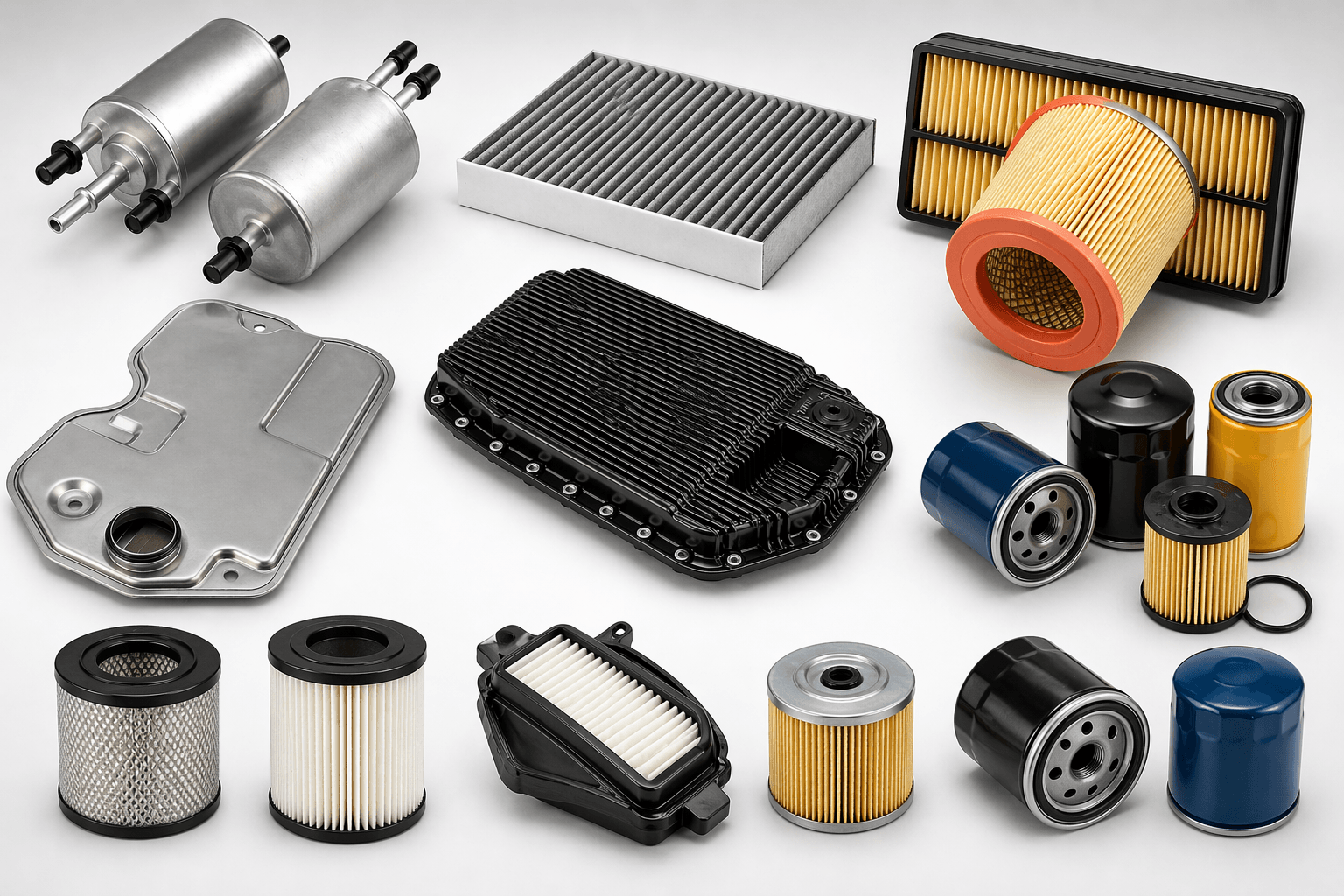
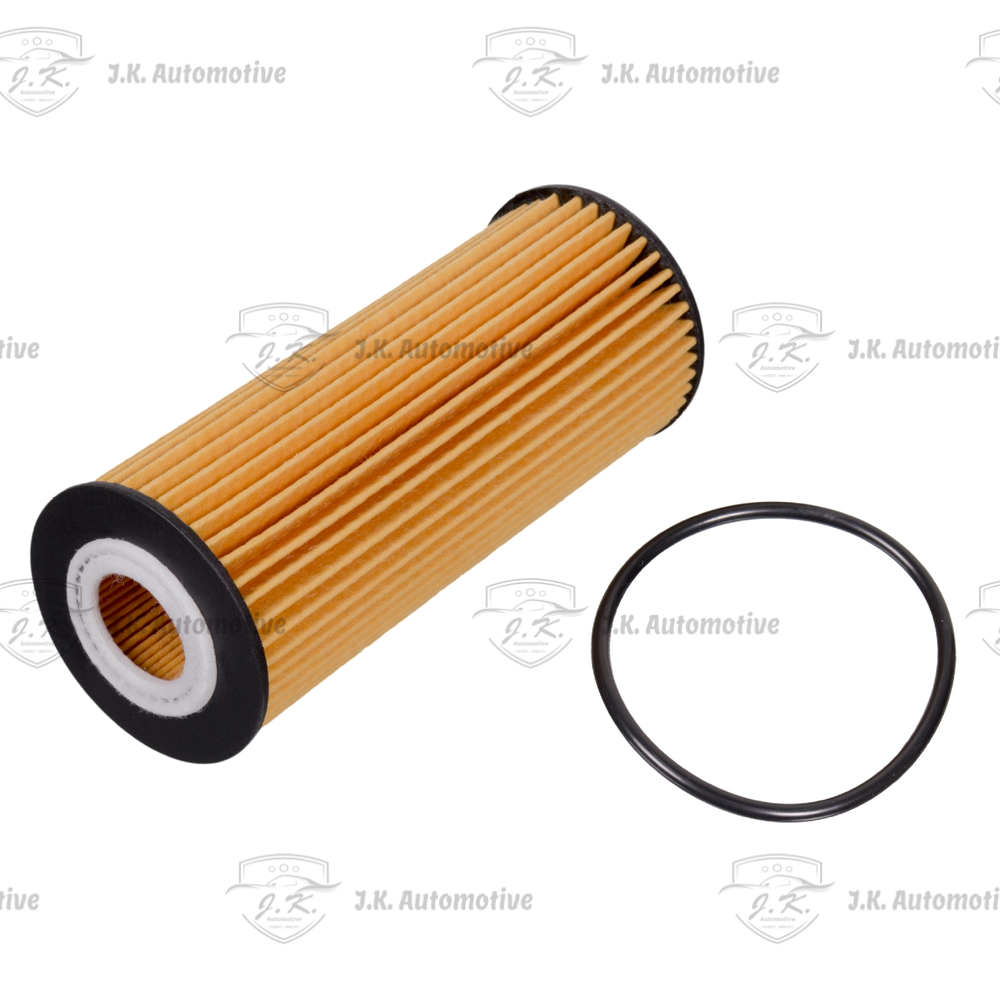
The Stokes Germany Oil Filter is an aftermarket engine lubrication filtration component advertised for Mercedes-Benz C-Class (W205) AMG C 63 S (205.087), covering 2014 – 2021. The Stokes Oil Filter Mercedes AMG C63 S W205 is intended for customers researching a replacement engine oil filter for routine maintenance. The Mercedes-AMG C 63 S uses a high-performance petrol engine that depends on suitable lubrication during operation. Engine oil helps reduce friction between moving mechanical surfaces. It also carries heat away from selected engine components. The engine lubrication system circulates oil through designated passages. A correctly specified oil filter helps capture certain contaminants suspended within circulating lubricant. Fine metallic particles may develop through mechanical wear. Combustion-related residues may also accumulate over time. Other contaminants can enter the lubricant through different engine operating processes. Suitable filtration reduces the movement of some abrasive particles through the filtered lubrication pathway. However, filtration cannot eliminate every form of engine wear. The filter cannot repair mechanical damage that has already occurred. Oil filtration is one element of a complete engine maintenance programme. The correct Mercedes-Benz-approved engine oil is also essential. Suitable oil viscosity must match the applicable engine requirements. Regular servicing should follow manufacturer recommendations. The advertised OEM references are A2781800009 / A2781840125. Both numbers must be checked against authoritative Mercedes-Benz parts information. Their appearance together does not establish interchangeability. The exact engine configuration must be identified before purchasing. Vehicle identification information can assist with the selection process. The original engine oil-filter element should be examined. The installed oil-filter housing must also be identified. Replacement cartridge length should correspond to the required element. Diameter should also match. The cartridge end construction may influence correct seating. Required sealing rings must be compatible with the housing. Incorrect seals can allow engine oil leakage. Inappropriate cartridge seating may also interfere with the intended filtration pathway. Filter media construction influences particle-retention characteristics. Dirt-holding capacity affects how much contamination the element can retain. Oil-flow resistance must remain suitable for the engine. Excessive restriction can interfere with the intended lubrication pathway under certain operating conditions. However, the filter does not generate engine oil pressure. The engine's oil pump performs a separate function. The AMG engine's turbocharger components also depend on suitable lubrication. A new filter cannot independently repair a worn turbocharger bearing. It cannot restore defective oil-pressure regulation. It also cannot reverse worn crankshaft or connecting-rod bearings. Professional diagnosis is essential when lubrication warnings occur. The oil-filter housing should be inspected during servicing. Old sealing rings should be replaced where specified by manufacturer instructions. The replacement must fit without cutting or modification. The housing should be tightened according to the prescribed procedure. Engine oil level must be checked after servicing. The completed assembly should be inspected for leakage. JK Automotive offers the advertised Stokes Germany oil filter for customers researching Mercedes-Benz AMG maintenance components in India. Correct component identification, suitable lubrication and professional servicing support the intended engine lubrication system.
How does the Stokes Germany Oil Filter support twin-turbo V8 engine lubrication, oil circulation and mechanical component protection in the Mercedes-Benz AMG C63 S W205?
The Stokes Oil Filter Mercedes AMG C63 S W205 is advertised as an aftermarket engine oil filtration component for Mercedes-Benz C-Class (W205) AMG C 63 S (205.087), covering 2014 – 2021. This AMG model is associated with a twin-turbocharged V8 petrol engine configuration. The exact installed engine designation should still be confirmed when selecting replacement components. High-performance petrol engines depend on suitable oil circulation for normal mechanical operation. Engine oil forms protective films between designated moving surfaces. These oil films help reduce direct metal-to-metal contact. The lubricant also assists with transferring heat away from certain operating components. Crankshaft bearings depend on an appropriate oil supply. Connecting-rod bearings require suitable lubrication. Camshaft assemblies also contain surfaces that depend on circulating oil. Relevant timing-system components may use engine oil according to their design. Turbocharger bearing arrangements require suitable lubrication as well. The correct engine oil must meet the applicable manufacturer approval. Oil viscosity should correspond to the prescribed specification. The engine oil pump circulates lubricant through designated passages. The oil filter operates within the lubrication system to help capture certain suspended contaminants. Fine metallic wear particles may enter the circulating oil. Combustion-related residues may also accumulate. A correctly specified filter helps retain some of these particles. This reduces the movement of certain abrasive contaminants through the filtered oil pathway. However, the filter cannot prevent every source of contamination. Its actual performance depends on its technical specifications. Filter media construction influences particle-retention capability. Dirt-holding capacity affects contamination accumulation during service. Oil-flow resistance must remain suitable for the intended engine. Excessive restriction may interfere with flow under some conditions. Filter housing sealing is also important. Damaged or incorrectly fitted O-rings may contribute to leakage. An unsuitable cartridge may fail to seat correctly. The advertised OEM references are A2781800009 / A2781840125. Both references require manufacturer-supported verification. Their inclusion in the same listing does not independently establish equivalence. The original filter should be identified before replacement. Cartridge dimensions must correspond to the intended housing. Any required sealing rings must also match. Similar-looking cartridges may have different technical characteristics. Product photographs alone cannot establish compatibility. Engine oil pressure depends on the complete lubrication system. The oil pump generates pressure through the intended circuit. The oil filter itself cannot independently create pressure. Replacing a filter cannot repair a defective oil pump. It cannot reverse engine bearing wear. It cannot restore damaged turbocharger components. Unusual engine noises may indicate several possible faults. An oil-pressure warning requires prompt attention. A new filter does not guarantee increased horsepower. It also does not independently guarantee improved fuel economy. Professional technicians should follow Mercedes-Benz servicing requirements. The prescribed engine oil should be used during replacement. Required seals should be fitted correctly. Oil level and possible leakage must be checked after installation. JK Automotive customers should confirm the original required component before ordering the advertised Stokes Germany filter. Proper filtration, verified fitment and correct lubrication maintenance support the intended AMG V8 engine oil system.
What are the detailed symptoms of a dirty, blocked, damaged or incorrectly fitted oil filter in the Mercedes-Benz AMG C 63 S W205?
An engine oil filter accumulates certain suspended contaminants as the engine operates. Fine metallic particles may become trapped within the filtration media. Combustion-related residues can also contribute to contamination. Over time, trapped particles reduce the remaining dirt-holding capacity. Severe loading may increase resistance to engine oil flow. Excessive restriction can interfere with the intended lubrication pathway under certain conditions. However, an oil filter may require scheduled replacement without noticeable symptoms. The Stokes Oil Filter Mercedes AMG C63 S W205 is advertised for Mercedes-Benz C-Class (W205) AMG C 63 S (205.087), covering 2014 – 2021. Its listed OEM references are A2781800009 / A2781840125. Both references require verification against the original required component. One important concern is an engine oil-pressure warning. Such a warning should be assessed promptly to reduce the risk of engine damage. However, the warning does not independently prove that the filter is blocked. Low engine oil level may affect lubrication. Incorrect oil viscosity can also influence operating conditions. A defective oil pump may produce related symptoms. Mechanical engine wear can contribute to lubrication problems. Damaged oil-pressure control components may also require investigation. Abnormal mechanical noises should not be ignored. However, engine noises can originate from several systems. Crankshaft bearing problems may cause serious mechanical symptoms. Timing-system issues may create separate noises. Turbocharger faults can also affect engine operation. A new oil filter cannot independently repair these conditions. Visible leakage near the oil-filter housing is another reason for inspection. Damaged sealing rings may allow lubricant to escape. Incorrectly installed seals can cause similar problems. A damaged housing or sealing surface may also leak. Incorrect cartridge seating can interfere with proper housing closure. An unsuitable filter should not be forced into position. Similar-looking cartridges may have different dimensions. Product photographs alone are insufficient for fitment verification. Engine oil colour can change during normal use. Dark oil does not automatically establish oil-filter failure. The appearance of the oil alone cannot determine remaining filter service life. Manufacturer maintenance recommendations should guide replacement timing. Short journeys may create different operating conditions from long highway trips. Extended idling may also affect the service environment. High ambient temperatures can influence operating conditions. However, these factors do not establish one universal shortened replacement mileage. The applicable Mercedes-Benz service schedule should remain the primary reference. The exact engine configuration must be identified. The original oil-filter housing should be checked. Required sealing rings must match. The correct Mercedes-Benz-approved engine oil must be selected. Old seals should be replaced where specified. The replacement cartridge must fit without modification. The housing should be tightened according to manufacturer specifications. Engine oil level must be checked after servicing. Leakage inspections should be completed. If a lubrication warning remains, further diagnosis is essential. A filter replacement cannot reverse internal mechanical wear. JK Automotive offers the advertised Stokes Germany oil filter for Mercedes-Benz AMG maintenance enquiries in India. Accurate diagnosis, verified compatibility and professional servicing help prevent incorrect replacements and potentially serious engine problems.
Is the Stokes Germany Oil Filter compatible with Mercedes-Benz AMG C 63 S W205 (205.087), and how should OEM A2781800009 / A2781840125 be verified?
Accurate engine oil-filter identification is essential when selecting a replacement for Mercedes-Benz C-Class (W205) AMG C 63 S (205.087). The supplied vehicle code is 205.087. The advertised year range is 2014 – 2021. These details are preserved exactly as provided. The Stokes Germany oil filter is advertised for this vehicle application. Its supplied OEM references are A2781800009 / A2781840125. Both references require verification using reliable Mercedes-Benz parts documentation. Their inclusion together does not establish confirmed interchangeability. The exact engine designation should be identified before purchasing. VIN-based manufacturer information can assist with accurate selection. The original engine oil filter should be examined. The installed oil-filter housing should also be identified. Filter housing arrangements may differ between engine applications. Replacement cartridge length must correspond to the original component. Diameter must also match. Filter end construction can influence correct seating. The location and design of sealing rings are important. Required O-rings must correspond to the housing. Incorrect sealing may cause engine oil leakage. An unsuitable filter may interfere with the intended lubrication circuit. Similar-looking cartridges are not necessarily interchangeable. Product photographs alone cannot establish exact fitment. Manufacturer-supported cross-reference information should be consulted. A2781800009 requires application verification. A2781840125 must also be checked. Any claimed supersession between these references requires supporting documentation. Original filter markings may assist with identification. The oil-filter housing part number may provide further information. The exact engine configuration should be checked against the vehicle's VIN. Replacement dimensions must be verified before fitting. The cartridge should not be trimmed or modified. The housing should not be forced closed around an unsuitable filter. The correct filter media specification should be established where technical information is available. Appropriate oil-flow characteristics are important. Dirt-holding capacity is another relevant performance property. The correct Mercedes-Benz-approved engine oil must be used. Oil viscosity must meet the applicable specification. Professional installation is recommended when compatibility is uncertain. The original housing should be inspected for damage. Sealing surfaces must remain clean. Required O-rings should be fitted correctly. The housing must be tightened according to manufacturer instructions. Oil level should be checked after installation. The completed assembly should be inspected for leaks. If the OEM references cannot be matched reliably, installation should be postponed. JK Automotive customers should verify both supplied references before ordering. Accurate component identification helps prevent incorrect purchases and potentially harmful lubrication problems.
Where can you buy the Stokes Germany Oil Filter for Mercedes-Benz AMG C63 S W205 Online India, and what should customers verify before ordering?
Customers searching for the Stokes Germany Oil Filter for Mercedes-Benz AMG C63 S W205 Online India can explore the advertised product through JK Automotive. The company's automotive spare-parts website is
https://jkautomotive.co.in/. The product is advertised for Mercedes-Benz C-Class (W205) AMG C 63 S (205.087), covering 2014 – 2021. Its listed OEM references are A2781800009 / A2781840125. These numbers may help customers locate the relevant product listing. Professional workshops may also search using the original equipment reference. However, matching a catalogue title does not independently establish compatibility. Both references should be verified using manufacturer-supported parts records. The original oil-filter element should be identified first. The exact AMG engine configuration must also be confirmed. Vehicle identification information can assist with correct parts selection. The installed oil-filter housing should be checked. Replacement cartridge length must correspond to the original component. Diameter should also match. Filter end construction may influence seating. Required sealing rings must be compatible. Incorrect O-rings may cause oil leakage. An unsuitable cartridge should not be installed. Similar-looking filters may have different technical specifications. Product photographs alone cannot establish interchangeability. The relationship between A2781800009 and A2781840125 should be verified. Any claimed OEM supersession requires supporting documentation. Customers should also review actual product specifications. The filter media must be appropriate for the intended engine. The product package contents should be checked. Required seals should not be assumed to be included unless specified. The current selling price should be reviewed. Stock availability can change. Shipping arrangements should also be checked. Applicable return and warranty conditions should be confirmed. Workshops should establish fitment before scheduling servicing. The correct Mercedes-Benz-approved engine oil must be used. Oil viscosity must satisfy the applicable engine requirements. Manufacturer maintenance instructions should guide replacement timing. A correctly specified oil filter helps retain certain suspended contaminants. Routine servicing supports intended lubrication cleanliness. However, a filter replacement cannot independently repair worn bearings. It cannot restore damaged turbocharger components. It also cannot correct every oil-pressure fault. Professional diagnosis may be necessary when mechanical symptoms are present. Technicians should inspect the original housing. Required seals should be fitted correctly. The replacement must fit without modification. Housing tightening instructions should be followed. Engine oil level must be checked after servicing. Leakage inspections should be completed. Customers can explore Stokes Germany filtration products through JK Automotive. Both advertised references should be verified against the original required filter before purchasing. Accurate selection helps reduce incorrect orders and maintenance delays. Suitable filtration, correct lubrication and verified compatibility support the intended AMG engine oil system.
Why should Stokes Germany be compared with MANN-FILTER, MAHLE, HENGST, FEBI and MEYLE for the Mercedes-Benz AMG C63 S W205 engine oil filter?
The Stokes Oil Filter Mercedes AMG C63 S W205 is an aftermarket engine oil filtration component advertised for Mercedes-Benz C-Class (W205) AMG C 63 S (205.087), covering 2014 – 2021. When maintaining a Mercedes-AMG performance engine, customers may compare several automotive filtration brands before selecting a replacement. MANN-FILTER manufactures engine oil filters for numerous vehicle applications. MAHLE also develops filtration components for petrol and diesel engines. HENGST supplies engine oil filtration products for selected European vehicles. FEBI markets aftermarket oil filters and related maintenance components. MEYLE offers filtration products for compatible automotive applications. However, exact catalogue availability must be checked for every manufacturer. Not every brand necessarily supplies the required filter for a particular engine configuration. Brand recognition alone cannot guarantee compatibility or equivalent technical performance. The advertised Stokes Germany references are A2781800009 / A2781840125. These numbers must be checked against authoritative Mercedes-Benz parts information. Their inclusion together does not independently establish interchangeability. Engine oil filters help capture certain suspended contaminants within the lubrication system. Fine metallic wear particles may accumulate during engine operation. Combustion-related residues can also enter circulating lubricant. Suitable filtration reduces the movement of some abrasive particles through the filtered oil pathway. However, the actual particle-retention capability depends on the individual product specifications. Different manufacturers may use different filtration media. Filter media structure can affect how particles are retained. The available filtration area may influence dirt-holding capacity. Dirt-holding capacity determines how contamination accumulates throughout the service period. Oil-flow resistance must remain suitable for the intended engine. Excessive restriction can interfere with fluid flow under certain operating conditions. Cartridge dimensions are important for proper installation. Filter length must correspond to the original element. Diameter and end construction must also match. Required sealing rings must be compatible. Incorrect sealing may contribute to engine oil leakage. It may also allow unwanted oil bypass in some configurations. A similar-looking filter is not necessarily interchangeable with the original component. Product photographs alone cannot establish dimensional or technical equivalence. Different manufacturers may use different construction methods. These differences should be evaluated against documented requirements. Without reliable comparative testing, it would be inappropriate to claim that Stokes Germany universally provides better filtration than MANN-FILTER, MAHLE, HENGST, FEBI or MEYLE. A higher selling price does not automatically prove better filtration efficiency. A lower aftermarket price does not automatically establish inferior construction. Product authenticity should be considered alongside technical specifications. Customers should examine reliable manufacturer-supported cross-reference records. The original oil-filter cartridge should be identified. The installed engine and oil-filter housing must also be confirmed. Vehicle identification information can help establish the correct application. Buyers should verify whether any required O-rings are supplied with the replacement. They should also check the manufacturer's installation instructions. The correct Mercedes-Benz-approved engine oil is essential for maintenance. Oil viscosity should comply with the applicable engine requirements. Filter replacement cannot independently repair worn bearings or defective oil pumps. It also cannot restore a damaged turbocharger. Professional servicing should include correct filter seating and housing tightening. Engine oil level must be checked after installation. Leakage inspections should be completed before the vehicle is returned to service. JK Automotive offers the advertised Stokes Germany oil filter for customers researching Mercedes-Benz AMG C 63 S maintenance products in India. Verified fitment, documented technical suitability and appropriate servicing should determine the final selection.
What is the difference between a genuine Mercedes-Benz AMG C63 S W205 oil filter and a Stokes Germany aftermarket engine oil filter?
A genuine Mercedes-Benz engine oil filter is supplied through the vehicle manufacturer's genuine-parts distribution network. Its intended application should be established using authoritative Mercedes-Benz parts records. A Stokes Germany oil filter is marketed as an aftermarket replacement component. Both genuine and correctly specified aftermarket filters may retain certain suspended contaminants within compatible engine lubrication systems. However, their technical characteristics should not automatically be considered identical. The Stokes Oil Filter Mercedes AMG C63 S W205 is advertised for Mercedes-Benz C-Class (W205) AMG C 63 S (205.087), covering 2014 – 2021. The supplied references are A2781800009 / A2781840125. Both numbers require manufacturer-supported verification. Their inclusion together does not establish technical equivalence or confirmed interchangeability. The first step in selecting either filter is identifying the exact engine configuration. Vehicle identification information may assist with retrieving the relevant parts catalogue entries. The original filter element should be inspected where practical. Genuine Mercedes-Benz filtration components should be matched to the manufacturer's specified application. A compatible aftermarket replacement must also satisfy the required technical specifications. Cartridge length must correspond to the original element. Cartridge diameter must also match. Filter end construction may determine how the element seats in its housing. Required sealing rings must be compatible with the original housing arrangement. Incorrect O-rings may cause oil leakage. An improperly seated element may interfere with the intended filtration pathway. Media construction influences how suspended particles are captured. Different media materials can have different filtration characteristics. Dirt-holding capacity may vary between products. Oil-flow resistance is another relevant design parameter. A correctly specified filter must support the engine's intended lubrication requirements. Genuine and aftermarket filters should not automatically be treated as mechanically or technically identical. Comparative testing would be necessary to establish equivalent particle-retention performance. Similar testing would help evaluate differences in flow resistance. Manufacturers may also use different construction techniques. Packaging may differ between genuine and aftermarket products. The presence of branded packaging does not independently demonstrate filtration performance. Customers should purchase from sources they consider reliable. Warranty conditions may differ between suppliers. Product prices may also vary. Stock availability can change over time. These commercial differences do not establish technical superiority. The original component and housing specifications remain the most important compatibility references. A2781800009 requires application confirmation. A2781840125 must also be checked. Any claimed Mercedes-Benz part-number supersession should be supported by manufacturer documentation. Required sealing-ring quantities and dimensions should be verified. The product title does not establish whether every service seal is included. The correct Mercedes-Benz-approved engine oil must be used. Suitable viscosity must also be confirmed. Manufacturer maintenance recommendations should determine replacement timing. Professional installation is recommended when the exact component requirements are uncertain. Old seals should be replaced where specified. Sealing surfaces should be inspected before reassembly. The housing must be tightened according to the prescribed method. Oil level should be checked after completing the service. Leakage must also be assessed. A new filter cannot independently repair a defective oil pump. It cannot reverse crankshaft bearing wear. It also cannot correct turbocharger mechanical damage. JK Automotive customers should verify the advertised Stokes Germany filter against the original required component before ordering. Accurate fitment and appropriate servicing support the intended lubrication system without relying on unsupported claims of identical genuine-part performance.
How does the Stokes Germany Oil Filter support oil circulation, turbocharger lubrication, engine temperature management and long-term mechanical protection in the Mercedes-Benz AMG C63 S W205?
The Stokes Oil Filter Mercedes AMG C63 S W205 is advertised as an aftermarket engine lubrication filtration component for the Mercedes-Benz C-Class (W205) AMG C 63 S (205.087), covering 2014 – 2021. This AMG model is associated with a twin-turbocharged V8 petrol engine. The exact engine designation should nevertheless be confirmed for individual parts selection. A high-performance engine contains numerous moving components operating under mechanical and thermal loads. Engine oil helps reduce friction between designated moving surfaces. Suitable lubrication also contributes to the management of heat generated during operation. The crankshaft rotates within bearings that depend on an appropriate oil film. Connecting-rod bearings also require suitable lubrication. Camshaft assemblies include moving surfaces that require an oil supply. Relevant timing-system components may also depend on engine oil according to their design. Turbocharger bearing assemblies require lubrication during operation. The engine lubrication system circulates oil through designated passages. An oil pump generates the pressure needed for the intended flow. The filter operates within the lubrication pathway to help capture certain suspended contaminants. Metallic wear particles can develop during mechanical operation. Combustion-related contamination may also accumulate within the lubricant. A correctly specified filter helps retain some of these particles. This reduces the movement of certain abrasive contaminants through the filtered circuit. Suitable filtration supports the intended cleanliness of circulating oil. However, the filter cannot prevent every form of wear. It also cannot remove every type of engine contaminant. Filtration efficiency depends on the actual media specifications. Dirt-holding capacity affects the quantity of contamination that can accumulate. Oil-flow resistance must remain suitable for the intended engine. Severe loading can increase resistance under certain conditions. Incorrect cartridge dimensions can create installation problems. Damaged sealing rings may contribute to oil leakage. An unsuitable filter may not seat correctly within the housing. The advertised OEM references are A2781800009 / A2781840125. Both numbers require manufacturer-supported verification. The original engine oil filter must be identified before selecting a replacement. The installed filter housing should also be checked. Cartridge dimensions and end construction must correspond. Required seals should match the original configuration. Similar-looking cartridges may have different technical requirements. Product photographs alone cannot establish fitment. The correct Mercedes-Benz-approved engine oil must be used. Lubricant viscosity must satisfy the engine's applicable requirements. An oil filter does not independently control oil temperature. The engine's thermal management system performs additional functions. The filter also cannot independently generate oil pressure. The oil pump performs that function. A replacement filter cannot repair a damaged oil pump. It cannot independently restore worn crankshaft bearings. It also cannot fix damaged turbocharger bearings. Oil-pressure warnings should receive prompt attention. Abnormal engine noises may require professional diagnosis. Engine power output depends on combustion, ignition, turbocharging, fuel delivery and other factors. Replacing an oil filter does not guarantee increased horsepower. It also does not independently guarantee reduced fuel consumption. The appropriate maintenance schedule should guide oil and filter replacement. Professional technicians should follow the prescribed servicing procedure. Required O-rings must be installed correctly. The filter housing should be tightened according to manufacturer instructions. Oil level must be checked after servicing. Leakage inspections should be completed. JK Automotive offers the advertised Stokes Germany oil filter for customers researching Mercedes-Benz AMG engine maintenance parts in India. Confirmed compatibility, correct lubricant selection and appropriate maintenance support the intended engine lubrication system.
How often should the Stokes Germany Oil Filter be replaced in the Mercedes-Benz AMG C63 S W205 under Indian driving conditions, and what maintenance precautions are important?
Engine oil filter replacement should follow the Mercedes-Benz maintenance requirements applicable to the installed AMG petrol engine. The exact engine configuration should be established before selecting servicing components. The Stokes Oil Filter Mercedes AMG C63 S W205 is advertised for Mercedes-Benz C-Class (W205) AMG C 63 S (205.087), covering 2014 – 2021. Its supplied OEM references are A2781800009 / A2781840125. These references require confirmation using reliable manufacturer-supported parts information. Their inclusion together does not establish interchangeability. A single universal filter replacement mileage should not be invented from the product title. The applicable maintenance schedule should guide routine servicing. Engine oil accumulates contaminants during operation. Fine metallic wear particles can develop through normal mechanical activity. Combustion-related residues may also enter the lubricant. A correctly specified filter helps retain certain suspended particles. Over time, retained contamination reduces remaining dirt-holding capacity. Severe loading may increase resistance to oil flow. However, an oil filter can require scheduled replacement without noticeable symptoms. Driving patterns in India vary considerably. Urban traffic may involve frequent stopping. Short-distance driving can create different operating conditions from longer journeys. Extended idling may influence the engine's service environment. High ambient temperatures can also affect operating conditions. Performance-oriented driving may place different demands on vehicle systems. These differences can influence maintenance considerations. However, they do not justify one unsupported universal shortened replacement interval. Manufacturer guidance should remain the primary reference. Drivers should also pay attention to applicable service reminders. Engine oil level should be checked according to manufacturer instructions. The correct Mercedes-Benz-approved engine oil is essential. Oil viscosity must satisfy the applicable requirements. Oil should not be selected solely on price or appearance. A filter should not be replaced with an incompatible cartridge. The original filter housing must be identified. Cartridge length and diameter should correspond. Required sealing rings must be checked. Damaged O-rings can contribute to leakage. Filter housing threads and sealing surfaces should also be inspected. The replacement must fit without modification. Housing fasteners or caps should be tightened according to the applicable instructions. Over-tightening may damage certain components. Under-tightening may also create sealing problems. The correct procedure should therefore be followed rather than guessed. Engine oil level must be established after completing the service. The housing and surrounding components should be inspected for leaks. An oil-pressure warning requires prompt attention. The filter should not automatically be blamed for every pressure-related warning. A defective oil pump may create related problems. Worn engine bearings may also affect lubrication performance. Turbocharger damage requires separate diagnosis. Darkened engine oil does not independently establish filter failure. Oil colour alone is not a reliable measure of remaining filter life. If unusual mechanical sounds occur, professional assessment may be necessary. A replacement filter cannot reverse existing internal damage. Customers should confirm the original component before ordering. The advertised references should be checked against the vehicle VIN. JK Automotive offers the Stokes Germany oil filter listing for Mercedes-Benz AMG maintenance enquiries in India. Accurate identification and adherence to manufacturer maintenance requirements support appropriate engine oil filtration servicing.
Where can you buy the Stokes Germany Oil Filter for Mercedes-Benz AMG C63 S W205 Online India, and how can customers verify OEM A2781800009 / A2781840125 before purchasing?
Customers searching for the Stokes Germany Oil Filter for Mercedes-Benz AMG C63 S W205 Online India can explore the advertised product through JK Automotive. The company's automotive spare-parts website is
https://jkautomotive.co.in/. The product listing is intended for customers researching engine oil filtration components for Mercedes-Benz C-Class (W205) AMG C 63 S (205.087). The supplied years are 2014 – 2021. The advertised OEM references are A2781800009 / A2781840125. These numbers may help buyers find the product using part-number searches. Workshops may also search using the original equipment reference. However, appearing in an online catalogue does not independently prove compatibility. Both references must be checked against reliable manufacturer records. Their interchangeability should not be assumed. The exact AMG engine designation should be identified. Vehicle identification information may assist with locating the required oil-filter component. The original filter should be examined where practical. Any part markings on the installed component can help with identification. The oil-filter housing design must also be confirmed. Replacement cartridge length should match the intended component. Cartridge diameter must also correspond. Filter end construction is another relevant characteristic. Required sealing rings should be compatible with the housing. Incorrect seals may contribute to leakage. An unsuitable element may fail to seat correctly. Similar-looking oil-filter cartridges may have different specifications. Product photographs alone cannot establish exact fitment. Manufacturer-supported cross-reference information should be consulted. A2781800009 requires application verification. A2781840125 must also be checked. Any claimed OEM supersession should be supported by reliable documentation. The exact product package contents should be reviewed. Customers should determine whether required service O-rings are included. Additional seals may need to be obtained separately if required by the manufacturer procedure. The correct Mercedes-Benz-approved engine oil must also be identified. The engine oil approval should not be guessed from a broad vehicle description. Suitable viscosity must match the applicable requirements. Customers should review the current selling price. Stock availability may change. Shipping arrangements should also be checked. Applicable return and warranty conditions should be confirmed. Workshops should establish fitment before scheduling servicing. A correctly specified filter helps capture certain suspended contaminants within the lubrication circuit. Routine maintenance supports the intended cleanliness of circulating oil. However, replacing an oil filter cannot independently repair worn bearings. It cannot restore a defective oil pump. It also cannot correct damaged turbocharger components. Abnormal engine noises may require separate diagnosis. Oil-pressure warnings should be investigated promptly. Professional installation is recommended where servicing requirements are uncertain. Technicians should inspect the original oil-filter housing. Old sealing rings should be replaced where specified. Sealing surfaces should be kept clean. The replacement must fit without cutting or modification. The filter housing must be tightened according to manufacturer instructions. Engine oil level should be checked after servicing. The completed assembly should be inspected for leakage. If fitment remains uncertain, installation should be postponed. JK Automotive customers should verify both supplied references before completing payment. Accurate component identification helps reduce incorrect purchases and avoidable workshop delays. Appropriate filtration, verified fitment and professional servicing support the intended lubrication system of the Mercedes-Benz AMG C 63 S.

Reviews
There are no reviews yet.