Why should you choose the Stokes Germany Cabin Air Filter for Mercedes-Benz AMG C 63 S W205, and what benefits does a correctly fitted filter provide?
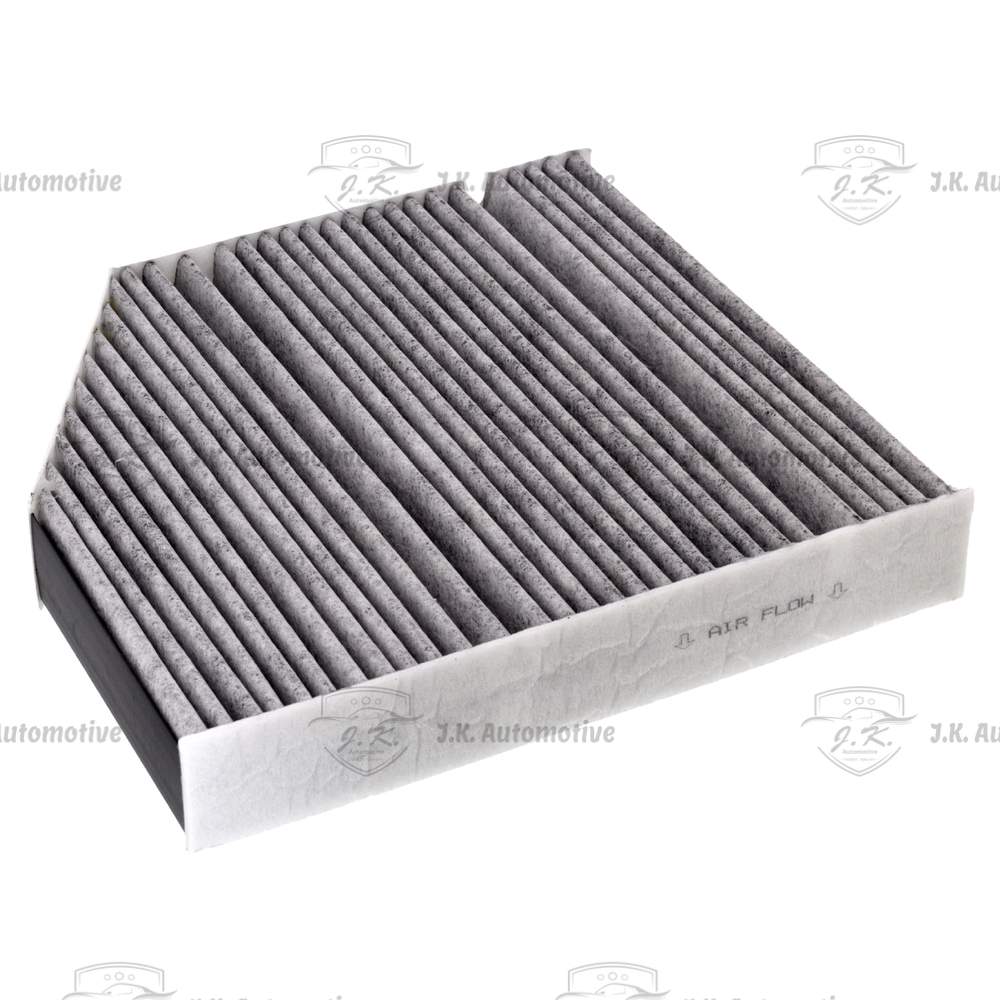
The Stokes Germany Cabin Air Filter is an aftermarket passenger-compartment filtration component advertised for the Mercedes-Benz C-Class (W205) AMG C 63 S (205.087), covering 2014 – 2021. The Stokes Cabin Air Filter Mercedes AMG C63 S W205 is intended for owners searching for an appropriate replacement filter for routine climate-control maintenance. The Mercedes-Benz AMG C 63 S is a performance-oriented vehicle, but its cabin ventilation system still requires proper filtration and periodic inspection. Every time the ventilation system draws outside air into the passenger compartment, that air may carry dust, pollen, road particles, and other suspended contaminants. These airborne particles may originate from ordinary road traffic, nearby construction activity, vegetation, or environmental dust. A properly specified cabin air filter helps capture certain particles before they travel farther through the filtered HVAC airflow pathway. This filtration function supports cleaner incoming ventilation air without suggesting that the filter can eliminate every airborne contaminant. Passengers may spend significant time inside a vehicle during daily commuting, business travel, and longer highway journeys. Maintaining the filtration system is therefore a relevant part of normal vehicle servicing. The cabin filter also serves a different purpose from the engine air filter, which handles the air supplied for combustion. The product discussed here is intended for passenger-compartment ventilation and not for the engine's air-intake system. Its advertised OEM references include A2058350147 / A4638352800 / A2058350047 / A2068350100 / A2068351400. These five references should be regarded as catalogue information requiring verification rather than proof that each part is interchangeable. The exact factory-installed HVAC arrangement must be established before choosing a replacement. The original filter should be examined for identifying markings, dimensions, and construction details. The vehicle identification number can help a specialist consult the applicable Mercedes-Benz parts records. Filter length is important because an incorrectly sized element may not seat securely within its housing. Filter width must also correspond to the intended installation space. Filter thickness may determine whether the housing cover closes correctly without deforming the media. The shape of the filter should match the original component and the ventilation housing. Appropriate sealing is important because air passing around an incorrectly fitted filter may avoid the filtration media entirely. The filtration material itself influences how different sizes of suspended particles are captured. Dirt-holding capacity determines how much contamination the filter can retain before servicing becomes necessary. Airflow resistance must remain suitable for the ventilation system so the blower can move air through the intended pathway. These characteristics should be evaluated using product-specific documentation rather than assumed from the brand name. Some cabin air filters contain activated-carbon layers that may help adsorb certain gases and odours. However, the available product title does not establish that this Stokes Germany filter contains activated carbon. Consequently, claims about odour elimination, gas filtration, or specialised allergen performance require independent technical evidence. A cabin air filter also cannot fix a malfunctioning air-conditioning compressor or restore lost refrigerant. It cannot independently repair electrical defects affecting the blower motor. It cannot correct an obstructed air-distribution flap or every cause of inadequate windshield demisting. These problems require separate inspection by a qualified technician. Routine cabin-filter maintenance nevertheless remains valuable because accumulated particulate contamination may increase the element's resistance to airflow. Some heavily loaded filters can reduce the quantity of air travelling through the filter under comparable blower settings. Replacement timing should follow the applicable Mercedes-Benz maintenance recommendations. Vehicles operating in dusty environments may require additional inspection, although no universal shortened mileage can be established from the product title. Before installation, technicians should remove loose debris from the filter housing without pushing it deeper into the ventilation system. The replacement element should be inserted in the proper orientation, following any airflow marking on the component. The housing cover and retaining clips must be secured correctly after installation. The filter should fit without cutting, trimming, or modifying its structure. JK Automotive offers this advertised Stokes Germany cabin filter listing for customers researching Mercedes-Benz maintenance components in India. Customers should confirm the exact required reference, physical dimensions, and original housing configuration before purchasing. Choosing a correctly matched replacement and following the appropriate maintenance procedure helps preserve the intended filtration function of the AMG C 63 S passenger-compartment ventilation system.
How does the Stokes Germany Cabin Air Filter help manage dust, pollen, traffic-related particles, and ventilation airflow inside the Mercedes-Benz AMG C63 S W205?
The Stokes Cabin Air Filter Mercedes AMG C63 S W205 is advertised as an aftermarket replacement component for the passenger-compartment ventilation system of the Mercedes-Benz C-Class (W205) AMG C 63 S (205.087). The supplied vehicle years are 2014 – 2021, and those years remain unchanged in this listing. A vehicle's climate-control system uses designated airflow pathways to deliver air to dashboard, footwell, windshield, and other ventilation outlets. When outside-air ventilation is selected, incoming air may pass through an appropriately positioned cabin filtration component. The surrounding atmosphere can contain particles of many different sizes and origins. Urban roads may expose vehicles to suspended traffic dust and particulate material. Construction sites can increase airborne dust near a vehicle's route. Pollen may be present during seasonal changes and in areas with vegetation. Fine particles may also be carried into the intake by surrounding air currents. A correctly specified filter helps retain certain suspended particles within its media. Capturing those particles reduces their movement through the particular airflow pathway served by the filter. The exact filtration efficiency depends on the filter's tested specifications and should not be assumed. Different media constructions may offer different performance against particular particle sizes. Filter area, media arrangement, and sealing design can influence the overall filtration process. Airflow resistance is equally relevant because the climate-control blower must move air through the filtration element. As contamination accumulates, resistance may increase, particularly when the filter becomes heavily loaded. The amount of air reaching the passenger compartment can then change under some operating conditions. However, actual ventilation airflow also depends on blower speed, duct configuration, flap positions, and other HVAC components. Replacing a filter does not guarantee stronger airflow if the underlying problem involves a blower or distribution-system fault. Correct fitment is particularly important because a smaller or incorrectly shaped filter may leave unwanted gaps. These gaps can allow outside air to bypass the filtration media rather than passing through it. The replacement element must therefore match the original component's dimensions and housing arrangement. The advertised OEM references are A2058350147 / A4638352800 / A2058350047 / A2068350100 / A2068351400. Every number must be checked against reliable manufacturer parts information for the exact vehicle. Their presence in the same catalogue title does not establish that all five numbers identify interchangeable filters. The original component should be identified through markings, physical comparison, and VIN-based manufacturer documentation. Where the installed ventilation arrangement uses more than one filtration element, the position and function of each element should also be confirmed. It is important to distinguish particulate filtration from gas or odour adsorption. Some cabin filter designs use activated-carbon media to address certain gaseous substances. Others principally serve particulate filtration. Without the actual Stokes filter specifications, no claim should be made that this product includes a carbon layer or has a particular odour-reduction performance. Road smells, interior materials, moisture, and HVAC contamination can all contribute to unpleasant cabin odours. Those problems may require separate investigation even after a fresh filter has been installed. Passenger-compartment air may also enter through open windows, doors, and other pathways that do not necessarily pass through the filter. Accordingly, the filter cannot guarantee complete removal of airborne contaminants from the cabin. The climate-control system's cooling performance depends on refrigerant, compressor operation, heat exchangers, controls, and other components. Cabin filtration does not replace the diagnosis or repair of those systems. Similarly, effective windshield demisting depends on factors such as airflow direction, humidity, ventilation performance, and air-conditioning operation. Routine filter inspection can still contribute to good HVAC maintenance by identifying excessive dirt, damaged media, or problems with the housing. Technicians should examine the original element before removing it and avoid dislodging debris into the clean airflow pathway. A suitable replacement should fit without deformation or modification. Any indicated airflow direction should be followed carefully. Housing covers and retaining clips should be reinstalled correctly. Mercedes-Benz maintenance recommendations should guide routine replacement, with additional inspection considered where operating conditions justify it. JK Automotive customers should verify the correct component before ordering this advertised Stokes Germany cabin filter. Suitable filtration and correct installation support the intended operation of the Mercedes-Benz AMG C 63 S passenger-compartment ventilation system.
What are the detailed symptoms of a clogged, contaminated, damaged, or incorrectly installed cabin air filter in the Mercedes-Benz AMG C 63 S W205?
A cabin air filter can accumulate substantial particulate contamination over its service life, especially where the vehicle is frequently driven through dusty environments. This accumulation occurs because the filtration media retains certain particles that would otherwise continue through the filtered ventilation pathway. The Stokes Cabin Air Filter Mercedes AMG C63 S W205 is advertised as a replacement component for the Mercedes-Benz C-Class (W205) AMG C 63 S (205.087), covering 2014 – 2021. Its advertised OEM references are A2058350147 / A4638352800 / A2058350047 / A2068350100 / A2068351400. These numbers require independent compatibility verification before the product is selected. A common reason to inspect a cabin filter is reduced airflow from the dashboard ventilation outlets. When a filter becomes heavily contaminated, resistance to airflow may rise. Under certain operating conditions, the blower may then move less air through that filtration pathway. A driver may notice that a familiar blower setting seems less effective than before. However, such a change does not automatically confirm that the filter is responsible. A malfunctioning blower motor can also cause reduced ventilation airflow. Electrical faults can affect blower operation. Problems with ventilation flap mechanisms may prevent air from reaching the selected outlets. Duct obstructions can produce similar symptoms. A proper diagnosis should therefore examine the full HVAC system when the complaint persists. Windshield misting may also prompt an inspection of the cabin ventilation system. Inadequate ventilation airflow can make demisting less effective in some conditions. However, cabin humidity plays a major role in condensation. Wet carpets, moisture entering the passenger compartment, and environmental weather conditions can also contribute. The performance of the air-conditioning system may influence moisture removal. A new filter cannot independently correct every cause of windshield misting. Another potential concern is unpleasant odour from ventilation outlets. A contaminated filter may be one possible contributor to certain smells. However, odours can also originate from moisture or contamination elsewhere in the HVAC system. Some odours originate inside the passenger compartment rather than in the ventilation intake. A standard particulate filter cannot be expected to eliminate every smell. Activated-carbon functionality should be confirmed before making specific odour-control claims. Excessive dust inside the filter housing can indicate that cleaning and inspection are appropriate. A filter with visibly torn media should also be assessed for replacement. Damaged sealing edges may allow air to move around the element instead of passing through it. Incorrect filter orientation can sometimes interfere with intended installation. A filter that has been forced into an unsuitable housing may deform. Deformation can compromise seating or housing closure. A loosely fitted housing cover may create further bypass or noise issues. None of these conditions should be corrected by cutting the filter or forcing the housing shut. Technicians should compare the replacement dimensions against the original element. The correct filter should sit in the intended position without modification. The existing housing should be inspected for damaged retaining clips or accumulated debris. Mercedes-Benz service information should be used to identify the prescribed replacement procedure. Dust exposure in Indian urban environments may make filter inspection especially relevant for some vehicles. Construction zones, roadside dust, and unpaved driving environments can increase particle exposure. Nevertheless, operating conditions alone do not establish a universal replacement mileage. The manufacturer maintenance schedule should remain the starting point for service planning. Vehicle identification information can help confirm which filter belongs in the actual HVAC configuration. Each advertised OEM number must be checked against authoritative parts records. If the symptom remains after a correctly specified filter is installed, further HVAC diagnosis should be performed. A cabin filter cannot repair a defective compressor, blower assembly, or electronic control module. Correct diagnosis prevents unnecessary part replacement. JK Automotive customers should identify the original filter and verify the required replacement before ordering. Timely inspection, suitable filtration, and correct installation help maintain the intended passenger-compartment ventilation function.
How can owners verify Mercedes-Benz AMG C 63 S W205 cabin filter compatibility using OEM A2058350147, A4638352800, A2058350047, A2068350100, and A2068351400?
Selecting the correct cabin air filter for a Mercedes-Benz AMG C 63 S requires more information than the broad model name alone. The advertised vehicle is Mercedes-Benz C-Class (W205) AMG C 63 S (205.087), covering 2014 – 2021. The Stokes Germany product is listed with OEM A2058350147 / A4638352800 / A2058350047 / A2068350100 / A2068351400. All five numbers are preserved exactly as supplied. However, the presence of multiple references in a product title does not independently establish that they are interchangeable. Accurate parts selection begins with identifying the exact vehicle. The vehicle identification number can help a supplier or technician access relevant manufacturer parts information. The platform designation W205 is useful, but it should not replace VIN-based verification. The variant designation 205.087 provides additional information, although the precise installed HVAC configuration must still be confirmed. The original cabin filter should be inspected whenever practical. Any part number printed on the original element may provide a useful starting point. The original filter's physical dimensions should also be recorded. Length must correspond to the correct housing dimensions. Width is equally important for proper seating. Thickness can determine whether the housing cover closes as intended. The element's shape and edge construction should also be compared. The installation position within the HVAC arrangement must be established. Some vehicle ventilation systems may use more than one filter, although the exact configuration must be confirmed for this AMG C 63 S. Filters designed for different positions should not automatically be treated as substitutes. A2058350147 requires verification against the actual vehicle configuration. A4638352800 should be checked independently. A2058350047 also requires an application-specific check. A2068350100 must be compared with authoritative manufacturer records. A2068351400 requires the same level of confirmation. The relationship between these references should be established before listing them as confirmed cross-references. Where a manufacturer has officially superseded one part number with another, that relationship should be documented. An assumed supersession is not sufficient for a reliable automotive catalogue. Product photographs may help identify general construction, but photographs alone cannot prove fitment. The actual media type may also matter when selecting a replacement. Some cabin filters contain particulate-only media. Others incorporate additional layers such as activated carbon. The correct specification should be confirmed from product-specific technical information. A filter with the wrong edge shape may not seal against the housing. An element with unsuitable thickness may interfere with the housing cover. An incorrectly sized filter may also permit bypass airflow. Forcing a mismatched element into the housing is not an acceptable solution. The original housing should be examined for damage before replacement. Retaining clips and sealing surfaces should be checked. Loose debris should be removed carefully without damaging surrounding components. Any indicated airflow arrow should be followed. The correct filter should fit securely without trimming or alteration. Housing covers should close normally. If the VIN-based parts records do not support the listed references, fitment should not be confirmed. JK Automotive customers should request verification where the original component differs from the catalogue listing. Accurate identification helps prevent returns, delays, and incorrectly performed servicing. Confirming the correct component is especially important when several similar-looking cabin filters are advertised for related Mercedes-Benz models. Reliable fitment information supports a clearer product listing and a more dependable purchasing decision.
Why should customers buy the Stokes Germany Cabin Air Filter for Mercedes-Benz AMG C 63 S W205 through JK Automotive, and what should they check before ordering online in India?
Customers searching for the Stokes Germany Cabin Air Filter for Mercedes-Benz AMG C 63 S W205 Online India can explore the advertised product through JK Automotive. The automotive spare-parts website is
https://jkautomotive.co.in/. The product listing is intended for customers researching cabin filtration components for the Mercedes-Benz C-Class (W205) AMG C 63 S (205.087), covering 2014 – 2021. The advertisement includes OEM A2058350147 / A4638352800 / A2058350047 / A2068350100 / A2068351400. These references may help customers locate the listing using part-number searches. However, they should not be regarded as confirmed interchangeable without supporting documentation. Customers should begin by checking the original cabin air filter installed in the vehicle. The exact HVAC housing configuration must be established. A workshop may use the vehicle identification number to identify the required component through manufacturer-supported records. The original filter markings can provide further information. The original filter dimensions should also be checked. Length must match the required installation space. Width should correspond to the existing filter. Thickness may affect whether the housing cover closes correctly. The filter's overall shape and edge construction should also be compared. An incorrect element may leave gaps that permit unfiltered air to bypass the media. A product photograph alone is insufficient to guarantee fitment. When the exact filter differs from the advertised component, the difference should be resolved before payment. The actual filtration media specification is another useful consideration. A particulate cabin filter helps retain certain suspended contaminants. Some cabin filters incorporate activated-carbon media for additional functions. However, this construction should not be assumed from the product title alone. Customers requiring a particular filtration function should confirm the manufacturer's technical specifications. They should also check whether the supplied product is a single element or a multiple-element package. The product title does not independently establish a complete set quantity. Any required additional cabin filtration components should be identified separately. The current selling price should be reviewed on the product page. Availability can change as stock is sold or replenished. Shipping arrangements should be checked before placing an order. Customers should also review the applicable return and warranty conditions. Professional workshops may need to confirm availability before scheduling customer servicing. The cabin filter should be installed according to the appropriate Mercedes-Benz service procedure. Loose debris should be removed from the existing housing without pushing it into the ventilation system. The replacement must fit in the original location without modification. Any airflow-direction marking should be followed. The housing cover and retaining clips should be secured correctly. If ventilation remains weak after servicing, the blower motor and air-distribution system may require inspection. If the air-conditioning system does not cool correctly, a separate cooling-system diagnosis may be necessary. A cabin filter should not be sold as a repair for every HVAC fault. Choosing a verified replacement helps reduce incorrect purchases and unnecessary servicing delays. An accurately maintained product catalogue also helps customers distinguish between different Mercedes-Benz applications. The advertised five OEM references should each be checked before being presented as confirmed equivalents. Customers should provide the required vehicle details when seeking fitment confirmation. JK Automotive's catalogue can be used to research Stokes Germany cabin filtration products and related automotive components. Buyers should select the product only after its compatibility with their vehicle has been established. Correct parts identification, appropriate installation, and scheduled maintenance support the intended operation of the Mercedes-Benz AMG C 63 S passenger-compartment ventilation system.
Why should customers consider Stokes Germany cabin air filters for Mercedes-Benz AMG C63 S W205 compared with MANN-FILTER, MAHLE, HENGST, FEBI and MEYLE?
The Stokes Cabin Air Filter Mercedes AMG C63 S W205 is an aftermarket passenger-compartment filtration product advertised for the Mercedes-Benz C-Class (W205) AMG C 63 S (205.087), covering 2014 – 2021. Customers purchasing replacement filtration products for Mercedes-Benz vehicles may encounter several established aftermarket brands. MANN-FILTER manufactures cabin air filters for a wide range of passenger-vehicle applications. MAHLE also develops automotive cabin filtration components for various vehicle platforms. HENGST supplies filtration components for selected European automotive applications. FEBI markets different types of replacement automotive filters and maintenance products. MEYLE offers filtration and other aftermarket components for compatible vehicles. Stokes Germany is another aftermarket brand customers may consider when researching the required replacement. However, the availability of a brand does not establish that it manufactures the correct filter for every Mercedes-Benz variant. The exact filter application must be verified individually for each manufacturer. The advertised Stokes Germany product lists OEM A2058350147 / A4638352800 / A2058350047 / A2068350100 / A2068351400. These references should be checked against the original required component. Their inclusion together does not establish confirmed interchangeability. A customer should not select a replacement solely because several brands advertise similar OEM numbers. Technical suitability depends on the actual filtration arrangement. The original cabin filter housing should be identified. The replacement filter must match the required dimensions. Filter length influences the fit inside the housing. Width is important for proper alignment. Thickness may affect whether the housing cover closes correctly. The filter's edge design can influence sealing against the housing. Poor sealing may permit unfiltered air to bypass the media. The filtration material is another relevant consideration. Different media designs can have different particle-retention characteristics. Some filters prioritise the capture of certain sizes of suspended dust. Others may incorporate additional material layers. Dirt-holding capacity also varies between designs. A filter must be capable of accommodating normal contamination without becoming unsuitable for service prematurely. Airflow resistance must remain appropriate for the ventilation system. Excessive resistance can affect the amount of air passing through the filter. A replacement should not be judged by particle retention alone without considering its other design requirements. Certain cabin filtration products incorporate activated-carbon layers. Such layers may provide additional adsorption functions depending on their construction. However, activated-carbon functionality has not been established for this specific Stokes product. Customers should not assume that every filter offers identical odour-control characteristics. Manufacturer-supported technical specifications should be consulted where those characteristics are important. Direct comparative laboratory testing would be necessary to establish that one particular filter outperforms another. No such test results have been established for these products here. Therefore, claims that Stokes Germany universally provides superior filtration, durability, or airflow compared with MANN-FILTER, MAHLE, HENGST, FEBI and MEYLE would be unsupported. A higher selling price does not automatically establish better filtration performance. A lower selling price does not automatically indicate inferior quality. Authenticity, documented specifications, compatibility, and installation quality should guide the purchasing decision. The vehicle's exact HVAC configuration should be identified using the VIN and reliable parts documentation. Customers should also confirm whether their installed system requires one filtration element or multiple elements. The contents of the advertised Stokes product should be checked against the seller's actual packaging and product information. The replacement must fit without cutting or forcing the element into place. Any marked airflow direction should be followed. Housing covers and retaining clips must close correctly. Routine inspection should follow the applicable Mercedes-Benz maintenance schedule. A filter replacement cannot independently correct blower motor, refrigerant, or air-distribution faults. JK Automotive customers can compare the advertised Stokes Germany product with other aftermarket options after establishing the original required filter specification. Selecting a correctly matched component is more important than relying on unsupported claims of universal brand superiority. Proper filtration, secure installation, and suitable servicing support the intended ventilation performance of the Mercedes-Benz AMG C 63 S.
What is the difference between a genuine Mercedes-Benz AMG C63 S W205 cabin air filter and a Stokes Germany aftermarket cabin air filter in terms of quality, fitment and maintenance?
A genuine Mercedes-Benz cabin air filter is supplied through the vehicle manufacturer's genuine-parts distribution network. Its intended application can be established using authoritative Mercedes-Benz parts documentation. The Stokes Germany cabin filter is marketed as an aftermarket replacement component for selected vehicle applications. Both genuine and correctly specified aftermarket cabin filters are intended to perform passenger-compartment filtration functions. However, their technical characteristics should not automatically be considered identical. The Stokes Cabin Air Filter Mercedes AMG C63 S W205 is advertised for the Mercedes-Benz C-Class (W205) AMG C 63 S (205.087), covering 2014 – 2021. Its listed references are A2058350147 / A4638352800 / A2058350047 / A2068350100 / A2068351400. Each reference requires manufacturer-supported verification. The presence of these references in the product listing does not prove that the component is identical to a genuine Mercedes-Benz filter. It also does not establish that all five references are interchangeable. Accurate comparison begins with identifying the original required component. The vehicle identification number can assist with locating the relevant Mercedes-Benz parts information. The original filter should be inspected for part markings and design characteristics. The installed HVAC housing configuration should also be confirmed. A genuine replacement should correspond to the manufacturer's specified application. An aftermarket replacement must satisfy the relevant compatibility requirements. Filter length is an important dimensional characteristic. Width and thickness must also correspond to the original installation arrangement. Filter shape must suit the intended housing. Sealing edges should contact the appropriate surfaces. Incorrect sealing can allow air to pass around the filtration media. Different manufacturers may use different materials to construct their filter elements. The number and arrangement of filtration layers can vary. Particle-retention characteristics may therefore differ between products. Dirt-holding capacity may also be different. Airflow resistance is another important design parameter. The correct balance of these characteristics depends on the intended application. Some genuine or aftermarket filters may contain activated-carbon layers. However, such construction must be established individually for the product being sold. A customer should not assume activated-carbon functionality merely because a filter is advertised as suitable for a premium vehicle. Filtration performance claims should be supported by actual technical documentation. Equivalent filtration efficiency should not be claimed without relevant comparative evidence. Packaging can differ between genuine and aftermarket suppliers. Product presentation does not independently establish filtration quality. Warranty terms may also differ between products and sellers. The current selling price can vary depending on the distribution channel. Stock availability may change over time. These commercial differences do not independently prove that one filter performs better than another. The actual product supplied should be authentic to the brand advertised. The customer should confirm the correct replacement quantity. Any required additional filters should also be identified. The original filter housing should be inspected during installation. Loose dust and debris should be removed carefully. The new element should fit without trimming or deformation. Any airflow-direction markings should be followed. Housing covers and retaining clips should be secured correctly. If the product does not match the original required component, installation should not proceed. Routine replacement should follow the applicable Mercedes-Benz maintenance schedule. Additional inspections may be useful in dusty operating conditions. However, no universal shortened replacement mileage can be established from the advertisement alone. A new cabin filter cannot repair a damaged blower motor or malfunctioning air-conditioning compressor. Persistent ventilation complaints should be assessed separately. JK Automotive customers should verify the Stokes Germany product's authenticity, original-equipment reference and technical compatibility before purchasing. A properly matched aftermarket replacement may serve the intended cabin filtration function, but its precise technical equivalence to the genuine component must be supported by evidence. Accurate identification and professional installation are essential for dependable cabin filtration maintenance.
How does the Stokes Germany Cabin Air Filter support HVAC efficiency, ventilation airflow, windshield demisting and passenger comfort in the Mercedes-Benz AMG C63 S W205?
The Stokes Cabin Air Filter Mercedes AMG C63 S W205 is advertised as a passenger-compartment filtration component intended for a compatible Mercedes-Benz AMG C 63 S ventilation system. The vehicle's climate-control arrangement performs several functions during normal driving. It manages airflow entering the passenger compartment. It directs air toward selected ventilation outlets. It also works with the air-conditioning system to influence passenger comfort. Outside air may be drawn through designated ventilation openings. This air can contain dust, pollen, and other suspended particles. A correctly specified cabin filter helps capture some of these contaminants. This reduces the movement of certain particles through the filtered airflow pathway. Suitable filtration supports the intended cleanliness of incoming ventilation air. However, actual filtration performance depends on the element's design and media characteristics. The filter cannot remove every suspended contaminant under all operating conditions. Air entering through open windows may bypass the filtration system. Air entering through open doors is also outside the filter's control. The ventilation blower generates the pressure difference needed to move air through the HVAC system. The filter introduces resistance to this airflow. A correctly specified filter must be compatible with the ventilation system's intended operating conditions. As particles accumulate, resistance through the element may increase. Heavy filter loading can reduce airflow under certain conditions. Reduced airflow may affect the quantity of air reaching dashboard and windshield outlets. However, the cabin filter is only one component within the entire ventilation circuit. The blower motor must operate correctly. Air-distribution flaps must direct air to the selected outlets. Ducting must remain unobstructed. Electronic controls must also function appropriately. A defective blower can cause weak airflow even when the filter is clean. An obstructed duct can create similar symptoms. A malfunctioning distribution flap may prevent air from reaching the intended area. Therefore, replacing the cabin filter cannot independently guarantee stronger ventilation. Windshield demisting is another important HVAC function. Moisture can condense on glass when temperature and humidity conditions permit. Ventilation airflow can assist with managing condensation. Air-conditioning moisture removal may also contribute to demisting performance. However, excessive interior humidity can still cause misting. Wet carpets or water entering the passenger compartment may contribute to the problem. A cabin filter cannot independently repair a moisture leak or defective air-conditioning system. Similarly, cooling performance depends on components such as the compressor, refrigerant circuit, heat exchangers, and controls. A new cabin filter does not automatically make the air-conditioning system produce colder air. The advertised OEM references are A2058350147 / A4638352800 / A2058350047 / A2068350100 / A2068351400. These references require verification through Mercedes-Benz parts documentation. The listed application is Mercedes-Benz C-Class (W205) AMG C 63 S (205.087), covering 2014 – 2021. The exact installed HVAC filtration housing must be identified. Replacement dimensions must correspond to the original element. Proper sealing is necessary to reduce unwanted bypass. The element's shape and thickness must suit the housing. Some cabin filters contain activated-carbon layers. However, this feature has not been verified for this product. Odour-control or gas-adsorption claims should not be made without supporting technical information. Unpleasant smells may require separate cleaning or diagnosis of HVAC components. Professional technicians should inspect the original housing before replacement. Loose debris should be removed without damaging adjacent components. The new filter should fit securely without cutting or modification. Any indicated airflow direction should be followed. The housing should close normally after installation. If weak airflow, persistent odours, or demisting problems remain, further diagnosis may be necessary. JK Automotive customers should confirm the original required filter before ordering. Suitable filtration and correct installation support the intended operation of the Mercedes-Benz AMG C 63 S passenger-compartment ventilation system.
How often should the Stokes Germany Cabin Air Filter be replaced in the Mercedes-Benz AMG C63 S W205 under Indian driving conditions, and what maintenance practices should owners follow?
The replacement interval for a Mercedes-Benz cabin air filter should be based on the applicable manufacturer maintenance recommendations. The exact vehicle and HVAC filtration configuration must first be identified. The Stokes Cabin Air Filter Mercedes AMG C63 S W205 is advertised for Mercedes-Benz C-Class (W205) AMG C 63 S (205.087), covering 2014 – 2021. Its listed OEM references are A2058350147 / A4638352800 / A2058350047 / A2068350100 / A2068351400. These references require confirmation against authoritative parts records. The product title alone does not establish one specific replacement mileage. It also does not prove that every listed reference is interchangeable. Cabin air filters gradually accumulate certain airborne contaminants during vehicle operation. Dust may collect within the filtration media. Pollen can also become trapped. Fine road particles may enter the ventilation intake. The amount of accumulated contamination depends on the filter's operating environment and usage. A vehicle driven frequently near construction activity may encounter substantial airborne dust. Unpaved roads can also increase exposure to suspended particles. Heavy urban traffic may present different particulate conditions from quieter suburban roads. Some vehicles operate mainly on highways. Others may spend considerable time in congested city environments. These different operating patterns can influence filter inspection requirements. However, they do not justify inventing one universal shortened replacement interval. The manufacturer's maintenance schedule should remain the primary reference. Additional inspections may be appropriate when operating conditions are unusually dusty. A cabin filter can require scheduled replacement even when no obvious problem is noticed. Reduced ventilation airflow may justify an earlier inspection. However, weak airflow should not automatically be attributed to a blocked filter. Blower motor faults may cause similar symptoms. Air-distribution problems can also interfere with ventilation. Obstructed ducts may require separate diagnosis. A filter with damaged or torn media should be investigated. Damaged sealing edges may permit unfiltered air bypass. Excessive debris within the housing should also be addressed. Filter colour alone is not a complete measure of remaining service life. Some contamination may be visible on the media surface. Other particles may be retained deeper within the filtration structure. Actual dirt-holding capacity depends on the individual filter design. The correct maintenance decision should therefore consider the manufacturer schedule, filter condition, and operating environment. The original cabin filter should be identified before purchasing a replacement. Vehicle identification information may assist with confirming the required component. Replacement dimensions must correspond to the original filter. The housing arrangement should be checked carefully. Any specified installation direction should be followed. Loose dust should be removed from the housing without damaging nearby components. Debris should not be pushed into ventilation passages. The new element should fit without trimming or excessive force. Retaining clips and housing covers should be secured properly. The HVAC system should then be checked for normal airflow. Persistent smells may require further cleaning or diagnosis. A new particulate filter cannot guarantee complete odour elimination. Persistent windshield misting may have several causes beyond filter condition. The air-conditioning system may require separate inspection. Owners should also follow appropriate maintenance recommendations for the complete vehicle, rather than treating a filter replacement as a substitute for scheduled servicing. Customers should confirm current product availability and specifications before ordering replacement components. JK Automotive offers the advertised Stokes Germany cabin filter for customers researching Mercedes-Benz maintenance parts in India. Correct inspection timing, verified compatibility, and professional installation support the intended ventilation function of the AMG C 63 S. Following documented manufacturer guidance is preferable to relying on an unsupported fixed mileage claim.
Where can you buy the Stokes Germany Cabin Air Filter for Mercedes-Benz AMG C63 S W205 Online India, and how can you confirm OEM compatibility before purchasing?
Customers searching for the Stokes Germany Cabin Air Filter for Mercedes-Benz AMG C63 S W205 Online India can explore the advertised product through JK Automotive. The automotive spare-parts website is
https://jkautomotive.co.in/. The listing is intended for customers researching a cabin ventilation filter for the Mercedes-Benz C-Class (W205) AMG C 63 S (205.087), covering 2014 – 2021. The advertised OEM references are A2058350147 / A4638352800 / A2058350047 / A2068350100 / A2068351400. Customers may use these numbers to locate the product through online part-number searches. Professional workshops may also search using the vehicle model and chassis designation. However, appearing in a catalogue listing does not independently establish fitment. Every advertised OEM reference should be checked against reliable manufacturer documentation. The relationship between the five references should be established before describing them as interchangeable. A customer should begin by identifying the exact vehicle configuration. The vehicle identification number can assist with locating the appropriate parts information. The original cabin filter should be examined where practical. Identifying markings on the original component may help determine the required replacement. The installed filter housing should also be checked. Different HVAC arrangements may require different component shapes or filtration positions. The replacement's length should correspond to the original element. Width must also match. Thickness can influence housing closure. The shape of the replacement must suit the intended installation location. Sealing edges must be compatible with the housing. Incorrect dimensions may permit unfiltered air bypass. Product photographs alone cannot establish complete compatibility. Manufacturer-supported cross-reference information should therefore be consulted. Any claimed OEM supersession should be supported by reliable documentation. The actual filtration media type should also be confirmed. Customers seeking activated-carbon functionality should verify that feature explicitly. It should not be assumed from the Stokes Germany brand name or vehicle application. Buyers should confirm the number of elements supplied. The product title does not independently establish whether multiple filters are included. Any additional components needed for the vehicle should be identified before placing the order. The current product price should be checked through the actual listing. Stock availability may change. Delivery arrangements and shipping charges should also be reviewed. Applicable warranty and return conditions should be understood before purchasing. Customers should not assume that every incorrectly ordered component will qualify for an unrestricted return. Professional workshops should confirm compatibility before scheduling a customer's vehicle for servicing. A correctly specified cabin filter helps retain certain airborne particles within the filtered ventilation pathway. Routine replacement helps manage accumulated dust and pollen. However, a cabin filter cannot independently fix a defective blower motor. It cannot repair a refrigerant leak. It also cannot resolve every cause of unpleasant ventilation odours. These faults may require separate diagnostic work. During replacement, the original housing should be inspected for debris or damage. Loose contamination should be removed carefully. The new element should fit without modification. Any indicated airflow direction should be followed. The housing cover should close securely. Ventilation airflow should be checked after installation. If symptoms remain, the complete HVAC system may require further inspection. A customer should verify that the supplied Stokes product matches the required original component before installation. Exact OEM matching, correct dimensions, and suitable filtration specifications are more dependable purchasing criteria than broad vehicle compatibility claims. JK Automotive's catalogue provides a way to research the advertised Stokes Germany filtration product. Customers should seek confirmation where multiple OEM references create uncertainty. Proper identification helps reduce incorrect orders and avoidable servicing delays. Correct fitment and appropriate maintenance support the intended passenger-compartment ventilation system of the Mercedes-Benz AMG C 63 S.

Reviews
There are no reviews yet.