What is the use of the Stokes Germany Fuel Filter for Mercedes-Benz CLS 320 CDI?
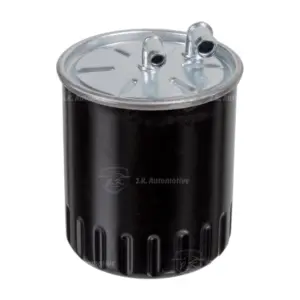
The Stokes Germany Fuel Filter helps keep the diesel fuel entering your Mercedes-Benz CLS 320 CDI clean so that the engine can work smoothly during everyday driving. Diesel fuel may contain tiny pieces of dirt, dust, rust, or water that should not reach the important parts inside the engine. This filter helps collect unwanted particles before the fuel moves further through the vehicle. Clean fuel is important because the engine needs a steady supply of diesel to start, run, and respond properly when you press the accelerator. When the fuel filter is in good condition, it supports the normal working of the fuel system and helps reduce the chance of problems caused by dirt in the diesel. Your Mercedes-Benz is designed to provide a comfortable driving experience, and proper fuel filtration is one part of keeping that experience consistent. Whether you drive through city traffic, travel on highways, or use your car for daily journeys, the fuel filter performs its job whenever the engine is running. Many car owners do not notice the fuel filter because it works quietly in the background, but it is an important maintenance item. Over time, the filter collects unwanted material from the fuel, which can make it harder for diesel to pass through freely. When this happens, the engine may receive less fuel than it needs, particularly when you accelerate or drive under heavier conditions. A restricted filter can sometimes contribute to slow engine response, difficulty starting, uneven running, or reduced driving performance. These symptoms can also have other causes, so the filter should be checked rather than immediately assumed to be faulty. Replacing an old or blocked filter with a correctly matched new filter helps restore normal fuel flow when the filter is responsible for the restriction. The Stokes Germany replacement is intended for the specified Mercedes-Benz CLS (C219) CLS 320 CDI (219.322), subject to confirmation of the correct vehicle and part details. The listed references include A6420920101, A6420920501, A6460900852, A6420920701, and A6460920701, which can help customers compare the replacement part with their vehicle requirements. The stated vehicle year range is 2004 – 2010, but the year alone should not be used to confirm compatibility. Different versions of the same car can sometimes use different replacement parts. It is therefore sensible to check the original filter number or ask a qualified parts specialist before ordering. A properly selected fuel filter supports regular maintenance and helps protect important fuel-system parts from unwanted contamination. It does not increase engine power beyond the vehicle's original design or repair unrelated engine faults. Its main purpose is to help provide cleaner diesel for normal engine operation. Drivers who want to maintain their Mercedes-Benz in good condition should include fuel-filter inspection and replacement in their regular servicing routine. If you frequently drive in heavy traffic or use fuel from different filling stations, keeping up with the recommended maintenance schedule is particularly important. The filter should be changed according to the vehicle manufacturer's service guidance or sooner if an inspection identifies a genuine problem. A qualified mechanic can also check for leaks, damaged connections, and other fuel-system issues during servicing. Keeping the fuel system clean and properly maintained can help avoid preventable problems and unnecessary inconvenience. Choosing a suitable replacement part is an important part of that process. The Stokes Germany Fuel Filter offers a replacement option for customers looking after their Mercedes-Benz CLS 320 CDI. Its practical role is straightforward: help remove unwanted contamination from diesel fuel before that fuel reaches sensitive engine parts, supporting smoother, more reliable everyday operation when installed correctly.
How can I know when my Mercedes-Benz CLS 320 CDI fuel filter needs replacement?
Your Mercedes-Benz CLS 320 CDI may show certain warning signs when its fuel filter becomes dirty, restricted, or overdue for replacement. One possible sign is that the engine takes longer than usual to start, especially after the vehicle has been standing for some time. Another possible sign is that the car feels less responsive when you press the accelerator. You may notice that the vehicle does not pick up speed as smoothly as it normally does, particularly while overtaking or travelling uphill. In some situations, the engine may feel uneven or hesitate during driving because the fuel supply is not as steady as required. A heavily restricted fuel filter can sometimes affect the engine's performance more noticeably when extra power is needed. Some drivers may experience rough running, temporary loss of power, or an engine warning message. These symptoms do not automatically mean the fuel filter is faulty because similar problems can be caused by several other components. A weak battery, fuel supply problem, damaged sensor, or other engine issue can also affect starting and driving performance. For this reason, checking the filter and fuel system is better than replacing parts based only on symptoms. Another important point is that a fuel filter can gradually become dirty without creating an obvious warning sign. Many drivers continue using their cars normally until the restriction becomes serious enough to affect performance. This is why regular servicing matters even when the vehicle seems to be working well. The replacement interval should follow the manufacturer's maintenance recommendations for your exact vehicle. A mechanic can review the service history and determine whether the fuel filter is due for replacement. If you purchased a used Mercedes-Benz CLS and do not know when the filter was last changed, it is useful to check the available service records. When records are missing, a qualified mechanic can inspect the vehicle and advise whether replacement is appropriate. Fuel quality and driving conditions can also influence how quickly a filter collects unwanted material. If fuel contains more dirt or water than expected, the filter may need attention earlier than normal. However, a replacement should be based on the correct service guidance or an actual inspection rather than a fixed guess. The Stokes Germany Fuel Filter is intended as a replacement option for the specified CLS (C219) CLS 320 CDI (219.322), subject to correct part matching. Customers should compare their original component with the supplied OEM references A6420920101, A6420920501, A6460900852, A6420920701, and A6460920701. The advertised vehicle years are 2004 – 2010, although the model year alone does not guarantee the correct fit. If the filter is confirmed to be restricted, replacing it can help restore proper diesel flow. A new filter cannot solve unrelated faults, so the vehicle should be checked again if symptoms remain after replacement. If you notice fuel leaking, a strong diesel smell, or a serious loss of power, avoid continuing to drive until the problem has been assessed safely. Fuel-related problems should be handled by someone familiar with diesel vehicles. Keeping the filter in good condition is generally easier than dealing with a breakdown caused by neglected maintenance. Paying attention to unusual starting behaviour, poor acceleration, and service reminders can help you decide when an inspection is needed. The most reliable approach is to follow the recommended service schedule, confirm the correct replacement part, and have the vehicle checked whenever its behaviour changes. This helps keep your Mercedes-Benz CLS 320 CDI ready for daily use without spending money on unnecessary replacement parts.
Is the Stokes Germany Fuel Filter suitable for Mercedes-Benz CLS (C219) CLS 320 CDI (219.322) from 2004 – 2010?
The Stokes Germany Fuel Filter is listed for the Mercedes-Benz CLS (C219) CLS 320 CDI (219.322) with the stated production year range of 2004 – 2010. However, customers should confirm the exact vehicle and original filter details before purchasing because cars within the same model range can sometimes have different parts. Mercedes-Benz vehicles are available in different versions, and changes may occur during a model's production period. Two vehicles that look almost identical from the outside may not always use exactly the same replacement filter. The easiest starting point is to check the full model details of your car. Your vehicle should be identified as a CLS 320 CDI within the C219 series, with the version reference 219.322. These details are more useful than searching only for the name Mercedes-Benz CLS. The next step is to compare the number printed on the original fuel filter or listed in the vehicle's parts information. The product includes the reference numbers A6420920101, A6420920501, A6460900852, A6420920701, and A6460920701 for comparison. These numbers are important because they help identify the correct type of replacement when verified against an appropriate parts catalogue. The presence of several reference numbers does not mean every one of them necessarily applies to every vehicle or production version. Each match should be checked for the individual car. If you do not know the original filter number, you can ask a mechanic or parts specialist to help identify it. The vehicle identification number, commonly called the VIN, can also help identify the correct replacement part. This number is unique to your car and allows an authorised service provider or knowledgeable parts seller to check its factory details. If you are buying online, providing the VIN for a compatibility check can reduce the risk of selecting the wrong filter. It is also useful to compare the appearance, connection points, and other physical details of the replacement with the original part. A fuel filter must be correctly matched because an unsuitable component may not fit, seal, or work as intended. Never force a replacement filter into place simply because the vehicle model appears in an advertisement. The Stokes Germany product is presented as an option for customers maintaining the specified Mercedes-Benz diesel model. Its role is to help filter unwanted particles from the diesel fuel before they reach sensitive parts of the fuel system. When a filter is correctly selected and installed, it can support the normal fuel supply required for everyday engine operation. The product should be fitted by a qualified mechanic familiar with the vehicle's diesel fuel system. During installation, the mechanic should also check the condition of the connections and surrounding parts. After fitting, the fuel system should be checked for proper operation and any possible leakage. If the original filter number does not match the listed references, do not assume that the part is suitable. Ask for further verification before making a purchase. Correct compatibility is more important than choosing a product based only on price, appearance, or brand name. Checking the vehicle version, model years, original part number, and VIN where necessary gives you greater confidence when ordering. For customers with a Mercedes-Benz CLS 320 CDI (219.322) listed within 2004 – 2010, the Stokes Germany Fuel Filter may be suitable once these details are confirmed. A careful fitment check helps avoid returns, installation delays, and the inconvenience of receiving the wrong spare part.
Can a new Stokes Germany Fuel Filter improve the driving performance of my Mercedes-Benz CLS 320 CDI?
A new Stokes Germany Fuel Filter may help your Mercedes-Benz CLS 320 CDI drive more smoothly if the existing fuel filter has become dirty or blocked and is affecting the supply of diesel to the engine. The engine needs a steady amount of fuel to work normally, and a restricted filter can make that supply less reliable. When the old filter becomes heavily loaded with dirt, diesel may not pass through it as easily as intended. This can sometimes cause the car to feel slow when you press the accelerator. You may notice hesitation when increasing speed or reduced response when driving uphill. In some cases, the engine may not feel as smooth as usual during everyday journeys. Replacing a confirmed restricted filter can help remove that particular cause of poor fuel flow. When normal fuel delivery is restored, the vehicle may begin responding more consistently again. However, the improvement depends on whether the previous filter was actually responsible for the problem. If the old filter was already working correctly, fitting a new one should not be expected to create a noticeable increase in power. A fuel filter is a maintenance component, not a performance upgrade designed to make the vehicle faster. It cannot increase the engine's original power rating or change the vehicle's factory performance limits. Its purpose is to help keep unwanted contamination from reaching important fuel-system parts. Maintaining cleaner diesel fuel is helpful because dirt and water can cause problems in a diesel engine's fuel system. The filter is one part of protecting those components during ordinary vehicle use. Regular replacement at the recommended interval supports the vehicle's maintenance needs even when there are no obvious driving problems. If your Mercedes-Benz starts normally, accelerates smoothly, and has no fuel-related symptoms, changing the filter when due is still sensible preventive maintenance. Preventive maintenance means looking after a part before it creates avoidable trouble. It is generally preferable to checking the filter only after the car begins losing power or becomes difficult to start. The Stokes Germany replacement is offered for the Mercedes-Benz CLS (C219) CLS 320 CDI (219.322), subject to confirming the correct fit. Customers should use the listed references A6420920101, A6420920501, A6460900852, A6420920701, and A6460920701 when checking compatibility. The stated vehicle range is 2004 – 2010, but the original part number and vehicle details should also be confirmed. If the car is experiencing poor acceleration, a mechanic should inspect the fuel system and investigate other possible causes before recommending replacement. Other faults can create similar symptoms and will not disappear simply because the fuel filter is new. For example, problems involving air supply, engine controls, or other fuel-system components may require separate repairs. A good mechanic can identify whether the filter is due for replacement and whether other work is necessary. After installation, the connections should be checked and the vehicle tested to confirm normal operation. Correct fitting is important because an improperly installed fuel filter may create starting problems or fuel leaks. Never ignore a strong diesel smell or visible leakage after servicing. The main benefit of replacing an old, restricted fuel filter is helping the fuel system return to its intended working condition. This may make everyday driving more consistent when the restriction was affecting the engine. For Mercedes-Benz CLS 320 CDI owners, keeping the fuel filter serviced is a practical way to support reliable daily performance without expecting unrealistic increases in engine power or fuel economy.
Why should I choose the Stokes Germany Fuel Filter for my Mercedes-Benz CLS 320 CDI?
The Stokes Germany Fuel Filter is a replacement option to consider when your Mercedes-Benz CLS 320 CDI needs a new fuel filter as part of its regular servicing or because the existing component has been confirmed to be faulty. Choosing a suitable fuel filter is important because it helps protect the parts that supply diesel to the engine. Fuel can sometimes contain unwanted dirt, dust, or other small particles, and the filter is designed to help stop suitable contaminants from travelling further through the fuel system. Keeping unwanted material away from sensitive components is one of the reasons manufacturers include fuel filters in diesel vehicles. A correctly selected replacement can help maintain normal filtration after the original filter has reached the end of its service life. The Stokes Germany product is listed for the Mercedes-Benz CLS (C219) CLS 320 CDI (219.322) with the stated years 2004 – 2010. The product description also provides several OEM references to assist with compatibility checks. These references are A6420920101, A6420920501, A6460900852, A6420920701, and A6460920701. Before ordering, it is important to verify that the replacement is correct for your vehicle rather than relying only on the product name. The VIN or original filter number can help a parts specialist identify the appropriate component. Once the correct match has been confirmed, you can compare the Stokes Germany option with other suitable replacements available for your vehicle. Important considerations include the seller's product information, confirmed compatibility, warranty terms, price, and availability. It is also sensible to ask about the manufacturer or supplier's quality information if you want to compare filtration performance or construction. Brand names alone do not prove that one filter performs better than another. A customer should look for reliable product information rather than assume that any replacement is identical to a genuine Mercedes-Benz component. Stokes Germany should be considered as a replacement brand, not automatically described as a Mercedes-Benz genuine part or factory supplier without independent evidence. For everyday owners, the main buying question is whether the filter is correct for their car and appropriate for the intended service. A correctly matched fuel filter supports the normal maintenance of the diesel fuel system. If your current filter is blocked, a suitable replacement may help restore normal fuel delivery after correct installation. If the existing filter is still working properly, replacing it at the scheduled service interval helps keep maintenance up to date. The product does not promise extra engine power, guaranteed fuel savings, or the repair of unrelated engine faults. Its practical purpose is to help filter diesel fuel so that the vehicle's fuel system can continue operating as intended. It should be fitted by an experienced mechanic who can check the connections and the general condition of the surrounding parts. Correct installation is important because even a suitable filter may cause trouble if it is not fitted properly. The mechanic should check for leaks and make sure the vehicle starts and runs normally after the work is completed. Customers should also review the seller's return and warranty conditions before purchasing. This is particularly useful when ordering vehicle-specific spare parts online because compatibility mistakes can lead to delays. Keeping a record of the replacement date and service details can help with future maintenance. If you are uncertain about the product, it is better to request a fitment check than to purchase based on appearance alone. The Stokes Germany Fuel Filter may be a practical choice for your Mercedes-Benz CLS 320 CDI when the part references, vehicle details, quality information, and purchase conditions meet your requirements. Choosing the correct filter and maintaining it at the recommended intervals helps support normal engine operation and reduces the likelihood of avoidable problems linked to neglected fuel filtration.
What happens if I do not replace the fuel filter in my Mercedes-Benz CLS 320 CDI?
If you do not replace the fuel filter in your Mercedes-Benz CLS 320 CDI when it is due for servicing, the filter may gradually collect more dirt and unwanted material from the diesel fuel. The fuel filter has an important job because it helps keep the diesel entering your car's engine clean. Whenever you drive, diesel passes through the filter before travelling to other parts of the fuel system. Over time, the filter can become filled with the dirt and small particles it has collected. When too much dirt builds up, the diesel may find it harder to pass through the filter. Your engine needs a regular supply of fuel to work properly during normal driving. If the fuel supply becomes restricted, you may begin to notice changes in the way your car behaves. For example, your Mercedes-Benz may take longer than usual to start in the morning. You might also notice that the engine does not respond as quickly when you press the accelerator. During highway driving, the vehicle may feel less powerful when you try to increase speed. Sometimes the engine may hesitate or feel uneven while driving through traffic. These problems can become more noticeable if the fuel filter becomes severely blocked. However, similar symptoms can happen for many other reasons, so a proper inspection is important. Continuing to drive with a badly restricted filter may cause unnecessary strain on the fuel supply system. Dirt or water in the diesel can also create problems if the fuel system is not properly protected. Some fuel-system repairs can be expensive, which makes regular servicing important. Replacing a fuel filter when recommended is generally simpler than waiting until a serious problem appears. Your Mercedes-Benz CLS 320 CDI is a premium diesel vehicle that needs suitable maintenance to continue working as intended. The Stokes Germany Fuel Filter is offered as a replacement option for the specified model when compatibility has been confirmed. It is listed for the Mercedes-Benz CLS (C219) CLS 320 CDI (219.322) with the year range 2004 – 2010. Before buying, check the original part number or ask a qualified mechanic to confirm the correct replacement. You should not wait for the car to break down before checking important servicing items. Even when your engine appears to be running normally, an old filter may already be due for replacement. The best approach is to follow the maintenance schedule recommended for your particular vehicle. A mechanic can review the condition of the filter and the vehicle's service history. If the fuel filter is blocked, installing a suitable replacement can help restore normal fuel flow. If the vehicle has other problems, those will need to be checked separately. A new filter cannot repair every engine problem, but it can help address issues caused by a restricted old filter. Regular maintenance may also reduce the chance of unexpected inconvenience during longer journeys. Taking care of small servicing requirements is a sensible way to maintain your vehicle over time. For Mercedes-Benz CLS 320 CDI owners, replacing the correct fuel filter when due helps support smooth everyday driving and the normal working of the fuel system.
Can the Stokes Germany Fuel Filter help my Mercedes-Benz CLS 320 CDI start smoothly?
The Stokes Germany Fuel Filter can help support normal engine starting in your Mercedes-Benz CLS 320 CDI by allowing properly filtered diesel to reach the fuel system. Your car needs diesel fuel to start and continue running after you turn the ignition on. The fuel must reach the engine in the correct way for the vehicle to work as intended. A fuel filter helps stop unwanted dirt and small particles from travelling further through the diesel supply system. When the filter is clean and working correctly, diesel can pass through it without an unnecessary restriction caused by collected dirt. However, when the filter becomes heavily blocked, the engine may not receive the fuel supply it needs. This can sometimes make starting more difficult than usual. You may notice that your Mercedes-Benz takes longer to start after being parked overnight. Sometimes the engine may start and then run unevenly for a short period. In other situations, the vehicle may hesitate during acceleration after it has started. These are possible signs of a fuel supply problem, but they do not prove that the filter is responsible. Starting problems can also happen because of a weak battery, a faulty starter, or other engine issues. That is why having the vehicle checked is important before buying a replacement part. If an inspection confirms that the existing fuel filter is blocked, replacing it with a suitable new filter may help improve the fuel supply. Once the restriction is removed, the engine may start and run more normally if no other faults are present. The Stokes Germany replacement is intended for the specified Mercedes-Benz CLS (C219) CLS 320 CDI (219.322), subject to checking the exact part requirements. The advertised vehicle year range is 2004 – 2010. Customers should compare the original filter information with the listed OEM references before ordering. The references include A6420920101, A6420920501, A6460900852, A6420920701, and A6460920701. The correct replacement should match the vehicle rather than simply look similar to the old component. Proper installation is another important part of getting good results. A diesel fuel filter should be fitted by someone familiar with the vehicle's fuel system. During replacement, the mechanic should follow the correct procedure to avoid air entering the system or fuel leaking from the connections. After the new filter is installed, the car should be checked to make sure it starts and runs normally. If starting difficulties continue, further inspection may be necessary. Drivers should also keep track of when the filter was last replaced. Regular servicing helps reduce the chance of a badly blocked filter being left in the vehicle for too long. It is better to maintain the fuel system regularly than to wait until the car refuses to start. A new filter should not be expected to make an already healthy engine start faster than its original design. Instead, its purpose is to help maintain the fuel conditions required for normal operation. For a Mercedes-Benz CLS 320 CDI owner, choosing a suitable replacement filter and fitting it correctly is a practical part of maintaining reliable daily use. When the old filter has been causing a restriction, replacement may help the vehicle return to its usual starting and driving behaviour.
How often should I change the fuel filter in my Mercedes-Benz CLS 320 CDI?
The fuel filter in your Mercedes-Benz CLS 320 CDI should be replaced according to the maintenance schedule recommended for your exact vehicle. A fuel filter is a servicing part, which means it is expected to be checked and replaced when required. The filter collects unwanted dirt and other particles from the diesel fuel as the vehicle is driven. Over time, these particles can build up inside the filter. Even if your Mercedes-Benz is running normally, the filter may eventually reach the end of its recommended service life. Some drivers assume that a fuel filter needs replacement only when the car develops a problem. However, waiting for starting trouble or poor acceleration is not the best way to maintain your vehicle. Regular servicing helps prevent avoidable problems before they interfere with everyday driving. The correct replacement interval can depend on the vehicle's version, service requirements, and driving conditions. Because of these differences, it is better not to follow an estimated number of kilometres without checking the official service guidance. Your owner's manual or Mercedes-Benz service information can help identify the appropriate maintenance requirements. A qualified mechanic can also review the vehicle's service history and advise when a replacement is due. If you purchased a used Mercedes-Benz CLS 320 CDI, checking the previous service records is a good starting point. These records may show when the fuel filter was last replaced. If the records are missing, a mechanic can assess the vehicle and recommend a suitable maintenance plan. Fuel quality may also affect how quickly unwanted material collects inside a filter. If the diesel contains more contamination than expected, the filter can become restricted earlier than normal. This does not mean that every car needs frequent filter replacement without inspection. It simply means that the vehicle's actual condition should be considered along with the recommended service schedule. The Stokes Germany Fuel Filter is listed as a replacement option for the Mercedes-Benz CLS (C219) CLS 320 CDI (219.322). The advertised model years are 2004 – 2010. Before ordering, customers should check the original filter number or confirm fitment using their vehicle details. The listed OEM references can assist with this comparison, but the exact match should still be verified. Having the correct filter fitted is important because an unsuitable replacement can create fitting or fuel supply problems. A qualified mechanic should carry out the replacement and check the connections after installation. It is also useful to record the date and distance travelled when the new filter is fitted. This information can help you plan future maintenance without guessing. If your car begins taking longer to start or loses power unexpectedly, do not automatically assume that the filter is overdue. Have the fuel system and other possible causes checked properly. If the filter is found to be restricted, replacing it may help restore normal diesel flow. The goal of regular filter maintenance is not to increase the car's original power but to keep the fuel system working as intended. Following the correct service interval helps you look after your Mercedes-Benz without spending money on unnecessary parts. For everyday owners, the simplest rule is to follow the manufacturer's service advice and replace the fuel filter when due or when a genuine problem has been identified.
Can I install the Stokes Germany Fuel Filter myself in my Mercedes-Benz CLS 320 CDI ?
The Stokes Germany Fuel Filter should preferably be installed by a qualified mechanic who understands the diesel fuel system in your Mercedes-Benz CLS 320 CDI. Although replacing a fuel filter may sound like a simple job, it is important to make sure the correct part is selected and fitted properly. The filter is connected to the system that supplies diesel fuel to the engine. If a connection is not fitted correctly, fuel may leak or the engine may have difficulty starting. Diesel fuel should always be handled carefully because leaks can create safety and vehicle maintenance problems. A trained mechanic has the experience and suitable equipment to carry out the work correctly. Before replacing the filter, the mechanic should first confirm that the new part matches your vehicle. The product is listed for the Mercedes-Benz CLS (C219) CLS 320 CDI (219.322) within the stated years 2004 – 2010. However, the model and year alone should not be treated as complete confirmation of compatibility. The original filter number or vehicle identification details should also be checked. The advertised references include A6420920101, A6420920501, A6460900852, A6420920701, and A6460920701. These numbers can help a parts specialist compare the replacement with the correct vehicle requirements. Once the suitable filter has been identified, the mechanic can prepare the vehicle for replacement. Care must be taken to avoid allowing dirt to enter the exposed fuel connections. Keeping the surrounding area clean is important because the purpose of the filter is to help prevent unwanted material from reaching sensitive parts. During the replacement, the old filter should be removed using the correct procedure for the vehicle. Any seals or fitting parts required by the replacement instructions should be checked carefully. The new filter must be installed securely and connected properly. The mechanic may also need to follow the vehicle's correct fuel-system preparation procedure before starting the engine. This helps avoid unnecessary starting difficulties after the replacement. Once the work is completed, the mechanic should inspect the connections for possible leaks. The engine should then be checked to make sure it starts and runs normally. If any diesel smell, fuel leakage, or unusual engine behaviour appears, the problem should be inspected immediately. Trying to repair fuel connections without suitable knowledge can create further difficulties. Some experienced car owners may understand routine servicing, but a modern diesel fuel system still requires appropriate care. For someone without mechanical experience, professional installation is the safer choice. It also gives you the opportunity to have the existing fuel system checked for other visible problems. If the vehicle has been showing poor acceleration or difficult starting, the mechanic can investigate whether the filter was the actual cause. Replacing a filter should not be treated as a guaranteed solution for every fuel-related symptom. Customers should also keep the purchase details and service record after installation. These details may be helpful when reviewing maintenance history or checking the seller's warranty conditions. The main aim is to install the correct filter without damaging any connections or creating leaks. For Mercedes-Benz CLS 320 CDI owners, having a suitable Stokes Germany Fuel Filter fitted by a knowledgeable professional is a sensible way to support proper fuel-system maintenance.
Is the Stokes Germany Fuel Filter better than a MANN-FILTER for Mercedes-Benz CLS 320 CDI (219.322)?
Choosing between the Stokes Germany Fuel Filter and a suitable MANN-FILTER replacement for your Mercedes-Benz CLS 320 CDI depends on which product meets the requirements of your vehicle and what information is available about each filter. Both brands may be considered when looking for replacement fuel filters, but the correct part must first be confirmed for your car. The fuel filter has an important role because it helps remove unwanted dirt and other contamination from the diesel fuel. Clean diesel is important for the normal working of the engine's fuel supply system. A good replacement should fit correctly, seal properly, and provide suitable filtration for the vehicle. The Stokes Germany Fuel Filter is advertised for the Mercedes-Benz CLS (C219) CLS 320 CDI (219.322) with the year range 2004 – 2010. The listed references include A6420920101, A6420920501, A6460900852, A6420920701, and A6460920701. These details should be checked against the original filter or a reliable vehicle parts catalogue before buying. A MANN-FILTER replacement should also be checked using its own exact part number and official compatibility information. It is not enough to choose a filter simply because both products are described as suitable for Mercedes-Benz vehicles. Different models and versions may use different filters, even when they belong to the same vehicle family. If you are comparing the two brands, begin by checking which exact replacement is approved or specified for your car. Next, look at the available product information, including construction, filtration details, and any published testing or quality information. It is not possible to say that Stokes Germany removes more dirt or lasts longer than MANN-FILTER without reliable results comparing the exact two products. Similarly, a higher price does not automatically mean that a filter will work better in your particular vehicle. Customers should avoid making a decision based only on packaging, brand names, or promotional claims. MANN-FILTER is an established filtration brand with published information about many of its products, which can help customers evaluate an exact replacement. Stokes Germany can be considered when the specific filter's compatibility and product details have been confirmed. If the Stokes Germany option is available at a suitable price, it may be worth comparing with the corresponding MANN-FILTER product. However, price should not be the only consideration because the filter needs to perform an important maintenance function. Check whether the seller provides clear product identification and appropriate warranty or return terms. It is also important to purchase from a dependable supplier that can answer questions about compatibility. A filter that is correctly matched and properly installed is more useful than one chosen without checking its specifications. The mechanic fitting the filter should follow the correct installation procedure and check for leaks afterward. If an old filter has become blocked, replacing it with either suitable option may help restore normal fuel flow. Neither brand should be expected to increase the engine's original power or repair unrelated mechanical faults. Regular replacement at the recommended service interval remains important regardless of the brand you choose. If you are uncertain, ask your mechanic which exact filter is suitable for your Mercedes-Benz CLS 320 CDI. You can also compare the original part number with the product references before placing an online order. If both products are confirmed compatible, review the available evidence about their quality, warranty support, and price. There is no reliable basis here to declare Stokes Germany better than MANN-FILTER in every situation. For your Mercedes-Benz CLS 320 CDI, the better purchase is the correctly matched fuel filter that meets the vehicle's requirements and comes with dependable product information. This approach helps you make a sensible buying decision without relying on unsupported brand comparisons.



Reviews
There are no reviews yet.