What is the Stokes Germany Air Filter for Mercedes-Benz CLS 320 CDI (219.322), and why is it important?
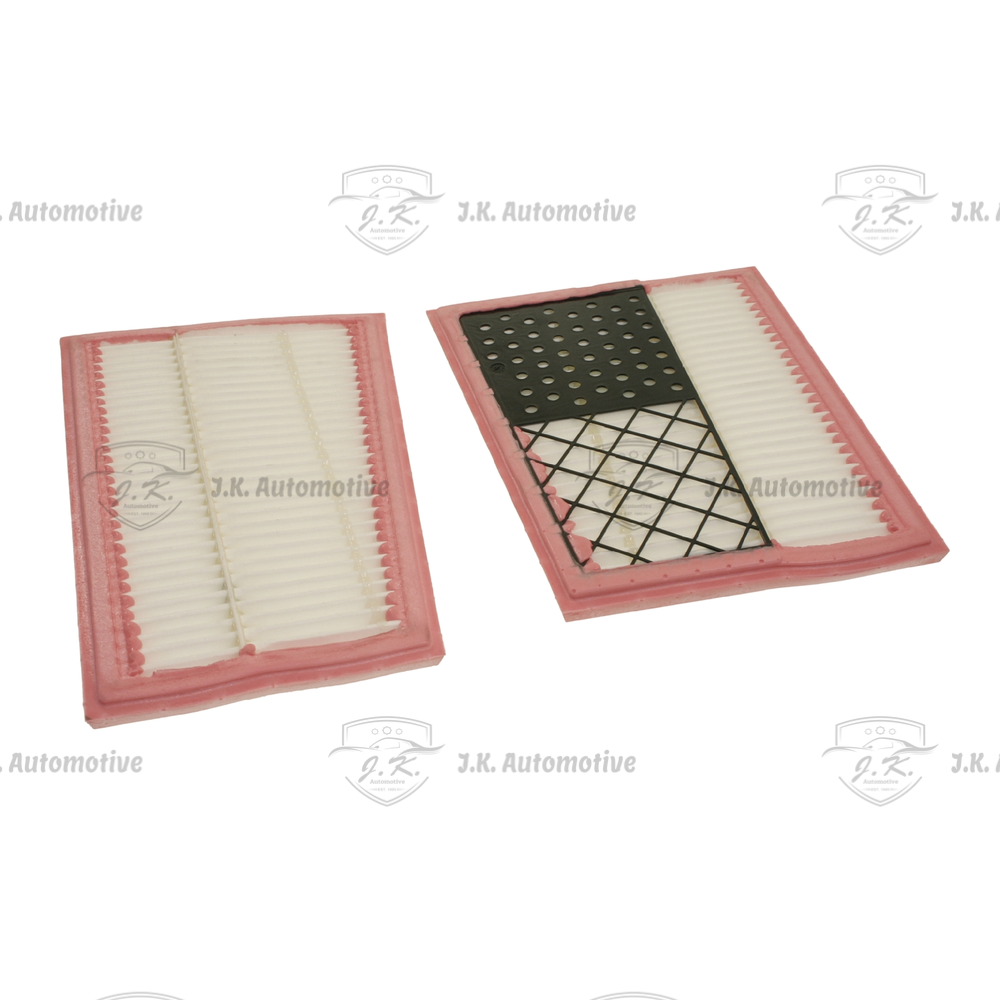
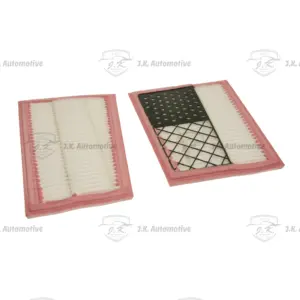
The Stokes Air Filter CLS 320 CDI 219.322 A6420942804 is a replacement engine air filter intended to help capture dust, dirt and suitable airborne particles before they travel farther into the engine intake system of your Mercedes-Benz CLS 320 CDI. Your Mercedes-Benz CLS (C219) CLS 320 CDI (219.322) uses a 3.0-litre V6 turbocharged diesel engine. This engine requires a suitable supply of air for normal diesel combustion. Whenever the engine runs, outside air enters through the vehicle's intake system. The surrounding air may contain road dust, sand, pollen and small particles from construction activity. The air filter helps trap suitable particles within its filtering material. This reduces the amount of unwanted dirt continuing towards the engine. Imagine driving your CLS 320 CDI through busy city traffic with dusty road conditions. The engine continues drawing outside air even when the car is moving slowly. The filter performs its normal filtration function throughout this journey. The OM642 diesel engine also uses a turbocharger as part of its intake system. Correct filtration is important because unwanted abrasive particles should not freely enter the intake or reach sensitive components. However, a normal air filter cannot remove every possible contaminant from outside air. Its effectiveness depends on the filter material, construction and condition. As dust accumulates, resistance to airflow may gradually increase. A heavily restricted filter may require replacement according to the vehicle's servicing requirements. The Stokes Germany replacement is listed for CLS 320 CDI (219.322) from 2004 – 2010. Its supplied OEM references are A6420942804, A6420942104, A6420940304 and A6420940204. These references should be checked against the original filter before ordering. The Mercedes-Benz intake arrangement can use separate left-side and right-side air-filter elements. The A6420942804 application is identified as a left-side element. Therefore, customers should not assume that a single filter automatically replaces both intake filters. Your mechanic should confirm the required position and quantity. The replacement should fit securely inside its original housing. An incorrectly fitted filter may allow dirt to bypass the intended filtering material. A new engine air filter does not automatically increase horsepower or guarantee better diesel mileage. Its main purpose is to maintain normal air filtration. For CLS 320 CDI owners, choosing the correct replacement and servicing both intake positions as required are important parts of maintaining the diesel engine.
What are the common symptoms of a dirty or blocked air filter in your Mercedes-Benz CLS 320 CDI?
A dirty or heavily restricted engine air filter may affect normal intake airflow in your Mercedes-Benz CLS 320 CDI, but the filter does not always produce obvious symptoms when replacement is due. Many owners continue driving normally while the filter gradually collects dust. This is why scheduled servicing is important. One possible symptom of severe intake restriction is reduced response during acceleration. For example, you may press the accelerator and notice that the vehicle feels less responsive than usual. However, a dirty air filter is only one possible cause of this complaint. Turbocharger control faults, damaged intake hoses, fuel delivery problems and electronic sensors may produce similar symptoms. A qualified mechanic should investigate the actual cause rather than guessing. Some drivers may also notice changes in diesel consumption. A heavily blocked filter can affect normal intake conditions, but replacing it cannot guarantee a particular mileage improvement. Driving habits, traffic conditions, vehicle loading and engine condition also influence fuel consumption. Another reason to replace a filter is visible contamination during routine servicing. The mechanic may find a significant amount of dust, leaves or road debris inside the old element. If the filtering material is damaged or severely contaminated, a new component may be required. A torn air filter may no longer provide its intended filtration. The workshop should also inspect the air-filter housing and sealing edges. A damaged housing may allow unwanted air to pass around the filter. An engine warning light should not automatically be interpreted as an air-filter problem. Diesel engines can display warnings for many unrelated issues. The Stokes Air Filter CLS 320 CDI 219.322 A6420942804 is listed with four supplied OEM references. These references must be verified against the original equipment. The replacement should be identified by the correct left-side or right-side application. A separate filter may be required for the opposite intake position. Your mechanic should inspect the complete intake arrangement during maintenance. A new filter cannot repair a faulty turbocharger or damaged intake sensor. If performance problems continue after filter replacement, additional diagnosis is necessary. For CLS 320 CDI owners, correct air-filter servicing is useful maintenance, but unusual diesel engine symptoms require proper investigation.
How does the Stokes Germany Air Filter help maintain the OM642 V6 turbo diesel engine in your Mercedes-Benz CLS 320 CDI?
The Stokes Air Filter CLS 320 CDI 219.322 A6420942804 helps maintain the intended intake-air filtration required by the Mercedes-Benz OM642 V6 turbo diesel engine. The CLS 320 CDI (219.322) uses the OM642.920 engine application. This engine depends on a suitable supply of air and diesel fuel for normal combustion. Its intake system also includes turbocharging components. The filter helps capture suitable airborne dirt before incoming air travels farther through that system. Dust and fine sand are undesirable because abrasive contamination can affect mechanical components. Imagine driving on a highway behind construction vehicles. Small particles may become airborne and reach the engine intake openings. The air-filter material helps capture appropriate particles as the engine draws air. This supports the normal filtration function of the intake system. However, it is not accurate to claim that a filter completely eliminates all contamination. Filtration performance varies according to the material and condition of the specific product. The filter must also allow the airflow required by the engine. A heavily contaminated element can increase airflow resistance. Regular inspection helps identify when replacement is required. The Stokes Germany product is listed under references A6420942804, A6420942104, A6420940304 and A6420940204. These numbers help identify the intended replacement application. Mercedes-Benz identifies A6420942804 as a left-side air-filter element. The vehicle's intake arrangement can also require a separate element on the opposite side. This distinction is important because an incomplete replacement may leave an overdue filter installed. Before ordering, customers should check the quantity and positions of the required elements. The mechanic should inspect the original filters and housings. Each replacement must have the correct size and sealing arrangement. The airbox must close securely after installation. A new air filter cannot repair worn turbocharger components or existing diesel injection faults. It does not automatically increase the engine's original output. Proper maintenance also includes engine oil, fuel filters and other service components. For CLS 320 CDI owners, correctly matched intake filters help maintain normal OM642 diesel engine filtration during everyday driving.
Will the Stokes Germany Air Filter OEM A6420942804 / A6420942104 / A6420940304 / A6420940204 fit every CLS 320 CDI (219.322) from 2004 – 2010?
The Stokes Germany Air Filter is listed for Mercedes-Benz CLS (C219) CLS 320 CDI (219.322) from 2004 – 2010, but the model and year range alone cannot guarantee compatibility with every individual vehicle. The CLS 320 CDI belongs to the Mercedes-Benz C219 model family. Its 219.322 variant is associated with the OM642.920 V6 turbo diesel engine. The current product title includes OEM references A6420942804, A6420942104, A6420940304 and A6420940204. These references help identify a particular air-filter replacement application. However, customers should not assume that every reference represents the complete engine air-filter set. Some diesel intake systems use separate filter elements for the left and right sides. Mercedes-Benz identifies A6420942804 as a left-side filter element. The opposite side may require a different part number. Imagine searching online for an air filter and finding two products for the same CLS 320 CDI model. One listing may contain A6420942804, while another contains A6420943004. Both may be relevant to servicing the same engine but intended for different positions. These filters should not be treated as interchangeable simply because they belong to the same engine family. A qualified mechanic should inspect the original air-filter housings. The vehicle VIN can also help a parts specialist identify the original components. The replacement must match the intended location, dimensions and sealing arrangement. An incorrectly sized filter may not fit properly. A filter that leaves gaps may allow unwanted dirt to bypass its material. The Stokes Air Filter CLS 320 CDI 219.322 A6420942804 is listed as JK Automotive SKU ST1300. A separate Stokes Germany product is listed under SKU ST1301 for another air-filter reference group. These separate catalogue entries make the position and replacement specification particularly important. Customers should verify whether they are purchasing one element, a pair or a complete service package. The supplied 2004 – 2010 years should remain unchanged in the product title. However, the actual CLS 320 CDI (219.322) production application is narrower than this overall C219 year range. Vehicle VIN and original-filter identification provide more precise fitment information. If the intake arrangement has been modified, physical verification is especially important. A replacement should never be forced into an unsuitable housing. For CLS 320 CDI owners, correct left-right identification and OEM matching are essential before purchasing.
Why should you replace the engine air filter instead of cleaning and reusing the old filter in your Mercedes-Benz CLS 320 CDI?
Replacing the engine air filter when required helps maintain the intended intake filtration of your Mercedes-Benz CLS 320 CDI diesel engine. The filter captures suitable road dust, sand and other airborne particles during normal driving. Over time, these contaminants accumulate within the filtering material. An excessively dirty filter may increase resistance to airflow. Some owners wonder whether the filter can simply be cleaned instead of replaced. However, many conventional engine air filters are disposable maintenance components. They are not necessarily designed for washing or cleaning with strong compressed air. Incorrect cleaning can damage the filtering material or disturb trapped particles. Washing a filter that is not designed for washing may affect its construction. Even after visible dust has been removed, smaller particles may remain within the material. Damaged sealing edges can also affect filtration. Cleaning should therefore only be attempted when expressly permitted by the filter manufacturer. Imagine taking your CLS 320 CDI to a workshop after regular use on dusty roads. The mechanic removes the existing filter and discovers significant contamination. If replacement is required, fitting a correctly specified new element is generally appropriate. The mechanic should inspect both relevant intake filter positions. The left-side and right-side components may have different part numbers. This means buying a single replacement may not complete the intended service. The Stokes Air Filter CLS 320 CDI 219.322 A6420942804 is listed under references A6420942804, A6420942104, A6420940304 and A6420940204. These should be compared with the original element in the intended position. The workshop should confirm the Stokes Germany package quantity before ordering. Loose debris should be removed carefully from the housing. Care must be taken to prevent dirt from entering the intake while the filter is removed. The replacement should fit securely without modifying the housing. A new air filter cannot repair turbocharger damage or defective fuel injectors. It also cannot guarantee better diesel mileage. Keeping maintenance records helps determine when the filter was last replaced. Additional inspection may be appropriate after prolonged driving in dusty conditions. For CLS 320 CDI owners, correct replacement is generally more reliable than attempting unapproved cleaning of a disposable filter.
How often should you replace the Stokes Germany Air Filter in your Mercedes-Benz CLS 320 CDI, especially on dusty Indian roads?
The Stokes Air Filter CLS 320 CDI 219.322 A6420942804 should be replaced according to the maintenance schedule and actual filter condition of your Mercedes-Benz. A universal mileage interval should not be applied without checking the vehicle's proper service requirements. Your CLS 320 CDI uses an OM642 V6 turbo diesel engine that requires appropriately filtered intake air. Some owners drive mainly on highways, while others regularly travel through city traffic. Dusty roads and construction areas can increase the amount of contamination entering the air-filter system. Vehicles regularly used in such conditions may benefit from additional inspection. However, driving through a dusty area does not automatically require immediate replacement. The decision should depend on the manufacturer's servicing guidance and filter condition. Imagine driving your CLS 320 CDI through Mumbai traffic every day. The engine continues drawing air whenever it operates. Dust from the surrounding environment may reach the intake opening. The air filter helps capture suitable particles before they continue through the system. Over time, dirt accumulates within the material. An excessively restricted filter may affect normal intake airflow. However, your car may continue running normally even after replacement becomes due. This is why waiting for hesitation or poor engine response is not a good maintenance strategy. Previous service invoices can help identify the last filter replacement. If the vehicle has incomplete records, a mechanic should inspect the original elements. The Stokes Germany product is identified with OEM references A6420942804, A6420942104, A6420940304 and A6420940204. The correct filter location must also be confirmed. A6420942804 is associated with the left-side air-filter application. The opposite intake position may require a separate filter. Both filter positions should be considered when planning complete intake maintenance. The actual package contents should be checked before purchasing. The technician should inspect the filter housings for damage and loose debris. Cleaning methods should only be used when approved by the manufacturer. A new filter cannot guarantee increased horsepower or improved fuel consumption. For CLS 320 CDI owners, scheduled maintenance and appropriate inspection are more dependable than waiting for obvious symptoms.
Can a blocked air filter affect turbocharger response, acceleration or diesel consumption in your Mercedes-Benz CLS 320 CDI?
A severely restricted air filter may affect the normal intake airflow of your Mercedes-Benz CLS 320 CDI, but changes in turbocharger response, acceleration and fuel consumption can have other causes. Your CLS 320 CDI uses an OM642 turbocharged V6 diesel engine. The engine depends on suitable incoming air for combustion. The intake air filter helps capture dust and unwanted airborne particles before air continues through the system. As particles accumulate, the filtering material may gradually become more restricted. Excessive restriction can affect normal airflow under certain operating conditions. For example, you may notice slower acceleration when pressing the accelerator. However, this symptom does not automatically mean that the air filter is blocked. Turbocharger control problems, intake leaks, electronic sensor faults and fuel-system issues can produce similar complaints. The vehicle should therefore be diagnosed rather than repaired through guesswork. Some owners also notice a change in diesel consumption. A heavily blocked filter may contribute to abnormal intake conditions, but a new filter cannot guarantee a particular improvement in mileage. Traffic, driving habits, tyres and engine maintenance also affect consumption. A replacement air filter cannot increase the original rated power of the engine. Its purpose is to maintain normal intake filtration. The Stokes Air Filter CLS 320 CDI 219.322 A6420942804 is listed for a specific reference group. That group includes A6420942804, A6420942104, A6420940304 and A6420940204. Before replacement, the mechanic should check the original filter and intended installation position. The left and right intake filters may be different components. The complete intake arrangement should therefore be inspected during servicing. Incorrectly installing a filter may leave gaps around its sealing edges. These gaps may allow dirt to bypass the filtering material. A damaged intake hose may require separate repair. A new filter cannot repair a defective turbocharger actuator or an unrelated sensor problem. If the vehicle continues showing acceleration problems after replacement, further diagnosis is required. A dashboard engine warning should also be investigated independently. For CLS 320 CDI owners, correct filtration is important, but unusual turbo diesel performance complaints require a qualified mechanic.
Is the Stokes Germany Air Filter suitable for city driving, long highway journeys and monsoon conditions in your Mercedes-Benz CLS 320 CDI?
The Stokes Air Filter CLS 320 CDI 219.322 A6420942804 is intended to perform its normal engine air-filtration function during different driving conditions when correctly matched to the vehicle. Your Mercedes-Benz CLS 320 CDI may be used for city commuting, highway travel and journeys during the monsoon season. In every situation, its turbo diesel engine requires a suitable supply of filtered air. The air filter helps capture dust, sand and suitable airborne particles before they travel farther into the intake system. During city driving, construction activity and traffic can create airborne dust. The filter helps reduce appropriate dirt entering through the intake. During highway travel, the engine may operate continuously for longer periods. The air-filter system continues performing its filtration function during that operation. Imagine leaving Mumbai for a longer journey in your CLS 320 CDI. The vehicle may encounter changing road surfaces, traffic conditions and weather. The filters continue capturing suitable particles as the engine draws outside air. Over time, contamination accumulates within the elements. A heavily dirty or damaged filter may require replacement following inspection. The manufacturer's service schedule remains important throughout the year. During the monsoon, the condition of the engine intake housing also matters. The housings should be correctly assembled and securely closed. Damaged seals or loose connections may permit unwanted debris to enter. However, an ordinary engine air filter is not a waterproof barrier against flooded roads. Water entering the engine intake can cause serious mechanical damage. Drivers should avoid water deep enough to threaten the intake opening. If significant water exposure is suspected, professional inspection may be needed before restarting the engine. The Stokes Germany product carries references A6420942804, A6420942104, A6420940304 and A6420940204. These should be checked against the original equipment. The A6420942804 reference identifies a left-side application. The opposite intake position may need a separate replacement. Correct filter positions and quantities should be verified before servicing. A new air filter does not guarantee additional turbocharger power or lower diesel consumption. For CLS 320 CDI owners, correct installation and regular maintenance remain important throughout different driving conditions.
What is the difference between Stokes Germany air filters ST1300 and ST1301 for Mercedes-Benz CLS 320 CDI (219.322)?
JK Automotive lists two Stokes Germany engine air-filter products for Mercedes-Benz CLS 320 CDI (219.322), identified as ST1300 and ST1301. Both listings belong to the same diesel vehicle application, but they contain different primary OEM references. ST1300 is listed with A6420942804, A6420942104, A6420940304 and A6420940204. ST1301 is listed with A6420943004, A6420942204, A6420940304 and A6420940204. The two products should not automatically be treated as identical simply because the vehicle model is the same. Mercedes-Benz uses separate filter elements for the left and right sides of certain OM642 diesel intake arrangements. The A6420942804 reference is identified as a left-side air-filter element. The A6420943004 reference belongs to a different air-filter element application that must be verified for the opposite position. Imagine taking your CLS 320 CDI for a complete engine air-filter service. Your mechanic opens the intake housing and identifies separate elements. Both may need replacement according to their condition and maintenance schedule. However, each replacement must match its intended location. A filter designed for one side should not be forced into the other side. The dimensions and sealing arrangements may be different. This is why two separate catalogue listings can be useful. Customers should check the original part numbers on both existing filters. The vehicle VIN can also help a parts specialist identify the correct components. The Stokes Air Filter CLS 320 CDI 219.322 A6420942804 is associated with the ST1300 listing. The ST1301 product should be assessed independently against its own reference group. Both listings may contain some common historical cross-reference numbers. That overlap does not establish that their complete physical configurations are interchangeable. Customers should also confirm whether either listing contains more than one element. A single filter should not be described as a complete two-element set without checking the actual package. The original 2004 – 2010 year range should remain unchanged in the current catalogue title. However, accurate fitment should depend on the actual intake arrangement rather than the broad year range alone. If the vehicle's intake system has been modified, physical inspection is especially important. Both elements should be installed with the correct sealing and orientation. For CLS 320 CDI owners, distinguishing ST1300 from ST1301 helps avoid ordering the wrong side of the engine air-filtration system.
Is Stokes Germany better than MANN-FILTER or MAHLE for the Mercedes-Benz CLS 320 CDI (219.322) Air Filter A6420942804 / A6420942104 / A6420940304 / A6420940204?
Stokes Germany, MANN-FILTER and MAHLE are brands customers may compare when buying replacement engine air filters for their Mercedes-Benz CLS 320 CDI (219.322). However, choosing the best filter requires comparing the exact replacement products rather than assuming one manufacturer is always better. Stokes Germany is the brand offered by JK Automotive for the ST1300 listing. Its supplied references are A6420942804, A6420942104, A6420940304 and A6420940204. MANN-FILTER and MAHLE are established automotive filtration manufacturers offering replacement products for many Mercedes-Benz diesel engines. Suitable alternatives may be considered when exact compatibility has been verified. The first important factor is correct fitment. The CLS 320 CDI uses an OM642 turbocharged diesel engine with an intake arrangement that can require separate left-side and right-side filters. The A6420942804 reference corresponds to a left-side filter application. A filter from another brand must match that exact intended position. A visually similar product is not necessarily interchangeable with the opposite-side element. Correct dimensions and sealing edges are important. Another factor is filtration performance. A suitable air filter should capture the particles it is designed to remove while allowing the required intake airflow. Filtering material, airflow resistance and construction can differ between individual products. A fair technical comparison requires reliable manufacturer specifications or appropriate testing. Without such evidence, it would be misleading to claim that Stokes Germany always filters better than every MANN-FILTER or MAHLE alternative. Customers should also compare package quantities. One supplier may sell a single left-side filter, while another may sell a pair as part of a service package. Comparing prices without checking the contents can be misleading. Imagine your CLS 320 CDI is due for its next air-filter service. The mechanic checks the original filters and identifies the required positions. Several verified brand options may then be available. Stokes Germany may offer suitable value when its quality and fitment are confirmed. A matching MANN-FILTER or MAHLE product may also be appropriate. Genuine product availability, warranty terms and documented specifications should guide the decision. A higher price does not automatically guarantee superior filtration. An affordable replacement may also be suitable when it meets the required specifications. Correct installation remains important regardless of brand. A new air filter cannot repair an existing turbocharger fault or guarantee improved diesel consumption. Its main purpose is to maintain normal engine intake filtration. For CLS 320 CDI owners, correct left-right fitment, product authenticity and reliable technical specifications matter more than unsupported claims of brand superiority.





Reviews
There are no reviews yet.