What is the purpose of this Stokes Germany Cabin Air Filter?
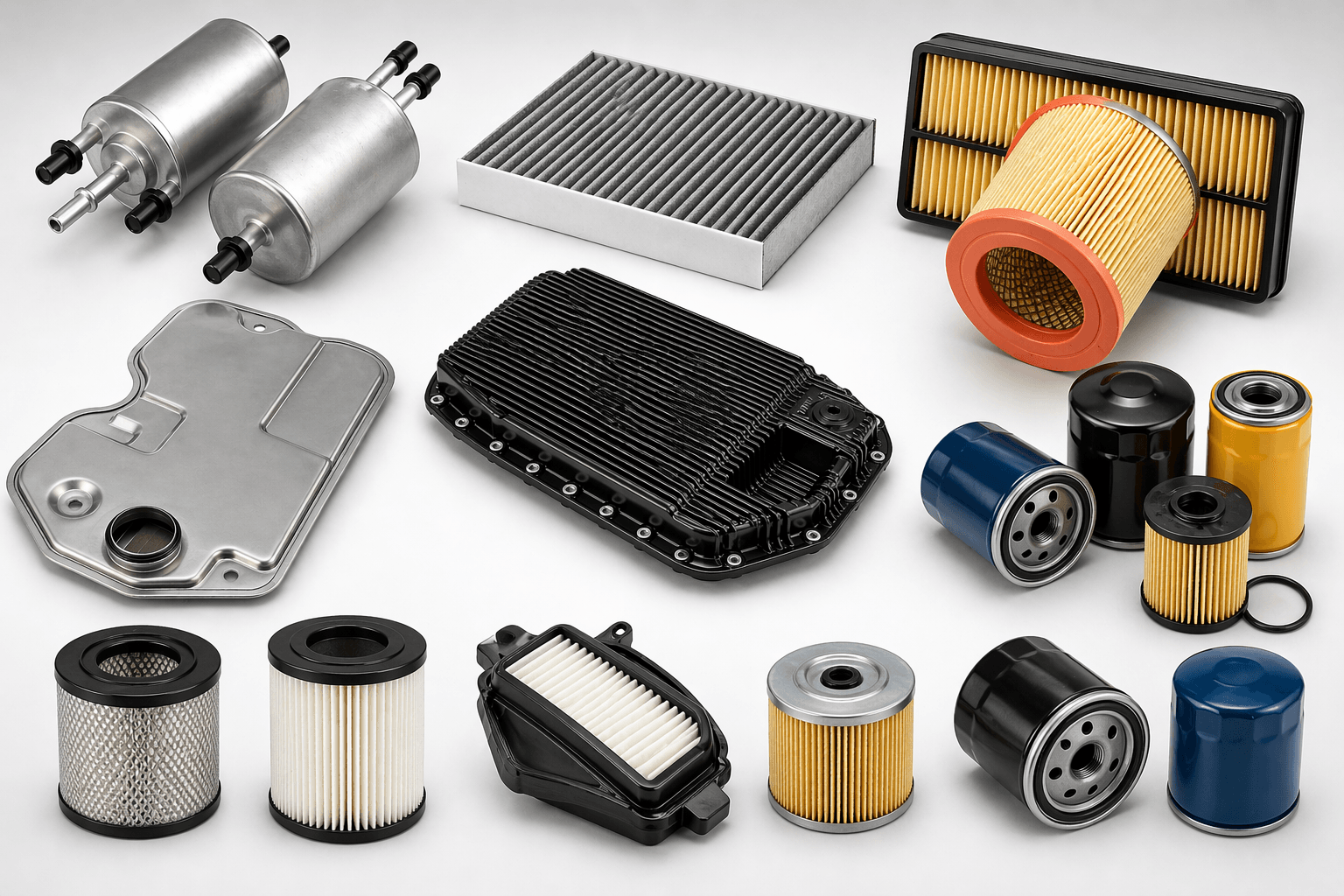
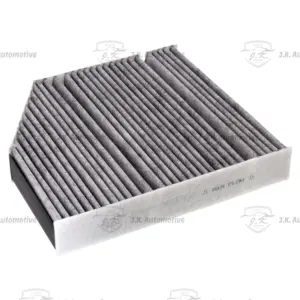
The Stokes Germany Cabin Air Filter is a replacement filtration component listed for the Mercedes-Benz C-Class T-Model (S206) C 300 E (206.254), with the supplied year range of 2015 – 2021. Its intended purpose is to help capture airborne dust, pollen and other particulate contaminants entering the vehicle's passenger compartment through the heating, ventilation and air-conditioning system. Cabin air filters are different from engine air filters because they serve the passenger ventilation circuit rather than the engine combustion intake. When the ventilation system draws outside air into the vehicle, the cabin filter helps reduce the amount of specified airborne material entering through that airflow path. The effectiveness of filtration depends on the actual filter media, its condition and correct installation. The filter must fit securely within the designated housing so that air follows the intended filtration route. As the vehicle is driven through traffic, dusty roads and polluted environments, particles may gradually accumulate within the filter media. Excessive contamination can restrict ventilation airflow and make routine filter maintenance necessary. A clean, correctly specified replacement helps maintain the intended filtration function of the HVAC system. However, the cabin filter does not generate airflow because that function belongs to the ventilation blower. It also does not cool refrigerant or repair the air-conditioning compressor. The supplied OEM references are A1668300018, A1668300218, A4638301102, A2068351500 and A2068307903. These references can assist with parts identification but should not be assumed to be interchangeable without confirmation. The exact Mercedes-Benz filter arrangement should be checked using the vehicle VIN. The C-Class S206 platform may have particular filtration configurations depending on equipment and production specification. The technician should establish the correct filter position and replacement component before dismantling the housing. A filter intended for another Mercedes-Benz model should not be installed solely because its dimensions appear similar. Correct sealing and positioning are important for preventing unwanted bypass airflow. The actual Stokes Germany product specification should also be reviewed. Claims of activated-carbon filtration, antimicrobial treatment or HEPA-level performance should not be made unless the specific product documentation supports them. A conventional particulate cabin filter may capture dust and pollen without offering specialised gas or odour filtration. Customers should therefore evaluate the actual filter media and specifications rather than relying on broad marketing claims. Installation should follow the applicable Mercedes-Benz service instructions. The technician should inspect the housing for debris and damage before inserting the replacement. Any covers, clips or retaining components should be refitted correctly. A new cabin filter cannot resolve every cause of poor cooling or unpleasant odours. Other HVAC faults may require separate inspection and servicing. The Stokes Germany Cabin Air Filter should be selected as a maintenance component only after its compatibility with the individual vehicle has been established. JK Automotive customers should confirm VIN fitment and the actual product specification before ordering.
Is this cabin air filter compatible with Mercedes S206 C300E?
The Stokes Germany Cabin Air Filter is listed for the Mercedes-Benz C-Class T-Model (S206) C 300 E (206.254), with the supplied year range of 2015 – 2021. This application description provides a starting point for product identification but should not be treated as confirmed compatibility with every vehicle in the stated range. The S206 generation was introduced later than the beginning of the supplied year range, making a production-date check particularly important. The vehicle's exact model, production date and VIN should therefore be verified before publication or purchase. The product title includes OEM references A1668300018, A1668300218, A4638301102, A2068351500 and A2068307903. These references should be checked individually against authoritative Mercedes-Benz parts information. Their inclusion in one product listing does not establish that all five references are interchangeable. Some references may belong to different filter configurations or vehicle applications. The correct cabin filter depends on the HVAC system and the designated filter housing. Vehicle equipment may affect the type or location of the required component. The technician should determine whether the relevant filter is positioned within the cabin ventilation housing or another designated filtration location. The replacement element must match the required dimensions and sealing arrangement. A visually similar filter may not be appropriate for the intended installation. The customer should provide the VIN when requesting fitment assistance. The existing filter part number may provide additional identification evidence. Photographs of the old filter and housing can support comparison, but appearance alone is not definitive. The actual Stokes Germany product packaging should be checked for its stated applications and specifications. Any discrepancy between the packaging and vehicle parts catalogue should be resolved before installation. The filter should not be trimmed or forced to fit an incompatible housing. Incorrect seating can allow air to bypass the filter media. This may reduce the intended filtration effectiveness. Customers should also avoid assuming that a cabin filter for an earlier C-Class generation fits the S206. Mercedes-Benz model families can use different HVAC components even when their names are similar. The supplied vehicle years should remain exactly as provided unless the product owner authorises a correction. Nevertheless, the product should not be advertised as universally compatible with those years without evidence. A VIN-based catalogue check is the most reliable way to establish the correct application. JK Automotive should verify the OEM references before publishing final compatibility information. Customers should confirm the exact filter position and product specifications before ordering. Accurate identification helps prevent incorrect parts installation and unnecessary returns.
What are the symptoms of a clogged cabin air filter?
A clogged cabin air filter may cause reduced airflow through the passenger compartment ventilation system when accumulated contamination restricts the passage of air. The cabin filter is designed to capture certain airborne particles entering through the HVAC intake. During normal use, dust, pollen and other contaminants may gradually collect within the filtration media. As contamination increases, airflow resistance can rise depending on the filter design and operating conditions. One possible symptom is weaker airflow from the dashboard vents even when the blower is operating. Drivers may also notice that the ventilation system takes longer to circulate air through the cabin. In some circumstances, a contaminated filter can contribute to unpleasant cabin conditions. However, odours may also originate from moisture, microbial growth or debris elsewhere in the HVAC system. A replacement filter does not automatically eliminate every source of unpleasant smells. Reduced airflow can also be caused by a faulty blower motor or ventilation control problem. Blocked air passages and malfunctioning HVAC doors may produce similar symptoms. Poor cooling can result from refrigerant or compressor faults unrelated to the cabin filter. A technician should therefore avoid diagnosing a clogged filter based on one symptom alone. The vehicle's service history should be reviewed. The filter should be inspected according to the applicable Mercedes-Benz procedure. The technician should check for visible contamination, physical damage and incorrect installation. The housing should also be examined for debris or moisture where accessible. A filter with torn media or damaged sealing edges may require replacement even if it is not heavily contaminated. The correct replacement should be identified using the vehicle VIN. The supplied OEM references must be verified against the designated filter position. The technician should confirm that the replacement matches the required dimensions and sealing arrangement. The filter must be installed in the correct orientation where an airflow direction is specified. Any retaining covers should be secured after installation. A new filter helps restore the intended filtration arrangement when the old component has reached its service limit. It cannot repair a faulty blower motor or electronic climate-control component. It also cannot correct an air-conditioning refrigerant leak. If airflow remains weak after replacement, further HVAC diagnosis may be necessary. For the Mercedes-Benz C-Class T-Model S206 C300E, the exact filter configuration should be established before maintenance. Customers should verify the actual Stokes Germany product specification before ordering. Proper diagnosis and correct installation are essential for an effective cabin filter service.
When should the Mercedes C300E S206 cabin filter be replaced?
The cabin air filter should be replaced according to the maintenance schedule applicable to the individual Mercedes-Benz C-Class T-Model (S206) C 300 E (206.254). The supplied product title retains the year range of 2015 – 2021, but the actual vehicle production date should be confirmed because the S206 generation does not correspond to that entire period. The replacement interval should be established from the vehicle-specific service information rather than the supplied year range alone. Mercedes-Benz maintenance requirements may depend on vehicle equipment, operating conditions and the applicable service programme. Cabin filters gradually accumulate dust, pollen and other airborne contaminants as the ventilation system operates. The rate of contamination can vary significantly according to the driving environment. Vehicles frequently operated in congested cities may encounter elevated airborne particulate levels. Construction activity and dusty roads can also increase contamination entering the ventilation intake. Additional inspection may therefore be reasonable under severe environmental conditions. However, a shortened interval should not be presented as an official manufacturer requirement without supporting information. The technician should review the vehicle's maintenance records and service indicator information where relevant. The correct filter location should be identified before inspection. The existing element should be checked for contamination, damage and proper seating. The housing should be inspected for accumulated debris and other abnormalities. If the filter is heavily restricted or damaged, replacement may be appropriate. The correct replacement should be selected using the VIN and manufacturer parts information. Supplied OEM references A1668300018, A1668300218, A4638301102, A2068351500 and A2068307903 require individual verification. These references should not be assumed interchangeable solely because they appear in the same listing. The replacement element must match the intended filter housing and sealing arrangement. The actual Stokes Germany filter media specification should also be confirmed. Activated-carbon or specialised filtration features should not be assumed without product documentation. The technician should follow the manufacturer's instructions for filter orientation and housing closure. A damaged or incorrectly installed filter may compromise the intended filtration function. After replacement, the ventilation system can be checked for normal airflow. Any remaining weak airflow or unusual odours should be investigated separately. A cabin filter does not repair refrigerant leaks or faulty blower motors. Customers should retain maintenance records for future service planning. JK Automotive buyers should confirm the exact product compatibility before ordering. Correctly timed maintenance helps maintain the intended passenger compartment filtration function.
Why choose a Stokes Germany cabin air filter for Mercedes C300E?
The Stokes Germany Cabin Air Filter provides an aftermarket replacement option for customers seeking a cabin ventilation filter for a compatible Mercedes-Benz application. The product is listed for the Mercedes-Benz C-Class T-Model (S206) C 300 E (206.254), with the supplied year range of 2015 – 2021. Its intended function is to capture specified airborne particles entering the passenger compartment through the ventilation system. A correctly selected filter helps maintain the intended filtration arrangement when the existing component is contaminated or due for replacement. Cabin air filtration can be particularly relevant in urban driving conditions where airborne dust and pollen are common. However, the actual filtration performance depends on the product's media and verified technical specifications. Customers should not assume that the filter contains activated carbon or offers specialised odour removal unless confirmed. The product title provides OEM references A1668300018, A1668300218, A4638301102, A2068351500 and A2068307903. These references can assist identification but must be checked against authoritative Mercedes-Benz parts information. The presence of multiple OEM numbers does not independently establish interchangeability. The vehicle VIN should be used to identify the correct replacement component. The S206 platform and C300E variant should be confirmed against the individual vehicle's production details. The correct filter position must also be established. The replacement must match the housing dimensions and sealing arrangement. A filter intended for another Mercedes-Benz model should not be forced into an incompatible housing. The actual Stokes Germany package contents should be checked before ordering. Installation should follow the applicable Mercedes-Benz service instructions. The technician should inspect the filter housing for debris or damage. The new filter should be seated securely in the required orientation. Any retaining covers and clips should be correctly refitted. A cabin filter replacement cannot independently repair a defective blower motor or air-conditioning compressor. It also does not guarantee removal of every cabin odour. Existing HVAC problems may require separate diagnosis. The appropriate product benefit is maintaining the intended passenger ventilation filtration function. JK Automotive provides an online platform for automotive replacement parts in India. Customers should review the product details and availability before purchase. A VIN-based compatibility check is especially important for this listing because the supplied year range requires verification. Correct component selection helps reduce installation errors and unnecessary returns. The Stokes Germany Cabin Air Filter should be purchased only after the intended vehicle and filter position have been confirmed.
Does the Mercedes C300E S206 use a different cabin filter from older C-Class models?
The Mercedes-Benz C-Class T-Model (S206) belongs to a different vehicle generation from earlier C-Class estate models, so cabin filter compatibility should not be assumed across generations. The HVAC system can differ in filter housing design, airflow routing, equipment and service access. Even when two filters appear similar, their dimensions or sealing arrangements may differ. The correct replacement must match the individual vehicle's filtration system. The product is listed for the C 300 E (206.254), with the supplied year range of 2015 – 2021. However, the S206 generation was introduced later than the beginning of this range, so the application requires particular care. The vehicle VIN and actual production date should be established before ordering. The product title contains OEM references A1668300018, A1668300218, A4638301102, A2068351500 and A2068307903. These numbers should be checked individually using authoritative Mercedes-Benz parts information. The inclusion of references associated with different Mercedes-Benz model families does not prove that the filters are identical. Different filter locations may also require different components. The technician should determine the exact filter position being serviced. A filter used at one ventilation intake location may not replace a filter intended for another housing. The replacement should have the specified dimensions, media configuration and sealing arrangement. A poorly fitted element may allow air to bypass the filtration media. This can reduce the intended effectiveness of the system. The existing filter may provide useful identification information. Its printed reference can be compared with the current manufacturer parts catalogue. However, an old component may itself be incorrect, so it should not be the only source of verification. Product photographs can support identification but cannot establish technical compatibility by themselves. The actual Stokes Germany filter should be checked against its packaging and verified specifications. Customers should not assume that the same component fits the S205 and S206 generations. Nor should they assume that every C-Class variant within one generation uses an identical filter. Production changes and equipment differences can affect parts selection. Correct installation requires following the appropriate vehicle-specific service instructions. The housing should be inspected for damage and debris before the replacement is installed. The filter should be seated securely and any covers refitted correctly. A new cabin filter cannot repair other HVAC faults. Customers should verify the VIN, production date and filter position before purchasing. Accurate identification is essential for avoiding incorrect cross-generation fitment claims.
Are the five OEM references interchangeable?
The supplied product title includes OEM references A1668300018, A1668300218, A4638301102, A2068351500 and A2068307903. These numbers should be treated as identification references requiring verification rather than automatic proof of interchangeability. Mercedes-Benz may use different cabin filtration components across model families, generations and HVAC configurations. Some parts may have documented replacement relationships, while others may refer to distinct filter types or installation positions. Similar descriptions in aftermarket catalogues do not necessarily mean that the parts are physically interchangeable. The correct relationship between the references should be established through authoritative manufacturer information. The vehicle VIN is an important starting point. The exact model designation, production date and equipment configuration should also be confirmed. The listed vehicle is the Mercedes-Benz C-Class T-Model (S206) C 300 E (206.254). The supplied 2015 – 2021 year range should remain unchanged in the title unless a correction is authorised. Nevertheless, that range should not be used as evidence of confirmed fitment. The technician should identify the cabin filter specified for the actual vehicle. The relevant housing dimensions and sealing design must match the replacement component. The filter's intended position should also be checked. A filter designed for a different intake location may not be suitable even when its general function is similar. The actual Stokes Germany product specifications should be reviewed before purchase. Packaging labels and manufacturer product data can provide useful supporting information. The existing filter reference may also help identify the required replacement. However, the installed filter should not automatically be assumed correct. Any conflicting catalogue information should be resolved before ordering. Customers should avoid relying solely on an online list of cross-reference numbers. Incorrect replacement selection can create installation difficulties. A filter that does not seal properly may permit unfiltered airflow around its edges. Modifying the filter to fit is not an appropriate solution. The technician should install only a component confirmed for the designated housing. If the available evidence does not establish a valid replacement relationship, compatibility should remain unconfirmed. JK Automotive should verify the supplied OEM references before presenting them as direct alternatives. Customers should provide the VIN when requesting fitment assistance. Reliable cross-reference verification helps reduce incorrect orders and incomplete servicing.
Can a cabin filter improve air-conditioning performance?
Replacing a heavily contaminated cabin air filter may help restore the intended ventilation airflow when filter restriction is contributing to weak air delivery. The HVAC system uses a blower and air distribution components to move air through the passenger compartment. The cabin filter captures specified particles from air passing through its filtration media. As contamination accumulates, resistance to airflow can increase. A severely restricted filter may reduce the amount of air delivered through the vents under certain conditions. Replacing that filter with the correct component can address the filtration-related restriction. However, this should not be described as a guaranteed improvement in refrigerant cooling performance. The cabin filter does not operate the air-conditioning compressor. It does not regulate refrigerant pressure or repair the cooling circuit. A faulty blower motor may produce weak airflow even with a new filter installed. Problems with ventilation flaps or climate-control electronics may also affect air distribution. Insufficient cooling can arise from refrigerant leaks, compressor faults or other HVAC defects. These problems require their own diagnosis. The technician should therefore distinguish between reduced airflow and insufficient cooling. The Mercedes-Benz C-Class T-Model (S206) C 300 E (206.254) should be inspected using the applicable vehicle service procedure. The correct cabin filter must be identified through the VIN and filtration housing. The supplied OEM references should be checked individually. The actual Stokes Germany filter media specification should also be established. Activated-carbon performance should not be assumed unless confirmed by product documentation. A replacement filter must fit securely within the designated housing. Incorrect installation can permit unwanted bypass airflow. The technician should inspect the housing for accumulated debris and damage. The filter should be positioned according to any specified airflow direction. Housing covers and retaining clips should be refitted correctly. After replacement, ventilation airflow can be assessed. Persistent weak airflow should prompt further investigation of the blower and air distribution system. Persistent poor cooling requires a separate air-conditioning diagnosis. A cabin filter is therefore a maintenance component rather than a complete HVAC repair solution. Customers should confirm vehicle compatibility before ordering. Correct filter selection and professional inspection help establish whether filter replacement is appropriate.
Does this Stokes Germany cabin filter contain activated carbon?
The supplied product title identifies a Stokes Germany Cabin Air Filter but does not specify its filtration media construction. It would therefore be inappropriate to claim that the product contains activated carbon without supporting manufacturer documentation. Cabin air filters are available in several media configurations. Conventional particulate filters are designed primarily to capture specified airborne particles such as dust and pollen. Activated-carbon filters may provide additional adsorption of certain gases and odours depending on their design and operating conditions. However, those characteristics cannot be assumed from the general term cabin air filter. Likewise, HEPA-level filtration, antimicrobial treatment or other specialised features require verified technical evidence. The customer should inspect the actual Stokes Germany packaging and product specification. The manufacturer's description should identify the filter media where that information is available. The supplied OEM references do not independently establish the media type of the aftermarket replacement. They also do not prove that every referenced component has identical filtration characteristics. The listed application is the Mercedes-Benz C-Class T-Model (S206) C 300 E (206.254). The exact required filter should be established using the VIN and relevant Mercedes-Benz parts information. The intended installation position is important because some HVAC systems use different filtration stages or locations. A replacement must match the designated housing and required filtration configuration. Customers should not choose a filter solely because it is advertised for a similar Mercedes-Benz model. The dimensions and sealing arrangement must also be suitable. A correctly installed particulate filter can help reduce the entry of airborne particles within its designed capability. It cannot guarantee the elimination of all odours or pollutants. Cabin odours may originate from moisture or contamination elsewhere in the HVAC system. A replacement filter cannot repair a blocked condensate drain or other unrelated fault. If activated-carbon filtration is specifically required, the customer should obtain confirmation before ordering. The seller should avoid unsupported statements about odour removal or medical-grade filtration. Installation should follow the vehicle-specific service instructions. The technician should inspect the housing and fit the element correctly. Any airflow direction markings should be followed. Customers should also confirm the actual package contents. Product compatibility and verified filtration specifications are the appropriate basis for purchase. JK Automotive should describe the filter media only when the relevant manufacturer information is available.
Where can I buy this Mercedes C300E cabin filter online in India?
Customers can review the Stokes Germany Cabin Air Filter through JK Automotive's online automotive spare-parts platform in India. The product is listed for the Mercedes-Benz C-Class T-Model (S206) C 300 E (206.254). Its supplied year range is 2015 – 2021. The title includes OEM references A1668300018, A1668300218, A4638301102, A2068351500 and A2068307903. Before purchasing, customers should confirm the correct replacement component for their individual vehicle. The VIN should be checked against authoritative Mercedes-Benz parts information. The actual production date is particularly important because the S206 generation does not cover the entire supplied year range. The customer should also identify the cabin filter position being serviced. Different filtration positions may require different components. The correct housing dimensions and sealing arrangement must be confirmed. The five OEM references should not automatically be treated as interchangeable. Customers should request clarification if the listed cross-references do not agree with the vehicle's required part. The actual Stokes Germany product specification should be reviewed. Its filtration media type should be confirmed if specialised performance is important to the buyer. The package contents and quantity should also be checked. Buyers can visit
https://jkautomotive.co.in/ to review the relevant product information. The current price and stock availability should be checked before placing an order. Delivery options and charges may vary according to destination and selected service. No particular dispatch or delivery timeframe should be assumed without confirmation. After receiving the filter, customers should inspect its packaging and identification details. The workshop should compare the supplied component with the verified vehicle requirements. Any discrepancy should be resolved before installation. The filter housing should be inspected for debris and damage during servicing. The replacement should be fitted according to the applicable Mercedes-Benz procedure. Housing covers and retaining components must be correctly secured. Existing HVAC faults should be diagnosed separately. A new cabin filter cannot repair compressor problems or a defective blower motor. Customers should retain their purchase and maintenance records. Accurate VIN-based selection helps reduce avoidable returns and installation delays. JK Automotive buyers should prioritise confirmed compatibility and verified product specifications before ordering.



Reviews
There are no reviews yet.