How does multi-layer cabin air filter 5Q0 819 653 / JZW 819 653 G / 5QD 819 653 A / 2571990 interact with the HVAC blower motor, climate control sensors, and cabin air quality in the Audi A3 Limousine (8VS, 8VM) 2.0 TDI?
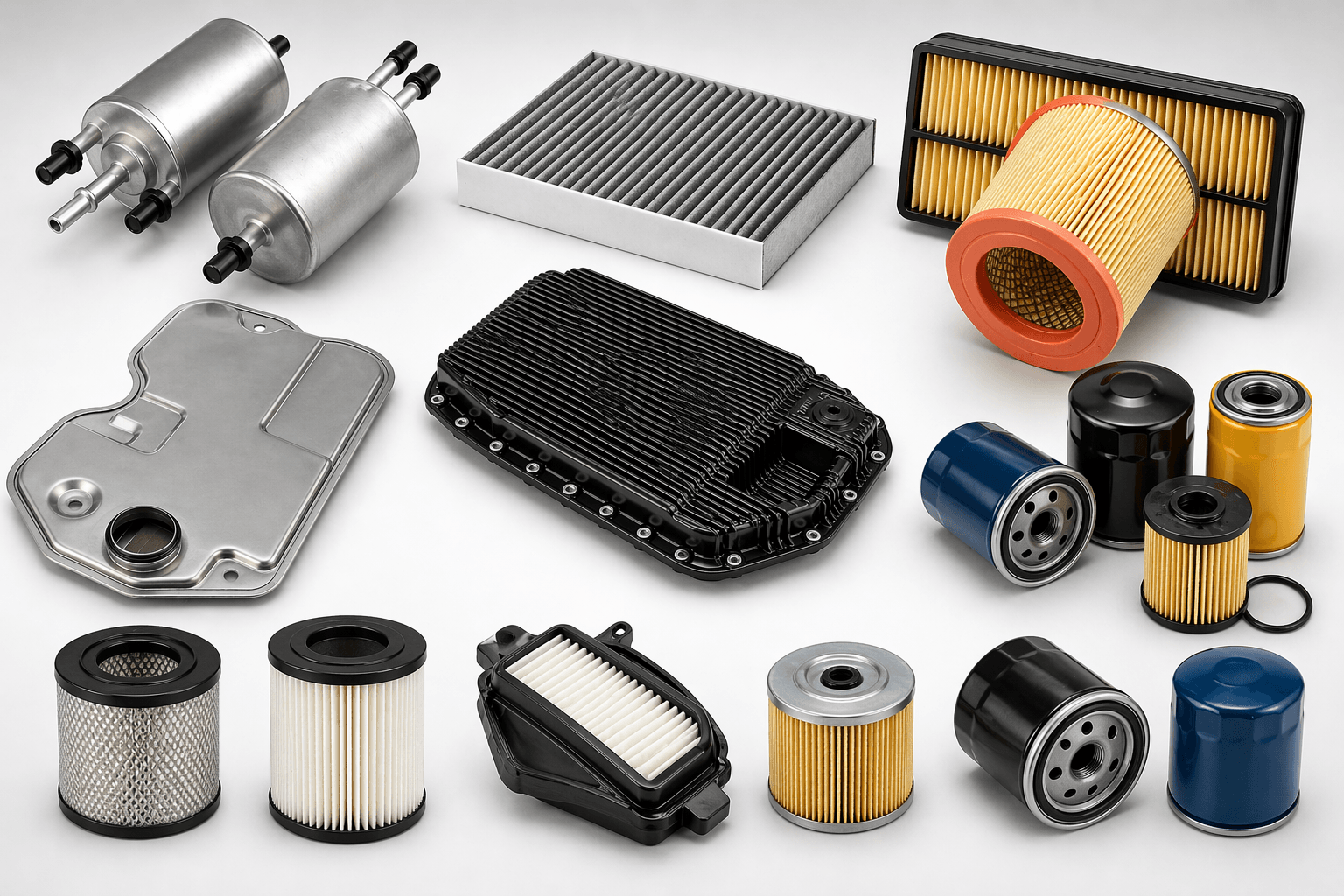
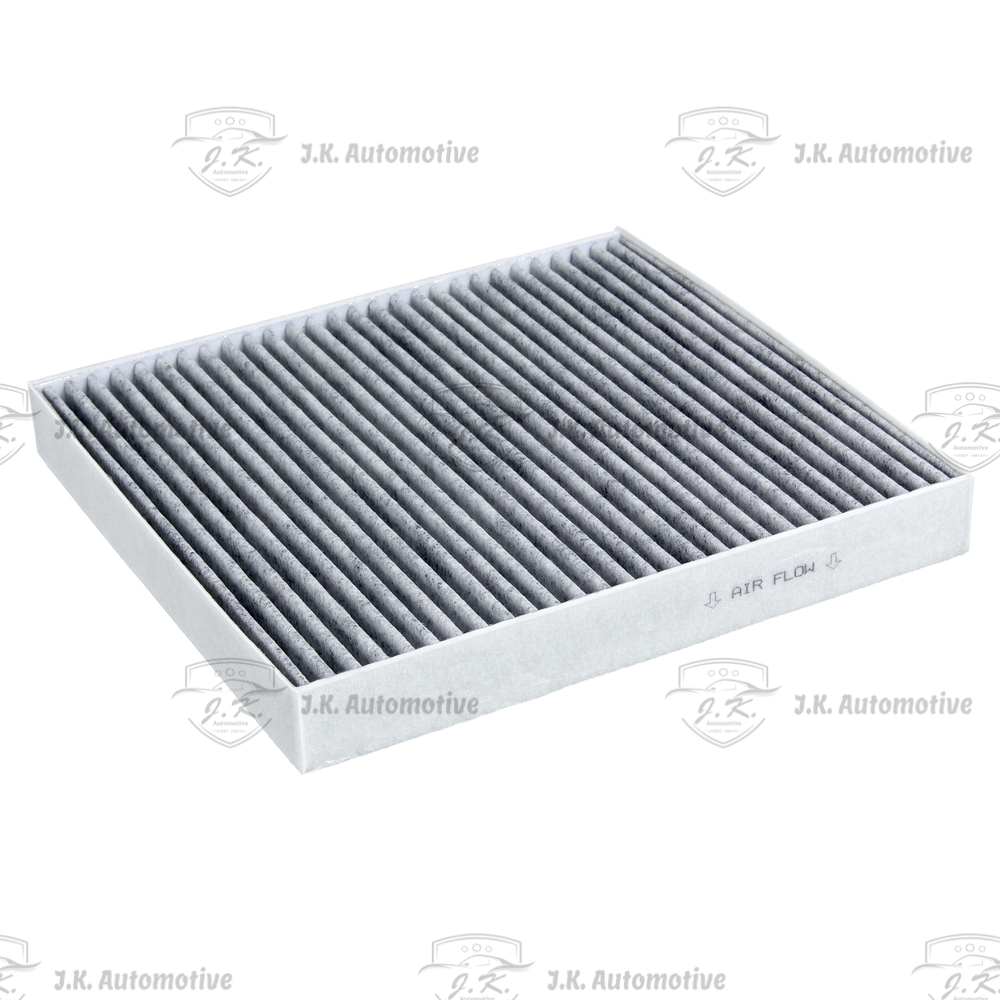
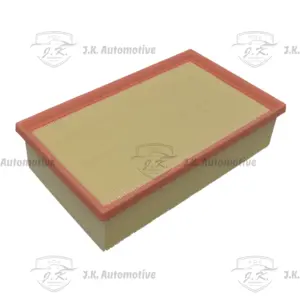
The Audi A3 Limousine (8VS, 8VM) produced between 2013 and 2020 on the MQB modular platform relies on an integrated automatic climate control system that continuously regulates temperature, humidity, and airflow velocity through multi-zone dashboard vents. Cabin air filter part numbers 5Q0 819 653, JZW 819 653 G, 5QD 819 653 A, and cross-reference 2571990 specify the rectangular activated carbon filter element engineered to fit inside the fresh-air housing behind the glovebox. Constructed with electrostatic synthetic micro-fibers bonded to a high-density activated carbon matrix, this element traps airborne silica dust, particulate matter (PM2.5), pollen, and industrial emissions, while chemically neutralizing offensive diesel exhaust gases and ozone before they enter the passenger cabin. Under continuous climate control operation, an uninhibited, clean filter ensures maximum volumetric airflow to prevent excessive electric current draw and thermal overheating of the HVAC blower motor resistor. Maintaining a fresh filter under these part numbers prevents biological mold spore accumulation across the evaporator core, eliminates sour A/C odors, and ensures the interior automatic air recirculation sensor functions accurately without throwing implausible signal fault codes in the Climatronic control module. Replacing the cabin air filter under part number 5Q0 819 653 on the MQB-platform Audi A3 Limousine (8VS, 8VM) is a straightforward DIY maintenance procedure located entirely inside the passenger cabin behind the glovebox compartment Accessing the Filter Housing: Open the glovebox completely, release the side dampening arm on the right, and press inward on the two upper stop tabs to drop the glovebox door down into its service position.
What advanced diagnostic indicators, HVAC performance symptoms, and health factors signal that cabin air filter 5Q0 819 653 on an Audi A3 Limousine 2.0 TDI requires immediate replacement?
Recognizing a saturated or failing cabin air filter under part numbers 5Q0 819 653 or JZW 819 653 G in an Audi A3 Limousine 2.0 TDI involves observing distinct physical HVAC symptoms alongside interior air quality changes. As the activated carbon layer becomes filled with organic matter, street grime, and soot, static airflow resistance across the element spikes dramatically, leading to noticeably reduced air volume exiting the dashboard vents even when the blower fan speed is manually set to maximum. Mechanically, the HVAC fan motor must work significantly harder against high static backpressure, producing an audible, high-pitched whistling noise or low-frequency rumble behind the glove compartment. Environmentally, driver and passengers will notice persistent windshield fogging or slow glass defrosting during humid or rainy weather, caused by moisture trapped inside the damp, dirty filter media recirculating onto cold glass. Additionally, stagnant moisture trapped within the clogged filter pleats breeds bacterial growth and mildew, releasing a damp, musty smell whenever the air conditioning system is initiated. Vehicles operated regularly in heavy urban traffic, dusty regions, or damp climates should have the 5Q0 819 653 element replaced every 15,000 to 20,000 kilometers (or annually) to prevent respiratory discomfort, protect blower motor longevity, and maintain rapid defroster performance. Locate the black plastic filter housing door mounted on the firewall. Gently release the three locking tabs along the top edge of the cover and pull the door downward to unhook it.
What structural, chemical, and filtration efficiency differences exist between standard cellulose pollen filters and activated carbon / bio-functional filter options for part number 5Q0 819 653?
When selecting a replacement cabin air filter under part number 5Q0 819 653 / 5QD 819 653 A for the Audi A3 Limousine 2.0 TDI, vehicle owners can choose between three distinct media technologies that directly impact interior air quality: Basic Single-Layer Particle Filters: Manufactured from raw white synthetic paper or non-woven fleece, these budget filters act as a simple mechanical sieve that captures large debris such as road dust, leaves, and coarse pollen grains. However, they lack activated carbon and offer zero protection against toxic gas fumes, nitrogen oxides ($NO_x$), diesel soot, or unpleasant road odors. Activated Carbon Filters (OEM Standard 5Q0 819 653 / JZW 819 653 G): Engineered with an embedded layer of porous coconut-shell activated carbon sandwiched between fleece layers. The microscopic pores of the carbon layer absorb harmful gaseous pollutants, volatile organic compounds (VOCs), and diesel exhaust smells via chemical adsorption, dramatically improving passenger air quality. Bio-Functional / Anti-Allergen Polyphenol Filters (Upgraded 2571990 / FP 26 009): Feature an advanced three-tier filtration layout combining an activated carbon core with a natural polyphenol or silver-ion bioactive coating. This top-tier design mechanically traps particulate matter down to PM0.3, adsorbs toxic gases, and actively neutralizes allergens, bacteria, and mold growth on contact, making it the ideal choice for occupants suffering from asthma or seasonal allergies. Slide the old filter element (5Q0 819 653 / 5QD 819 653 A) straight out of the slot, paying close attention to the airflow direction arrows printed on its side wall (factory orientation directs airflow downward from the cowl toward the blower fan).
How does the multi-stage electrostatic and activated carbon filtration matrix of OEM cabin filter 5Q0 819 653 protect cabin occupants from toxic diesel soot, fine PM2.5 particulates, and ground-level ozone in urban driving environments?
The urban driving landscape exposes the occupants of the Audi A3 Limousine (8VS, 8VM) 2.0 TDI to a harsh atmospheric cocktail composed of sub-micron carbon soot particles from heavy commercial diesel exhaust, microscopic brake dust, rubber tire wear particulates, and reactive ground-level ozone ($O_3$) generated by photovoltaic chemical reactions. OEM cabin air filter part numbers 5Q0 819 653, JZW 819 653 G, 5QD 819 653 A, and cross-reference 2571990 combat these airborne hazards through a sophisticated, multi-tiered filtration architecture that combines mechanical sieving, electrostatic charge attraction, and molecular adsorption across a singular high-surface-area media pack. The outer pre-filter layer mechanically captures larger airborne debris such as road dust, plant spores, and insect fragments, preventing early loading of the interior layers. Downstream of the pre-filter, a specialized non-woven melt-blown synthetic microfiber layer carries a permanent electrostatic charge (electret technology) that acts like a microscopic magnet, pulling ultrafine combustion soot and PM2.5 particulate matter out of the incoming airstream even when the particles are significantly smaller than the physical gaps between the fibers. Embedded deep within the center of this synthetic matrix is a thick layer of crushed coconut-shell activated carbon, which features a vast internal capillary network capable of trapping volatile organic compounds (VOCs), benzene, sulfur dioxide ($SO_2$), nitrogen oxides ($NO_x$), and ozone molecules through chemical adsorption. When toxic gases pass through the carbon bed, they are trapped within the microscopic pores of the carbon matrix, ensuring that only purified, odor-free air enters the passenger cabin, directly protecting driver health and preventing respiratory fatigue during congested bumper-to-bumper city commuting.
What physical engineering characteristics and manufacturing standards distinguish genuine VAG cabin air filter 5Q0 819 653 / JZW 819 653 G from low-cost aftermarket knockoffs and budget single-ply paper filters?
Discerning the structural, material, and functional differences between an authentic VAG group cabin air filter under part number 5Q0 819 653 / JZW 819 653 G and budget aftermarket alternatives reveals why genuine OEM specifications are essential for maintaining climate control performance in the Audi A3 Limousine (8VS, 8VM). Authentic OEM filters feature a high-density pleat pack bound by a rigid, chemically treated perimeter frame that maintains precise dimensional stability and structural alignment under intense HVAC blower suction forces, preventing frame buckling, pleat collapse, or edge bypass leaks. The activated carbon layer in genuine units consists of high-purity, steam-activated virgin coconut charcoal that is evenly distributed and bonded using non-blocking hot-melt adhesive points, which leaves maximum carbon surface area exposed to incoming air without restricting overall volumetric airflow. In stark contrast, low-cost budget alternatives often rely on cheap, single-ply cellulose paper or raw non-woven fleece that completely lacks activated carbon, offering zero chemical absorption against toxic diesel exhaust fumes or offensive road smells. Furthermore, cheap knockoffs frequently utilize inferior, low-density charcoal powders glued together with thick chemical binders that clog the media pores, creating abnormally high static airflow resistance that starves the HVAC blower motor, accelerates fan resistor wear, and causes severe windshield defroster lag. Authentic VAG filters also incorporate flexible, tear-resistant side sealing lips that compress flush against the inner walls of the plastic airbox housing, preventing unmetered ambient air and airborne dust from sneaking around the sides of the filter frame, while featuring crisp, laser-etched VAG part numbers, brand trademarks, and directional airflow arrows along the frame edge for foolproof installation.
How does a fully functioning cabin air filter 5Q0 819 653 preserve the thermal efficiency of the A/C condenser-evaporator heat exchange loop and maintain peak fuel economy in the Audi A3 2.0 TDI?
The thermodynamic cycle of the climate control system in the Audi A3 Limousine (8VS, 8VM) 2.0 TDI relies on rapid heat exchange between the ambient cabin air and the liquid refrigerant circulating through the aluminum evaporator core situated inside the dashboard heating and ventilation unit. When a cabin air filter under part number 5Q0 819 653 / 5QD 819 653 A remains clean and unrestricted, the HVAC blower fan forces a smooth, high-velocity, laminar volume of warm interior or fresh atmospheric air across the micro-grooved aluminum cooling fins of the evaporator, allowing the refrigerant to absorb heat efficiently and boil off into a low-pressure gas before returning to the belt-driven A/C compressor. However, when the cabin filter becomes saturated with environmental grime and fine road dust, volumetric airflow across the evaporator core drops precipitously, disrupting the rate of heat absorption and causing the temperature of the aluminum fins to plunge below the freezing threshold. To prevent total evaporator icing, the Climatronic control module reads signals from the evaporator temperature sensor and engages protective compressor cycling protocols, constantly adjusting the variable-displacement swash plate inside the Denso or Sanden A/C compressor. Operating the compressor against inconsistent airflow dynamics forces the engine control unit to adjust engine idling speeds and fuel injection parameters to handle mechanical drag variations on the accessory belt drive, directly increasing diesel fuel consumption on the 2.0 TDI engine. By ensuring continuous, uninhibited airflow across the evaporator matrix, fresh cabin air filter 5Q0 819 653 maintains optimal heat exchange efficiency, stabilizes compressor torque demand, and keeps vehicle fuel economy at factory-calibrated levels.
Why is timely replacement of cabin air filter 5Q0 819 653 critical for preventing windshield fogging, maintaining clear visibility, and ensuring rapid defrosting during cold or rainy seasonal weather?
Driving safety in the Audi A3 Limousine (8VS, 8VM) during winter storms, cold mornings, or heavy downpours depends heavily on the HVAC system's ability to quickly dehumidify the interior cabin air and clear condensation from the inside surface of the windshield and side windows. Ambient moisture enters the vehicle cabin through damp passenger clothing, wet shoes, rainwater runoff from the cowl intake, and human respiration, rapidly raising the relative humidity inside the sealed interior space. When this moisture-laden air contacts cold glass surfaces whose temperatures are below the dew point, water vapor instantly condenses into a thick, fine mist that severely impairs driver visibility. A fresh, clean cabin air filter under part number 5Q0 819 653 / 2571990 plays an indispensable role in fog prevention because its dry, synthetic electrostatic media rapidly absorbs and channels air without retaining excess ambient water within its pleat matrix. Conversely, an aging, dirty cabin filter acts like a damp sponge, trapping organic leaves, highway dirt, and moisture inside its pleats, which saturates the media over time. When the driver activates the front windshield defroster on a cold morning, the HVAC blower fan forces air directly through this damp, dirty filter, carrying trapped water vapor straight onto the cold glass windscreen and causing sudden, heavy flash-fogging that can blind the driver while moving. Replacing filter 5Q0 819 653 at recommended maintenance intervals guarantees maximum dry airflow volume, accelerates windshield defroster clearing times, and keeps interior glass completely clear under all weather conditions.




Reviews
There are no reviews yet.