Why is part number 13717514832 specifically engineered for the 4.0-liter N62B40 V8 engine in the BMW 7 Series (E65, E66, E67) 740i and 740Li?
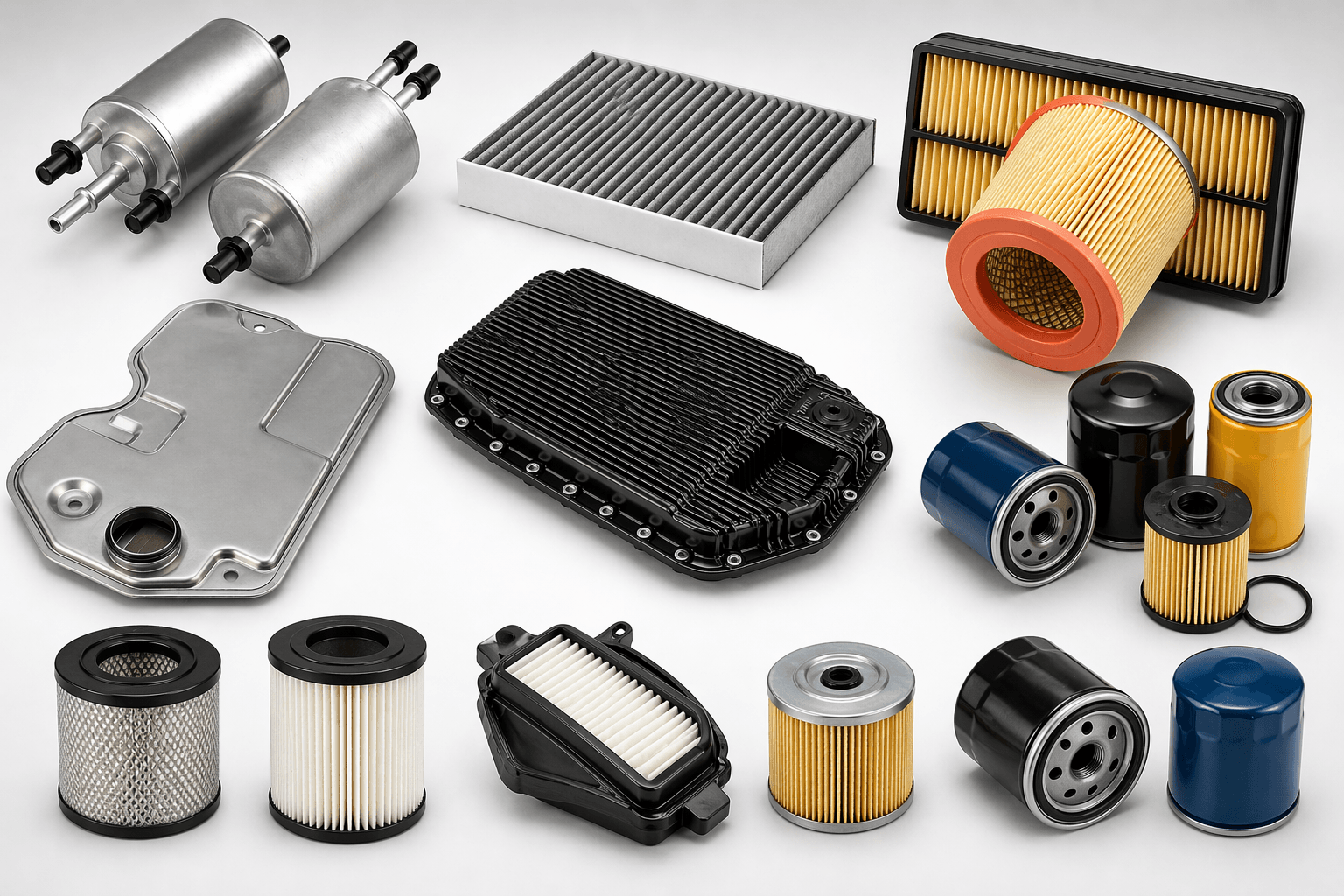
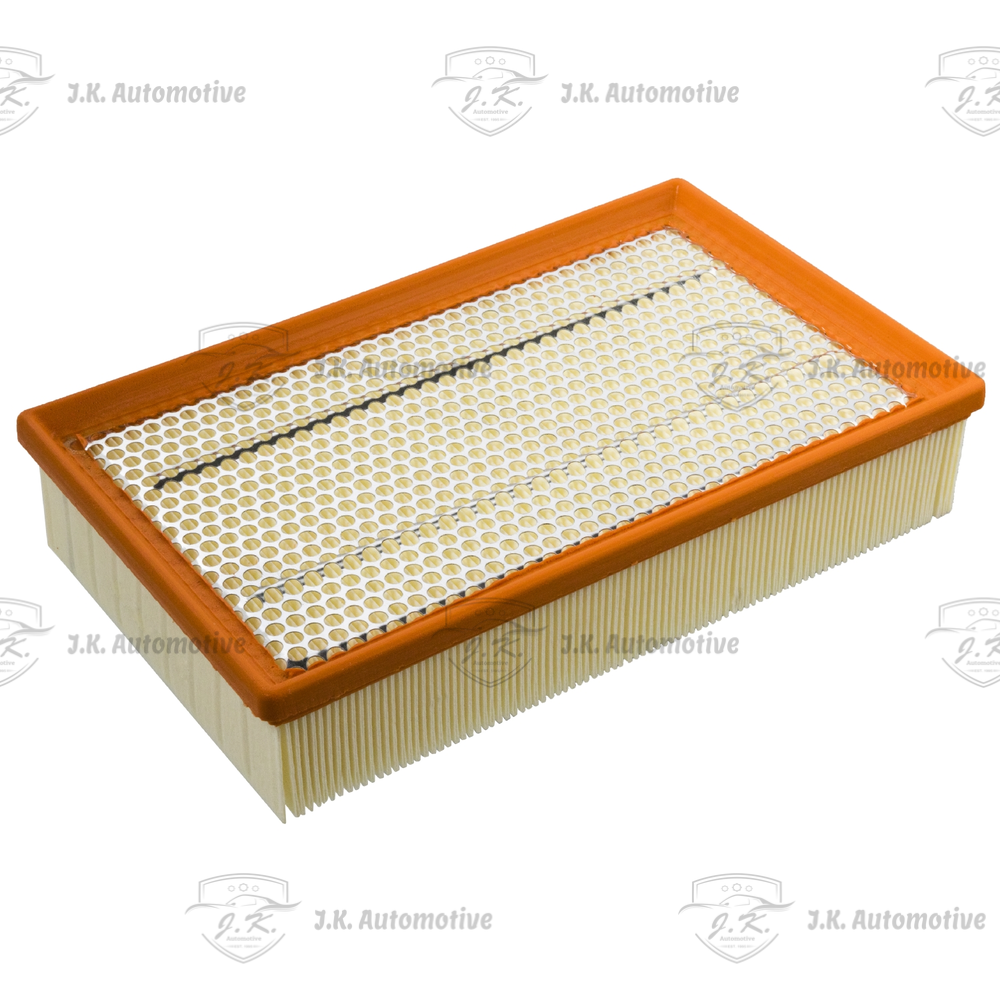
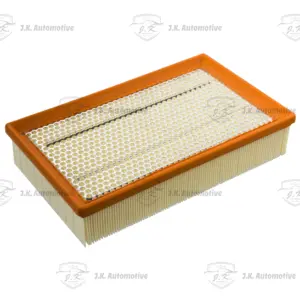
The BMW 7 Series E65, E66, and E67 740i and 740Li models produced between 2002 and 2008 are powered by the naturally aspirated 4.0-liter N62B40 V8 engine, which relies on high volumetric efficiency to generate its 306-horsepower output. Air filter part number 13717514832 specifies the precise panel filter element designed to fit the specific contours of the N62 V8 airbox assembly. Naturally aspirated flagship V8 engines demand immediate, smooth, and uninhibited air delivery during sudden throttle applications and high-RPM highway acceleration sweeps. The synthetic micro-fiber filtration media in part number 13717514832 is calibrated to maintain ultra-low flow restriction while efficiently trapping microscopic road grit, airborne silica, and organic debris down to 3 microns. Hot-melt adhesive stabilization beads applied across the pleat pack maintain exact structural spacing, preventing the pleats from collapsing or pinching closed under heavy engine induction suction. Additionally, the heat-resistant elastomeric polyurethane perimeter frame compresses evenly against the plastic airbox lip, creating a complete seal that eliminates unmetered air bypass. Installing this exact OEM-specified air filter ensures that incoming intake air is clean before entering the throttle body and Valvetronic intake channels, preserving throttle response, smooth power delivery, and engine health over thousands of kilometers.
What is the application coverage and fitment verification for OEM part number 13717514832 across E65, E66, and E67 7 Series models?
OEM part number 13717514832 is engineered as a direct replacement air filter element across the fourth-generation BMW 7 Series sedan lineup equipped with the N62 series V8 powerplants. This includes the standard wheelbase E65 740i, the extended wheelbase E66 740Li, and the high-security armored E67 740Li variants produced during the 2002 to 2008 model production run. The physical dimensions, corner radius profiles, and perimeter frame thickness of part number 13717514832 match the original factory airbox tray dimensions, allowing simple drop-in replacement without forcing or trimming. Vehicle owners, technicians, and parts managers can verify compatibility by cross-referencing part number 13717514832 in official BMW parts catalogs or checking the stamped part number on the original air filter housing tray. Replacing the filter element with an authentic specification part guarantees that the airbox sealing channels close tightly, preventing ambient dust from entering downstream intake piping. Maintaining correct fitment ensures the Digital Motor Electronics computer receives consistent airflow readings, preserving factory fuel mixture calculations and ensuring the luxury flagship V8 operates with optimal smoothness, quietness, and efficiency.
What operational symptoms indicate a dirty air filter on an E65/E66 740i V8, and what mechanical risks arise if replacement is delayed?
When air filter 13717514832 on a BMW 7 Series 740i or 740Li becomes clogged with environmental dust, leaves, and soot, the 4.0L N62 V8 engine suffers from intake air starvation that manifests in clear performance degradation. The driver will notice delayed throttle response, sluggish acceleration from a standstill, and a distinct loss of top-end pulling power during high-speed highway cruising. Because the Digital Motor Electronics ECU adjusts fuel injection pulse widths based on real-time mass airflow signals, restricted intake air causes suboptimal air-fuel ratios, resulting in higher fuel consumption and hesitation under load. Incomplete combustion caused by air starvation creates unburned carbon deposits that coat spark plugs, combustion chamber surfaces, and oxygen sensors, which can trigger check engine light illumination and misfire fault codes. If a heavily saturated air filter is left unserviced, strong induction vacuum pulled by the 4.0-liter engine can cause aged filter media to deform or split along the pleat seams. Once the filter element breaks down, raw abrasive dust enters the intake manifold, causing accelerated wear on throttle valve plates, intake valve seats, and cylinder wall hone patterns. Furthermore, dust passing a compromised filter coats the hot-film sensor wire inside the Mass Air Flow sensor, leading to corrupted airflow readings and erratic idling.
How does a clean air filter protect the Mass Air Flow sensor and Valvetronic variable valve system on the E65 740i N62 V8 engine?
The Mass Air Flow sensor and Valvetronic variable valve lift system on the BMW E65 740i N62 V8 engine are positioned directly downstream of the air filter box, making them vulnerable to airborne dust contamination. The MAF sensor uses a delicate heated film element to measure incoming air mass; when degraded air filters allow fine dust particles through, silica bakes onto the sensor surface, creating an insulating crust that corrupts air mass signals sent to the engine management computer. Furthermore, the N62 V8 features BMW Valvetronic technology, which regulates engine load by dynamically adjusting intake valve lift height down to fractions of a millimeter rather than relying primarily on a standard throttle butterfly valve. Microscopic silica dust entering the intake valve mechanism acts as an abrasive paste on the precision Valvetronic intermediate levers, eccentric shaft lobes, and valve stems, accelerating mechanical play and leading to costly cylinder head repairs. Maintaining clean air filtration prevents abrasive dust from entering the combustion chambers, protecting cylinder wall hone patterns and piston rings from premature wear. Using high-efficiency air filter 13717514832 capturing particles down to 3 microns protects MAF sensor calibration, guards the intricate Valvetronic components, and maintains smooth V8 idle quality.
What structural design advantages does panel air filter 13717514832 offer over low-cost aftermarket filter alternatives for the E65 740i V8?
The precision engineering of air filter 13717514832 provides distinct structural and performance advantages compared to lower-quality aftermarket panel filters for the E65 740i N62 V8 engine. Premium synthetic-blend filtration media is treated with moisture-resistant compounds that allow the filter pleats to retain structural rigidity even when driving through heavy rain, dense fog, or high humidity environments. Cheaper aftermarket paper filters lack moisture resistance and tend to soften, swell, and buckle under engine bay heat and ambient moisture, drastically reducing the usable surface area for intake air. Furthermore, the rigid polyurethane perimeter gasket on part number 13717514832 maintains its elastic memory across extreme engine bay thermal cycles, ensuring that the filter gasket does not shrink, crack, or harden over time. A stable perimeter gasket prevents small air leaks around the airbox edges, which could otherwise draw unmetered, unfiltered silica dust straight into the intake ducting. Protecting the throttle valve and Valvetronic variable intake system from fine road dust is critical, as abrasive particles entering the engine cause valve seat erosion, cylinder wall scoring, and piston ring wear over time. Utilizing a genuine specification panel filter guarantees uninhibited airflow into the intake tract, keeping engine operation smooth and ensuring consistent, quiet V8 power across all driving conditions.
What installation step errors frequently occur during E65 740i air filter replacement, and how can technicians ensure a leak-free seal?
Replacing the air filter on the BMW E65 740i is a standard service task, yet minor installation oversights can compromise the intake seal and allow unfiltered air to enter the N62 V8 engine. The most common mistake made by technicians is neglecting to clean out accumulated leaf litter, fine sand, and road grime from the bottom of the lower airbox housing before installing the new filter element. Leaving loose debris inside the airbox allows dirt particles to migrate onto the clean side of the filter or get drawn into the intake ducting during initial engine startup. Another frequent error involves misaligning the polyurethane perimeter sealing gasket along the airbox seating groove before securing the housing retaining clips. If the filter gasket becomes pinched, twisted, or unseated along any corner when clamping the airbox cover shut, raw ambient air bypasses the synthetic filter media entirely, pulling abrasive silica dust directly into the Mass Air Flow sensor and throttle body. Mechanics can ensure a complete seal by vacuuming the lower airbox cavity, wiping down the sealing channel with a clean microfiber cloth, and visually checking that the filter frame rests completely flat around all four edges before applying latching pressure. Furthermore, inspect the flexible rubber intake ducting connecting the airbox to the front air scoop to ensure it is fully seated and uncracked. Taking these installation precautions guarantees a 100% airtight seal, protects sensitive intake sensors, and ensures the engine receives uninhibited, clean air flow.
How do driving environments and high-load usage patterns influence the actual replacement frequency of air filter 13717514832 on the E65 740i?
While standard factory guidelines recommend replacing the air filter on the BMW E65 740i every 30,000 to 40,000 kilometers, the actual functional lifespan of part number 13717514832 depends heavily on your driving environment and vehicle operational demands. Vehicles driven frequently in arid regions, on unpaved rural roads, or through continuous construction zones encounter high concentrations of fine airborne dust that clogs the synthetic pleats much faster than highway driving. Similarly, E65 740i models used for frequent stop-and-go urban commuting, high-speed autobahn cruising, or heavy luxury touring expose the intake system to concentrated concentrations of exhaust soot, rubber tire dust, and industrial particulates that form a dark, oily film over the filtration media. Additionally, operating in coastal environments or high-humidity climates exposes the filter media to salt-laden moisture, which can cause lower-quality paper media to swell and restrict airflow prematurely. To protect the naturally aspirated 4.0L N62 V8 engine, drivers operating under severe or high-dust conditions should perform visual inspections of the air filter element every 15,000 kilometers or during every annual oil service. If the filter media appears heavily discolored, packed with debris in the pleat folds, or shows signs of moisture distortion, replacing the element early guarantees uninhibited engine breathing, maintains optimal fuel economy, and protects delicate valvetrain components from premature wear.
Why is replacing a dirty air filter critical for maintaining fuel economy and preventing spark plug fouling on the E65 740i N62 V8 engine?
The 4.0L N62 V8 engine in the BMW E65 740i relies on precise stoichiometric air-fuel mixture control managed by the Digital Motor Electronics ECU to deliver peak power output and maximum fuel efficiency. When an aged or dirty air filter restricts fresh oxygen intake into the cylinders, the engine computer detects reduced air mass and compensates by adjusting throttle valve angles, recalibrating fuel injection pulse widths, and retarding ignition timing. This compensation disrupts optimal combustion efficiency, causing the large-displacement V8 engine to burn more fuel per kilometer while producing noticeably reduced throttle response. Incomplete fuel combustion caused by air starvation creates unburned carbon soot that accumulates on spark plug electrodes, oxygen sensors, and intake valve heads. Carbon-fouled spark plugs exhibit erratic spark arc patterns, leading to cold-start hesitation, rough idling, under-load engine misfires, and premature catalytic converter degradation. Furthermore, persistent air starvation increases induction vacuum stress on the engine crankcase ventilation system, accelerating oil vapor draw into the intake manifold and adding to carbon buildup on intake valves. Installing a fresh OEM-specification air filter every 30,000 kilometers ensures full combustion oxygen saturation, restores optimal fuel economy, prevents spark plug fouling, and keeps the intake system clean across all RPM ranges.

Reviews
There are no reviews yet.