How does regular replacement of air filter 7P0 129 620 protect the supercharger bypass valve, throttle body assembly, and intake manifold flap mechanism in the Audi Q7 3.0 TFSI?
Maintaining a clean engine air filter under part number 7P0 129 620 plays a vital role in preserving the long-term mechanical reliability of the downstream intake components on the Audi Q7 3.0 TFSI, including the electronic throttle body, supercharger bypass valve, and tumble flap runners inside the intake manifold. When an air filter is neglected and becomes choked with dirt, the continuous high-speed suction from the Eaton TVS supercharger creates a strong vacuum that draws fine airborne silica dust, dry dirt particles, and road grime straight through any micro-gaps or aged seals in the intake tract. Over time, these fine abrasive particles accumulate on the electronic throttle body plate, forming a sticky, grimy sludge when combined with oil vapors from the crankcase ventilation system, which causes the throttle plate to stick, lag, or respond erratically to driver pedal inputs. Furthermore, this fine dust travels directly into the supercharger bypass valve mechanism, causing mechanical binding and position sensor errors that prevent the supercharger from properly dumping or building boost pressure on command. As the contaminated air continues into the intake manifold, the grit acts like an abrasive compound against the delicate tumble flaps and runner control shafts, leading to premature shaft wear, carbon sticking, and costly manifold assembly failures marked by error codes like P2015. By routinely replacing the air filter with a fresh OEM element, you prevent abrasive dust from entering the intake system, keeping the throttle body clean, ensuring smooth supercharger bypass operation, and protecting the internal manifold flap mechanisms from expensive mechanical breakdown. Additionally, dirt crusts forming along the edges of the butterfly plate prevent the valve from returning to its precise factory idle stop position, causing erratic idling speeds, sudden engine stalling, and EPC light illumination paired with throttle valve positioning fault codes. Fitting a genuine air filter 7P0 129 620 stops abrasive dust from reaching the throttle assembly, ensuring smooth butterfly valve movement, reducing strain on the actuator motor, and extending the operational life of the throttle body assembly.
How does the cylindrical design and structural support frame of air filter 7P0 129 620 prevent pleat collapse, media distortion, and unmetered air bypass under severe supercharger depression vacuum in the Audi Q7 3.0 TFSI?
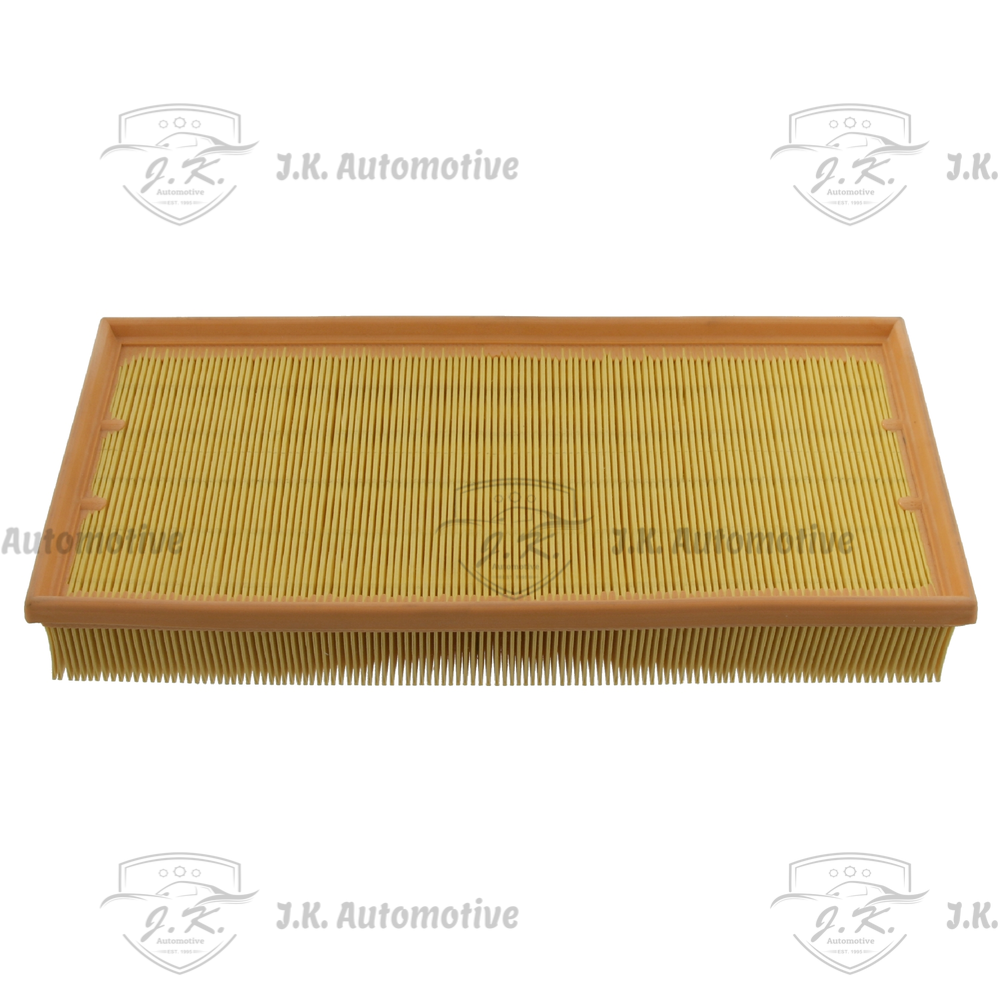
The Eaton TVS Roots-type supercharger fitted to the 3.0-liter V6 TFSI engine in the Audi Q7 (4LB) creates immense static depression vacuum within the intake tract during sudden wide-open throttle acceleration, demanding exceptional structural rigidity from the engine air filter element. Part number 7P0 129 620 is engineered specifically with a heavy-duty inner metal support cage and transverse hot-melt stabilization lines running across the pleat crests to hold every fold of the filtration media at precise, uniform intervals. When an inferior or worn-out air filter lacks this internal structural bracing, the intense suction vacuum generated by the supercharger causes the pleats to bunch together, bow inward, or collapse completely, drastically reducing the total surface area available for air filtration and creating severe airflow restriction. As pleat collapse occurs, the extreme differential pressure across the filter media can tear the synthetic paper fibers or pull the flexible outer sealing ring away from the plastic airbox housing track. This creates direct bypass gaps where raw, unfiltered ambient air, coarse silica sand, road salt crystals, and engine bay dirt are sucked directly past the filter into the supercharger inlet neck without passing through the media. By maintaining an authentic OEM air filter 7P0 129 620 with reinforced structural pleat geometry, you guarantee that the filter holds its shape under maximum engine load, ensuring 100 percent of incoming air is cleaned and protecting the high-speed supercharger rotors, cylinder walls, and intake valves from severe abrasive erosion. As the butterfly valve continuously rotates to modulate airflow during driving, abrasive dirt particles get forced into the tiny clearance gaps between the brass shaft and its housing bearings, causing mechanical binding, physical scoring, and increased electrical resistance on the throttle actuator motor. To overcome this mechanical resistance, the throttle motor must draw higher electrical current from the vehicle system, leading to internal motor overheating and premature actuator failure.
How does maintaining a fresh air filter 7P0 129 620 protect the Mass Air Flow sensor wire grid, prevent erratic fuel trim corrections, and stop engine misfires in the Audi Q7 3.0 TFSI?
The hot-film Mass Air Flow (MAF) sensor mounted immediately downstream of the air filter box in the Audi Q7 3.0 TFSI relies on an extremely delicate heated platinum element to measure the exact mass and density of air entering the supercharged V6 engine. When the air filter element is neglected or damaged, microscopic silica dust particles and oily fine dirt pass through the compromised filter media and coat the sensitive platinum wire grid of the MAF sensor with a layer of insulating grime. This dirt layer prevents the sensor from correctly reading temperature shifts caused by incoming airflow, forcing the sensor to send corrupted, lower-than-actual air mass voltage signals to the Bosch engine management control unit. Believing less air is entering the engine than there actually is, the ECU trims back gasoline injection quantities, causing the air-fuel mixture in the cylinders to become dangerously lean during acceleration. A lean air-fuel ratio spikes combustion chamber temperatures, causes noticeable engine hesitation, triggers lean mixture fault codes like P0171, and eventually leads to severe cylinder misfires under heavy acceleration. Furthermore, if the driver continues operating the vehicle with a dirty MAF sensor, the ECU may constantly swing between rich and lean fuel trim corrections, washing cylinder walls with excess fuel or overheating spark plugs. Replacing filter 7P0 129 620 on time stops abrasive dust from contaminating the MAF sensor wire, ensuring accurate air mass telemetry, stable closed-loop fuel trims, and smooth combustion performance. The electronic throttle body on the Audi Q7 3.0 TFSI controls the mass of air entering the supercharger using an electronically actuated butterfly valve driven by a precision internal electric motor and position feedback gear assembly. When air filter 7P0 129 620 is torn, clogged, or poor-fitting, fine road sand and atmospheric soot enter the throttle body housing and settle around the rotating butterfly shaft bearings and internal bore walls.
What specific thermodynamic heat-soak issues occur when driving an Audi Q7 3.0 TFSI with a dirty air filter in hot summer weather, and how does a clean filter keep intake air temperatures cool?
Operating an Audi Q7 3.0 TFSI in high ambient summer temperatures with a dirty, restricted air filter element causes severe intake air heat-soak, directly robbing the supercharged engine of horsepower and overall efficiency. When the air filter is choked with dirt, the supercharger must spin faster and work significantly harder against high intake vacuum resistance to draw in the volume of air requested by the driver. This extra mechanical workload generates intense friction heat within the supercharger housing, drastically increasing the temperature of the charge air before it even passes into the water-to-air intercoolers located inside the intake manifold. When intake air temperatures rise past safe operating limits, the air density drops sharply, meaning fewer oxygen molecules enter the combustion chambers during each intake stroke. To protect the engine from destructive detonation or spark knock caused by hot intake air, the engine computer automatically retards ignition timing, closes the supercharger bypass valve, and limits peak boost pressure, causing a major loss of engine power during highway passing and stop-and-go summer traffic. Installing a fresh, clean air filter (7P0 129 620) allows maximum cold ambient air to flow freely from the front grille into the supercharger with minimal vacuum resistance, keeping charge air temperatures low, reducing intercooler workload, and preserving full factory horsepower even in scorching summer heat. While carbon buildup is an inherent characteristic of direct-injection engines, running a clean, properly seated OEM air filter ensures that airborne dirt is completely trapped before entering the manifold, drastically slowing down the rate of carbon accumulation on the intake valves and extending the mileage intervals between required manual valve cleaning services.
How does a clogged air filter 7P0 129 620 accelerate oil contamination, engine oil consumption, and Positive Crankcase Ventilation system failure in the Audi Q7 3.0 TFSI?
A severely clogged air filter on the Audi Q7 3.0 TFSI creates an unnaturally high depression vacuum inside the intake pipe between the airbox and the supercharger inlet, which directly impacts the engine's crankcase ventilation system. The Positive Crankcase Ventilation (PCV) oil separator assembly mounted in the engine V-valley uses a sensitive, spring-loaded rubber diaphragm to pull blow-by gases out of the crankcase while returning liquid oil to the pan. When the air filter is restricted, the supercharger draws air against the closed filter, creating an extreme vacuum that pulls directly on the PCV valve discharge port, forcing the internal PCV rubber diaphragm to stretch far beyond its normal design limit until it tears or ruptures. Once the PCV diaphragm ruptures, the intense supercharger vacuum sucks liquid motor oil mist straight out of the crankcase into the supercharger and intake runners, resulting in rapid engine oil consumption, blue exhaust smoke, and heavy carbon buildup on the intake valves. Additionally, if fine dust bypasses a dirty filter, it mixes with the engine oil on the cylinder walls, turning the oil into an abrasive slurry that wears down piston rings and scores cylinder liners. Replacing air filter 7P0 129 620 at proper service intervals maintains normal intake vacuum levels, protecting internal PCV rubber diaphragms and keeping your engine oil clean. This combination of oily crankcase mist and abrasive road dirt bakes onto the hot intake valve surfaces, forming thick, hard carbon deposits that progressively restrict the cross-sectional area of the intake ports over time. As carbon accumulation grows, it restricts airflow velocity into the cylinders, causes rough idling, induces low-speed engine stumbles, and eventually prevents the intake valves from sealing completely, leading to compression loss and persistent misfire fault codes.
What exact visual inspection criteria, pleat cleaning risks, and airbox sanitation procedures should be followed when servicing air filter 7P0 129 620 on an Audi Q7 3.0 TFSI?
When performing routine maintenance on the Audi Q7 3.0 TFSI air intake system, knowing how to properly inspect, clean, and install air filter 7P0 129 620 prevents costly engine damage caused by improper service habits. During inspection, remove the filter and spread the paper pleats apart under bright sunlight; if light cannot shine through the media, or if dark soot, oil film, and crushed debris cover more than half the surface area, the filter must be replaced immediately. Never attempt to clean a dirty filter by blowing compressed shop air through the pleats or washing it with liquid cleaners; compressed air over 30 PSI tears the delicate microscopic synthetic fibers and breaks the internal hot-melt pleat glue lines, creating invisible holes that allow sand and grit to pass straight into the supercharger. Before installing a new filter, always use a vacuum cleaner to remove loose sand, pebbles, leaves, and dried mud resting at the bottom of the lower airbox basin, and wipe the housing interior with a damp microfiber cloth to catch fine dust. Ensure the small rubber flutter valve at the base of the airbox is clear of mud so rainwater can drain out freely instead of soaking the filter paper. Finally, line up the fresh OEM filter element, press its elastomeric sealing edge flush into the housing groove, and tighten all airbox cover screws evenly to guarantee a dust-tight seal. Because the 3.0-liter V6 TFSI engine uses Gasoline Direct Injection (FSI), fuel is sprayed at high pressure directly into the combustion chambers rather than upstream over the back of the intake valves, meaning there is no fuel spray to wash away oil vapors and airborne dirt resting on the intake valve stems. When air filter element 7P0 129 620 is degraded, dirty, or misaligned inside the airbox housing, fine dust and airborne particulates bypass the media and mix directly with crankcase oil mist entering the intake plenum through the PCV system.
How do regional climate extremes, high humidity, and road de-icing chemicals impact the filtration efficiency and structural lifetime of air filter 7P0 129 620 on the Audi Q7 3.0 TFSI?
Operating an Audi Q7 3.0 TFSI in regions with high seasonal humidity, heavy winter snowfall, or continuous exposure to road-salting chemicals subjects air filter 7P0 129 620 to severe environmental degradation that goes far beyond standard dry-dust loading. When driving behind vehicles on wet, salted winter roads, the front air duct ingests a continuous mist of salt spray containing sodium chloride and calcium chloride particles alongside moisture droplets. As damp air passes through the filter box, the filter media absorbs the moisture, which causes the cellulose and synthetic fibers to expand, soften, and lose their structural bending stiffness under the supercharger's high suction vacuum. Once the engine bay warms up and dries out the filter, the dissolved road salts precipitate deep inside the microscopic pores of the media, forming hard salt crystals that permanently block airflow channels even after the paper looks dry. This cycle of wetting, salt crystallization, and drying causes the pleats to harden, shrink, and warp, creating microscopic tears in the media and breaking the seal along the outer rubber gasket. In coastal or severe winter environments, air filter 7P0 129 620 should be visually inspected after every winter season and replaced if salt crusts or media stiffening are present, ensuring full volumetric efficiency and continuous supercharger protection regardless of severe climate exposure. The electronic throttle body on the Audi Q7 3.0 TFSI controls the mass of air entering the supercharger using an electronically actuated butterfly valve driven by a precision internal electric motor and position feedback gear assembly. When air filter 7P0 129 620 is torn, clogged, or poor-fitting, fine road sand and atmospheric soot enter the throttle body housing and settle around the rotating butterfly shaft bearings and internal bore walls.





Reviews
There are no reviews yet.