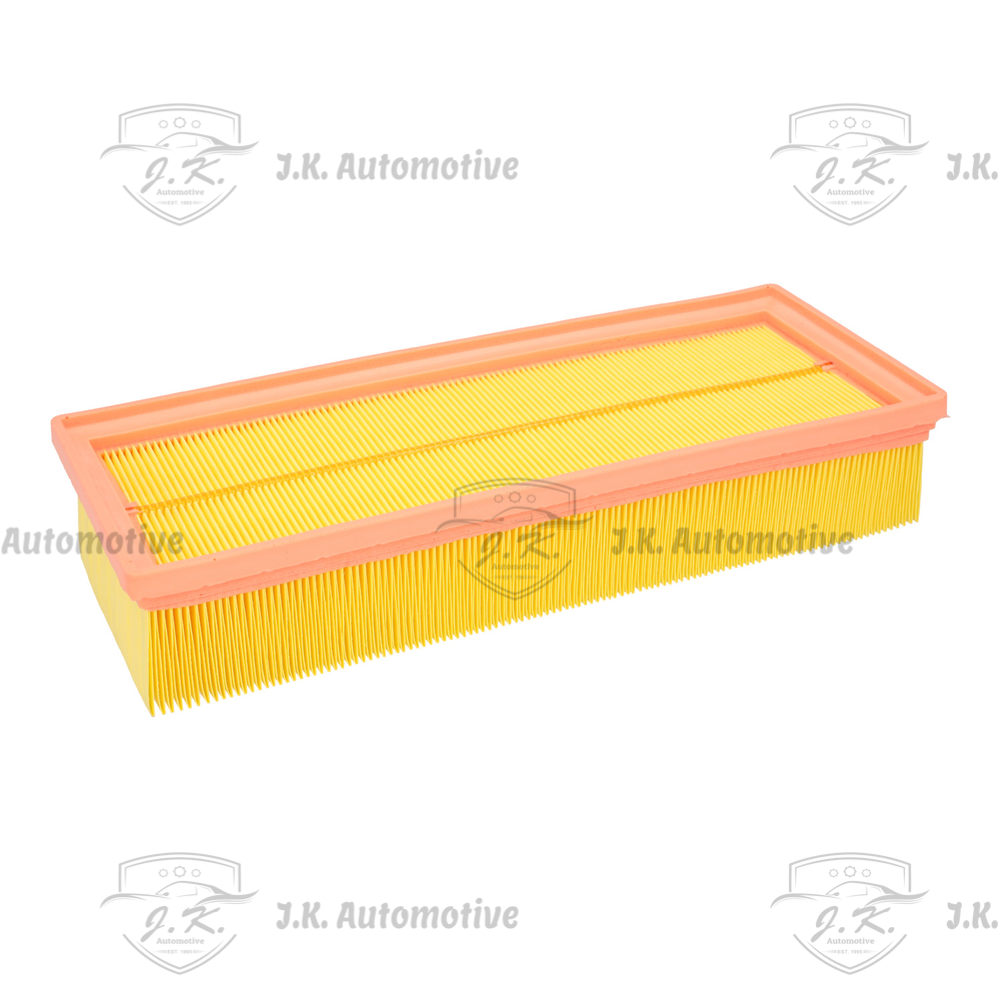
How does OEM air filter 8K0 133 843 E / 8R0 133 843 C / 8R0 133 843 K / 8K0 133 843 M / 8K0 133 843 A / 8R0 133 843 D specifically interact with the EA888 Gen 2 2.0 TFSI engine in the Audi A4 B8 (8K2)?
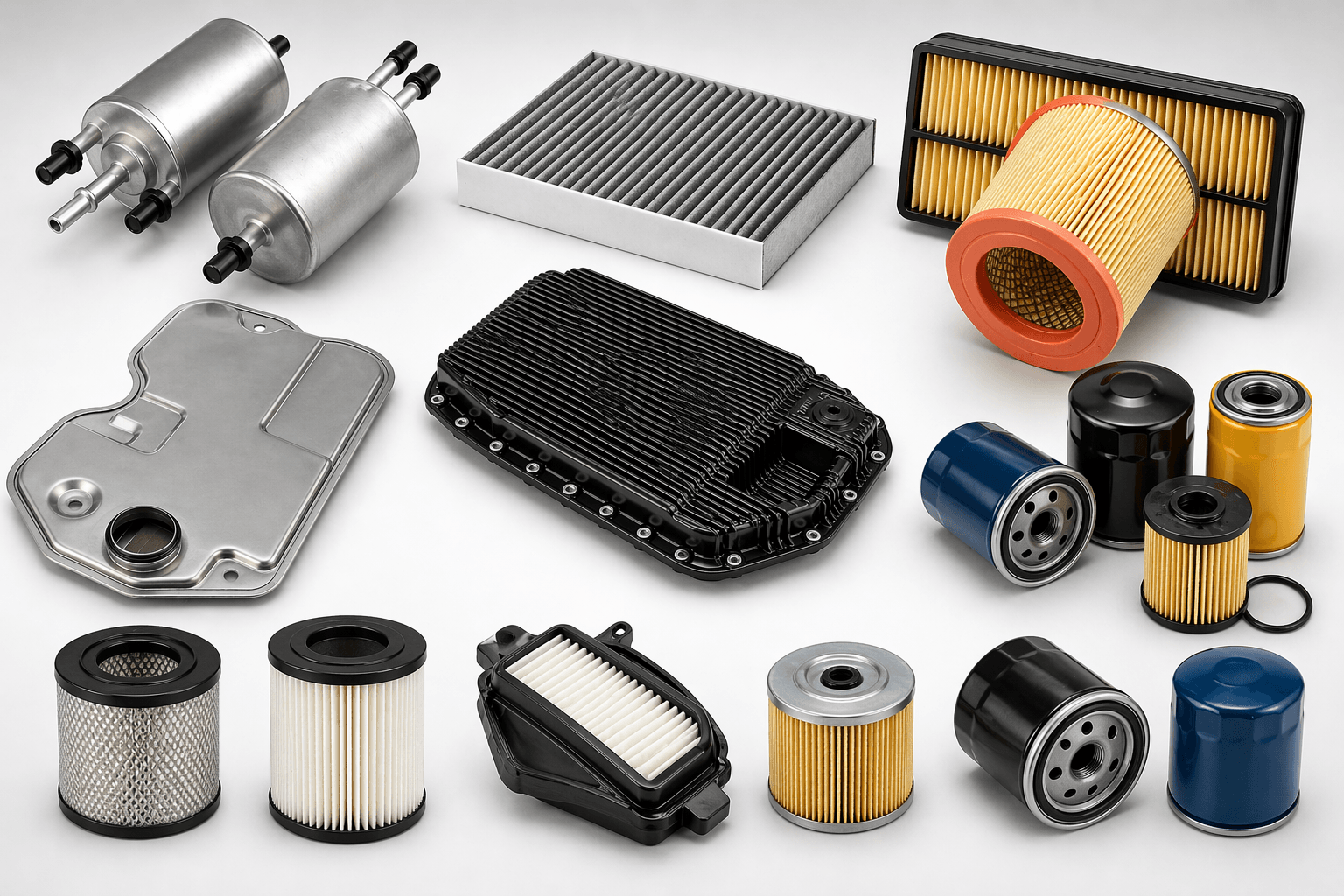
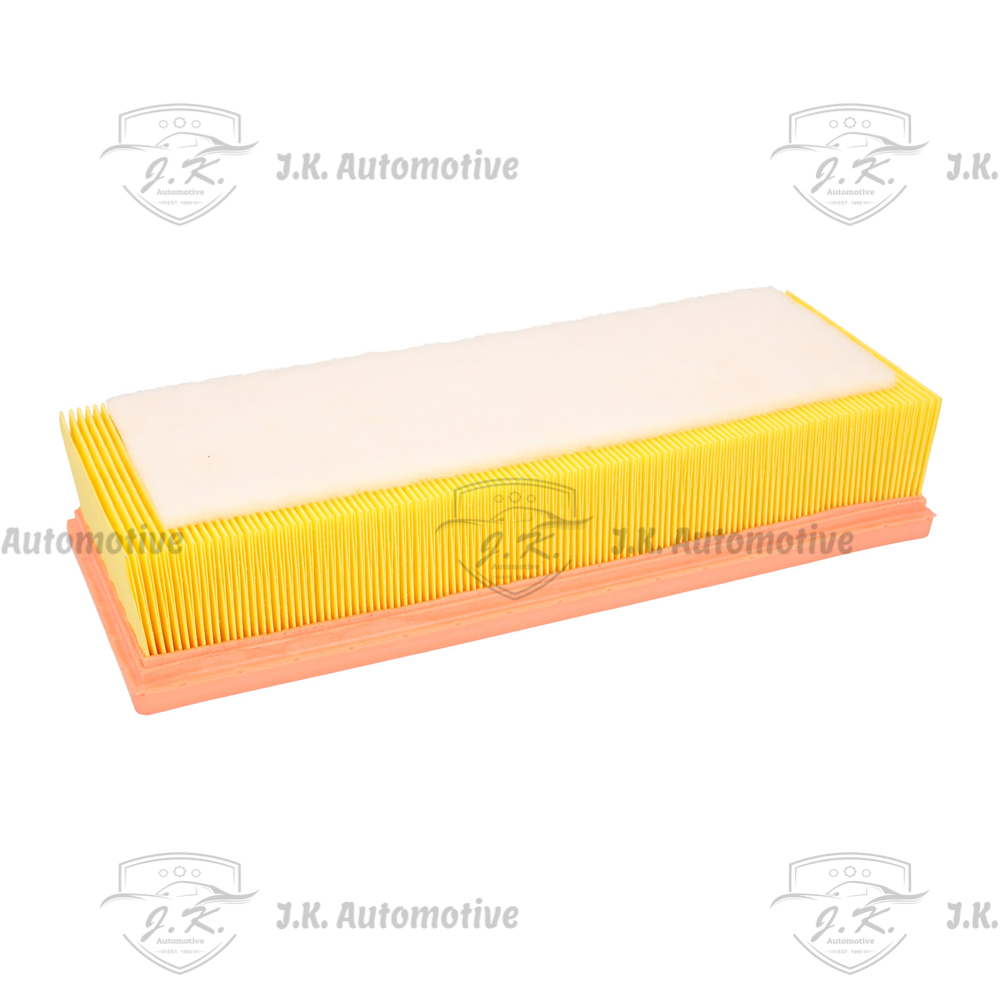
The Audi A4 B8 (8K2) produced between 2008 and 2016 featuring the 2.0 TFSI engine is powered by the EA888 longitudinal engine platform (producing 180 PS to 225 PS and up to 350 Nm of torque with Audi valvelift system AVS). Utilizing single-scroll turbocharging, direct cylinder fuel injection operating up to 150 bar, and variable intake/exhaust camshaft phasing, this longitudinal power unit demands a continuous, highly stable volume of uninhibited induction air. OEM air filter part numbers 8K0 133 843 E, 8R0 133 843 C, 8R0 133 843 K, 8K0 133 843 M, 8K0 133 843 A, and 8R0 133 843 D specify the rectangular panel element engineered specifically for the longitudinal B8 chassis cold-air intake housing. Under wide-open throttle acceleration, the turbocharger compressor wheel pulls severe induction vacuum across the filter media face. Part number 8K0 133 843 E is constructed with high-density synthetic micro-fiber filtration media bound with hot-melt adhesive stabilization lines applied across the pleat pack to maintain strict pleat geometry, preventing media flexing or pleat collapse under peak differential pressure. Furthermore, the heat-resistant elastomeric polyurethane perimeter frame creates an airtight, vibration-dampened seal against the plastic housing channel, eliminating the risk of unmetered, unfiltered raw air bypassing the media and entering the turbocharger compressor inlet. Despite variations in prefix codes (8K0 vs 8R0) and engineering revision suffixes, all six part numbers share 100 percent identical physical outer dimensions, pleat depth, corner radius profiles, and perimeter sealing lip geometry. This total structural parity allows direct, drop-in interchangeability across all 2008–2016 Audi A4 B8 (8K2) 2.0 TFSI models, as well as shared MLP platform siblings including the Audi A5 Coupe/Sportback (8T/8F), Audi Q5 (8R), and Audi A4 Allroad (8KH).
What advanced diagnostic fault codes, live data parameters, and physical vehicle behaviors indicate severe restriction or seal degradation of air filter 8K0 133 843 E on an Audi A4 B8 2.0 TFSI?
Recognizing a restricted or degraded air filter element under part numbers 8K0 133 843 E or 8R0 133 843 C on an Audi A4 B8 2.0 TFSI requires observing physical driving performance alongside digital diagnostic parameters using VCDS or ODIS factory diagnostic software. When the synthetic filtration media becomes saturated with fine silica sand, road soot, or environmental debris, the EA888 2.0 TFSI engine suffers from intake air starvation under boost. Mechanically, the driver will experience sluggish low-end throttle response, increased turbocharger boost lag, minor hesitations during aggressive overtaking, reduced top-end pulling power, and a drop in overall fuel efficiency. Diagnostically, as intake air restriction increases, the Engine Control Unit (ECU / ECM) detects reduced airflow velocity via the Mass Air Flow (MAF) sensor, continuously adjusting fuel trim adaptations beyond factory tolerances. Live diagnostic data will show short-term fuel trims (STFT) and long-term fuel trims (LTFT) shifting significantly positive as the engine computer attempts to compensate for restricted induction breathing. Persistent restriction will illuminate the check engine light (EPC or MIL), logging specific diagnostic trouble codes such as P0171 (System Too Lean Bank 1), P0101 (Mass Air Flow Sensor Circuit Range/Performance), or P0234 / P0299 relating to Turbocharger Boost Pressure Control. Additionally, if an inferior perimeter gasket shrinks or hardens due to thermal fatigue, unmetered dirty air bypasses the filter media, causing erratic idle speeds, boost pressure control deviations, and potential Drivetrain Malfunction alerts on the dashboard.
How does maintaining an optimal, clean air filter under part number 8K0 133 843 E impact charge air density, knock suppression, and ignition timing advancement in the EA888 2.0 TFSI engine of the Audi A4 B8?
The longitudinal EA888 Gen 2 2.0 TFSI engine in the Audi A4 B8 relies on precise thermal and pressure management within the intake manifold to deliver smooth, efficient torque across the powerband. When an air filter element becomes clogged by road dust, soot, and organic particulate matter, the static pressure drop across the media face increases significantly under heavy throttle applications, forcing the single-scroll turbocharger to work much harder and spin up to higher shaft speeds to meet the manifold pressure target requested by the Engine Control Unit. Because compressing air past a heavy intake restriction increases thermal transfer during the compression cycle, the charge air leaving the compressor outlet experiences a sharp rise in temperature before passing through the front-mounted intercooler. Elevated intake air temperatures entering the combustion chambers lower total oxygen charge density and increase thermal stress on internal engine components, which promotes spark knock and premature detonation in turbocharged direct-injection engines. To protect the piston crowns and valvetrain, the Bosch MED17 ECU detects knock signals via the engine block sensors and immediately retards ignition timing while reducing wastegate duty cycles, resulting in a noticeable loss of peak torque, sluggish throttle response, and decreased fuel efficiency. Installing a fresh OEM air filter under part number 8K0 133 843 E minimizes pressure loss across the induction tract, keeping charge air temperatures lower, allowing the ECU to advance ignition timing safely, and preserving factory power output.
How do crankcase ventilation (PCV) pressure dynamics and oil consumption change when running a severely clogged air filter in the Audi A4 B8 2.0 TFSI?
The Positive Crankcase Ventilation system on the EA888 2.0 TFSI engine is engineered to maintain a controlled negative pressure environment inside the engine crankcase, routing blow-by gases through a fine oil separator module mounted on top of the cylinder head cover before returning clean crankcase vapors into the intake pipe upstream of the turbocharger compressor inlet. When the engine air filter becomes severely clogged, the turbocharger compressor draws an abnormally high level of vacuum inside the intake pipe during boost creation, which pulls directly on the PCV pressure regulator diaphragm inside the oil separator. Over extended driving cycles, this excessive suction force can cause the delicate internal rubber PCV diaphragm to stretch, tear, or stick in an open position. Once the PCV regulator diaphragm fails, liquid engine oil mist is drawn straight out of the crankcase, through the breather line, and directly into the turbocharger compressor housing and intercooler ducting. Vehicle owners will observe increased oil consumption between service intervals, blue exhaust smoke under sudden acceleration, oil pooling inside charge air hoses, and accelerated carbon fouling on the spark plugs, intake valves, and catalytic converter. Replacing the engine air filter at recommended service intervals eliminates severe vacuum spikes, protecting the delicate PCV regulator diaphragm and keeping oil consumption within factory tolerances. Over time, this abrasive action polishes away the microscopic cross-hatch grooves, causing smooth cylinder wall glazing and ring wear. The loss of cylinder cross-hatching degrades oil film retention, leading to piston ring blow-by, compression loss across cylinders, increased crankcase pressure, and accelerated oil breakdown. Utilizing a genuine OEM panel air filter under part number 8K0 133 843 E guarantees strict particle retention down to 3 microns, preventing abrasive wear on the cylinder walls and extending long-term engine life.
What structural engineering advantages does panel air filter 8K0 133 843 E offer over low-cost aftermarket alternatives for the EA888 2.0 TFSI engine in the Audi A4 B8 (8K2)?
The structural engineering of genuine panel air filter 8K0 133 843 E provides vital operational advantages over budget aftermarket filters when installed in the high-suction EA888 2.0 TFSI engine environment of the Audi A4 B8 (8K2). Premium synthetic-blend filtration media utilized in this OEM specification is treated with specialized hydrophobic binders that allow the filter pleats to retain complete structural rigidity even when driving through heavy rainstorms, dense fog, or high-humidity coastal environments. Cheaper aftermarket paper filters lack this moisture resistance, causing their raw cellulose pleats to absorb atmospheric water vapor, swell, and buckle inward under heavy turbocharger suction during aggressive wide-open throttle acceleration. When low-grade filter paper collapses, the usable surface area drops dramatically, starving the engine of clean air needed for efficient combustion. Furthermore, the high-density elastomeric polyurethane perimeter frame on part number 8K0 133 843 E maintains precise elasticity and dimensional memory across thousands of extreme thermal expansion and contraction cycles inside the longitudinal engine bay. This prevents the frame gasket from shrinking, cracking, or hardening over time, permanently blocking high-vacuum air leaks along the perimeter channels of the airbox and protecting turbocharger compressor blades from abrasive dust erosion. The cold-air intake ducting on the Audi A4 B8 (8K2) is routed straight from the front grille upper frame directly into the passenger-side airbox, exposing the intake system to heavy atmospheric rain, road spray, and fog during inclement weather. OEM air filter part number 8K0 133 843 E incorporates specialized hydrophobic chemical binders within its synthetic media structure that cause liquid moisture droplets to bead up on the outer pleat surfaces and drain into the lower airbox collection basin rather than absorbing into the fabric.
How does maintaining an uninhibited intake airflow through air filter 8K0 133 843 E preserve the calibration accuracy of the hot-film Mass Air Flow sensor on the EA888 2.0 TFSI?
The EA888 Gen 2 2.0 TFSI engine relies on a delicate hot-film Mass Air Flow sensor positioned directly downstream of the intake airbox to continuously measure the exact volume, density, and temperature of incoming air for precise closed-loop fuel calculation. Genuine OEM air filter 8K0 133 843 E utilizes a multi-layered synthetic microfiber matrix bound with hot-melt stabilization lines that trap microscopic silica grit down to 3 microns while preventing synthetic fiber shedding under severe turbocharger vacuum. Inferior low-cost aftermarket filters frequently shed loose cellulose fibers or allow fine silica dust to pass through expanded media pores, where these microscopic contaminants bake directly onto the superheated platinum film element of the sensor. Over time, this baked-on dirt acts as a thermal insulator, preventing the sensor wire from cooling properly in the airstream and causing the Engine Control Unit to calculate an artificially low air mass value. This skewed sensor reading causes the engine computer to inject insufficient fuel under load, resulting in dangerous lean-burn conditions, elevated combustion chamber temperatures, severe turbo boost lag, and persistent lean fuel trim diagnostic fault codes such as P0171. When wet cellulose paper collapses or tears under vacuum, raw rainwater and airborne highway spray bypass the filter entirely, entering the turbocharger compressor housing and charge air piping. If sufficient liquid water reaches the engine cylinders, the non-compressible nature of water leads to severe hydraulic lock, resulting in bent connecting rods, cracked cylinder walls, and complete mechanical engine destruction.






Reviews
There are no reviews yet.