What is SACHS 3151654327 Clutch Release Bearing for Honda Civic?
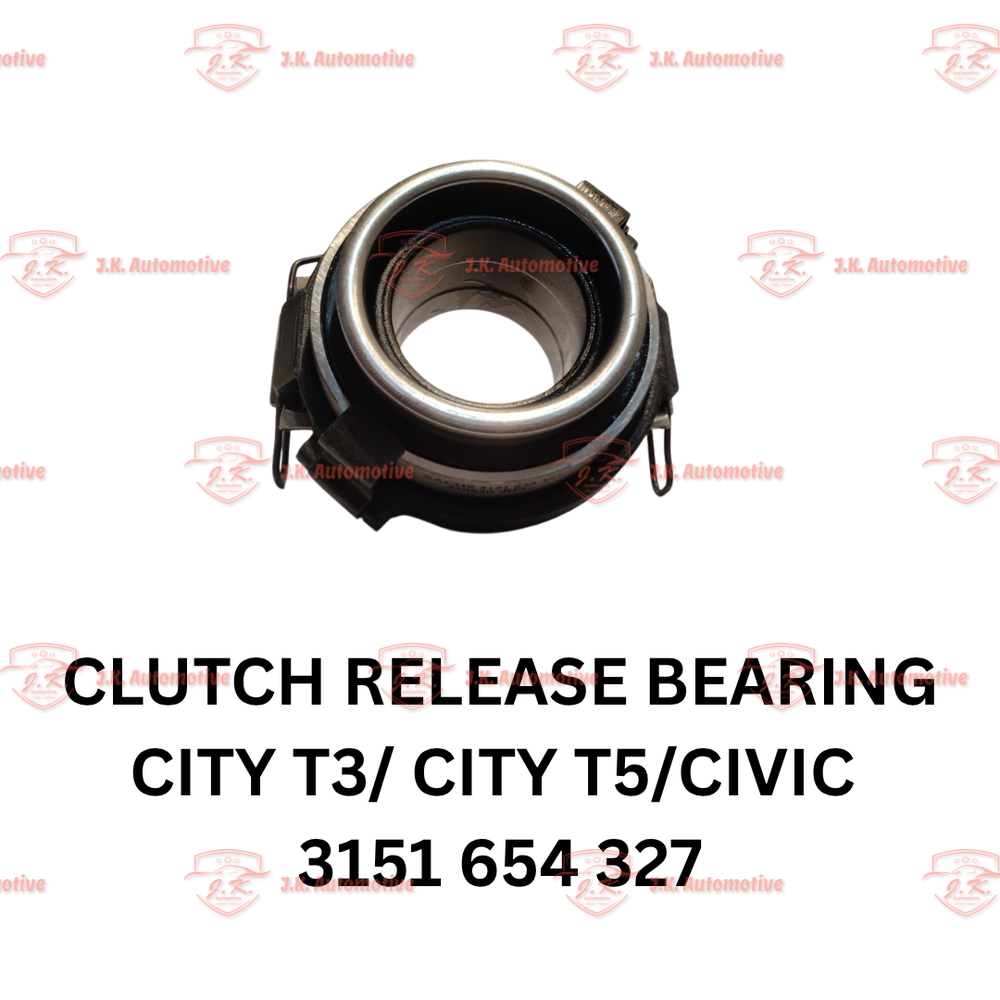
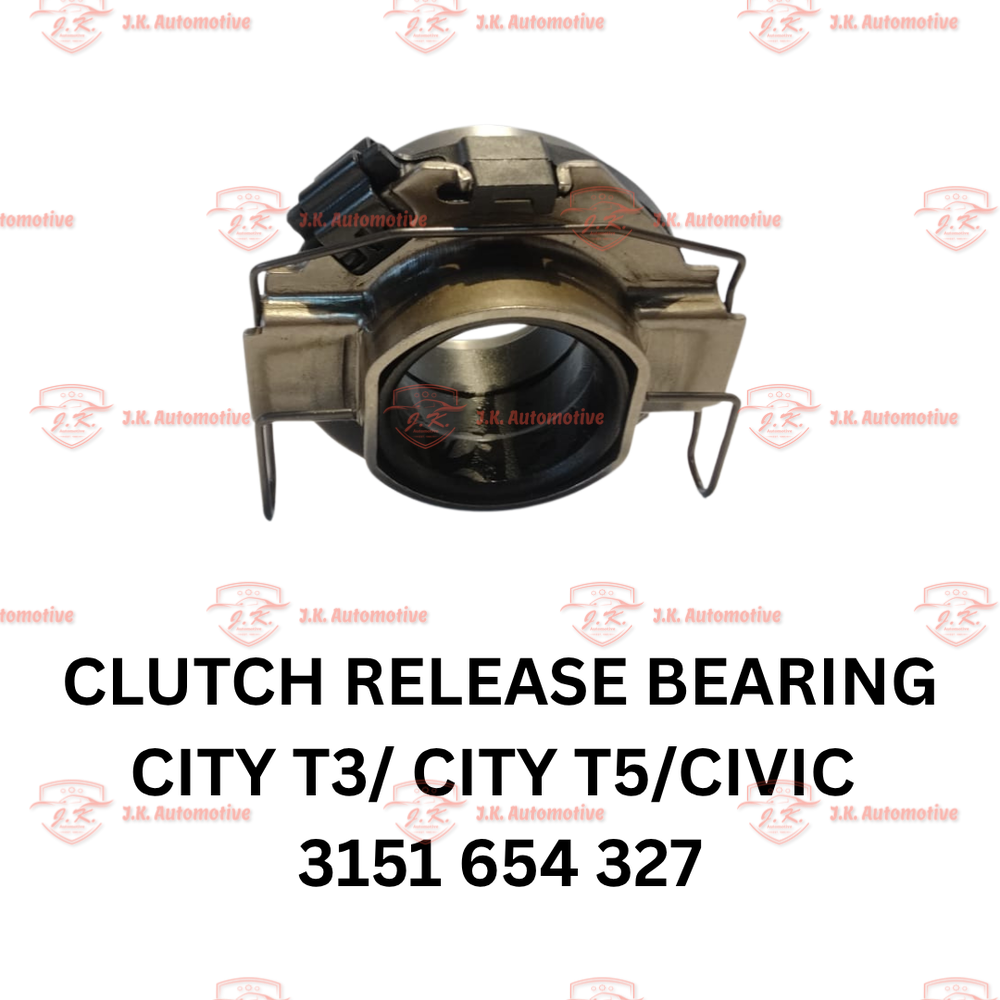
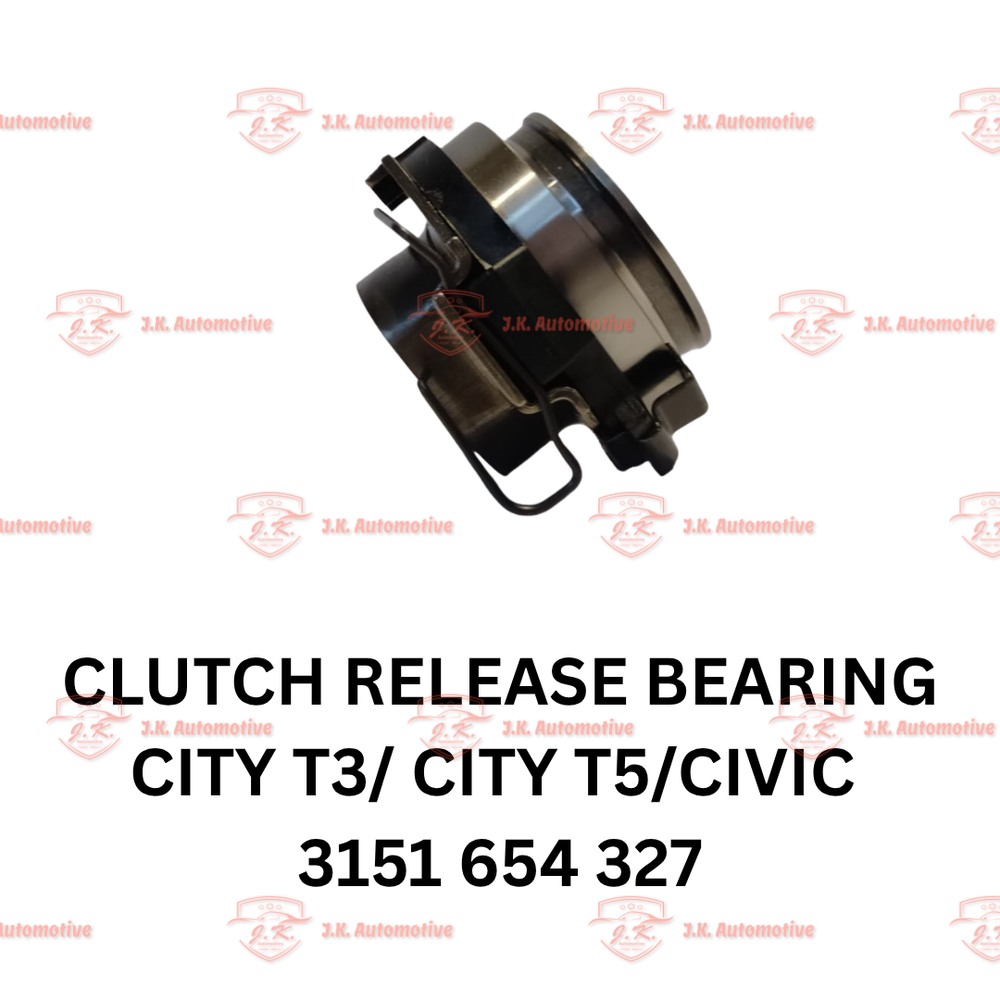
SACHS 3151654327 Clutch Release Bearing is a clutch-system component intended for compatible Honda Civic applications within the stated 2006–2012 period, subject to verification of the exact engine, gearbox, production date and existing bearing reference before installation. The clutch release bearing, commonly called a throw-out bearing, operates as part of the clutch release mechanism and helps transfer the driver's clutch-pedal input toward the pressure plate mechanism. When the clutch pedal is pressed, the release system moves the bearing toward the pressure plate diaphragm spring or applicable release mechanism. The bearing allows this contact to occur while the clutch assembly is rotating, helping the pressure plate release its clamping force from the clutch disc. Once the clamping force is reduced, the clutch disc can disengage sufficiently from the flywheel and interrupt engine-to-transmission torque transfer. This temporary separation allows the driver to change gears while the engine continues operating. When the clutch pedal is released, the release mechanism returns and the pressure plate again clamps the friction disc against the flywheel, restoring torque transfer to the gearbox. Because the release bearing operates under rotational and axial loading whenever the clutch is actuated, its condition is important for correct clutch operation. Repeated clutch use in city traffic, frequent gear changes and prolonged clutch-pedal operation can contribute to service wear over time. A deteriorated release bearing may produce unusual noise, roughness or changes in clutch operation, although similar symptoms can also originate from the pressure plate, clutch disc, release fork, hydraulic mechanism or transmission input components. Professional diagnosis is therefore recommended before replacement. Since accessing the release bearing normally requires transmission removal, the clutch plate, pressure plate and flywheel should also be inspected during the repair. Engine and transmission seals around the bellhousing should be checked for leakage. Before ordering SACHS 3151654327, confirm the exact Honda Civic engine specification, gearbox configuration, production details and existing component reference to ensure correct compatibility.
What are the benefits of installing SACHS 3151654327 on Honda Civic?
Installing SACHS 3151654327 can help restore the intended operation of the clutch release mechanism in a compatible Honda Civic when the existing release bearing has been professionally diagnosed as worn, noisy, rough or otherwise unsuitable for continued service. The clutch release bearing performs an important mechanical function whenever the driver presses the clutch pedal. The pedal input is transmitted through the applicable clutch actuation system and moves the release mechanism toward the pressure plate. The bearing provides a controlled interface with the rotating pressure plate diaphragm spring or applicable release surface. This allows release force to be applied while the clutch assembly is rotating. As the bearing acts on the pressure plate mechanism, clamping force on the clutch disc is reduced and engine-to-transmission torque transfer can be temporarily interrupted. This enables the driver to change gears and stop the vehicle without switching off the engine. When the clutch pedal is released, the release system returns and the pressure plate can again clamp the friction disc against the flywheel. A release bearing that no longer rotates or moves correctly can contribute to abnormal noise, rough clutch operation or problems within the release mechanism. Replacing a confirmed worn component with SACHS 3151654327 can help restore the intended mechanical function of the release system for the correct application. However, replacing the bearing cannot correct unrelated clutch or transmission problems. A worn pressure plate diaphragm mechanism can affect release operation. A deteriorated clutch disc can cause slipping, judder or engagement problems. Flywheel surface deterioration can also influence clutch behaviour. Problems within the clutch actuation mechanism may produce incomplete disengagement even when the release bearing itself is serviceable. Because transmission removal is normally necessary to access the bearing, these related components should be inspected during the same repair. Nearby engine and transmission seals should also be checked for leakage. Before installation, verify the exact Honda Civic engine code, gearbox specification, production date and existing release-bearing reference against SACHS 3151654327.
What are the signs that the Honda Civic clutch release bearing may need replacement?
Several symptoms can indicate that the clutch release bearing in a Honda Civic requires inspection, although symptoms alone should not be treated as confirmation that SACHS 3151654327 must be installed. One commonly associated symptom is an unusual mechanical noise that appears or changes when the clutch pedal is pressed. Depending on the type and condition of the bearing, the driver may notice a whirring, rumbling, grinding or other abnormal sound during clutch operation. Roughness in the bearing can become more apparent when axial load is applied through the clutch release mechanism. Changes in clutch-pedal feel or inconsistent release behaviour can also justify inspection, although these symptoms can originate from several other clutch-system components. A pressure plate diaphragm spring with abnormal wear can create noise or irregular operation. The clutch disc itself can develop wear, contamination or damage that affects engagement and disengagement. Problems in the clutch fork, guide mechanism or hydraulic actuation system can influence pedal behaviour and clutch release. Transmission input-shaft bearings and other gearbox components may also produce noises that can be mistaken for a release-bearing problem. For this reason, diagnosis should consider when the noise occurs, whether it changes with clutch-pedal position and whether it is related to engine speed, transmission input speed or vehicle movement. The technician should evaluate the complete clutch operating system rather than replacing the bearing solely because a noise is present. If transmission removal is required, the release bearing can be inspected directly for roughness, excessive play, abnormal wear or damage. The pressure plate should be examined for deterioration at the release contact area, and the clutch disc should be inspected for friction-material wear, glazing, contamination or heat damage. The flywheel should also be checked for abnormal surface condition. Engine and transmission seals around the bellhousing should be inspected for leakage. If replacement is confirmed, compare the existing bearing reference with SACHS 3151654327 and verify the exact Honda Civic engine, gearbox and production specification before installation.
Why is the clutch release bearing important for Honda Civic clutch operation?
The clutch release bearing is important for Honda Civic clutch operation because it forms part of the mechanism that converts clutch-pedal input into the mechanical movement required to disengage the clutch. When the clutch is engaged, the pressure plate applies clamping force that holds the friction disc against the flywheel and allows engine torque to travel through the clutch toward the gearbox. To change gears, this connection must be temporarily interrupted. When the driver presses the clutch pedal, the clutch actuation system moves the release mechanism toward the pressure plate. The release bearing then contacts the diaphragm spring or applicable release surface of the rotating pressure plate. Because the pressure plate is rotating whenever the engine and clutch are operating, the bearing must accommodate rotational movement while axial force is being applied. This allows the release mechanism to act on the pressure plate without relying on direct stationary contact against a rotating surface. As release force is applied, pressure plate clamping force is reduced and the clutch disc can disengage sufficiently from the flywheel. Engine torque is then temporarily disconnected from the transmission so a gear change can take place. When the clutch pedal is released, the release mechanism moves away and the pressure plate restores clamping force to the friction disc. This operating cycle can occur thousands of times during normal vehicle use, particularly in urban driving where frequent gear changes are required. Repeated rotational loading and clutch actuation can gradually contribute to bearing wear. If the bearing becomes rough, damaged or excessively worn, unusual noise or changes in clutch release behaviour may occur. However, release-bearing symptoms can overlap with faults in the pressure plate, clutch disc, actuation system and gearbox. Correct diagnosis is therefore essential. When replacing SACHS 3151654327, the surrounding clutch components should be inspected because transmission removal provides access to the complete clutch assembly. Exact vehicle and gearbox specifications should also be verified before installation.
Is SACHS 3151654327 suitable for Honda Civic models from 2006–2012?
SACHS 3151654327 is specified here for compatible Honda Civic applications within the stated 2006–2012 period, but the year range should be treated as an application guide rather than the only method of confirming fitment. Vehicles sold under the same Honda Civic model name can have different engine specifications, manual transmission variants, clutch assemblies and release-system configurations. The exact engine code should therefore be confirmed before ordering the clutch release bearing. Gearbox identification is particularly important because the release bearing must correspond correctly with the transmission input arrangement, clutch pressure plate and release mechanism installed in the individual vehicle. Production date can also affect compatibility because component specifications may change during a model's production lifecycle. Registration year alone may not identify the precise mechanical specification of a particular vehicle. Previous clutch or gearbox repairs should also be considered because different replacement components may already have been installed during earlier service work. Where accessible, the reference information on the removed release bearing should be compared with SACHS 3151654327. Vehicle identification information and an appropriate parts catalogue can provide additional confirmation. Visual similarity between two bearings should not be treated as sufficient proof of interchangeability because bearing dimensions, contact surfaces, mounting arrangements and release-system compatibility can differ. Once the correct application has been established, the surrounding clutch components should be inspected while the transmission is removed. The clutch disc should be checked for excessive friction-material wear, glazing, contamination or heat damage. The pressure plate should be examined for abnormal surface condition and wear around the release contact area. The flywheel should also be inspected according to the applicable service procedure. Engine and transmission seals around the bellhousing should be checked for leakage. Professional installation is recommended because replacement normally requires transmission removal and correct clutch-system reassembly.
How does SACHS 3151654327 support clutch disengagement and gear changing in Honda Civic?
SACHS 3151654327 supports clutch disengagement in compatible Honda Civic applications by operating within the release mechanism that transfers clutch-pedal input to the pressure plate. During normal driving with the clutch pedal released, the pressure plate applies clamping force that holds the clutch disc against the flywheel, allowing engine torque to pass through the clutch and into the transmission. When the driver needs to change gear, pressing the clutch pedal activates the applicable mechanical or hydraulic release system. This movement directs the release bearing toward the pressure plate diaphragm spring or applicable release surface. The bearing must accommodate the rotational movement of the clutch assembly while simultaneously transmitting the axial force required to operate the pressure plate. As the diaphragm mechanism is actuated, pressure plate clamping force is reduced and the friction disc can disengage from the flywheel sufficiently to interrupt engine-to-transmission torque transfer. This temporary separation allows the gearbox to change ratios without remaining fully loaded by engine torque through the clutch. When the driver releases the clutch pedal, the release mechanism returns, the pressure plate reapplies clamping force and the friction disc progressively reconnects the engine and transmission. The release bearing therefore plays a direct role each time the clutch is disengaged and re-engaged. Repeated city driving and frequent gear changes can involve a large number of release cycles, placing continuous mechanical demands on the bearing. If the bearing develops excessive wear, roughness or damage, unusual noise or changes in clutch operation may occur. Such symptoms should be diagnosed carefully because the pressure plate, clutch disc, clutch actuation system and transmission can produce similar problems. When SACHS 3151654327 is being replaced, inspect the clutch plate, pressure plate, flywheel and related release components while the gearbox is removed. Before installation, verify the exact Honda Civic engine code, transmission specification, production details and existing bearing reference to ensure correct fitment.
Why should a worn clutch release bearing be replaced on Honda Civic?
A worn clutch release bearing should be replaced on a Honda Civic when proper diagnosis confirms that the bearing has developed excessive wear, roughness, abnormal movement, noise or another condition affecting the normal operation of the clutch release system. The clutch release bearing is an important mechanical component because it transfers force from the clutch actuation mechanism to the pressure plate diaphragm spring or applicable release surface whenever the driver presses the clutch pedal. During normal driving, the pressure plate holds the clutch disc against the flywheel so engine torque can be transferred to the transmission. When the clutch pedal is pressed, the release mechanism moves SACHS 3151654327 toward the rotating pressure plate assembly. The bearing allows axial release force to be applied while accommodating rotational movement at the contact point. This action reduces the pressure plate's clamping force and allows the clutch disc to disengage sufficiently from the flywheel. Once torque transfer is interrupted, the driver can change gears more effectively. When the clutch pedal is released, the release mechanism returns and the pressure plate again clamps the friction disc against the flywheel. This operating cycle is repeated every time the driver uses the clutch. Frequent urban driving, stop-and-go traffic and repeated gear changes can result in many clutch release cycles over the service life of the vehicle. As the bearing ages, its internal rolling surfaces and related contact areas can gradually deteriorate. A worn bearing may produce whirring, rumbling, grinding or other abnormal noises when the clutch pedal is operated. In some cases, roughness or irregular movement may also affect the feel of clutch operation. These symptoms should not automatically be attributed to the release bearing because pressure plate wear, clutch disc problems, release-fork issues, hydraulic faults and transmission bearings can create similar symptoms. Professional diagnosis is therefore important before replacement. If gearbox removal is required, the clutch disc and pressure plate should be inspected at the same time. The flywheel should be checked for abnormal wear, scoring or heat-related deterioration. The clutch actuation and release mechanism should also be examined for wear or damage. Engine and transmission seals around the bellhousing should be inspected for leakage. If SACHS 3151654327 is confirmed as the correct replacement, the engine specification, gearbox type, production details and existing bearing reference should be checked before installation.
How does SACHS 3151654327 help with smooth clutch operation in Honda Civic?
SACHS 3151654327 helps support controlled clutch operation in compatible Honda Civic applications by providing the bearing interface required between the clutch release mechanism and the rotating pressure plate assembly. When the clutch pedal is released during normal driving, the pressure plate applies clamping force to the clutch disc and holds it against the flywheel. This creates the frictional connection needed to transfer engine torque toward the transmission. When the driver presses the clutch pedal to change gear, the clutch actuation system moves the release mechanism toward the pressure plate. The release bearing then contacts the diaphragm spring or applicable release surface while the clutch assembly is rotating. The bearing is designed to accommodate this rotational movement while transmitting the axial force required to operate the pressure plate mechanism. As release force is applied, pressure plate clamping force is reduced. This allows the clutch disc to disengage sufficiently from the flywheel and temporarily interrupts torque transfer between the engine and gearbox. The driver can then select another gear before gradually releasing the clutch pedal. As the pedal returns, the release mechanism moves back and the pressure plate progressively restores clamping force to the friction disc. This allows engine and transmission rotational speeds to reconnect through controlled clutch engagement. The release bearing therefore participates in virtually every normal gear change performed with the clutch. Its operating condition can influence the mechanical behaviour of the release system. Excessive bearing wear, roughness or damage can potentially contribute to abnormal noise or irregular clutch operation. However, clutch smoothness depends on several components working together rather than the release bearing alone. The clutch plate, pressure plate, flywheel, release mechanism, actuation system, engine mounts and transmission mounts can all influence clutch behaviour. For this reason, replacing SACHS 3151654327 should follow a proper diagnosis of the original problem. If the gearbox is removed, the surrounding clutch components should be inspected for wear, overheating, contamination or mechanical damage. Oil leakage around the bellhousing should also be identified and corrected. Before installation, confirm that SACHS 3151654327 corresponds with the exact Honda Civic engine, gearbox and production specification.
Should other clutch components be inspected when replacing SACHS 3151654327 on Honda Civic?
Yes, other clutch components should be inspected when replacing SACHS 3151654327 on a Honda Civic because accessing the clutch release bearing normally requires substantial transmission removal work and provides an important opportunity to evaluate the complete clutch assembly. The clutch release bearing does not operate independently; it functions as part of a system containing the clutch disc, pressure plate, flywheel, release mechanism and clutch actuation components. The clutch disc should be inspected for friction-material wear, glazing, cracking, contamination, distortion or evidence of abnormal heat exposure. If the friction material is close to its service limit, replacing only the release bearing may result in another gearbox removal when the clutch disc later requires replacement. The pressure plate should also be inspected because the release bearing acts directly on its diaphragm spring or applicable release surface. The diaphragm contact area should be checked for abnormal wear or damage. The pressure plate friction surface should be examined for scoring, overheating or other deterioration. The flywheel is another important inspection point because it provides the mating friction surface for the clutch disc. Its condition can influence clutch engagement, judder and power transfer. Any applicable flywheel inspection should follow the relevant vehicle or component service procedure. The release fork, pivot points, guide surfaces and other mechanical release components should be checked where applicable. If the vehicle uses a hydraulic clutch actuation system, relevant hydraulic components should also be examined for leakage, damage or abnormal operation. Engine and transmission seals around the bellhousing should be inspected because oil contamination can adversely affect the clutch friction surfaces. Transmission input areas should also be checked where appropriate. Mounting surfaces and fasteners should be examined before reassembly. The removed release bearing should be compared with SACHS 3151654327 to help confirm the correct replacement specification. The vehicle's exact engine code, gearbox configuration and production details should also be verified. Professional inspection of all these related components can help identify additional wear while the gearbox is already removed and reduce the possibility of overlooking another clutch-system problem.
Is professional installation recommended for SACHS 3151654327 Honda Civic Clutch Release Bearing?
Professional installation is strongly recommended for SACHS 3151654327 because replacement of a Honda Civic clutch release bearing generally requires transmission removal, safe support of the vehicle and drivetrain, correct clutch-system disassembly and accurate reassembly. Before installation begins, the replacement bearing should be verified against the exact engine specification, gearbox configuration, production information and existing component reference. Once compatibility is confirmed, the vehicle should be prepared according to the applicable workshop procedure. Transmission removal involves disconnecting relevant drivetrain and supporting components, making suitable workshop equipment and mechanical experience important. After the gearbox has been removed, the existing release bearing should be inspected for roughness, excessive play, abnormal contact marks or other evidence of deterioration. The pressure plate diaphragm spring or applicable release surface should also be inspected because it operates directly with the bearing. The release fork, pivot mechanism and guide surfaces should be checked where applicable. The clutch disc should be examined for friction-material wear, contamination, glazing or heat damage. The pressure plate friction surface and flywheel should also be inspected for abnormal wear, scoring or overheating. Engine and transmission seals around the bellhousing should be checked for leakage before the system is reassembled. Any oil or lubricant contamination should be corrected before new clutch components are fitted. SACHS 3151654327 should be installed in the correct orientation and position according to the applicable clutch-system procedure. Contact and guide areas should be prepared only as specified by the relevant service information because incorrect lubrication can contaminate clutch friction surfaces. The gearbox should be aligned correctly during refitting rather than being forced into position using mounting bolts. Relevant fasteners should be installed and tightened according to the applicable vehicle procedure. Once the drivetrain has been reassembled, clutch-pedal operation and gear engagement should be checked. Any applicable hydraulic bleeding, adjustment or service procedure should also be completed. A controlled road test can then be used to confirm normal clutch engagement and disengagement. Professional installation therefore helps ensure that the bearing and surrounding clutch components are correctly inspected, fitted and tested.
Why is SACHS relevant for Honda Civic clutch release bearing replacement compared with Bilstein?
SACHS is relevant for Honda Civic clutch release bearing replacement because SACHS offers dedicated clutch and drivetrain components such as release bearings and related clutch-system parts, while Bilstein is primarily associated with suspension damping products such as shock absorbers and struts, so the two brands serve different principal component categories for this particular repair. SACHS 3151654327 is a clutch release bearing intended for compatible Honda Civic applications within the stated 2006–2012 period, subject to exact fitment verification. Its function is directly connected with clutch disengagement rather than suspension operation. When the driver presses the clutch pedal, the clutch actuation mechanism moves the release system toward the pressure plate. The release bearing provides the interface that allows axial force to be applied to the rotating pressure plate diaphragm spring or applicable release surface. This reduces the pressure plate's clamping force and permits the clutch disc to disengage sufficiently from the flywheel. Engine-to-transmission torque transfer is temporarily interrupted so the driver can change gears. When the clutch pedal is released, the release mechanism returns and the pressure plate again clamps the friction disc against the flywheel. Bilstein components perform a fundamentally different vehicle function because shock absorbers and related damping components control suspension movement rather than clutch engagement and disengagement. A Bilstein suspension component is therefore not a direct substitute for SACHS 3151654327 when the repair requires a Honda Civic clutch release bearing. The useful comparison between SACHS and Bilstein in this application is consequently based on product specialization rather than claiming that either brand is universally superior. For a clutch release bearing replacement, the critical factors are correct component specification, exact vehicle compatibility, proper diagnosis and professional installation. Before ordering SACHS 3151654327, the Honda Civic's engine specification, transmission type, production information and existing bearing reference should be verified. During installation, the clutch disc, pressure plate, flywheel, release mechanism and surrounding seals should also be inspected because their condition can influence overall clutch operation. This makes SACHS 3151654327 relevant specifically to the clutch-release application, while Bilstein remains principally relevant to suspension damping applications.

Reviews
There are no reviews yet.