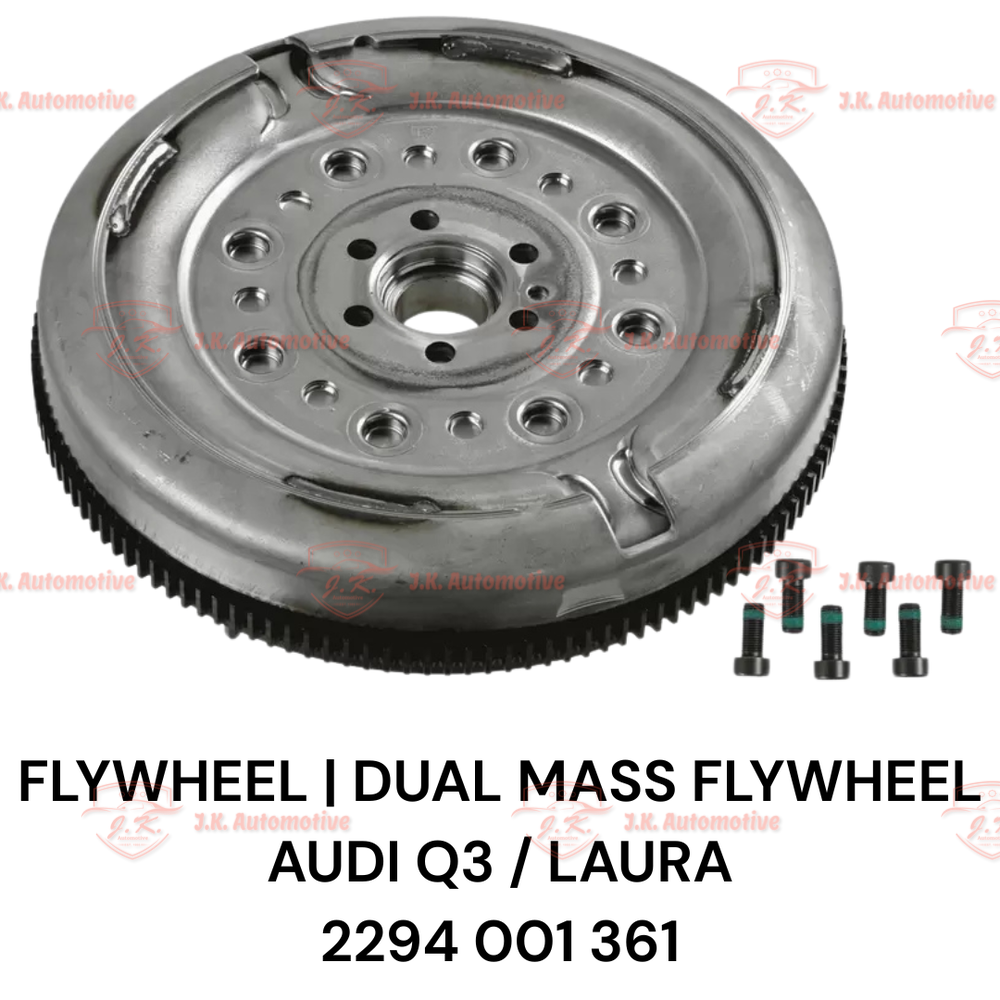
What is SACHS 2294001361 Dual Mass Flywheel for Audi Q3?
SACHS 2294001361 Dual Mass Flywheel is a drivetrain component intended for compatible Audi Q3 applications within the stated 2011–2018 model period, subject to confirmation of the exact engine, gearbox and vehicle specification before installation. A dual mass flywheel, commonly abbreviated as DMF, is positioned between the engine and transmission and is designed to manage the rotational irregularities and torsional vibrations generated by the engine before torque reaches the gearbox. Unlike a conventional single-piece flywheel, a dual mass design uses primary and secondary masses with an internal damping mechanism that allows controlled relative movement between the engine side and transmission side. The primary mass is connected to the engine crankshaft, while the secondary mass interfaces with the clutch assembly and transmission side of the drivetrain. Internal damping elements help absorb and isolate torsional oscillations that would otherwise be transmitted more directly into the gearbox. This function is particularly important because combustion events create rotational fluctuations rather than perfectly uniform crankshaft movement. SACHS 2294001361 is designed to work as part of the complete clutch and transmission system rather than as an isolated component. During acceleration, deceleration, idle, startup and shutdown, the flywheel experiences changing torque loads and repeated rotational movement. Over time, internal damping components and friction mechanisms can deteriorate through normal operating cycles, heat exposure and mechanical loading. Possible symptoms associated with a deteriorated DMF can include rattling or knocking noises, unusual vibration, increased drivetrain noise or abnormal behaviour during engine startup and shutdown. These symptoms should not automatically be treated as proof of flywheel failure because clutch components, engine mounts, transmission mounts, gearbox components and other drivetrain parts can produce similar behaviour. Professional diagnosis is therefore recommended before replacement. When the transmission is removed, the clutch disc, pressure plate and release system should also be inspected because these components operate directly with the flywheel assembly. Engine and transmission seals around the bellhousing should be checked for leakage. The existing flywheel reference and vehicle details should be compared carefully before ordering SACHS 2294001361. Correct installation procedures and professional drivetrain reassembly are recommended.
What are the benefits of installing SACHS 2294001361 on Audi Q3?
Installing SACHS 2294001361 can help restore the intended torsional damping and engine-to-transmission torque-transfer characteristics when professional inspection confirms that the existing dual mass flywheel in a compatible Audi Q3 has reached an unsuitable operating condition. The engine produces a series of combustion pulses that create rotational fluctuations in the crankshaft rather than perfectly uniform rotation. If these torsional oscillations were transferred directly into the transmission, they could contribute to increased vibration, noise and drivetrain harshness. A dual mass flywheel is designed to reduce the amount of this rotational disturbance reaching the gearbox by separating the engine-side and transmission-side masses through an internal damping mechanism. The primary mass follows crankshaft rotation, while the secondary mass transfers torque toward the clutch and transmission. Internal damping elements permit controlled relative movement between these sections and help absorb torsional energy before it travels further through the drivetrain. SACHS 2294001361 performs this function when correctly matched to the appropriate Audi Q3 engine and transmission configuration. A correctly operating DMF can contribute to controlled torque transfer, reduced transmission-side torsional vibration and more refined drivetrain behaviour. However, replacing the flywheel should only follow proper diagnosis because similar symptoms can originate elsewhere. Rattling at idle, vibration during startup or shutdown, unusual drivetrain noises or changes in clutch behaviour can also result from worn engine mounts, transmission mounts, clutch components, release-system faults or gearbox-related problems. When replacement is necessary, the clutch disc and pressure plate should be inspected for excessive wear, glazing, heat damage or contamination. The release bearing or applicable release mechanism should also be examined. Engine and transmission seals should be inspected for leakage because contamination can affect the clutch friction surfaces. The gearbox input area should be checked according to the applicable repair procedure. SACHS 2294001361 should be verified against the exact engine code, transmission specification, production information and existing component reference before purchase. Professional installation is recommended because replacement normally requires transmission removal and accurate reassembly.
What are the signs that the Audi Q3 Dual Mass Flywheel may need replacement?
Several symptoms can indicate that the dual mass flywheel in an Audi Q3 requires professional inspection, although none of these symptoms should be used alone to conclude that SACHS 2294001361 must be replaced. A deteriorated DMF may produce unusual rattling, knocking or mechanical noises from the engine and transmission area, particularly during idle, startup or engine shutdown. Changes in vibration levels may also become noticeable through the vehicle body, pedals or drivetrain. Some drivers may experience increased drivetrain harshness during acceleration or deceleration because the flywheel is no longer controlling torsional oscillations as effectively as intended. Abnormal noises during load changes can also justify further inspection. Startup and shutdown are particularly useful operating conditions to observe because the drivetrain passes through changing rotational speeds and the damping mechanism experiences significant movement. However, similar noises and vibrations can originate from engine mounts, transmission mounts, clutch components, release bearings, gearbox components, pulleys or other rotating parts. A clutch disc with damaged damping characteristics can also produce drivetrain vibration. A worn pressure plate can affect engagement behaviour. Oil contamination can cause clutch judder that may initially be mistaken for a flywheel problem. Professional diagnosis should therefore evaluate the complete engine, clutch and transmission system. If transmission removal is required, the DMF should be inspected according to the appropriate manufacturer or workshop procedure rather than judged solely by appearance. Excessive abnormal movement, mechanical deterioration, heat damage or other conditions outside the applicable service specification can indicate that replacement is required. The clutch disc should also be inspected for friction-material wear, glazing, contamination or damage. The pressure plate should be checked for heat-related deterioration and abnormal friction-surface condition. The release bearing or applicable release system should be examined for roughness or excessive wear. Engine and transmission seals should be inspected for leakage. If SACHS 2294001361 is selected as the replacement, its reference should be confirmed against the exact Audi Q3 engine, transmission, production date and existing flywheel before installation.
Why is a Dual Mass Flywheel important for the Audi Q3 drivetrain?
A dual mass flywheel is important to the Audi Q3 drivetrain because it helps manage the torsional vibration generated by the engine before rotational force reaches the transmission. An internal-combustion engine does not deliver perfectly constant rotational force because individual combustion events produce repeated torque pulses through the crankshaft. These fluctuations become part of the rotational input entering the drivetrain. Without suitable damping, a greater amount of this vibration can reach the gearbox and contribute to drivetrain noise, vibration and harshness. A dual mass flywheel addresses this by dividing the flywheel assembly into two principal rotating sections rather than relying on a single rigid mass. The primary mass is connected to the engine side, while the secondary mass interfaces with the clutch and transmission side. A damping mechanism between the two masses allows controlled relative rotational movement. This mechanism absorbs part of the torsional energy produced by engine firing pulses and helps isolate the transmission from certain rotational oscillations. SACHS 2294001361 is intended to perform this function when correctly matched with the appropriate Audi Q3 application. The flywheel also provides an operating interface for the clutch assembly, making its condition important for overall clutch and transmission behaviour. During vehicle operation, the DMF experiences repeated acceleration, deceleration and changing torque loads. Startup and shutdown also subject the assembly to significant speed changes. Heat generated through the clutch system and drivetrain operating conditions can further influence component condition over time. When internal damping characteristics deteriorate, the driver may notice increased rattling, knocking, vibration or drivetrain harshness. These symptoms should nevertheless be professionally diagnosed because several surrounding components can create similar effects. Engine and transmission mounts are particularly important to inspect when abnormal vibration is present. Clutch and release-system condition should also be evaluated. If replacement becomes necessary, the exact SACHS part number should be verified against the engine code, gearbox specification and production details. Correct installation and professional transmission reassembly are important for reliable drivetrain operation.
Is SACHS 2294001361 suitable for Audi Q3 models from 2011–2018?
SACHS 2294001361 is specified here as a Dual Mass Flywheel for compatible Audi Q3 applications within the stated 2011–2018 model period, but the year range should be treated as an application guide rather than the sole confirmation of fitment. Audi Q3 vehicles produced across this period can have different engines, power outputs, transmissions, drivetrain configurations and production revisions, and these differences can affect the flywheel specification required by an individual vehicle. The exact engine code is therefore an important compatibility criterion. Transmission type and gearbox code should also be verified because a flywheel must correspond correctly with the transmission and clutch configuration installed in the vehicle. Production date can provide additional information because component revisions may occur during a model lifecycle. Two vehicles carrying the same Q3 model designation and registration year should not automatically be assumed to use identical drivetrain components. Previous clutch, engine or transmission repairs can also affect the parts currently fitted to an individual vehicle. Visual similarity between two flywheels is not sufficient evidence that they are interchangeable because dimensions, internal damping characteristics, mounting arrangements and associated clutch specifications can differ. Before ordering SACHS 2294001361, compare the existing flywheel reference wherever possible and verify compatibility using the vehicle identification details and an appropriate parts catalogue. Once the correct application has been established, the surrounding clutch components should be inspected during replacement. The clutch disc should be examined for excessive friction-material wear, glazing, heat damage or contamination. The pressure plate should be checked for abnormal surface condition and deterioration. The release bearing or applicable release mechanism should also be inspected because transmission removal provides access to these components. Engine and transmission seals around the bellhousing should be checked for leakage before reassembly. Correct installation procedures should be followed for the flywheel and clutch system. Professional fitting is recommended because accurate component identification, transmission removal and drivetrain reassembly are required.
How does SACHS 2294001361 help control vibration and support drivetrain operation in Audi Q3?
SACHS 2294001361 helps control drivetrain vibration by using a dual mass construction that separates the engine-side rotational mass from the transmission-side mass through an internal damping mechanism. During engine operation, combustion events generate repeated torque pulses through the crankshaft. These pulses create torsional oscillations that can travel through the drivetrain if they are not adequately controlled. The primary section of the DMF follows the rotational movement of the engine, while the secondary section interfaces with the clutch and transmission. The damping mechanism between these sections permits controlled relative movement and absorbs part of the rotational energy generated by engine firing irregularities. By reducing the amount of torsional vibration transmitted directly into the gearbox, the flywheel contributes to more controlled drivetrain behaviour. This function operates continuously as engine speed and vehicle load change. During acceleration, the assembly handles increasing torque input. During deceleration, load direction and drivetrain forces can change. At idle, the damping system helps manage low-speed rotational irregularities. Startup and shutdown also place significant demands on the mechanism because rotational speed changes rapidly through a wide range. SACHS 2294001361 is intended to provide these functions when correctly matched with the relevant Audi Q3 engine and transmission configuration. Over time, internal wear or excessive thermal and mechanical loading can reduce the effectiveness of the damping mechanism. Increased rattling, knocking or vibration may then become noticeable. However, these symptoms can also be produced by clutch components, engine mounts, transmission mounts, release-system faults or gearbox-related problems. Diagnosis should therefore consider the entire drivetrain. When replacing the flywheel, inspect the clutch disc, pressure plate and release mechanism before reassembly. Engine and transmission seals should also be checked for leakage. The exact engine code, gearbox specification, production date and existing component reference should be verified before ordering SACHS 2294001361. Professional installation is recommended to ensure correct mounting, clutch assembly and transmission reinstallation.
Why should a worn Dual Mass Flywheel be replaced on Audi Q3?
A worn Dual Mass Flywheel should be replaced on an Audi Q3 when professional diagnosis confirms that the component has developed excessive internal wear, abnormal movement, deterioration of its damping mechanism, heat-related damage or another condition outside the appropriate service specification. The dual mass flywheel performs an important role between the engine and transmission because it helps manage torsional vibrations produced by the engine before these rotational fluctuations reach the gearbox. During combustion, the engine produces individual torque pulses rather than perfectly uniform rotational force. The primary mass of the flywheel receives this rotational input from the crankshaft, while the secondary mass interfaces with the clutch and transmission side of the drivetrain. Internal damping elements allow controlled relative movement between these two sections and absorb part of the torsional energy generated during engine operation. As the vehicle accumulates operating cycles, the internal damping mechanism is repeatedly exposed to acceleration, deceleration, engine startup, shutdown, idle operation and changing torque loads. Mechanical wear and thermal exposure can gradually affect the condition of the assembly. A deteriorated DMF may produce increased rattling, knocking, vibration or drivetrain harshness, particularly around idle, startup, shutdown or changing load conditions. However, these symptoms do not automatically prove that the flywheel has failed. Engine mounts, transmission mounts, clutch components, release-system components, gearbox parts and other rotating components can generate similar noises or vibration. A worn clutch disc or pressure plate can also affect engagement characteristics and create symptoms that may initially appear to originate from the flywheel. Professional diagnosis should therefore consider the complete drivetrain before SACHS 2294001361 is installed. When the transmission is removed, the clutch disc should be inspected for excessive wear, glazing, contamination or heat damage. The pressure plate should also be checked for abnormal surface condition and deterioration. The release bearing or applicable release mechanism should be examined for roughness, excessive wear or unusual noise. Engine and transmission seals around the bellhousing should be inspected for leakage. If the existing DMF is confirmed to be outside its applicable service limits, replacement can help restore the intended torsional damping characteristics of the drivetrain. The exact engine, gearbox, production date and existing part reference should be verified before ordering SACHS 2294001361.
How does SACHS 2294001361 Dual Mass Flywheel help reduce vibration and drivetrain noise in Audi Q3?
SACHS 2294001361 helps manage vibration and drivetrain noise by using a dual mass construction with an internal damping mechanism positioned between the engine-side and transmission-side sections of the flywheel. An internal-combustion engine generates a sequence of combustion events that create repeated rotational pulses through the crankshaft. These pulses produce torsional oscillations rather than perfectly constant rotation. If a greater amount of this rotational irregularity reaches the transmission directly, it can contribute to gearbox noise, vibration and drivetrain harshness under certain operating conditions. A dual mass flywheel helps isolate the transmission from part of these torsional fluctuations. The primary mass is connected to the engine crankshaft and follows engine rotation. The secondary mass operates on the clutch and transmission side. Between these sections is a damping system that allows controlled relative rotational movement. When the engine generates a torque pulse, the damping mechanism absorbs and moderates part of the rotational energy before it is transmitted further through the drivetrain. This process occurs continuously while the engine is operating. At idle, the system helps manage low-speed rotational irregularities. During acceleration, the mechanism responds to increasing torque input. During deceleration and load changes, the drivetrain experiences different rotational forces that must also be controlled. Startup and shutdown place additional demands on the damping mechanism because engine speed passes rapidly through different rotational ranges. SACHS 2294001361 is intended to perform this function when correctly matched to the relevant Audi Q3 drivetrain configuration. As internal components wear, damping effectiveness can deteriorate and additional rattling, knocking or vibration may become noticeable. Nevertheless, abnormal noise should be correctly diagnosed because engine mounts, transmission mounts, clutch components and gearbox parts can create similar symptoms. When replacing the flywheel, the clutch disc, pressure plate and release mechanism should also be inspected. Any oil leakage around the bellhousing should be corrected before reassembly. The exact engine code, gearbox specification, production details and existing component reference should be confirmed before installation. Professional fitting is recommended because correct mounting and drivetrain reassembly are essential.
Should the clutch plate, pressure plate and release bearing be checked when replacing SACHS 2294001361 on Audi Q3?
Yes, the clutch plate, pressure plate and release bearing or applicable clutch release system should be carefully inspected whenever SACHS 2294001361 is being installed because these components operate directly with the flywheel and become accessible once the transmission has been removed. The clutch disc operates against the flywheel friction surface and transfers engine torque toward the transmission when the clutch is engaged. Its friction material should therefore be inspected for excessive wear, glazing, cracking, contamination, overheating or other abnormal deterioration. An excessively worn or contaminated disc may produce slipping, judder or inconsistent engagement even if a new flywheel has been installed. The pressure plate should also be inspected because it provides the clamping force required to hold the friction disc against the flywheel during normal driving. Its friction surface should be checked for abnormal wear, heat damage or other deterioration. The pressure plate release mechanism should also operate correctly. The release bearing or applicable release assembly is another important component because it acts on the pressure plate when the driver operates the clutch pedal. Roughness, excessive wear, abnormal movement or unusual noise can indicate that the release system requires attention. The condition of these components is especially important because transmission removal involves substantial labour, making it practical to inspect the complete accessible clutch system while the gearbox is already removed. Engine and transmission seals around the bellhousing should also be checked carefully for leakage. Oil contamination can affect the clutch friction surfaces and cause slipping or judder. The gearbox input area should be inspected according to the appropriate workshop procedure. The existing flywheel should also be examined to determine why replacement is required and whether excessive heat or another drivetrain condition contributed to deterioration. SACHS 2294001361 should not be installed as an isolated repair without considering the condition of surrounding components. Parts should be replaced according to their measured condition and the applicable service procedure rather than automatically replacing every accessible component. Before installation, the exact Audi Q3 engine code, gearbox specification, production date and existing flywheel reference should be confirmed. Correct clutch alignment, appropriate fastening procedures and professional transmission reassembly are recommended.
Is professional installation recommended for SACHS 2294001361 Audi Q3 Dual Mass Flywheel?
Professional installation is strongly recommended for SACHS 2294001361 because replacing a Dual Mass Flywheel on an Audi Q3 normally requires transmission removal, specialized workshop equipment, correct drivetrain support, careful component inspection and accurate reassembly according to the applicable repair procedure. Before beginning the repair, compatibility should be confirmed using the exact engine code, gearbox specification, production information and existing flywheel reference. The vehicle must be safely supported and relevant drivetrain components correctly disconnected before the transmission can be removed. Once the flywheel is accessible, the existing component should be inspected to help determine the cause of the original symptoms. The condition of the clutch disc should also be examined for excessive friction-material wear, glazing, contamination or heat damage. The pressure plate should be checked for abnormal friction-surface condition, overheating or mechanical deterioration. The release bearing or applicable release mechanism should be inspected for roughness, excessive wear or unusual noise. Engine and transmission seals around the bellhousing should be checked for leakage because contamination can affect the clutch assembly. The crankshaft mounting area and associated mating surfaces should be clean and suitable before the replacement flywheel is installed. Correct fasteners and the applicable tightening procedure should be used according to the vehicle and component repair specifications. Fastener requirements should not be estimated because flywheel mounting is a critical mechanical connection between the engine and drivetrain. The new component should not be disassembled or altered unless specifically permitted by the relevant service instructions. Once the flywheel is correctly installed, the clutch components must be assembled and aligned accurately. The gearbox should then be aligned and reinstalled without using excessive force to draw it into position. After reassembly, clutch operation, gear selection and drivetrain behaviour should be checked. Any applicable adaptation or service procedure should be completed where required for the specific vehicle configuration. A controlled road test can then be used to confirm normal operation. Professional installation therefore helps ensure that SACHS 2294001361 and the surrounding clutch and transmission components are correctly inspected, mounted and tested.
Why is SACHS considered one of the best Dual Mass Flywheel brands for Audi Q3 compared with Bilstein?
SACHS is directly relevant to an Audi Q3 Dual Mass Flywheel application because SACHS has dedicated clutch and drivetrain products, including flywheel and clutch-system components, whereas Bilstein is principally associated with shock absorbers, suspension damping and chassis technology, so the two brands are not direct alternatives within this particular product category. SACHS 2294001361 is a drivetrain component whose function is to manage torsional vibration between the engine and transmission while providing the appropriate interface for the clutch system. A dual mass flywheel uses two principal rotating masses separated by an internal damping mechanism. The primary mass receives rotational input from the engine crankshaft, while the secondary mass operates on the clutch and transmission side. Controlled relative movement between these sections helps absorb part of the torsional oscillation generated by engine combustion pulses before that vibration reaches the gearbox. Bilstein shock absorbers perform a fundamentally different function. Suspension dampers control spring and wheel movement as part of the vehicle chassis system rather than managing rotational vibration between the engine and gearbox. A Bilstein suspension component therefore cannot be considered a substitute for SACHS 2294001361. This distinction is important when comparing the two brands because brand comparison should be made according to the actual component category and technical application rather than overall brand recognition. For an Audi Q3 requiring a replacement DMF, the relevant considerations include the correct flywheel reference, engine code, gearbox specification, production date, clutch configuration and condition of the surrounding drivetrain components. SACHS provides the relevant product type for this application, while Bilstein's principal specialization lies in suspension and damping systems. Correct part identification remains more important than choosing solely by brand name. Before ordering SACHS 2294001361, the existing component reference and exact vehicle specification should be verified. During installation, the clutch disc, pressure plate and release system should also be inspected. Engine and transmission seals should be checked for leakage, and the appropriate mounting and tightening procedures should be followed. Professional installation is recommended because accurate fitment and drivetrain reassembly are essential for correct operation.


Reviews
There are no reviews yet.