What is Front Shock Absorber Set A1663231000 / A1663233290 for Mercedes Benz GLE W166?
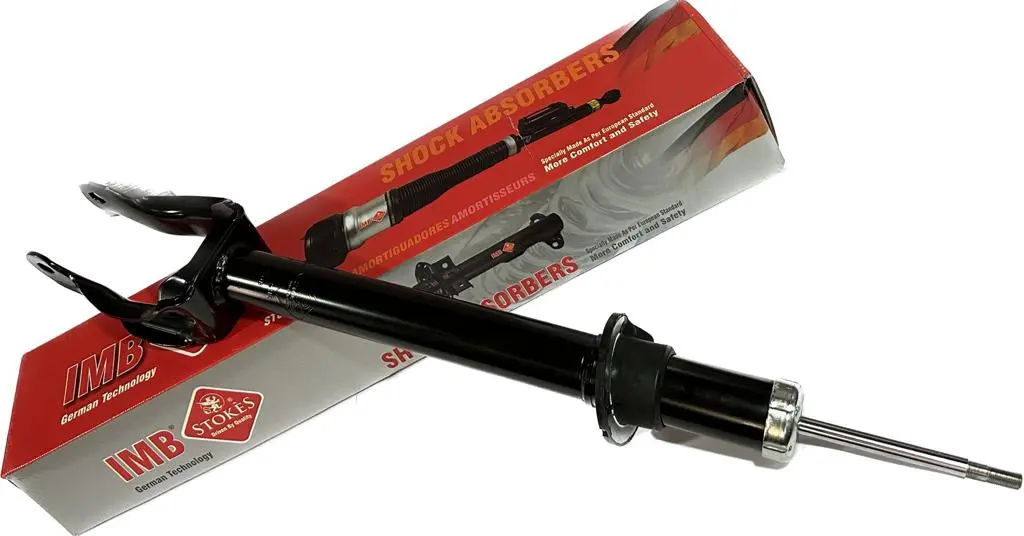
Front Shock Absorber Set A1663231000 / A1663233290 is intended for the stated Mercedes Benz GLE W166 front suspension application with the supplied year range 2011–2019 and is specifically identified as Normal Type and a Set of 2, meaning the supplied product information covers the stated pair of front shock absorbers rather than an electrically controlled or Airmatic shock absorber application. The primary function of the front shock absorbers is to control compression and rebound movement as the front wheels respond to bumps, depressions, road joints, uneven surfaces, braking, acceleration, cornering and changing road conditions. A shock absorber does not prevent suspension movement; instead, it regulates the rate at which the suspension compresses and returns so unnecessary continued oscillation is reduced. When a front wheel travels upward over a raised road surface, the damper controls the compression stroke. When the suspension returns toward its normal position, rebound damping regulates that return movement and helps the vehicle body settle progressively. Front damping is particularly important during braking because load transfers toward the front axle, increasing the forces acting through the front suspension. During cornering, the left and right sides experience changing loads, while uneven surfaces can cause rapid individual wheel movements that the dampers must continuously control. Because this product is identified as Normal Type, compatibility should be confirmed against the actual existing front suspension configuration before ordering rather than assuming every GLE W166 uses the same shock absorber type. References A1663231000 and A1663233290 should remain exactly as supplied during product identification and should be compared with the existing component information and suitable vehicle-specific parts data. The replacement units should also be compared physically with the existing front dampers for overall construction, upper and lower mounting arrangements, brackets and locating features. The complete front suspension should be inspected when diagnosing ride or handling concerns because worn top mounts, springs, control arms, bushes, ball joints or related joints can create symptoms similar to worn shock absorbers. Sway bar links, sway links, anti roll link rods and stabiliser sway links should also be checked where applicable. Tyres should be inspected for pressure, condition and irregular wear. The supplied Mercedes Benz GLE W166, Normal Type, Set of 2, references A1663231000 / A1663233290 and 2011–2019 application should remain unchanged throughout compatibility verification.
How can I confirm A1663231000 / A1663233290 Front Shock Absorber compatibility with Mercedes Benz GLE W166?
Compatibility of Front Shock Absorber Set A1663231000 / A1663233290 with the stated Mercedes Benz GLE W166 should be confirmed using the exact supplied references, Normal Type specification, Set of 2 configuration, existing front suspension design, mounting arrangement and suitable vehicle-specific information rather than relying only on the Mercedes Benz GLE name, W166 chassis designation or supplied 2011–2019 year range. Begin by establishing that the vehicle uses the suspension configuration corresponding with the stated Normal Type product because different suspension configurations should not be assumed to use interchangeable shock absorbers. Compare references A1663231000 and A1663233290 with identification information available from the existing components and appropriate vehicle-specific parts data. If reference information from the vehicle is incomplete, VIN-based verification can provide an additional compatibility check before ordering. Physically compare the replacement components with the existing front shock absorbers whenever possible. Check overall length and construction, body configuration, upper mounting arrangement, lower mounting arrangement, brackets, locating features and any other physical interfaces relevant to installation. The replacement should correspond naturally with the existing suspension without cutting, drilling, welding, forced alignment or improvised modification. If the existing front suspension has previously been modified or converted, the vehicle model and year alone may no longer identify the correct component, making direct physical comparison particularly important. The surrounding suspension should also be inspected because a ride or handling concern may originate from components other than the shock absorbers. Check top mounts and related mounting hardware for deterioration or excessive movement. Inspect springs for visible damage or abnormal seating. Control arms and bushes should be examined for deterioration, while ball joints and steering-related joints should be checked for excessive play where applicable. Sway bar links, sway links, anti roll link rods and stabiliser sway links should also be inspected when knocking or unwanted movement occurs. Tyres should be checked for inflation pressure, tread condition and irregular wear. Wheel alignment or suspension geometry should be evaluated when abnormal tyre wear or directional behaviour is present. Because two references have been supplied for this product, preserve A1663231000 / A1663233290 exactly as provided rather than assigning an unsupported left/right relationship. Final compatibility should be based on the actual suspension configuration, component references and physical installation details.
What are the symptoms of bad Front Shock Absorbers on Mercedes Benz GLE W166?
Possible symptoms of deteriorated Front Shock Absorbers on the stated Mercedes Benz GLE W166 can include excessive front-end bouncing, increased body movement, slower settling after bumps, greater movement during braking, reduced control over repeated road undulations, unusual suspension noise, visible abnormal condition around the shock absorber, irregular tyre wear or a general deterioration in ride quality, although these symptoms should be diagnosed carefully because top mounts, springs, control arms, bushes, ball joints, sway bar links, tyres and wheel geometry can produce similar or overlapping behaviour. Shock absorbers control compression and rebound movement every time the front wheels respond to changes in the road surface. When damping effectiveness deteriorates, the suspension may continue moving for longer after encountering a bump or depression instead of settling progressively. This can make the front of the vehicle feel more active on uneven roads and may become particularly noticeable when several road disturbances occur in quick succession. Braking can also make weak front damping more apparent because vehicle load transfers toward the front axle. If the dampers cannot adequately regulate suspension movement, the front body movement during braking may feel more pronounced, although braking-related behaviour must also be assessed together with tyres, brakes and other suspension components. During cornering, changing forces act on the left and right front suspension positions, and deteriorated damping can affect how progressively the vehicle settles through those transitions. Inspect both front shock absorbers for visible physical damage or abnormal condition where accessible. Check the upper mounting areas because worn top mounts can cause noise or movement that may be mistaken for damper failure. Springs should be inspected for damage, incorrect seating or other visible concerns. Control arms and bushes should be checked for excessive movement, while ball joints and related joints should be assessed for play. Sway bar links, sway links, anti roll link rods and stabiliser sway links should be inspected when knocking occurs over uneven roads. Tyres should be checked for inflation pressure and irregular tread wear because tyre-related problems can influence ride and handling. Wheel geometry should be considered when unusual wear patterns or directional concerns are present. For this product, references A1663231000 / A1663233290, Normal Type, Set of 2 and the supplied Mercedes Benz GLE W166 2011–2019 application should remain unchanged during diagnosis and replacement verification.
Can worn Mercedes Benz GLE W166 Front Shock Absorbers cause bouncing and excessive movement during braking?
Worn Front Shock Absorbers can contribute to excessive bouncing and increased front suspension movement during braking on the stated Mercedes Benz GLE W166 because the dampers regulate compression and rebound movement while the front suspension responds to changing road surfaces and load transfer, although these symptoms should not automatically be attributed to references A1663231000 / A1663233290 without inspecting the complete front suspension, tyres and related components. During braking, vehicle load transfers toward the front axle, increasing compression forces acting through the front suspension. Functional dampers help control the rate of this movement and the subsequent rebound as the vehicle settles. When damping performance has deteriorated, the suspension may compress and rebound with less control, potentially creating greater body movement or requiring more time to settle after braking or road disturbances. The same principle applies when driving over bumps and depressions. Each front wheel moves in response to the road surface, and the shock absorber controls how quickly this movement occurs and how efficiently it settles. If damping becomes weak, the front suspension may continue oscillating after the original disturbance has passed. Repeated road undulations can make the behaviour more noticeable because one compression and rebound cycle may not settle fully before another begins. However, front-end movement can have several causes. Springs should be inspected because they support vehicle load and influence suspension position. Top mounts and mounting components should be checked for wear, looseness or deterioration. Control arms and bushes should be inspected because excessive movement can affect wheel control under braking and cornering. Ball joints and related suspension joints should be checked for play where applicable. Sway bar links, sway links, anti roll link rods and stabiliser sway links should be examined when knocking or unwanted body movement occurs. Tyres should be checked for pressure, tread condition and physical damage because tyre condition influences vehicle response during braking and cornering. Wheel alignment or suspension geometry should be evaluated when directional behaviour or abnormal tyre wear is present. Because this product is identified as Normal Type, confirm that the vehicle's existing front suspension corresponds with this configuration before ordering. References A1663231000 and A1663233290 should remain exactly as supplied, and no unsupported left/right allocation should be assumed.
Why are Mercedes Benz GLE W166 Front Shock Absorbers A1663231000 / A1663233290 supplied as a Set of 2?
The supplied product is identified as a Front Shock Absorber Set of 2 for the stated Mercedes Benz GLE W166 Normal Type suspension application, meaning the listing covers a pair of front shock absorbers under the supplied references A1663231000 / A1663233290 for the stated 2011–2019 year range, and these product details should remain unchanged during identification and compatibility verification. Front dampers operate across the same axle to control compression and rebound movement at the front suspension positions, so replacement as a pair can be relevant when inspection indicates that both existing units have accumulated comparable wear or that paired replacement is appropriate. However, being supplied as a Set of 2 does not by itself prove that both existing dampers have failed. Replacement decisions should still be based on inspection, diagnosis and component condition. Shock absorbers experience a very large number of compression and rebound cycles during normal vehicle operation. Road bumps, depressions, speed changes, braking, acceleration and cornering continually create suspension movement. If both front dampers have been operating for similar service periods under comparable conditions, their wear may develop over a similar timeframe, although one component can deteriorate earlier because of local road impacts, mounting problems or other suspension conditions. When front shock absorbers are being replaced, surrounding components should be inspected while the suspension is accessible. Top mounts and related mounting hardware should be checked for deterioration or looseness. Springs should be inspected for visible damage and correct seating. Control arms and bushes should be examined for excessive movement. Ball joints and related suspension joints should be checked for play where applicable. Sway bar links, sway links, anti roll link rods and stabiliser sway links should also be inspected because wear in these components can create knocking or unwanted movement that may otherwise be attributed to the dampers. Tyres should be inspected for inflation pressure, physical condition and irregular wear. After suspension work, wheel alignment or geometry should be evaluated where appropriate. Because references A1663231000 and A1663233290 were supplied together, preserve them exactly as provided rather than inventing an unverified left/right assignment. The stated Mercedes Benz GLE W166, Normal Type, Set of 2 and 2011–2019 application should also remain unchanged.
What should be checked before installing A1663231000 / A1663233290 Front Shock Absorbers on Mercedes Benz GLE W166?
Before installing Front Shock Absorbers A1663231000 / A1663233290 on the stated Mercedes Benz GLE W166, verify the exact supplied references, Normal Type specification, Set of 2 configuration, existing suspension type, shock absorber construction, upper and lower mounting arrangements, brackets and surrounding front suspension components so compatibility is established before installation and unrelated suspension problems are not left unresolved. Begin by confirming that the vehicle uses the suspension configuration corresponding with the stated Normal Type product. Do not assume that every Mercedes Benz GLE W166 uses the same front damper configuration simply because the chassis designation and production year appear correct. Compare references A1663231000 and A1663233290 with the existing component information and suitable vehicle-specific data. VIN-based verification should be considered when exact compatibility remains uncertain. Physically compare the replacement shock absorbers with the removed units before installation. Check overall construction, approximate dimensions, shock body configuration, upper mounting arrangement, lower mounting arrangement, brackets, locating points and any interfaces required by the existing suspension. Components should align naturally without drilling, welding, cutting, forced mounting or improvised modification. Inspect the top mounts and related mounting components because deterioration in these areas can cause noise and unwanted suspension movement even after new dampers are fitted. Springs should be checked for visible damage, corrosion concerns, incorrect seating or other abnormalities where applicable. Control arms and bushes should be inspected for cracking, deterioration or excessive movement. Ball joints and other relevant suspension joints should be checked for play. Sway bar links, sway links, anti roll link rods and stabiliser sway links should be inspected, particularly if the vehicle previously produced knocking noises over uneven roads. Tyres should be checked for correct inflation pressure, physical condition and irregular tread wear. After installation, confirm that mounting components are correctly positioned and secured according to the appropriate procedure. Suspension movement should be checked for interference, binding or abnormal noise. A controlled road test can then be used to assess damping response, front-end settling and general suspension behaviour. Wheel alignment or suspension geometry should be checked where appropriate after front suspension work. Preserve the supplied Mercedes Benz GLE W166, Normal Type, Set of 2, A1663231000 / A1663233290 and 2011–2019 details throughout identification and installation.
How do Front Shock Absorbers A1663231000 / A1663233290 work on Mercedes Benz GLE W166?
Front Shock Absorbers A1663231000 / A1663233290 work on the stated Mercedes Benz GLE W166 Normal Type front suspension by controlling compression and rebound movement as the front wheels respond to bumps, depressions, road joints, braking, acceleration, cornering and continuously changing road surfaces, helping the suspension and vehicle body settle progressively instead of continuing unnecessary movement after each disturbance. The supplied product is identified as a Set of 2 and Normal Type, so compatibility should be confirmed with the actual suspension configuration before installation rather than assuming every GLE W166 uses the same front damper arrangement. A shock absorber does not support all vehicle weight or prevent suspension travel; its primary role is to regulate the speed and continuation of suspension movement. When a front wheel travels upward over a raised surface, the damper controls the compression stroke as the suspension moves inward. When the wheel moves back toward its normal position, rebound damping regulates the return movement. This process occurs repeatedly during normal driving because road surfaces continually produce vertical wheel movement. Front damping is especially relevant during braking because vehicle load transfers toward the front axle, increasing compression forces through the front suspension. Controlled damping helps regulate this movement and the subsequent rebound as the vehicle settles. Acceleration changes load distribution in the opposite direction, while cornering creates changing forces between the left and right front suspension positions. The dampers therefore operate under continually changing conditions rather than only when the vehicle encounters large bumps. Springs, shock absorbers and suspension locating components perform different but related functions, so a ride problem should not automatically be attributed to one component. Top mounts should be checked because wear can create movement or noise. Springs should be inspected for visible damage and correct seating. Control arms, bushes and ball joints should be inspected for deterioration or excessive play. Sway bar links, sway links, anti roll link rods and stabiliser sway links should also be checked where applicable. Tyres should be inspected for inflation pressure, condition and irregular wear. References A1663231000 and A1663233290 should remain exactly as supplied during identification, and an unsupported left/right allocation should not be assumed. The stated Mercedes Benz GLE W166, Normal Type, Set of 2 and 2011–2019 application should remain unchanged during compatibility verification.
Can worn Front Shock Absorbers A1663231000 / A1663233290 affect Mercedes Benz GLE W166 handling?
Worn Front Shock Absorbers can affect the way the stated Mercedes Benz GLE W166 responds to bumps, braking, cornering and repeated road undulations because reduced damping performance allows greater or more prolonged suspension movement, although handling changes should be diagnosed across the complete front suspension, steering, tyres and wheel geometry rather than automatically attributed to references A1663231000 / A1663233290. During normal driving, the front wheels continuously move vertically in response to road surfaces while the dampers regulate compression and rebound. When damping effectiveness deteriorates, the suspension can take longer to settle after a disturbance, potentially making the front of the vehicle feel more active or less controlled over uneven roads. During braking, load transfers toward the front axle and the front suspension compresses. Effective dampers help regulate the rate of this compression and subsequent rebound, while deteriorated damping may allow greater or more prolonged body movement. Cornering also creates changing forces between the left and right suspension positions, making consistent damping important for predictable suspension response. However, similar symptoms can result from worn control-arm bushes, ball joints, top mounts or other suspension joints. Tyre condition is also important because incorrect pressure, uneven wear, damaged tyres or significant differences between tyres can influence handling independently of shock absorber condition. Wheel alignment or suspension geometry should be checked when the vehicle exhibits directional concerns or irregular tyre wear. Springs should be inspected because a damaged or incorrectly seated spring can affect ride height and suspension behaviour. Top mounts and related mounting components should be examined for deterioration, looseness or abnormal movement. Control arms and bushes should be checked under appropriate conditions for excessive movement. Ball joints should be inspected for play where applicable. Sway bar links, sway links, anti roll link rods and stabiliser sway links should be checked particularly when knocking occurs on uneven roads. Steering components should also be inspected when symptoms involve steering looseness or directional instability. Because the supplied shock absorbers are identified as Normal Type, confirm the existing suspension configuration before replacement. Preserve references A1663231000 and A1663233290 exactly as supplied and verify them against the existing components and suitable vehicle-specific information before installation.
Can bad Mercedes Benz GLE W166 Front Shock Absorbers cause uneven tyre wear?
Deteriorated Front Shock Absorbers on the stated Mercedes Benz GLE W166 can contribute to reduced control of wheel movement and may be one factor associated with irregular tyre contact and wear, but uneven tyre wear should never be attributed automatically to the dampers because tyre inflation pressure, wheel alignment, suspension geometry, control-arm bushes, ball joints, steering components, springs and other mechanical conditions can also produce abnormal wear patterns. Front dampers continuously regulate compression and rebound as each wheel follows changing road surfaces. If damping becomes weak, a wheel can continue moving for longer after a bump or depression rather than settling efficiently, which can reduce the consistency of wheel control under some driving conditions. However, tyre wear should be diagnosed systematically because its pattern can provide useful clues about the underlying cause. Begin by checking tyre inflation pressure and compare it with the appropriate vehicle requirements because incorrect pressure can create wear independently of suspension condition. Inspect tread depth across the full width of both front tyres rather than checking only the centre. Compare inner-edge, outer-edge and central wear, and examine the tyre for localised irregularities. Wheel alignment or suspension geometry should be measured when abnormal wear is present because incorrect toe or other geometry conditions can rapidly affect tread life. Control arms and bushes should be inspected because excessive movement can allow wheel position to change under braking and road loads. Ball joints and relevant steering joints should be checked for play because looseness can influence wheel control and alignment stability. Top mounts should also be inspected for deterioration or movement. Springs should be checked for visible damage or abnormal seating. Sway bar links, sway links, anti roll link rods and stabiliser sway links should be assessed where applicable, although these components should not automatically be blamed for a tyre-wear pattern without diagnosis. Both front shock absorbers should be inspected for visible damage and their damping condition assessed appropriately. Because this product is supplied as a Set of 2, both existing front positions can be evaluated during diagnosis. References A1663231000 / A1663233290 should be verified against the existing components, while the supplied Mercedes Benz GLE W166, Normal Type and 2011–2019 application details should remain unchanged.
Should both Front Shock Absorbers be replaced together on Mercedes Benz GLE W166?
Replacing both front shock absorbers together on the stated Mercedes Benz GLE W166 can be appropriate when inspection shows that both existing dampers have accumulated comparable wear, deterioration or service exposure, and this particular product is supplied as a Set of 2 under references A1663231000 / A1663233290, although the actual replacement decision should be based on diagnosis and compatibility rather than assuming that both units have failed simply because the product is sold as a pair. The two front dampers operate on the same axle and are repeatedly exposed to compression and rebound cycles as the wheels encounter road irregularities. When both components have covered similar service conditions, their general wear can develop over a similar period, although one damper can deteriorate earlier because of a severe road impact, mounting problem or localised suspension condition. Balanced damping across the front axle is relevant to predictable suspension response, which is why the condition of both sides should be evaluated whenever one shock absorber is suspected of deterioration. During inspection, compare the response and physical condition of both existing front dampers rather than evaluating only the side that initially produced a symptom. Check the shock bodies and mounting areas for visible abnormal conditions. Inspect top mounts and related hardware because deteriorated mounting components can create noise or movement even after the shock absorbers are replaced. Springs should be examined for damage, incorrect seating or other abnormalities. Control arms and bushes should be checked for deterioration and excessive movement. Ball joints and relevant steering joints should also be inspected for play where applicable. Sway bar links, sway links, anti roll link rods and stabiliser sway links should be inspected if knocking or unwanted front suspension movement exists. Tyres should be checked for pressure, tread condition and irregular wear, while wheel alignment or suspension geometry should be evaluated where appropriate after suspension work. Because the product is specifically identified as Normal Type, verify that the existing vehicle suspension corresponds with this configuration before ordering. References A1663231000 and A1663233290 should remain exactly as supplied and should not be assigned to individual left or right positions without verified component information. The supplied Mercedes Benz GLE W166, Set of 2 and 2011–2019 details should also remain unchanged.
How do I know if the Front Shock Absorbers are bad on my Mercedes Benz GLE W166?


Reviews
There are no reviews yet.