What is Rear Left / Right Airmatic Shock Absorber C2D11404 for Jaguar XJL?
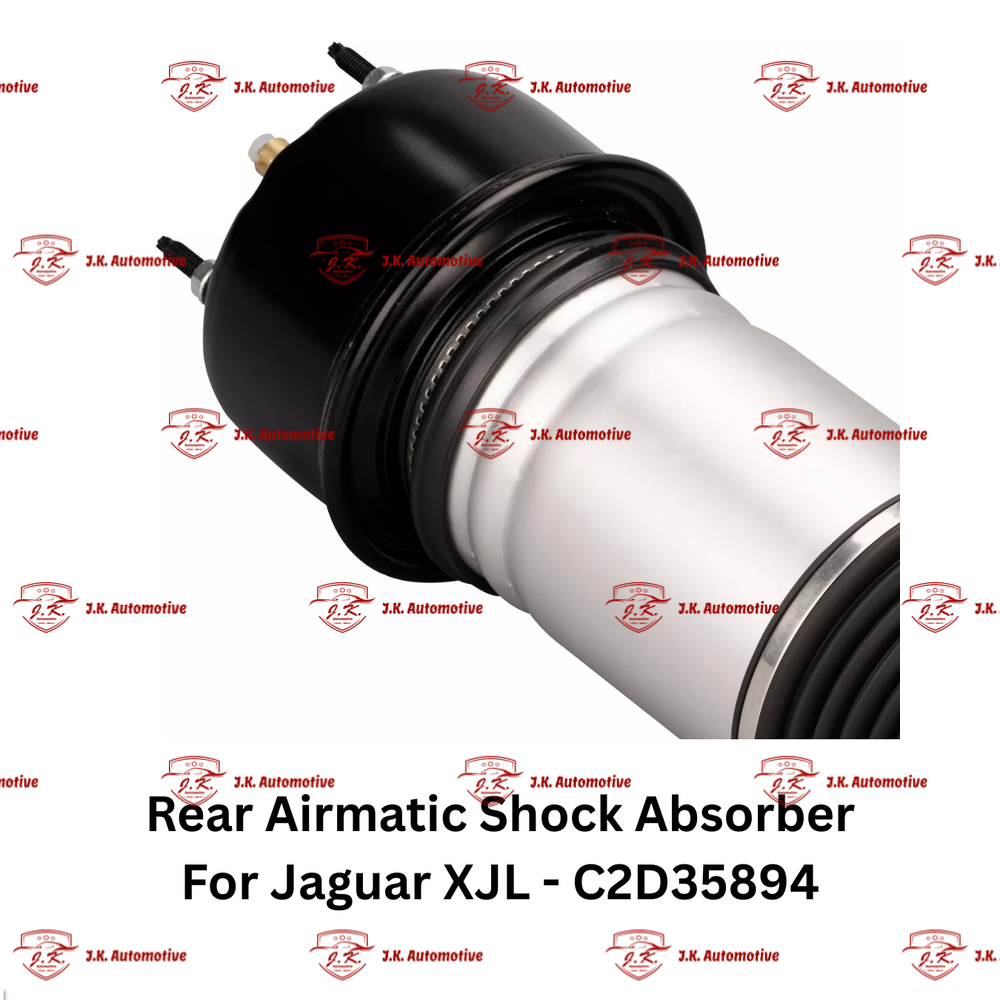
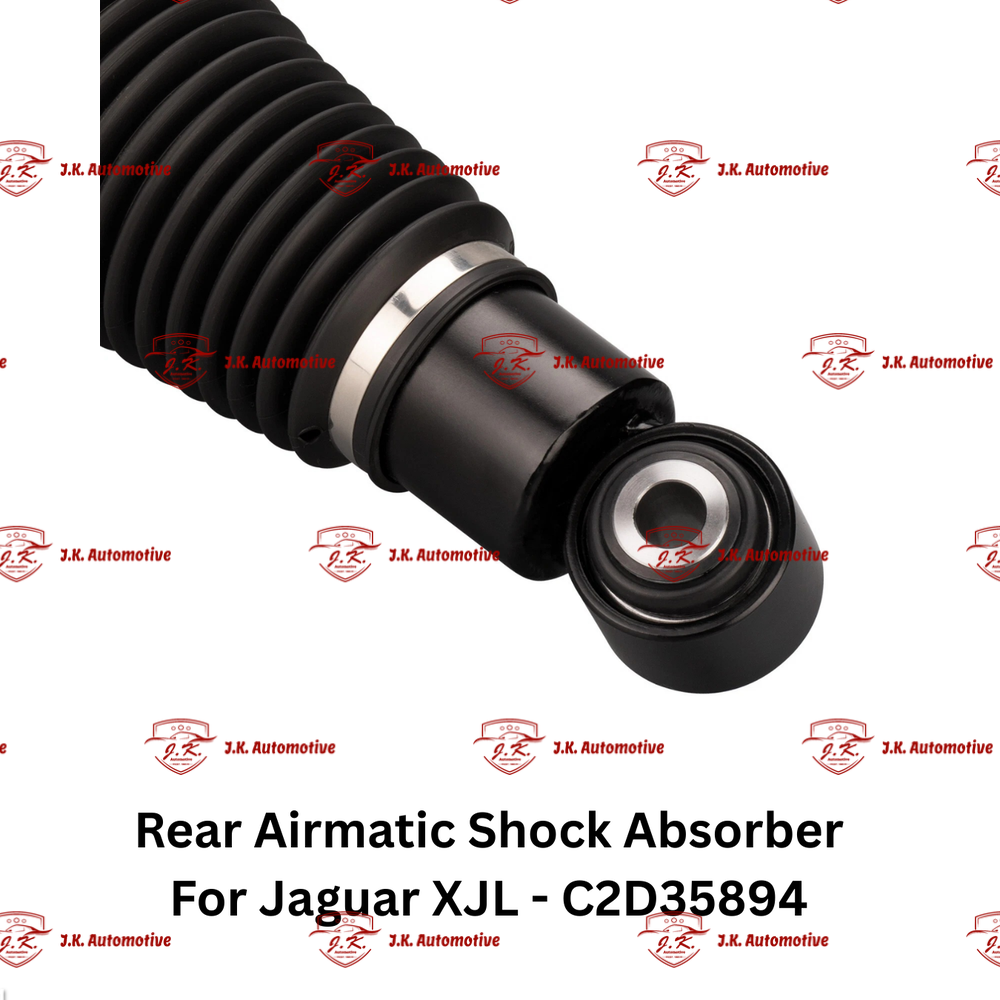
Rear Left / Right Airmatic Shock Absorber C2D11404 is intended for the stated Jaguar XJL rear suspension application with the supplied year range 2010–2019 and is identified in the supplied product information for Rear Left / Right use, combining pneumatic suspension support with controlled compression and rebound damping as part of the vehicle's applicable air suspension system. The pneumatic section operates using compressed air supplied through the suspension system, while the damping section controls the speed of suspension movement when the rear wheels travel over bumps, depressions and uneven road surfaces. During normal driving, rear suspension movement changes continuously because of road conditions, acceleration, braking, cornering, passenger load and other forces acting on the vehicle. Controlled compression helps manage suspension movement as a wheel moves upward, while rebound damping controls the return movement after compression. The air suspension compressor generates compressed air when additional system pressure is required, while pneumatic lines carry the pressure through the suspension circuit. The applicable valve block participates in controlling pneumatic pressure distribution to the relevant suspension positions. Once the required suspension position has been achieved, the pneumatic circuit must retain pressure correctly to help maintain vehicle height. If pressure is lost from a suspension unit, pneumatic line, fitting or another relevant part of the system, the affected rear position may gradually lower while the vehicle is standing. The compressor may then operate to restore lost pressure when the system becomes active. This means frequent compressor operation can sometimes be a consequence of pneumatic leakage rather than the compressor itself being the original fault. Damping deterioration can create different symptoms, including increased bouncing or slower settling after bumps even when standing height remains comparatively stable. Pneumatic pressure retention and damping condition should therefore be diagnosed separately. The exact supplied reference C2D11404 should remain unchanged during product identification. Because the supplied product title specifically states Rear Left / Right, preserve that application wording rather than changing the side information. The supplied Jaguar XJL, Rear Left / Right, C2D11404 and 2010–2019 year range should all be verified against the existing suspension configuration before ordering or installation.
How can I confirm C2D11404 Rear Airmatic Shock compatibility with my Jaguar XJL?
Compatibility of C2D11404 Rear Airmatic Shock Absorber with the stated Jaguar XJL should be confirmed using the exact supplied reference C2D11404, Rear Left / Right application information, vehicle identification, existing suspension-unit reference, pneumatic connection, mounting arrangement and any applicable electrical connection rather than relying only on the Jaguar XJL model name, production year or visual similarity between suspension components. The supplied product information states Jaguar XJL with the year range 2010–2019 and identifies the component for Rear Left / Right use, so these details should remain unchanged throughout product identification. Begin by comparing C2D11404 directly with the reference on the existing suspension component where available and with appropriate vehicle-specific parts information. Because the supplied title states Rear Left / Right, this application information should be preserved, while the actual vehicle configuration should still be checked before installation. Physically compare the existing and replacement suspension units for overall construction, upper and lower mounting arrangements, pneumatic connection location, applicable brackets and any electrical connector present on the existing configuration. A compatible replacement should correspond naturally with the existing arrangement without forced installation, modified mounting points, improvised pneumatic fittings or altered electrical connections. VIN-based verification should be used whenever compatibility cannot be established confidently from the existing component and reference information. The surrounding air suspension system should also be inspected because replacement of the shock absorber will not correct pressure loss located in a pneumatic line, fitting, valve block or another suspension component. If the vehicle has been lowering while parked, pressure-retention testing should be performed before replacement. If the compressor has been operating frequently, the reason for repeated pressure demand should also be investigated. When the primary complaint is bouncing or slow suspension settling rather than vehicle lowering, damping condition and surrounding mechanical suspension components should be assessed separately from pneumatic leakage. Tyres, suspension bushes, links and mounting components should also be considered when diagnosing ride or noise concerns. The exact reference C2D11404, Jaguar XJL application, Rear Left / Right information and supplied 2010–2019 year range should all remain unchanged during compatibility verification.
What are the symptoms of a bad Rear Airmatic Shock Absorber on Jaguar XJL?
Possible symptoms associated with a deteriorated Rear Airmatic Shock Absorber on the stated Jaguar XJL can include a rear suspension position lowering while the vehicle is parked, uneven standing height, slow suspension-height recovery, frequent compressor operation, excessive rear suspension movement, increased bouncing, slower settling after bumps, unusual suspension noise, changes in ride behaviour or an applicable suspension warning, although these symptoms should be diagnosed carefully because pneumatic pressure loss and deterioration of damping performance are different conditions and similar symptoms can originate from other suspension components. If the pneumatic portion of a rear suspension unit cannot retain pressure correctly, the affected position may gradually lower after the vehicle has remained stationary for several hours. When the system becomes active again, the compressor may operate to restore the pressure that was lost. Repeated leakage can therefore increase compressor operating demand and cause the pump to run more frequently or for longer periods. However, vehicle lowering does not automatically confirm that C2D11404 itself is leaking because pneumatic lines, connections, fittings, the applicable valve block and other pressure-retention points should also be inspected. Damping deterioration produces a different group of symptoms. If damping performance has weakened, the rear suspension may bounce more than expected, continue moving after a road disturbance or take longer to settle after bumps. The vehicle may also show changes in suspension control as road and load conditions change. Physical inspection should include the suspension unit, pneumatic connections, mounting areas and surrounding suspension components. Pneumatic leak testing should be performed when standing-height loss is present. Compressor operation and the applicable valve block should be considered as part of the complete pneumatic system. Mechanical suspension components should also be inspected when noise or unwanted movement is present. Sway bar links, sway links, anti roll link rods and stabiliser sway links should be checked where applicable, along with bushes and related suspension hardware. Tyres should be inspected for condition, inflation pressure and irregular wear. The exact reference C2D11404 should be compared with the existing component before replacement, while the supplied Rear Left / Right application and 2010–2019 year range should remain unchanged.
Why might the rear suspension of my Jaguar XJL lower after parking overnight?
If the rear suspension of a Jaguar XJL lowers after the vehicle has been parked overnight or for several hours, the applicable air suspension system may be losing pneumatic pressure, but the lowering condition alone does not confirm that Rear Left / Right Airmatic Shock Absorber C2D11404 is defective because compressed air can potentially escape through a suspension unit, pneumatic connection, pressure line, fitting, applicable valve block or another relevant part of the pneumatic circuit. Begin diagnosis by observing the vehicle on a suitable level surface before it is parked and comparing the standing height after an appropriate period. Determine whether one rear position lowers, both rear positions change height or other corners are also affected. The pattern of lowering can provide useful diagnostic information, but it should not replace proper pneumatic leak testing. The relevant rear suspension unit should be assessed for pressure retention using an appropriate workshop procedure. Pneumatic connections should be checked for correct seating and condition, while pressure lines should be inspected for abrasion, damage, leakage, incorrect routing or compromised fittings. The applicable valve block should also be considered because it participates in controlling pneumatic pressure distribution within the system. If the vehicle returns to its expected height after startup but lowers again while parked, the system may be capable of generating pressure while failing to retain it correctly. In this situation, the compressor can operate repeatedly because it is restoring pressure lost elsewhere in the system. If the vehicle also raises slowly or cannot achieve the expected suspension position, compressor pressure-generation performance should be evaluated separately. Applicable electrical and height-control components may require diagnosis when suspension behaviour is inconsistent. If the vehicle maintains its standing height but shows excessive bouncing or slow suspension settling, damping condition should receive greater attention than pressure retention. The exact reference C2D11404 should be verified against the existing component before replacement. The supplied Jaguar XJL, Rear Left / Right application and 2010–2019 year range should remain unchanged during diagnosis and compatibility verification.
Can a leaking Jaguar XJL Rear Airmatic Shock cause the air suspension compressor to run frequently?
A pneumatic leak associated with the Jaguar XJL rear air suspension can cause the compressor to operate more frequently because pressure that escapes from the suspension circuit must be regenerated when the system attempts to restore or maintain the required suspension height, although frequent compressor operation should not automatically be attributed specifically to Rear Left / Right Airmatic Shock Absorber C2D11404 until the suspension units, pneumatic lines, fittings, connections, applicable valve block and other relevant pressure-retention points have been inspected. The compressor's primary role is to generate compressed air when additional pressure is required. Once pressure has been generated and distributed, the pneumatic system must retain it appropriately. If pressure escapes from a rear suspension position while the vehicle is parked, that area can gradually lower. When the system becomes active again, the compressor may be requested to generate additional compressed air to restore the intended suspension position. If the pressure leak continues, this cycle can repeat and substantially increase compressor operating demand. Frequent compressor operation can therefore be a symptom of pressure loss elsewhere rather than proof of compressor failure. Diagnosis should include observation of standing height before and after the vehicle remains parked. Rear suspension units should be assessed for pressure retention, while pneumatic connections and lines should be checked for leakage, damage, abrasion or compromised fittings. The applicable valve block should also be considered because it participates in pressure distribution within the system. Compressor pressure-generation performance should be evaluated independently if the vehicle raises slowly or fails to reach its expected suspension height. Electrical diagnosis may also be required when compressor operation is intermittent or absent. If the vehicle maintains height correctly but displays excessive rear bouncing, damping deterioration should be investigated separately. The exact reference C2D11404 should be compared directly with the existing suspension component before replacement. Any external pressure leak should be corrected so the compressor is not repeatedly required to compensate for the same unresolved loss after repair.
What should be checked before installing C2D11404 Rear Airmatic Shock Absorber on Jaguar XJL?
How does Rear Left / Right Airmatic Shock Absorber C2D11404 work on Jaguar XJL?
Rear Left / Right Airmatic Shock Absorber C2D11404 works on the stated Jaguar XJL rear suspension application by combining pneumatic suspension support with controlled compression and rebound damping, allowing the applicable rear suspension position to respond progressively to changing road surfaces, vehicle movement and load conditions while remaining integrated with the complete air suspension system. The pneumatic section operates using compressed air supplied through the applicable suspension circuit, while the damping section controls the speed at which the suspension compresses and rebounds as the rear wheels move vertically. When a rear wheel encounters a raised road surface or bump, the suspension compresses as the wheel moves upward relative to the vehicle body. The damper controls the speed of this compression so suspension movement remains controlled rather than occurring without resistance. As the wheel moves back toward its normal position, rebound damping regulates the return movement and helps reduce unnecessary continued oscillation. These compression and rebound cycles occur repeatedly during normal driving because the suspension continuously responds to road irregularities. Acceleration changes the forces acting on the rear axle and suspension. Braking transfers vehicle load toward the front and alters the forces at the rear. Cornering changes load distribution between the left and right sides of the vehicle, while passengers and luggage can further influence suspension operating conditions. The air suspension compressor performs a different function by generating compressed air when additional pneumatic pressure is required. Pneumatic pressure lines carry this air through the applicable system. The valve block participates in controlling how pneumatic pressure is distributed to the relevant suspension positions. The rear suspension units and related pneumatic connections must then retain pressure correctly so the vehicle can maintain the intended suspension height. If pressure escapes from a rear suspension unit, fitting or pressure line, the affected position may gradually lower while the vehicle is parked. The compressor may subsequently operate to replace the pressure that has been lost. This can cause frequent compressor operation even when the compressor itself is capable of generating pressure correctly. Damping deterioration produces a different type of symptom because the vehicle can potentially maintain its suspension height while displaying excessive bouncing or slower settling after bumps. Pneumatic pressure retention and damping performance should therefore be diagnosed separately. Mounting components and surrounding suspension parts should also be inspected when abnormal noise or unwanted movement is present. The supplied product information identifies C2D11404 for Rear Left / Right use, and this application information should be preserved. Reference C2D11404 should be compared directly with the existing suspension component and appropriate vehicle information before replacement. The supplied Jaguar XJL application and 2010–2019 year range should remain unchanged throughout compatibility verification and installation.
Can C2D11404 Rear Airmatic Shock Absorber cause uneven suspension height on Jaguar XJL?
C2D11404 Rear Airmatic Shock Absorber can potentially be associated with uneven suspension height on the stated Jaguar XJL if the pneumatic circuit at an applicable rear suspension position cannot retain pressure correctly, but uneven vehicle height should not automatically be attributed to the shock absorber because pressure loss can also occur through pneumatic lines, fittings, connections, the applicable valve block or another component within the air suspension system. A useful diagnostic process begins by positioning the vehicle on a suitable level surface and observing the standing height at the relevant suspension positions. The vehicle can then be left stationary for an appropriate period so any change in suspension height can be identified. Determine whether only one rear position lowers, whether both rear positions change height or whether another part of the vehicle is also affected. The pattern of height loss can provide useful diagnostic information, but it should not be treated as confirmation of a specific failed component. The relevant rear suspension unit should be checked for pneumatic pressure retention using an appropriate leak-testing procedure. The pneumatic connection at the suspension unit should also be inspected carefully because leakage at a fitting can create symptoms similar to leakage from the unit itself. Pressure lines should be checked for abrasion, physical damage, incorrect routing, loose connections or other conditions that could allow compressed air to escape. The applicable valve block should also be considered because it participates in controlling pressure distribution through the air suspension system. If the vehicle reaches the expected suspension height after startup but gradually lowers again after several hours, the system may be generating pressure correctly while failing to retain that pressure. In this situation, the compressor can be required to operate repeatedly to replace the air that has escaped. Frequent compressor operation can therefore be a secondary symptom of pressure loss rather than evidence that the compressor itself requires replacement. If the vehicle also takes an unusually long time to raise, compressor pressure-generation performance should be assessed separately. Applicable electrical and suspension-height control components may also require diagnosis when height behaviour is inconsistent or does not respond normally. If the vehicle maintains its expected standing height but exhibits excessive bouncing or slow settling, damping performance should receive greater attention than pneumatic leakage. Mechanical suspension components should also be inspected because worn bushes, links, arms or mounting components can influence vehicle height perception, noise and suspension behaviour. Tyre condition and inflation pressure should also be checked because differences can affect vehicle stance and ride characteristics. The exact reference C2D11404 should be verified against the existing component before replacement. The supplied Rear Left / Right application should remain unchanged, and the actual vehicle configuration should be confirmed before installation. The supplied Jaguar XJL application and 2010–2019 year range should also remain unchanged throughout product identification and diagnosis.
Can a worn Jaguar XJL Rear Airmatic Shock Absorber affect ride comfort, stability and suspension control?
A worn Jaguar XJL Rear Airmatic Shock Absorber can potentially affect ride comfort, vehicle stability and suspension control because the unit participates in controlling compression and rebound movement at the rear suspension while also operating as part of the applicable pneumatic suspension system, although changes in ride quality or handling should be diagnosed across the complete suspension rather than automatically attributed to reference C2D11404. During normal driving, the rear wheels continuously move vertically as they follow bumps, depressions, road joints and changing surface conditions. The damping portion of the suspension unit regulates the speed of this vertical movement so the wheel and vehicle body can settle progressively after each road disturbance. If damping performance deteriorates, the rear suspension may continue moving for longer than expected after a bump. This can be experienced as increased bouncing, slower suspension settling or a less controlled response over repeated road irregularities. Damping also contributes during acceleration because vehicle forces change at the rear axle as the vehicle gains speed. During braking, load transfers toward the front axle and the rear suspension must respond to the resulting change in force. During cornering, load distribution changes between the left and right sides of the vehicle, requiring the suspension to control movement as conditions change. Pneumatic pressure performs a different role by supporting the applicable air suspension operation and helping the system maintain the intended vehicle height. If pneumatic pressure is lost, the affected suspension position may lower even if damping remains functional. If damping has deteriorated while pneumatic pressure remains properly retained, the vehicle may maintain its standing height while still showing increased movement during driving. These two conditions should therefore be diagnosed independently. The relevant suspension unit should be inspected for pressure retention when vehicle height changes while parked. Pneumatic lines, fittings and connections should also be checked for leakage. The applicable valve block should be included in diagnosis when pressure distribution or standing-height behaviour appears abnormal. Compressor operation should be considered if the system frequently needs to restore lost pressure. Mechanical suspension components should also be inspected because worn control-arm bushes, joints and mounting components can create movement or noise that resembles shock-absorber deterioration. Sway bar links, sway links, anti roll link rods and stabiliser sway links should be checked where applicable when knocking or unwanted rear suspension movement is present. Tyres should be inspected for correct inflation, physical condition and irregular wear because tyre-related issues can also affect ride behaviour and stability. Wheel geometry should be considered when abnormal tyre wear or directional behaviour is present. The exact reference C2D11404 should be compared with the existing suspension component before replacement. The supplied Rear Left / Right application and Jaguar XJL 2010–2019 fitment information should remain unchanged during product identification.
What should be checked after installing C2D11404 Rear Airmatic Shock Absorber on Jaguar XJL?
After installing C2D11404 Rear Airmatic Shock Absorber on the stated Jaguar XJL, the mounting arrangement, pneumatic connections, applicable electrical connections, suspension-height response, pressure retention, damping behaviour, compressor operation and surrounding suspension components should all be checked carefully so the replacement unit operates correctly and an unresolved problem elsewhere in the system does not continue affecting the vehicle. Begin by confirming that reference C2D11404 has been installed according to the applicable Rear Left / Right configuration stated in the supplied product information. The upper and lower mounting arrangements should be inspected to confirm correct positioning and secure attachment according to the appropriate vehicle-specific installation procedure. Mounting brackets and related hardware should sit naturally in their intended positions without forced alignment or unnecessary modification. The pneumatic pressure line should be correctly routed and should not be kinked, twisted, excessively stretched or positioned where contact with another component could cause damage. The pneumatic connection at the suspension unit should be secured correctly and checked for leakage after the system becomes operational. If the applicable suspension configuration includes an electrical connection at the unit, the connector should be correctly seated and the wiring should be inspected for secure routing without unnecessary tension. Suspension-height response should then be observed to confirm that the relevant rear position reaches the expected operating height. The vehicle should also be allowed to stand for an appropriate period so pressure retention can be evaluated. If the suspension gradually lowers again after replacement, the complete pneumatic circuit should be checked because pressure may still be escaping from a line, fitting, valve block or another component. Compressor operation should be monitored because repeated or unusually long compressor activity can indicate continuing pressure loss. The applicable valve block should be investigated if the vehicle continues to display inconsistent or uneven suspension height. Damping performance should also be evaluated independently to confirm that compression and rebound movements are controlled and the rear suspension settles progressively after road disturbances. Mechanical suspension components should be inspected if abnormal noise or unwanted movement remains after installation. Control-arm bushes, mounting components and related joints should be checked where appropriate. Sway bar links, sway links, anti roll link rods and stabiliser sway links should also be inspected when knocking or lateral suspension movement is present. Tyres should be checked for inflation pressure, physical condition and irregular wear. Wheel geometry should be considered where appropriate after suspension work, particularly if the vehicle displays abnormal tyre wear or directional concerns. A controlled road test can help confirm ride behaviour, suspension settling and absence of abnormal noise. The exact reference C2D11404, supplied Rear Left / Right application, Jaguar XJL model and 2010–2019 year range should remain unchanged throughout the final verification process.
How do I know if the Rear Airmatic Shock Absorber is bad on my Jaguar XJL?




Reviews
There are no reviews yet.