What is the Mercedes-Benz C117 CLA-Class 4Matic AMG Rear Wheel Hub Assembly A2463340206?
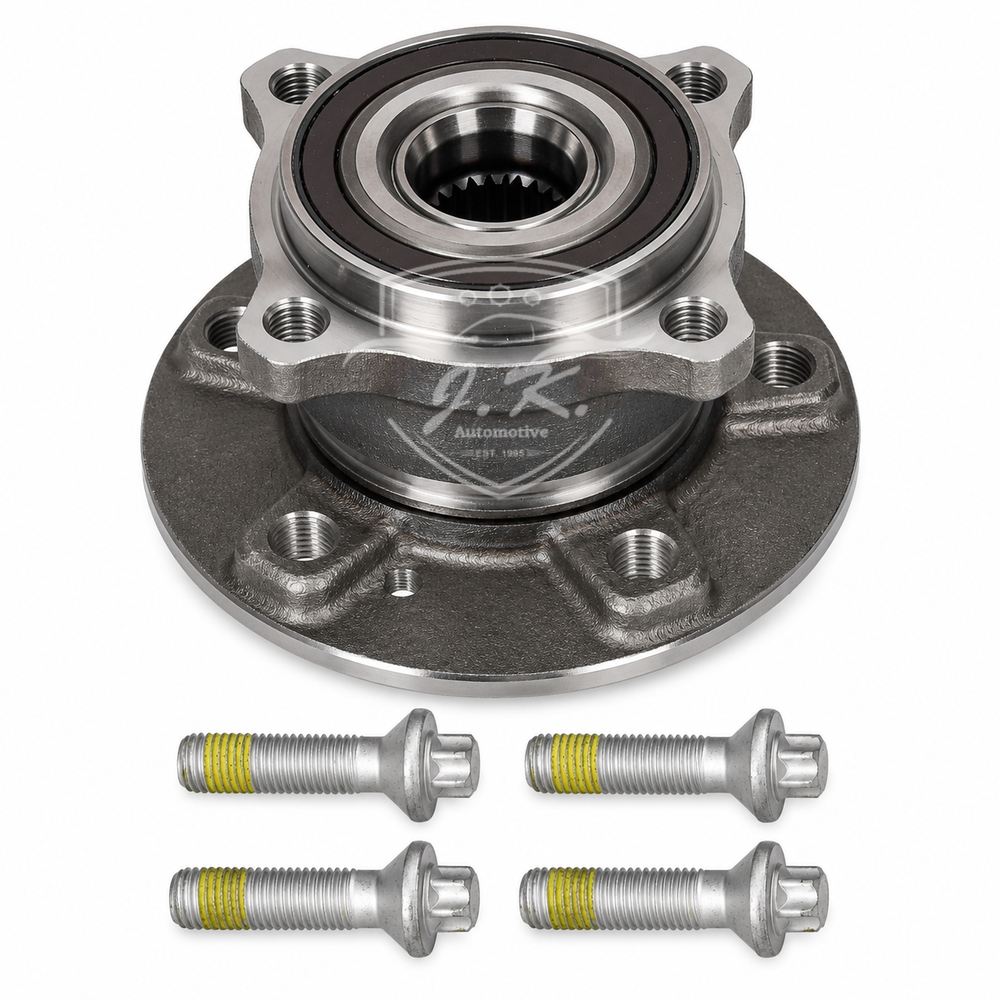
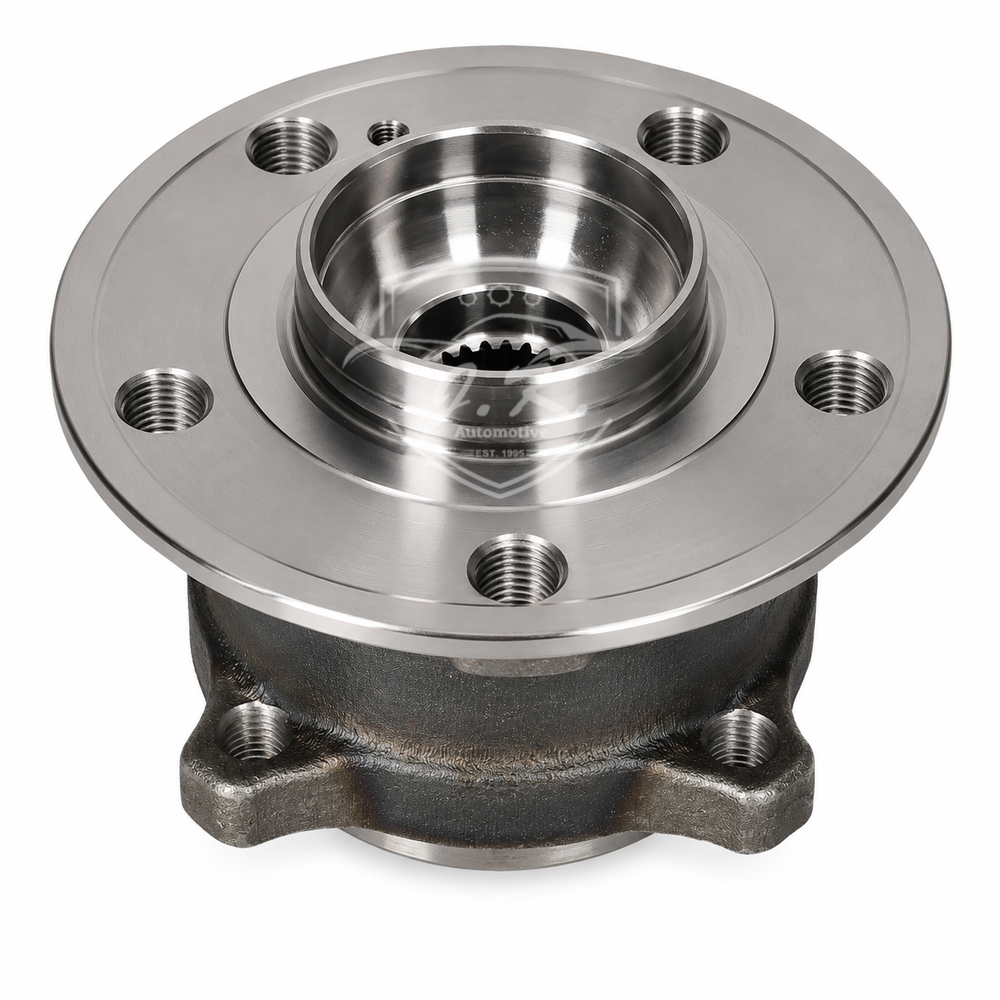
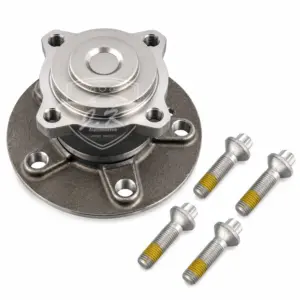
The Mercedes-Benz C117 CLA-Class 4Matic AMG Rear Wheel Hub Assembly with OEM cross reference A2463340206 is an important rear wheel and chassis component intended for the supplied Mercedes-Benz C117 CLA-Class 4Matic AMG 2013–2019 application. The rear wheel hub assembly provides an important mechanical interface between the wheel and the applicable surrounding chassis components while supporting controlled wheel rotation during vehicle operation. Every time the vehicle moves, the hub assembly operates continuously as the wheel rotates and is subjected to changing loads generated by acceleration, braking, cornering and variations in road conditions. During normal city and highway driving, the rear hub must manage rotational forces while maintaining the intended relationship between the wheel and its mounting arrangement. Driving over potholes, speed breakers, broken roads and uneven surfaces can introduce additional impact loads into the wheel and hub area. Over extended mileage, repeated rotational and road loads can contribute to mechanical wear within the hub or associated bearing arrangement. Depending on the nature and severity of deterioration, a worn hub assembly may contribute to humming, droning, rumbling, grinding, vibration or unwanted movement around the affected wheel. These symptoms should not automatically be treated as proof that A2463340206 has failed because tyres, wheels, brakes and suspension components can produce similar symptoms. A tyre with irregular tread wear, for example, can create a road-speed-related humming noise that may initially resemble wheel-bearing noise. A damaged or deformed wheel may produce vibration, while brake components can create scraping or rotational noises. Suspension bushes, joints and other chassis components may also produce noise when subjected to road loads. Professional diagnosis should therefore identify the actual source of the problem before the rear wheel hub assembly is replaced. When replacement is required, compatibility should be confirmed using the complete supplied vehicle information rather than appearance alone. The application should be checked as Mercedes-Benz C117 CLA-Class 4Matic AMG, Rear position, supplied years 2013–2019 and OEM cross reference A2463340206. The corresponding original component should be compared where appropriate, and exact vehicle VIN verification is recommended before ordering. Relevant dimensions, mounting points and overall configuration should correspond correctly with the original component. An incorrect hub assembly should never be drilled, machined, modified or forced into position to complete installation. Professional installation is recommended because the rear wheel hub assembly is a load-bearing rotating component and correct mounting, fastening and inspection of surrounding parts are important to the completed repair.
What are the common symptoms of a worn Mercedes-Benz C117 CLA-Class 4Matic AMG Rear Wheel Hub Assembly?
Common symptoms associated with deterioration of the Mercedes-Benz C117 CLA-Class 4Matic AMG Rear Wheel Hub Assembly can include humming, droning, rumbling, grinding, vibration, unusual rotational noise or unwanted movement at the applicable rear wheel, although the exact symptoms can vary considerably depending on the type and severity of wear. Because the rear wheel hub and associated bearing arrangement rotate whenever the vehicle is moving, a developing mechanical problem may first become noticeable as a noise that changes with road speed. A faint humming sound at lower speeds may become more noticeable as vehicle speed increases, while other types of deterioration may produce a rougher rumbling or grinding sound. Loading changes during cornering can sometimes alter the intensity of wheel-related noise because forces acting through the wheel and hub assembly change as vehicle weight transfers from side to side. This observation can assist diagnosis, but it should never be used by itself to conclude that the hub assembly is defective. Excessive mechanical clearance within the affected area may also result in detectable unwanted wheel movement during a proper workshop inspection. Vibration may sometimes be experienced if deterioration becomes significant, but vibration has many other possible causes. Tyre imbalance, irregular tread wear, tyre damage, bent wheels or wheel deformation can produce speed-related vibration that resembles a wheel hub problem. Tyres can also generate humming or droning sounds simply because of tread condition or irregular wear patterns. Brake discs, pads, parking-brake components and other parts around the rear wheel can produce rubbing, scraping or rotational sounds. Suspension arms, bushes and joints can create knocking or movement-related symptoms that may be incorrectly attributed to the wheel hub. For this reason, the complete rear wheel area should be inspected rather than replacing A2463340206 based on noise alone. Diagnosis should consider the tyre, wheel, brake system, relevant suspension components and hub assembly together. Where appropriate, the wheel should be checked for unwanted movement and the rotating assembly assessed for abnormal mechanical noise or roughness. If replacement is confirmed, the supplied application should be verified as Mercedes-Benz C117 CLA-Class 4Matic AMG, 2013–2019, Rear position and OEM cross reference A2463340206. The corresponding original component and exact vehicle VIN should also be checked before ordering so that a correctly identified component is installed.
How does the rear wheel hub assembly affect wheel rotation, handling and stability on the Mercedes-Benz C117 CLA-Class 4Matic AMG?
The rear wheel hub assembly affects wheel rotation, handling and overall wheel support on the Mercedes-Benz C117 CLA-Class 4Matic AMG because it operates as a load-bearing rotating component within the applicable rear wheel and chassis arrangement. During normal vehicle operation, the wheel must rotate consistently while remaining correctly supported relative to the surrounding chassis components, and the hub assembly plays an important role in maintaining this mechanical relationship. When the vehicle accelerates, forces pass through the tyre, wheel and hub area as vehicle speed increases. During braking, substantial forces are again transmitted through the wheel assembly as the vehicle decelerates. Cornering creates lateral loads, while potholes, road joints, speed breakers and uneven road surfaces introduce repeated vertical and impact loads. The rear wheel hub assembly must therefore operate under a combination of rotational, lateral and vertical forces throughout normal driving. When the hub and associated bearing arrangement remain mechanically serviceable, the wheel can rotate with controlled support at its intended mounting position. If significant deterioration or excessive mechanical clearance develops, the affected wheel may no longer operate with the same consistency. Depending on the fault, the driver may notice humming, rumbling, grinding, vibration or other abnormal behaviour from the rear wheel area. Significant unwanted wheel movement can potentially influence how the tyre and surrounding components respond to changing road loads. However, handling and vehicle stability depend on the entire chassis system rather than the wheel hub alone. Tyres provide direct road contact, wheels must remain structurally sound, suspension arms and bushes participate in wheel location, shock absorbers control suspension movement and springs support vehicle load. Other suspension joints and relevant mounting points also contribute to the intended movement and location of the wheel. A fault in any of these areas can create symptoms that overlap with hub deterioration. Brake problems can additionally create rotational noise or vibration and should be considered during diagnosis. A complete mechanical inspection should therefore identify whether the hub assembly, tyre, wheel, brake system or suspension is responsible for the reported symptom. If A2463340206 is confirmed as requiring replacement, verify Mercedes-Benz C117 CLA-Class 4Matic AMG, supplied years 2013–2019, Rear position, corresponding original component and exact vehicle VIN before installation. Professional installation is recommended so that the hub can be mounted correctly and surrounding chassis components can be inspected during the repair.
Can a worn rear wheel hub assembly cause tyre wear, wheel vibration or abnormal noise on the Mercedes-Benz C117 CLA-Class 4Matic AMG?
A worn rear wheel hub assembly on the Mercedes-Benz C117 CLA-Class 4Matic AMG can potentially contribute to wheel vibration, abnormal rotational noise or unwanted wheel movement when significant mechanical deterioration develops, but tyre wear, vibration and noise should never automatically be attributed to the hub assembly because several other components can create very similar symptoms. A hub and its associated bearing arrangement operate continuously whenever the vehicle is moving, supporting wheel rotation while responding to loads generated by acceleration, braking, cornering and road impacts. As wear progresses, abnormal mechanical noise may develop and can sometimes increase or change character with vehicle speed. Humming, droning, rumbling or grinding are possible symptoms around a worn wheel-bearing or hub area, although the exact sound can vary. Excessive mechanical clearance can potentially allow unwanted movement at the wheel, which should be identified during a professional mechanical inspection. Tyre wear requires particularly careful diagnosis because incorrect tyre pressure, wheel alignment, suspension wear and tyre condition are common factors that can create irregular tread patterns. Inner-edge or outer-edge wear may indicate a geometry or suspension-related issue rather than a hub problem. Cupping or other irregular wear patterns may also be associated with damping, wheel balance or suspension conditions. A tyre with irregular tread wear can itself create a humming noise that sounds similar to wheel-bearing deterioration. Wheel imbalance can create vibration that increases with road speed, while a bent or damaged wheel can produce recurring vibration even when the hub remains serviceable. Brake discs and other brake components should also be inspected where relevant because rotational brake problems can produce noise or vibration. Suspension arms, bushes and joints around the rear wheel should be checked for unwanted movement because they influence wheel location under changing loads. Diagnosis should therefore include tyre pressure and condition, wheel condition and balance, relevant suspension components, brake components and the rear wheel hub assembly. Replacing A2463340206 can address deterioration at the hub when that component has been correctly diagnosed, but it will not correct unrelated tyre, wheel, brake, alignment or suspension faults. Before replacement, confirm Mercedes-Benz C117 CLA-Class 4Matic AMG, 2013–2019, Rear position, OEM cross reference A2463340206, corresponding original component and exact vehicle VIN.
How do I confirm the correct fitment of Rear Wheel Hub Assembly A2463340206 for the Mercedes-Benz C117 CLA-Class 4Matic AMG?
Correct fitment of Rear Wheel Hub Assembly A2463340206 for the Mercedes-Benz C117 CLA-Class 4Matic AMG should be confirmed using the complete supplied vehicle information, chassis designation, driveline description, installation position, year range, OEM cross reference, corresponding original component and exact vehicle VIN rather than relying only on the CLA-Class model name or the visual appearance of the replacement part. The supplied application for this listing is Mercedes-Benz C117 CLA-Class 4Matic AMG, Rear Wheel Hub Assembly, OEM cross reference A2463340206 and years 2013–2019. Begin by confirming that the vehicle corresponds with the supplied C117 CLA-Class application. The 4Matic AMG description supplied for this product should then be checked against the vehicle being repaired. Next, confirm that the required component is specifically the Rear Wheel Hub Assembly rather than a different front hub, bearing, suspension, brake or wheel-related component. The Rear position is important and should not be ignored when checking compatibility. OEM cross reference A2463340206 should then be compared with the available identification of the corresponding original component or reliable vehicle parts information. Exact VIN verification is recommended because the VIN provides more precise vehicle identification than model name and year range alone. The VIN can help distinguish between different vehicle configurations that may exist within a broader model family. Where the original component is available during repair, the replacement hub should be compared directly with it before installation. Relevant dimensions, mounting arrangement, mounting-hole locations, wheel-side connections and other application-specific characteristics should correspond correctly. Visual similarity by itself should not be treated as sufficient proof of compatibility because related wheel hub assemblies may look similar while differing in dimensions or mounting specifications. Previous repairs should also be considered because a component currently installed on the vehicle may itself have been replaced previously. If A2463340206 does not correspond with the vehicle identification or if significant differences exist between the replacement hub and original component, installation should stop until compatibility has been confirmed. An incorrect wheel hub should never be drilled, machined, ground, bent or otherwise modified simply to make it fit. The strongest compatibility check therefore combines Mercedes-Benz C117 CLA-Class 4Matic AMG, supplied 2013–2019 year range, Rear position, A2463340206, corresponding original component and exact vehicle VIN. Professional installation is recommended after fitment has been established.
What surrounding components should be inspected when replacing Mercedes-Benz C117 CLA-Class 4Matic AMG Rear Wheel Hub Assembly A2463340206?
When replacing Mercedes-Benz C117 CLA-Class 4Matic AMG Rear Wheel Hub Assembly A2463340206, the surrounding rear wheel, tyre, brake and suspension components should be inspected because symptoms associated with hub deterioration can overlap with faults elsewhere in the wheel and chassis system, and identifying related wear during the same repair can help prevent an unresolved problem from remaining after installation. Begin with the tyre because irregular tread wear, physical damage, incorrect inflation pressure or internal tyre problems can create humming, vibration or road noise that may resemble wheel-bearing deterioration. The tread should be inspected across its complete width rather than checking only the visible outer edge. The wheel should be examined for deformation, cracks, impact damage or other irregularities, particularly if the reported problem began after a pothole, kerb impact or other significant road shock. Wheel balance should also be considered when vibration is one of the primary symptoms. Brake components around the rear hub should be inspected where appropriate because brake-disc irregularities, pad-related problems, parking-brake components or other mechanical contact can produce rotational noise, scraping or vibration. Relevant rear suspension arms and bushes should be inspected for cracking, separation, deterioration or excessive movement because these components participate in maintaining the intended wheel position under acceleration, braking and cornering loads. Applicable suspension joints and mounting points should also be checked for unwanted clearance or physical damage. The rear shock absorber should be inspected for leakage, damage or other deterioration, while relevant spring components and mounting areas should be checked according to their condition. If the previous hub had developed substantial mechanical play, surrounding components deserve particularly careful inspection because repeated unwanted wheel movement may have coincided with other wear. Mounting surfaces for the replacement hub should be clean, serviceable and free from conditions that could prevent correct seating. Applicable fasteners should be inspected and handled according to the appropriate repair procedure. After installation, the wheel should rotate and mount correctly without abnormal movement or interference. Wheel alignment is not automatically required solely because the rear wheel hub assembly has been replaced when no wheel-locating suspension components or geometry adjustment points have been disturbed. However, alignment should be checked if suspension arms, bushes, joints or other geometry-related components were also replaced or disturbed, or when the vehicle already shows irregular tyre wear, pulling or other alignment-related symptoms. Finally, confirm Mercedes-Benz C117 CLA-Class 4Matic AMG, supplied years 2013–2019, Rear position, OEM cross reference A2463340206, corresponding original component and exact vehicle VIN before installation.
Why is professional installation recommended for Mercedes-Benz C117 CLA-Class 4Matic AMG Rear Wheel Hub Assembly A2463340206?
Can a worn rear wheel hub assembly A2463340206 affect tyres and other suspension components on the Mercedes-Benz C117 CLA-Class 4Matic AMG?
A worn rear wheel hub assembly A2463340206 can potentially affect how the applicable rear wheel is supported if significant mechanical deterioration or excessive clearance develops, but the relationship between a worn hub, tyre condition and surrounding suspension components should be assessed carefully because irregular tyre wear and chassis symptoms can have several different causes. The rear wheel hub assembly supports controlled wheel rotation while operating under loads generated by acceleration, braking, cornering and changing road surfaces. If the hub or associated bearing area develops substantial wear, unwanted wheel movement may become present, and this should be investigated because the wheel is intended to remain correctly supported relative to the surrounding chassis. However, abnormal tyre wear should not automatically be blamed on A2463340206. Incorrect tyre pressure, wheel alignment, worn suspension bushes, deteriorated suspension joints, damaged wheels, wheel imbalance and damping-related problems can all influence tyre behaviour. A tyre that has developed irregular tread wear can itself create humming or droning noises that may be mistaken for wheel-bearing deterioration. If excessive hub movement is present together with tyre wear, both conditions should be investigated rather than assuming that replacing the hub will automatically correct every tyre-related symptom. Surrounding suspension components should also be inspected because arms, bushes and joints participate in maintaining the intended position of the rear wheel under changing loads. If these parts are worn, the wheel may move differently under acceleration, braking or cornering, producing symptoms that can overlap with hub deterioration. The shock absorber and relevant spring components should also be assessed according to their condition because poor damping can influence tyre contact with the road. Brake components around the hub should be inspected because rotational rubbing or other mechanical issues can produce noise that may be confused with hub problems. The wheel itself should be checked for deformation or impact damage, especially if symptoms appeared after a pothole or significant road impact. If A2463340206 is confirmed as defective, replacing the hub can correct the fault at that specific component, but any separate tyre, wheel, brake, suspension or alignment problem must be addressed independently. The correct repair therefore begins with diagnosis of the complete rear wheel area, followed by verification of Mercedes-Benz C117 CLA-Class 4Matic AMG, 2013–2019, Rear position, OEM cross reference A2463340206, corresponding original component and exact vehicle VIN before replacement.
Is wheel alignment required after replacing the rear wheel hub assembly A2463340206 on the Mercedes-Benz C117 CLA-Class 4Matic AMG?
Wheel alignment is not automatically required solely because Rear Wheel Hub Assembly A2463340206 has been replaced on the Mercedes-Benz C117 CLA-Class 4Matic AMG when the repair is completed without changing, loosening, replacing or disturbing wheel-locating suspension components or geometry adjustment points, but alignment should be considered when additional chassis work has been performed or when the vehicle already shows symptoms associated with incorrect wheel geometry. A wheel hub assembly and a wheel-alignment adjustment are related to the same general wheel and chassis area but they do not perform the same function. The hub supports wheel rotation at its applicable mounting location, whereas wheel alignment concerns the geometric relationship and orientation of the wheels relative to the vehicle and road. Therefore, replacing a correctly identified rear hub assembly does not by itself mean that toe, camber or other alignment settings have necessarily changed. However, the exact repair procedure matters. If suspension arms, bushes, joints, mounting points or other wheel-locating components are loosened, removed, replaced or disturbed to complete the repair, the alignment should be checked because these components can influence wheel geometry. Alignment is also advisable when the tyres show significant inner-edge, outer-edge or other irregular wear, when the vehicle pulls or does not track as expected, when the steering wheel position indicates an existing alignment issue, or when suspension damage is suspected following a pothole or road impact. If the previous hub had substantial mechanical movement, a workshop may also inspect wheel geometry after the repair as part of a broader chassis assessment. Tyre condition should be considered before interpreting alignment results because heavily worn or damaged tyres can complicate diagnosis of vehicle behaviour. Wheel condition should also be checked because a bent wheel or incorrect wheel balance can create vibration without being an alignment problem. Replacing A2463340206 will address a correctly diagnosed defect in that hub assembly, but it will not independently correct an existing alignment issue caused by worn suspension parts, damaged chassis components or previous adjustment. The appropriate approach is therefore to install the correct rear hub using proper procedures, inspect surrounding wheel-locating components, assess tyre wear and vehicle behaviour, and perform or verify alignment when the repair or existing symptoms justify it. Compatibility should first be confirmed using Mercedes-Benz C117 CLA-Class 4Matic AMG, supplied years 2013–2019, Rear position, A2463340206, corresponding original component and exact vehicle VIN.
Why is Rear Wheel Hub Assembly A2463340206 a practical replacement choice for the Mercedes-Benz C117 CLA-Class 4Matic AMG?
Rear Wheel Hub Assembly A2463340206 is a practical replacement choice when the existing rear wheel hub on the supplied Mercedes-Benz C117 CLA-Class 4Matic AMG 2013–2019 application has been professionally diagnosed as worn or damaged and the supplied OEM cross reference, installation position, vehicle details and physical configuration have been verified before ordering. The principal advantage of selecting a replacement using A2463340206 is that the reference provides a specific identification point that can be compared against the corresponding original component and reliable vehicle information instead of purchasing a wheel hub solely from a generic description or photograph. This is particularly important for premium vehicle applications because visually similar wheel and chassis components can differ in dimensions, mounting arrangements or other fitment characteristics. A complete hub assembly can also provide a practical repair approach when the diagnosed fault relates to the applicable hub and associated bearing arrangement, depending on the construction of the supplied component and repair procedure. Customers should nevertheless avoid assuming that replacing the hub will correct every rear-wheel noise or vibration. Tyres with irregular wear can create humming or droning noises, wheel imbalance can create speed-related vibration, damaged wheels can create recurring movement or vibration, brake components can generate rotational noises and worn suspension parts can produce knocking or instability. The replacement decision should therefore follow diagnosis rather than guesswork. When the existing hub is confirmed as the source of the complaint, the replacement component should be compared carefully before installation. The supplied Mercedes-Benz C117 CLA-Class 4Matic AMG application, Rear position, 2013–2019 year range and OEM cross reference A2463340206 should all correspond. Exact VIN verification is recommended where necessary. Mounting surfaces and surrounding components should be inspected during the repair, and correct workshop procedures should be followed for fastening and reassembly. An incorrect hub should never be modified to make it fit because modification can compromise component compatibility and the quality of the repair. A practical replacement is therefore not simply the part that looks similar or costs less; it is the component that matches the intended application, has been selected after correct diagnosis and can be installed according to the appropriate procedure. When these conditions are satisfied, A2463340206 provides a clear reference for identifying the rear wheel hub assembly required for the supplied Mercedes-Benz C117 CLA-Class 4Matic AMG application.
What should customers compare when choosing a replacement rear wheel hub assembly for the Mercedes-Benz C117 CLA-Class 4Matic AMG?

Reviews
There are no reviews yet.