What is the Stokes Germany Rear Lower Control Arm Set of 4 for Land Rover Range Rover Evoque L538?
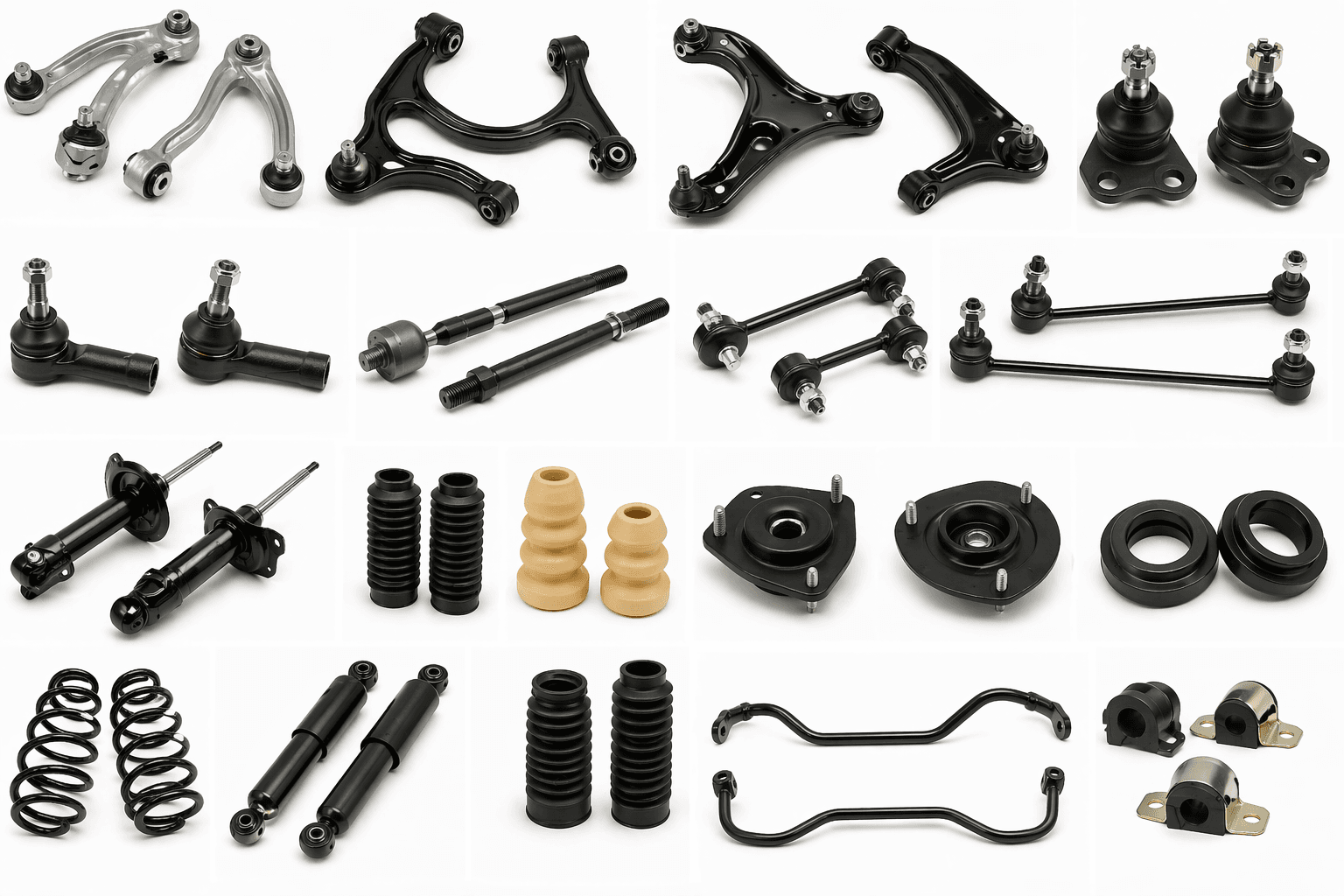
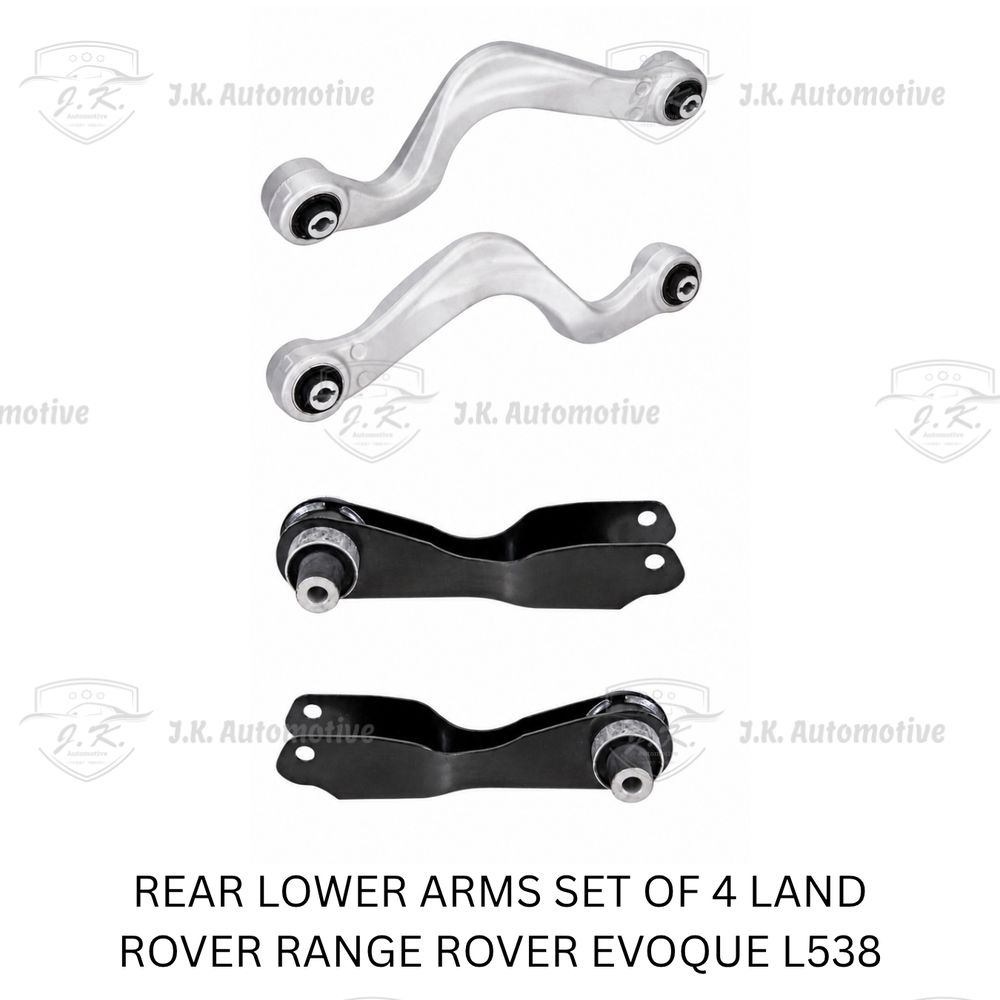
The Stokes Germany Rear Lower Control Arm Set of 4 for Land Rover Range Rover Evoque L538 is a complete rear suspension replacement package designed for Range Rover Evoque L538 models from 2011–2019 and corresponding to OEM references LR128497 & LR128496 & LR078520 & LR078519. This Set of 4 provides the specified rear lower suspension control arms together, making it a practical replacement solution when professional inspection identifies wear, deterioration, excessive play or physical damage in the original rear suspension components. Rear lower control arms are important wheel-locating components because they help control the position and movement of the rear wheel assemblies relative to the vehicle chassis. During normal driving, these suspension arms operate continuously as the vehicle accelerates, brakes, corners and travels over potholes, speed breakers or uneven road surfaces. The bushes incorporated within the control arms allow the suspension to articulate while helping restrict excessive unwanted movement and isolate vibration. As the vehicle accumulates mileage, repeated suspension loads, rough road conditions, heat, moisture and normal material ageing can gradually deteriorate these bushes. Cracking, separation, deformation, softening or excessive movement can develop, reducing the precision with which the suspension maintains wheel position. Possible symptoms can include knocking or clunking noises from the rear suspension, excessive movement, reduced stability, changes in handling or irregular rear tyre wear. When professional diagnosis confirms deterioration in the specified components, the Range Rover Evoque L538 Rear Lower Control Arm Set can provide a more comprehensive repair by supplying all four required arms together. This can simplify parts sourcing compared with purchasing each specified suspension arm individually. However, rear suspension noises and handling problems should always be diagnosed before replacement because similar symptoms can originate from other components. Rear shock absorbers should be inspected for leakage, damage or reduced damping performance, while springs should be checked for physical deterioration. Wheel bearings should be examined for unwanted movement or abnormal noise, and other suspension bushes and mounting points should also be inspected. Sway bar links, sway links, anti roll link rods and stabiliser sway links should be checked because worn joints can create knocking noises similar to worn control arm bushes. Tyres should also be examined for abnormal tread wear, damage and correct inflation pressure. Before ordering, compatibility should be verified using Range Rover Evoque L538, 2011–2019 and OEM references LR128497 & LR128496 & LR078520 & LR078519. Professional installation followed by wheel alignment is recommended after replacing the Set of 4.
Which Range Rover Evoque L538 models are compatible with this Rear Lower Control Arm Set of 4?
The Stokes Germany Rear Lower Control Arm Set of 4 is specified for Land Rover Range Rover Evoque L538 models from 2011–2019 requiring OEM references LR128497 & LR128496 & LR078520 & LR078519. Compatibility should be verified using the complete combination of the Range Rover Evoque model name, L538 chassis designation, supplied 2011–2019 year range and all four OEM references rather than selecting suspension components only according to their appearance. Modern rear suspension systems contain several arms, links, bushes and mounting points, and different suspension components can appear very similar when viewed individually. Small differences in dimensions, bush configurations, mounting positions or suspension geometry can determine whether a component is correct for a particular application. For this reason, checking OEM references is an important step before ordering the replacement parts or dismantling the vehicle. This Stokes Germany product is supplied specifically as a Rear Lower Control Arm Set of 4, so the quantity and suspension position should also be considered when comparing it with the required repair. The supplied OEM references are LR128497 & LR128496 & LR078520 & LR078519 and should be retained exactly during fitment verification. Rear lower control arms help locate the rear wheel assemblies and manage their movement while suspension loads change. During acceleration, braking and cornering, substantial forces pass through the suspension arms and their bushes. The same components repeatedly operate as the Range Rover Evoque L538 travels over rough roads, potholes and speed breakers. Over time, the original bushes may crack, separate, deform or develop excessive movement. When deterioration becomes significant, the driver may notice rear suspension knocking, clunking, changes in handling, reduced stability or abnormal rear tyre wear. These symptoms should not automatically be attributed to the rear control arms because several other suspension components can create similar problems. A professional suspension inspection should therefore be performed before parts are replaced. Rear shock absorbers should be checked for leakage or deterioration, springs should be inspected for damage, and wheel bearings should be examined for unwanted play or noise. Other suspension bushes and mounting hardware should also be assessed. Sway bar links, sway links, anti roll link rods and stabiliser sway links should be checked for excessive movement because worn stabilizer components can create similar knocking sounds. Tyres should also be inspected for irregular wear, physical damage and correct pressure. When professional diagnosis confirms wear in the specified arms, this Stokes Germany Set of 4 provides the corresponding rear suspension replacement components for Range Rover Evoque L538 2011–2019. Professional installation and wheel alignment are recommended after replacement.
Which OEM part numbers are included in the Range Rover Evoque L538 Rear Lower Control Arm Set of 4?
The Stokes Germany Range Rover Evoque L538 Rear Lower Control Arm Set of 4 corresponds to OEM references LR128497 & LR128496 & LR078520 & LR078519 for the supplied 2011–2019 application. These four OEM references should be checked carefully and preserved exactly when identifying, searching for or ordering the suspension package because OEM-reference matching is one of the most useful ways to confirm the required replacement components. The product is supplied as a complete Set of 4, providing the specified rear lower suspension control arms together rather than requiring each component to be sourced individually. When checking compatibility, customers and workshops should compare OEM references LR128497 & LR128496 & LR078520 & LR078519 together with Range Rover Evoque L538 and the supplied 2011–2019 year range. This provides a more precise identification method than relying only on photographs or visual similarity. Rear suspension systems use several different arms and links, and components that appear similar can differ in mounting dimensions, bush arrangement or suspension position. Correct part identification is therefore particularly important before the original suspension is dismantled. The rear lower control arms themselves help control wheel position and suspension movement during acceleration, braking, cornering and travel over changing road surfaces. Their bushes permit necessary suspension articulation while helping limit excessive movement and isolate vibration. With increasing mileage and age, these bushes can deteriorate through repeated loading and environmental exposure. Cracking, separation, deformation or excessive play can develop and may eventually cause knocking or clunking noises from the rear suspension. Drivers may also notice reduced stability, changes in handling or irregular rear tyre wear. However, these symptoms should not be used as the sole basis for diagnosing defective control arms. A qualified technician should inspect the complete suspension before replacement. Rear shock absorbers should be checked for leakage, damage or reduced damping performance. Springs should be inspected for physical damage and wheel bearings should be checked for unwanted movement or abnormal noise. Other suspension bushes and mounting points should also be examined. Sway bar links and sway links should be inspected because worn joints can produce noises similar to deteriorated control arm bushes. Anti roll link rods and stabiliser sway links should likewise be checked for excessive play. Tyres should be inspected for uneven wear, damage and correct inflation pressure. If professional inspection confirms that the components corresponding to LR128497 & LR128496 & LR078520 & LR078519 require replacement, the Stokes Germany Set of 4 provides the specified rear suspension components for the Range Rover Evoque L538 2011–2019 application. Professional installation followed by wheel alignment is recommended.
What are the symptoms of worn rear lower control arms on a Range Rover Evoque L538?
Worn rear lower control arms or deteriorated control arm bushes on a Range Rover Evoque L538 can produce several symptoms involving suspension noise, rear-wheel control, handling stability and tyre wear. One commonly noticed symptom is knocking or clunking from the rear suspension when the vehicle travels over potholes, speed breakers, rough roads or other uneven surfaces. Rear control arm bushes are designed to permit controlled suspension movement while helping prevent excessive displacement of the wheel assemblies. As the bushes age, they may crack, separate, deform, soften or develop excessive play. This additional movement can allow the suspension to shift more than intended when road loads change, potentially producing noise and reducing the precision of wheel control. A driver may also notice that the rear of the Range Rover Evoque L538 feels less settled during cornering, quick directional changes, acceleration or braking. The vehicle may respond differently over uneven surfaces because deteriorated bushes can allow additional movement between suspension components and their mounting points. Uneven or accelerated rear tyre wear may also occur when suspension wear contributes to inconsistent wheel positioning or geometry. However, irregular tyre wear does not automatically prove that the rear lower control arms are defective. Incorrect wheel alignment, worn shock absorbers, tyre-pressure problems, damaged tyres, wheel-bearing wear and other suspension faults can create similar symptoms. Knocking noises can also originate from sway bar links, sway links, anti roll link rods or stabiliser sway links. For this reason, professional diagnosis is important before purchasing replacement parts. Each rear control arm bush should be inspected for cracking, separation, deformation and excessive movement. The physical arms should also be examined for bending, corrosion-related deterioration or impact damage where applicable. Rear shock absorbers should be checked for leakage and reduced damping performance, while springs should be examined for physical damage. Wheel bearings should be checked for excessive movement and abnormal noise. Other suspension bushes, joints and mounting hardware should also be inspected. If the inspection confirms wear in the components corresponding to OEM references LR128497 & LR128496 & LR078520 & LR078519, the Stokes Germany Range Rover Evoque L538 Rear Lower Control Arm Set provides the specified Set of 4 for the 2011–2019 application. Tyres should also be examined because replacing worn suspension components cannot restore tread that has already suffered significant irregular wear. Once the new control arms have been installed, professional wheel alignment should be performed to check the suspension geometry and help support stable handling and consistent tyre wear.
Why should the Range Rover Evoque L538 rear lower control arms be replaced as a complete Set of 4?
Replacing the Range Rover Evoque L538 rear lower control arms as a complete Set of 4 can provide a comprehensive suspension repair when professional inspection confirms that multiple corresponding original arms or bushes have deteriorated. Rear suspension components operate under similar environmental and mechanical conditions and are repeatedly subjected to acceleration forces, braking loads, cornering forces, road impacts, potholes, speed breakers, moisture, temperature changes and continuous suspension articulation. Because several original suspension bushes may have accumulated similar mileage and operating hours, deterioration can sometimes affect multiple components rather than only one isolated arm. The Stokes Germany Range Rover Evoque L538 Rear Lower Control Arm Set combines the specified four components corresponding to OEM references LR128497 & LR128496 & LR078520 & LR078519 for the supplied 2011–2019 application. Supplying the components as a Set of 4 can simplify parts sourcing when several rear lower suspension arms have been identified as worn. It can also reduce the need to purchase each required component separately and may allow the workshop to plan a more comprehensive rear suspension repair during the same service visit. If multiple bushes are already showing significant deterioration, replacing the confirmed worn components together may reduce repeated dismantling caused by another similarly aged component requiring attention shortly afterwards. However, a complete set should not be installed merely because it contains four components. Professional inspection should determine which parts are worn and whether the full specified set is appropriate for the vehicle. Bushes should be checked for cracks, separation, deformation or excessive movement, and the physical arms should be examined for bending or impact damage. Surrounding suspension components should also be inspected because replacing the rear lower control arms cannot resolve a separate fault elsewhere. Rear shock absorbers should be checked for leakage or reduced damping performance, while springs should be examined for physical damage. Wheel bearings should be inspected for excessive play or abnormal noise. Sway bar links and sway links should be checked because worn joints can produce knocking sounds similar to deteriorated control arm bushes. Anti roll link rods and stabiliser sway links should likewise be inspected. Tyres should be examined for irregular tread wear, physical damage and correct inflation pressure. Correct fitment of the Stokes Germany Set of 4 should be verified using Range Rover Evoque L538, 2011–2019 and OEM references LR128497 & LR128496 & LR078520 & LR078519. Once compatibility and suspension wear are confirmed, professional installation followed by wheel alignment is recommended.
Is wheel alignment required after replacing the Range Rover Evoque L538 rear lower control arms?
How can the Stokes Germany Rear Lower Control Arm Set of 4 improve the suspension of Range Rover Evoque L538?
The Stokes Germany Rear Lower Control Arm Set of 4 is designed to replace the specified worn or damaged rear suspension control arms on Land Rover Range Rover Evoque L538 models from 2011–2019. The complete package corresponds to OEM references LR128497 & LR128496 & LR078520 & LR078519 and provides the specified four suspension arms together for a comprehensive rear suspension repair. Rear suspension control arms are important wheel-locating components because they help manage the position and movement of the rear wheel assemblies while the suspension operates. During acceleration, braking, cornering and driving over uneven roads, the rear suspension arms and their bushes are continuously subjected to changing mechanical loads. The bushes allow controlled articulation while helping restrict excessive unwanted movement between the suspension and chassis. As mileage increases, these bushes can gradually deteriorate because of continuous movement, potholes, speed breakers, rough road surfaces, moisture, heat and normal material ageing. Cracking, separation, deformation or excessive play within the bushes can allow additional suspension movement and may contribute to knocking or clunking noises. A worn rear suspension can also make the Range Rover Evoque L538 feel less stable during cornering or directional changes. Excessive movement may affect the consistency of rear wheel positioning and can contribute to irregular tyre wear when suspension geometry is no longer being maintained correctly. Installing the Stokes Germany Rear Lower Control Arm Set can address these problems when professional inspection confirms wear in the specified components. Replacing multiple confirmed worn suspension arms during the same repair can provide a more comprehensive approach than replacing one deteriorated component while leaving other significantly worn components in service. The Set of 4 also simplifies sourcing because the specified components are supplied together. However, the complete rear suspension should be inspected before installation because control arms are not responsible for every suspension noise or handling complaint. Rear shock absorbers should be examined for leakage, physical damage or reduced damping performance. Springs, wheel bearings, suspension bushes and mounting hardware should also be checked. Sway bar links, sway links, anti roll link rods and stabiliser sway links require inspection because worn stabilizer joints can produce knocking noises similar to deteriorated control arm bushes. Rear tyres should be examined for uneven tread wear, physical damage and correct inflation pressure. Correct compatibility should be confirmed using Range Rover Evoque L538, the supplied 2011–2019 application and all four OEM references LR128497 & LR128496 & LR078520 & LR078519. After replacement, professional wheel alignment is recommended to check the resulting suspension geometry and help support stable handling and consistent tyre wear.
Can worn Range Rover Evoque L538 rear control arms cause knocking noises, unstable handling and uneven tyre wear?
Yes, worn rear control arms or deteriorated suspension bushes on a Range Rover Evoque L538 can contribute to knocking or clunking noises, excessive suspension movement, changes in handling and irregular rear tyre wear. Rear control arms help locate the wheel assemblies while allowing the suspension to move through its required range. Their bushes provide controlled flexibility between the suspension arms and mounting points, helping absorb vibration while restricting excessive movement. When these bushes become cracked, separated, deformed, softened or excessively worn, the suspension arm may move more than intended as loads change. One of the most noticeable symptoms can be knocking or clunking from the rear suspension while driving over potholes, speed breakers, broken roads or other uneven surfaces. The noise may become progressively more noticeable as bush deterioration increases because additional movement develops around the suspension mounting points. Handling behaviour may also change. The rear of the vehicle can feel less settled during cornering, lane changes, acceleration or braking because wheel position may not remain as consistently controlled under load. Irregular tyre wear can also develop when suspension wear contributes to changes in wheel positioning or alignment. However, none of these symptoms should automatically be considered proof of defective rear control arms. Several components can create similar noises and handling problems. Worn sway bar links or sway links can produce knocking over uneven surfaces. Anti roll link rods and stabiliser sway links should therefore be inspected carefully. Rear shock absorbers can contribute to poor suspension control when their damping ability deteriorates. Springs should be checked for damage, while wheel bearings should be examined for unwanted play or abnormal noise. Other rear suspension bushes and mounting points should also be inspected. Tyres should be checked for incorrect pressure, physical damage and existing uneven wear because tyre-related problems can also affect vehicle behaviour. If professional diagnosis identifies wear in the suspension components corresponding to LR128497 & LR128496 & LR078520 & LR078519, the Stokes Germany Range Rover Evoque L538 Rear Lower Control Arm Set provides the specified Set of 4 for the supplied 2011–2019 application. The exact vehicle application, year range and OEM combination are listed for this product. After the replacement components are installed, the vehicle should undergo professional wheel alignment. This allows the resulting suspension geometry to be checked and helps support predictable handling, consistent tyre contact and more even tyre wear.
Why should OEM references LR128497, LR128496, LR078520 and LR078519 be checked before buying this Range Rover Evoque L538 Control Arm Set?
OEM references LR128497 & LR128496 & LR078520 & LR078519 should be checked carefully before purchasing the Stokes Germany Range Rover Evoque L538 Rear Lower Control Arm Set because accurate suspension-part identification is essential for correct fitment. The product is specified as a Set of 4 for Land Rover Range Rover Evoque L538 models from 2011–2019 and carries exactly these four OEM cross references. A modern rear suspension contains multiple arms, links, bushes and mounting points, and different suspension components can appear very similar in photographs. Visual similarity alone therefore does not provide sufficient confirmation that a particular arm is correct for the vehicle. Differences in mounting positions, arm dimensions, bush configurations and suspension geometry can determine whether a component is suitable for a particular application. Customers and workshops should therefore verify the vehicle model, L538 designation, year range, suspension position, Set of 4 quantity and every supplied OEM reference before ordering. OEM-reference verification is particularly valuable because it gives another identification point alongside the vehicle information. It can also reduce workshop delays caused by discovering an incorrect component only after the vehicle has been lifted and the original suspension dismantled. The references should be retained exactly as LR128497 & LR128496 & LR078520 & LR078519 without deleting or substituting numbers when checking this particular product package. The rear suspension arms corresponding to these references operate under substantial mechanical loads during everyday driving. They help control wheel position during braking, acceleration, cornering and suspension travel. Their bushes allow controlled movement while restricting excessive displacement. As the original components age, the bushes can crack, deform, separate or develop excessive play. Symptoms may include rear suspension knocking, clunking, unstable handling or irregular tyre wear. These symptoms still require professional diagnosis because another suspension component may be responsible. Each control arm and bush should therefore be physically inspected before replacement. Rear shock absorbers should be checked for leakage and damping deterioration, while springs should be examined for damage. Wheel bearings should be checked for play or abnormal noise. Other suspension bushes and mounting hardware should also be inspected. Sway bar links, sway links, anti roll link rods and stabiliser sway links should be examined because excessive joint play can produce similar suspension noises. Tyres should also be inspected for uneven wear and correct pressure. When inspection confirms that the specified components require replacement, the Stokes Germany Set of 4 provides the required package for the supplied Range Rover Evoque L538 2011–2019 application. Professional installation followed by wheel alignment is recommended.
Why is professional installation recommended for the Stokes Germany Range Rover Evoque L538 Rear Lower Control Arm Set of 4?
Professional installation is recommended for the Stokes Germany Range Rover Evoque L538 Rear Lower Control Arm Set of 4 because rear control arms are wheel-locating suspension components and their correct installation is important for suspension operation, wheel positioning and vehicle handling. This Set of 4 is specified for Range Rover Evoque L538 models from 2011–2019 with OEM references LR128497 & LR128496 & LR078520 & LR078519. Replacing rear suspension arms requires the vehicle to be lifted and supported safely while the technician accesses the relevant suspension mounting points and hardware. Original fasteners may have been exposed to years of road contamination, moisture, temperature changes and repeated mechanical loads, so suitable workshop equipment and correct removal procedures are important. Professional diagnosis before dismantling is equally important because suspension noise does not automatically indicate that every rear control arm is defective. The technician should first inspect the bushes for cracking, separation, deformation and excessive movement. The physical suspension arms should be examined for bending, impact damage or other deterioration. Once replacement has been confirmed, each new arm must be installed in its intended suspension position. Mounting points and associated hardware should be inspected during the repair, and appropriate vehicle-specific installation procedures should be followed. Professional installation also creates an opportunity to inspect the rest of the rear suspension while the vehicle is raised. Rear shock absorbers should be checked for leakage, physical damage and reduced damping performance. Suspension springs should be examined for deterioration or damage. Wheel bearings should be checked for excessive movement and abnormal noise, while other suspension bushes and mounting points should also be assessed. Sway bar links and sway links should be checked for worn joints because they can create knocking sounds similar to control arm bush deterioration. Anti roll link rods and stabiliser sway links should likewise be inspected for excessive play. Rear tyres should be examined for irregular tread wear, physical damage and correct inflation pressure. Before dismantling the original suspension, compatibility should be confirmed using Range Rover Evoque L538, the supplied 2011–2019 application and OEM references LR128497 & LR128496 & LR078520 & LR078519. After fitting the Stokes Germany Rear Lower Control Arm Set, the suspension should be checked carefully before the vehicle returns to normal road use. Professional wheel alignment should then be performed because replacing wheel-locating suspension components can influence the resulting suspension geometry. Correct installation and alignment help support stable handling, predictable rear wheel control, consistent tyre contact and more even tyre wear.
Why is Stokes Germany a European-quality alternative to Lemförder, FEBI, Meyle and other established brands for Range Rover Evoque L538?
Reviews
There are no reviews yet.