What is Airmatic Compressor Assembly / Air Compressor Pump 4G0616005D for Audi A8 4H?
How can I confirm 4G0616005D Airmatic Compressor compatibility with my Audi A8 4H?
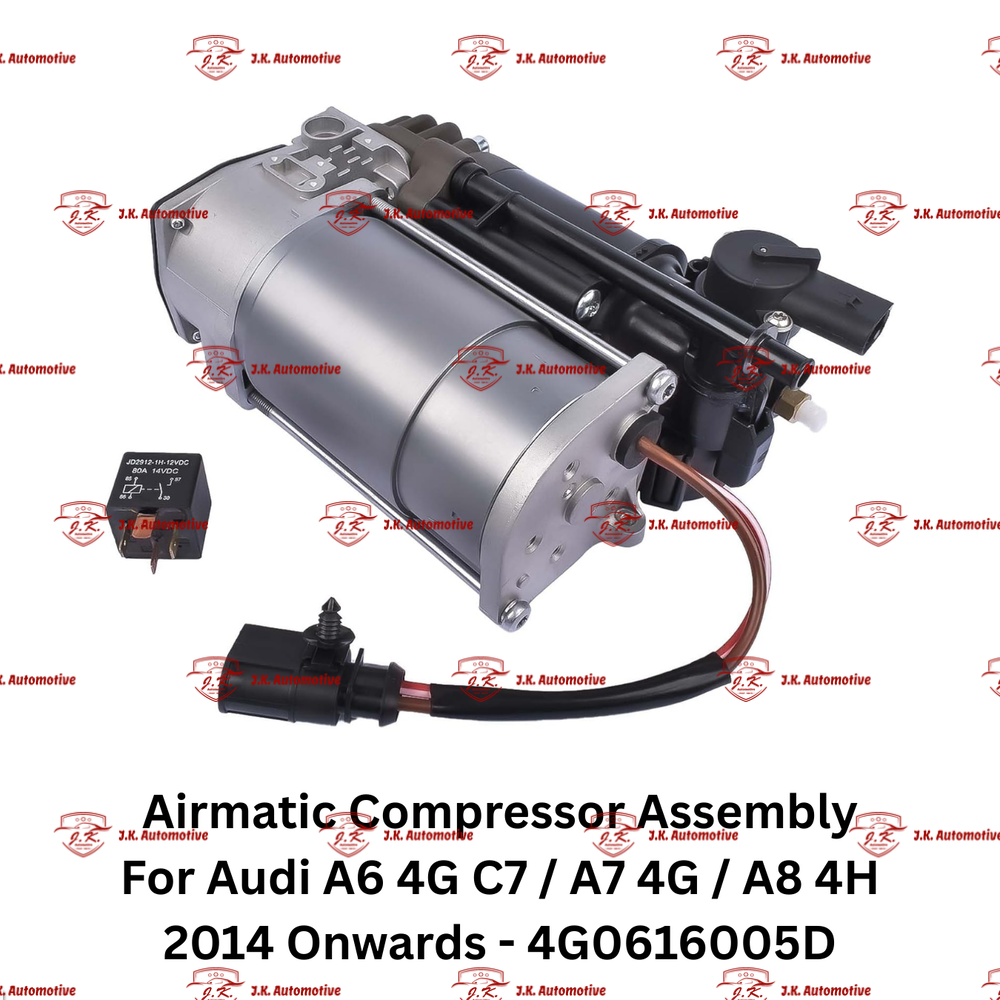
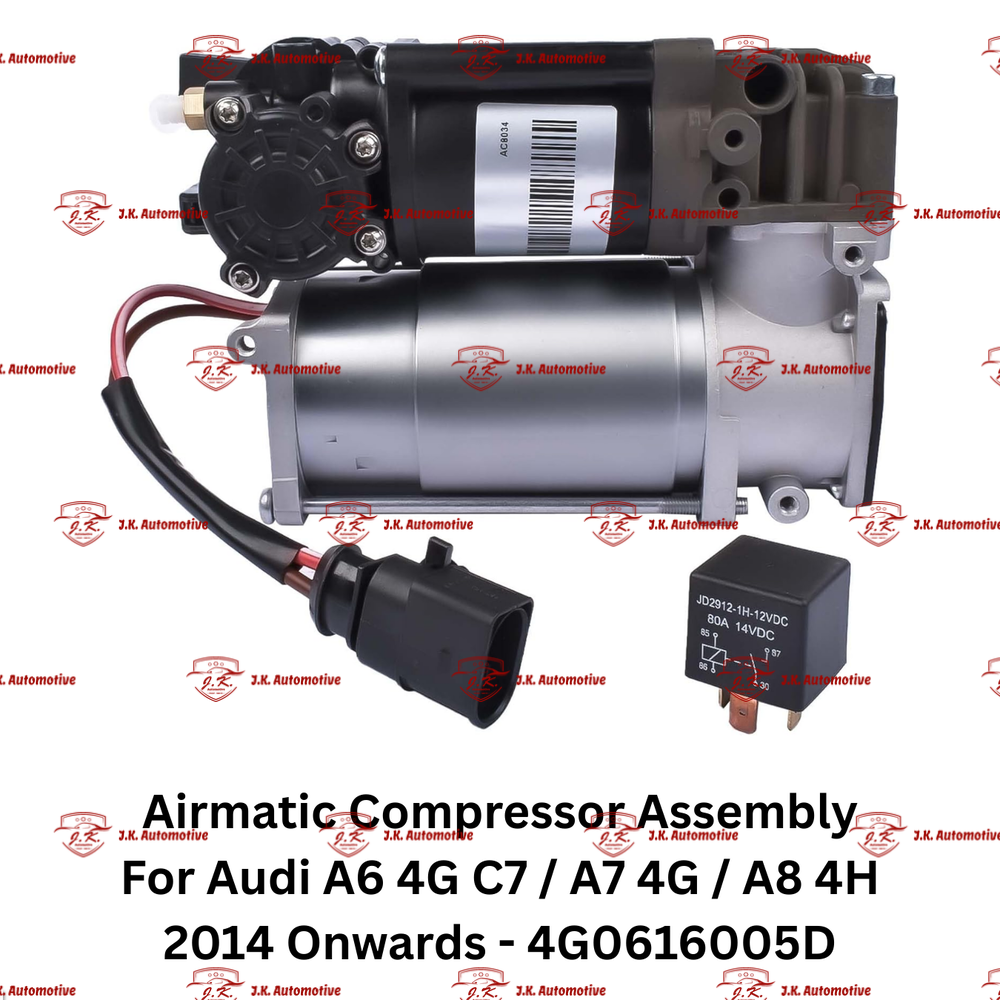
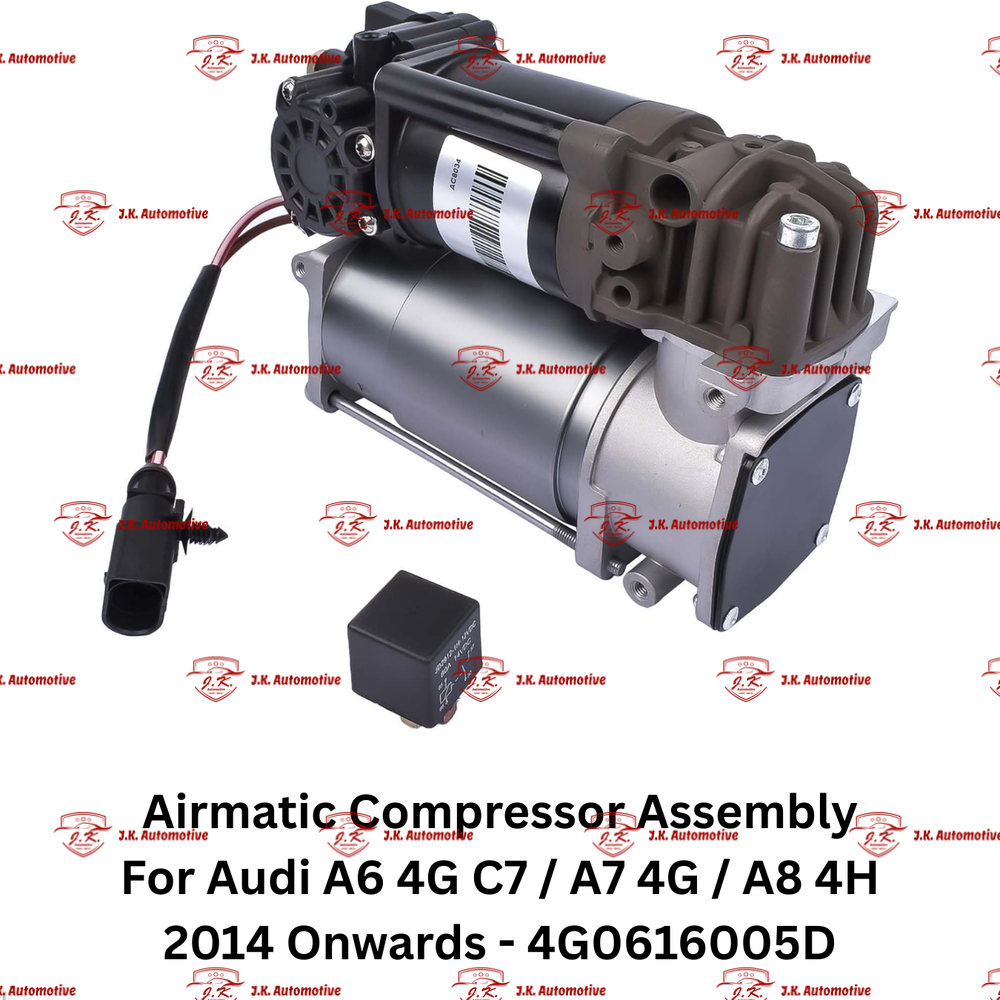
Compatibility of Airmatic Compressor Assembly / Air Compressor Pump 4G0616005D with an Audi A8 4H should be confirmed using the complete supplied reference number, vehicle identification, existing compressor configuration, physical mounting arrangement, pneumatic connections, electrical connector configuration and VIN information where necessary rather than relying only on the Audi A8 model name or supplied 2010–2017 year range. Begin by comparing reference 4G0616005D with the identification information available from the existing compressor or reliable vehicle-specific parts information. The complete reference should remain unchanged because a visually similar compressor should not automatically be considered interchangeable when its part identification or connection arrangement differs. Search variations such as Audi A8 4H 4G0616005D, Audi A8 Air Compressor 4G0616005D, 4G0616005D Airmatic Compressor, 4G0616005D Air Suspension Compressor and 4G0616005D Compressor Pump can help identify the component, but search wording should never replace physical and vehicle-specific compatibility verification. Compare the replacement compressor with the existing unit for overall housing construction, mounting positions, brackets, pneumatic inlet and outlet arrangements and electrical connector configuration. The replacement component should correspond naturally with the existing installation without forced mounting, altered brackets, improvised pneumatic connections or modified electrical wiring. The condition of existing pressure lines and connectors should also be inspected before installation because damaged lines or leaking connections can cause continued pressure loss even after a compressor has been replaced. The valve block and applicable air suspension units should be inspected where the original complaint involved repeated compressor operation or suspension lowering because a compressor can be subjected to excessive operating demand when another pneumatic component cannot retain pressure. Electrical supply should also be checked because a compressor that does not operate can potentially be affected by wiring, connectors, power supply, fuse or relay arrangements where applicable or control-related conditions rather than internal compressor failure. Existing mounting hardware and vibration-isolation components where applicable should be inspected for deterioration or damage. Reference 4G0616005D should remain the central identification detail throughout the compatibility process. The supplied Audi A8 4H application and 2010–2017 year range should remain unchanged. VIN-based confirmation should be used whenever exact suspension configuration cannot be established confidently from the existing component and available vehicle information.
What are the symptoms of a bad Airmatic Compressor 4G0616005D on Audi A8 4H?
Possible symptoms requiring inspection of Airmatic Compressor 4G0616005D on the stated Audi A8 4H application can include slow suspension-height adjustment, inability of the suspension to reach the expected height, intermittent height operation, unusually frequent compressor activation, extended compressor running time, unusual compressor noise, failure of the compressor to operate or applicable suspension warning indications, although these symptoms should be treated as diagnostic clues rather than automatic confirmation that reference 4G0616005D requires replacement. The compressor generates compressed air for the applicable pneumatic suspension system, so a reduction in pressure-generation performance can affect how quickly or effectively the system responds when additional air pressure is required. However, the same general symptoms can occur when pressure generated by a correctly functioning compressor escapes through an air suspension unit, pressure line, connection or valve-control component. For example, if one suspension position gradually lowers while the vehicle is parked, the compressor may operate frequently when the vehicle is restarted because it must replace pressure that has been lost elsewhere. Replacing the compressor without correcting the leak can leave the original problem unresolved and can subject the replacement component to unnecessary operating demand. The first diagnostic step should therefore include observation of suspension standing height and compressor behaviour. If the compressor operates for extended periods, pneumatic leak testing should be performed before concluding that the pump itself is responsible. Pressure lines and connections should be checked for leakage, damage or poor sealing, while the valve block and applicable suspension units should be evaluated for pressure retention. Electrical diagnosis is also important when the compressor does not operate. The electrical connector, wiring, power supply, fuse or relay arrangements where applicable and relevant control information should be inspected using appropriate diagnostic procedures. Unusual mechanical noise from the compressor can indicate a concern requiring closer inspection, but mounting components should also be checked because looseness or damaged vibration isolation can influence perceived noise. Reference 4G0616005D should be verified against the existing compressor before replacement. Physical comparison should include housing construction, mounting arrangement, pneumatic connections and electrical connector configuration. The supplied Audi A8 4H application and 2010–2017 year range should remain exactly as provided. Complete pneumatic and electrical diagnosis provides a stronger basis for determining whether the compressor itself requires replacement.
Why does the Airmatic Compressor on my Audi A8 4H run frequently or for a long time?
Frequent or extended Airmatic compressor operation on an Audi A8 4H can occur when the applicable air suspension system repeatedly requires additional compressed air, and although reduced performance of compressor reference 4G0616005D can be one possible cause requiring inspection, excessive compressor activity can also result from pneumatic pressure loss elsewhere in the system, including an air suspension unit, pressure line, connection or valve-control component. The compressor is designed to generate compressed air when the suspension system requires additional pressure, but it should not automatically be expected to compensate continuously for a significant leak. If pneumatic pressure escapes while the vehicle is parked or during operation, the system may request additional compressor activity to restore the required pressure or suspension height. One useful diagnostic observation is whether the vehicle sits lower after remaining parked for an extended period. If one corner, one axle or another suspension position gradually loses height, pressure retention should be investigated before replacing the compressor. Pneumatic leak testing should include applicable suspension units, pressure lines and their connections. The valve block should also be considered because it participates in controlling pressure distribution within the system, and an internal pressure-retention concern can potentially influence suspension behaviour. Compressor operating time should be evaluated together with suspension-height response because a pump that runs for a long period while producing inadequate pressure may require a different diagnostic approach from a compressor that operates frequently because the system continually loses otherwise adequate pressure. Electrical supply should also be inspected where compressor operation is intermittent or absent. Wiring, connectors, power supply, fuse or relay arrangements where applicable and relevant control information should be checked using suitable procedures. Unusual compressor noise should be evaluated together with the physical mounting arrangement because damaged mounting components or vibration isolation can influence noise. Reference 4G0616005D should be confirmed against the existing component before replacement. If the compressor has been operating excessively because of another pneumatic leak, that underlying fault should be corrected so a replacement compressor is not immediately subjected to the same unnecessary workload. The supplied Audi A8 4H application and 2010–2017 year range should remain unchanged throughout diagnosis and compatibility verification.
Can a leaking air suspension system damage the Audi A8 4H Airmatic Compressor?
A significant or persistent pneumatic leak within the applicable Audi A8 4H air suspension system can increase operating demand on the Airmatic compressor because pressure lost through an air suspension unit, pneumatic line, connection or valve-control component may need to be repeatedly replaced, and prolonged unnecessary compressor operation can place additional thermal and mechanical load on the pressure-generation component over time. This is why reference 4G0616005D should not automatically be replaced without checking the remainder of the pneumatic system when the reported symptom is frequent compressor operation, extended running time or repeated suspension-height correction. If the system maintains pressure correctly, the compressor can generate additional pressure when required and then stop according to the applicable operating strategy. If the system cannot retain pressure, the compressor may be requested to operate more often as the vehicle attempts to restore the required pneumatic condition. A common diagnostic clue is suspension lowering after the vehicle remains parked, particularly when the compressor then operates noticeably after the vehicle is started. However, suspension lowering alone does not identify the exact leaking component. Appropriate leak testing should therefore be used to inspect applicable air suspension units, pneumatic connections and pressure lines. The valve block should also be evaluated where pressure-distribution or retention concerns are suspected. Compressor output and operating behaviour should be assessed separately to determine whether the pump itself is still functioning correctly. Electrical supply should be checked because poor voltage supply, connector problems, damaged wiring or control-related conditions can also influence compressor performance. The compressor mounting arrangement should be inspected for looseness or deterioration where unusual noise or vibration is present. When replacing a failed or weakened compressor, the underlying reason for excessive operating demand should be investigated so the replacement unit is not subjected to the same unresolved condition. Reference 4G0616005D should be compared directly with the existing compressor before installation, including housing construction, mounting arrangement, pneumatic connections and electrical connector configuration. The supplied Audi A8 4H application and 2010–2017 year range should remain exactly as provided, while VIN-based verification should be used whenever exact suspension configuration requires additional confirmation.
What should be checked before installing 4G0616005D Air Compressor Pump on Audi A8 4H?
Before installing Air Compressor Pump 4G0616005D on the stated Audi A8 4H application, the existing compressor, pneumatic lines, pressure connections, valve-control components, applicable air suspension units, electrical connector, wiring, power supply, mounting arrangement and the overall pressure-retention condition of the suspension system should be inspected carefully so that an unresolved leak or electrical concern does not place unnecessary operating demand on the replacement compressor. Begin by confirming reference 4G0616005D against the existing component and available vehicle information. Compare the replacement and existing compressor for overall housing construction, mounting positions, brackets, pneumatic connections and electrical connector configuration. The replacement should correspond naturally with the existing installation without forced mounting, altered brackets, improvised pneumatic connections or modified wiring. Existing pressure lines should be inspected for damage, deterioration, poor sealing or previous repair. If the vehicle previously experienced suspension lowering after parking, slow height recovery or frequent compressor operation, pneumatic leak testing should be performed before or during the repair because installing a new compressor will not correct pressure loss from another component. Applicable air suspension units should be inspected for leakage, while the valve block should be considered where pressure-distribution or retention problems are suspected. Electrical supply should also be checked because a compressor that previously failed to operate may have been affected by wiring, connectors, power supply, fuse or relay arrangements where applicable or another control-related condition. Existing mounting components and vibration-isolation parts where applicable should be inspected for damage because they can influence compressor noise and vibration after installation. Pneumatic connections should be kept clean during replacement so contamination is not introduced unnecessarily into the air suspension circuit. After installation, all connections should be checked for correct seating and leakage, while compressor operation and suspension-height response should be evaluated using appropriate procedures. The vehicle should be observed for continued pressure loss or repeated compressor operation after the repair. Reference 4G0616005D should remain unchanged throughout identification and installation. The supplied Audi A8 4H application and 2010–2017 year range should remain exactly as provided, with VIN-based confirmation used whenever exact suspension specification remains uncertain.
How does Airmatic Compressor 4G0616005D work in the Audi A8 4H air suspension system?
Airmatic Compressor 4G0616005D works as a pressure-generation component within the stated Audi A8 4H air suspension application by producing compressed air when the pneumatic suspension system requires additional pressure for suspension-height operation and related pneumatic functions, while other components within the system manage how that pressure is distributed and retained. When additional air pressure is required, the compressor can be activated according to the applicable suspension-control strategy, drawing in air and compressing it so pressure becomes available to the pneumatic circuit. The generated pressure can then travel through the applicable air suspension arrangement, which can include pneumatic lines, valve-control components and suspension units. The compressor itself should therefore not be considered responsible for every aspect of vehicle height control because pressure generation, pressure distribution and pressure retention depend on multiple interconnected components. The valve block participates in directing pneumatic pressure within the system, while pressure lines provide pathways between components and the applicable suspension units use pneumatic pressure as part of the vehicle's suspension operation. If an air suspension unit or line develops a leak, the compressor may be required to operate more frequently because the system repeatedly attempts to restore lost pressure. Similarly, a pressure-retention concern within another pneumatic component can potentially produce repeated height correction even when the compressor is capable of generating pressure. Compressor operation should therefore always be assessed together with suspension standing height, pressure retention and system leakage. Electrical supply is also essential because the pump requires the appropriate electrical conditions to operate. Its connector, wiring, power supply, fuse or relay arrangements where applicable and relevant control information should be checked if compressor operation is absent or intermittent. Unusual compressor noise should also be investigated rather than automatically considered normal, although mounting hardware and vibration-isolation components where applicable should be inspected because they can influence perceived noise. Reference 4G0616005D should be confirmed against the existing compressor before replacement. Physical comparison should include housing construction, mounting arrangement, pneumatic connections and electrical connector configuration. The supplied Audi A8 4H application and 2010–2017 year range should remain exactly as provided. Complete diagnosis should therefore consider pressure generation, pneumatic distribution, pressure retention, electrical supply and the condition of the surrounding air suspension system before determining that the compressor itself requires replacement.
Can 4G0616005D Air Compressor cause slow suspension lifting on Audi A8 4H?
Air Compressor 4G0616005D can potentially contribute to slow suspension-height adjustment on the stated Audi A8 4H application if the compressor is unable to generate the required pneumatic pressure effectively, but slow lifting should not automatically be treated as confirmation of compressor failure because air leakage, pressure-line problems, valve-control concerns, electrical supply conditions or another pneumatic system issue can produce similar symptoms. The compressor's function is to generate compressed air when additional system pressure is required, so reduced pressure-generation performance can affect how quickly the suspension responds when height adjustment is requested. However, even a correctly operating compressor can appear to struggle if pressure is escaping continuously through an air suspension unit, pneumatic line, connection or another component. A useful diagnostic approach is therefore to evaluate compressor operation together with suspension standing height and pressure retention. If the Audi A8 gradually lowers while parked and then requires substantial compressor operation when restarted, a pneumatic leak should receive particular attention. Applicable air suspension units, pneumatic lines and their connections should be inspected using appropriate leak-testing procedures. The valve block should also be considered because it participates in controlling pressure distribution within the system. If the vehicle maintains its standing height while parked but adjusts very slowly when pressure is requested, compressor output and electrical supply may require closer assessment. The electrical connector, wiring, available power supply, fuse or relay arrangements where applicable and relevant control information should be inspected rather than assuming that reduced pump operation is caused internally. Unusual mechanical noise, excessive vibration or intermittent compressor operation can provide additional diagnostic information, but these observations should be interpreted together with pressure-generation testing. Reference 4G0616005D should be checked against the existing compressor before replacement. The replacement unit should correspond with the existing housing construction, mounting arrangement, pneumatic connections and electrical connector configuration. If an underlying pneumatic leak has caused excessive compressor workload, that leak should be corrected before or during replacement. The supplied Audi A8 4H application and 2010–2017 year range should remain unchanged, while VIN-based verification should be used whenever exact suspension specification requires additional confirmation.
Can a faulty 4G0616005D Compressor cause Audi A8 4H suspension warning messages or height problems?
A concern involving compressor reference 4G0616005D can potentially be associated with suspension-height problems or applicable air suspension warning indications on the stated Audi A8 4H application when the system cannot generate or maintain the pneumatic conditions required for normal suspension operation, but a warning indication or abnormal vehicle height should not automatically be interpreted as proof that the compressor itself has failed because the air suspension contains multiple pneumatic, electrical and control-related components that can create overlapping symptoms. If the compressor does not operate when additional pressure is required, the suspension may be unable to achieve the expected height or may respond slowly to a height-adjustment request. However, the same apparent height problem can occur if compressed air generated by a functioning compressor escapes through an air suspension unit, pressure line, pneumatic connection or another pressure-retention component. The valve block should also be included in diagnosis because it participates in controlling pressure distribution between relevant parts of the system. Standing-height observation can provide useful diagnostic information. If the vehicle gradually lowers after parking, pressure retention should be investigated. If the vehicle maintains its height but cannot adjust effectively when requested, compressor output, electrical supply and other control-related conditions may require closer assessment. Applicable diagnostic information should be read rather than replacing components based only on a dashboard warning. The compressor's electrical connector, wiring, power supply, fuse or relay arrangements where applicable should be inspected when pump operation is absent or intermittent. Pneumatic lines and connections should be checked for damage, leakage or poor sealing, while applicable suspension units should be evaluated for pressure loss. Unusual compressor noise or extended operating time can provide additional clues but should not be used as the sole basis for replacement. Reference 4G0616005D should be verified against the existing component before installation. Physical comparison should include compressor housing, mounting positions, pneumatic connections and electrical connector configuration. The supplied Audi A8 4H application and 2010–2017 year range should remain exactly as provided. Proper pneumatic testing, electrical diagnosis and applicable fault-information analysis provide a stronger basis for identifying whether the compressor or another part of the air suspension system is responsible.
What should be checked after installing 4G0616005D Airmatic Compressor on Audi A8 4H?
After installing Airmatic Compressor 4G0616005D on the stated Audi A8 4H application, the compressor mounting arrangement, pneumatic connections, electrical connector, applicable wiring, pressure lines, suspension-height response, pressure retention, compressor operating behaviour and surrounding air suspension system should be checked carefully so that correct installation can be confirmed and an unresolved pneumatic or electrical concern does not place unnecessary demand on the replacement compressor. Begin by confirming that the compressor is positioned correctly in its mounting arrangement and that all applicable brackets, fasteners and vibration-isolation components are secured appropriately. Pneumatic connections should be checked for correct seating, clean installation and leakage. Pressure lines should be routed correctly without unnecessary bending, crushing, stretching or contact that could damage them during vehicle operation. The electrical connector should be securely engaged, while applicable wiring should be checked to ensure that it is not trapped, stretched or damaged. Once installation is complete, compressor operation should be observed during appropriate suspension operation. The compressor should be evaluated for unusual mechanical noise, excessive vibration or abnormal operating behaviour. Suspension-height response should be checked to determine whether the vehicle can achieve and maintain the required pneumatic condition. Standing height should also be observed after an appropriate period because continued lowering can indicate that an air leak remains elsewhere in the system. If the compressor continues to operate frequently after replacement, applicable suspension units, pressure lines, connections and the valve block should be inspected for pressure loss rather than assuming that repeated pump operation is normal. Applicable warning information should be investigated using suitable diagnostic procedures. If the previous compressor was subjected to excessive workload because of a leak, correcting that underlying pressure-loss condition is important for protecting the replacement component from the same unnecessary operating demand. Reference 4G0616005D should remain part of the final component verification. The replacement should correspond with the existing housing construction, pneumatic connections, electrical connector and mounting arrangement. The supplied Audi A8 4H application and 2010–2017 year range should remain unchanged. A complete post-installation procedure should therefore verify mounting security, electrical connection, pneumatic sealing, compressor behaviour, suspension-height response and pressure retention throughout the applicable air suspension system.
How do I know if the Air Suspension Compressor is bad on my Audi A8 4H?
The Air Suspension Compressor on an Audi A8 4H may require detailed inspection if the suspension lifts unusually slowly, fails to reach the expected height, becomes intermittently unable to adjust, the compressor operates for unusually long periods, activates repeatedly, produces abnormal noise or vibration, fails to operate when additional pneumatic pressure is required or is associated with applicable air suspension warning indications, although these symptoms should be treated as diagnostic clues rather than automatic confirmation that compressor reference 4G0616005D requires replacement. The most important diagnostic distinction is whether the system has a pressure-generation problem or a pressure-retention problem because both can produce similar suspension behaviour. A weak or non-operating compressor may be unable to generate adequate pressure, while a correctly functioning compressor can also run repeatedly when compressed air escapes through another component. Observe the Audi A8 4H after it has remained parked for an appropriate period. If the vehicle, one axle or an individual suspension position gradually becomes lower, the pneumatic system should be inspected for leakage before concluding that the compressor is responsible. Applicable air suspension units, pressure lines and pneumatic connections should be checked for pressure loss, while the valve block should also be considered where pressure distribution or retention is suspected. If the vehicle maintains its standing height but the suspension responds slowly when additional pressure is requested, compressor output and electrical supply deserve closer attention. When the compressor does not operate, the electrical connector, wiring, available power supply, fuse or relay arrangements where applicable and relevant control information should be inspected. Applicable fault information should also be considered when warning indications are present. Unusual compressor noise can indicate a concern requiring inspection, but mounting hardware and vibration-isolation components should also be checked because looseness or deterioration can influence noise and vibration. Reference 4G0616005D should be verified against the existing compressor before replacement. Physical comparison should include housing construction, mounting arrangement, pneumatic connections and electrical connector configuration. If a pneumatic leak has caused excessive compressor operation, that underlying leak should be corrected so a replacement compressor is not subjected to the same repeated workload. The supplied Audi A8 4H application and 2010–2017 year range should remain exactly as provided. Pressure testing, leak testing, electrical diagnosis and observation of suspension behaviour provide the strongest basis for determining whether the Air Suspension Compressor actually requires replacement.





Reviews
There are no reviews yet.