What does the Stokes Germany Hydraulic Filter Kit do in the Mercedes-Benz E-Class W211 E 280 CDI (211.020)?
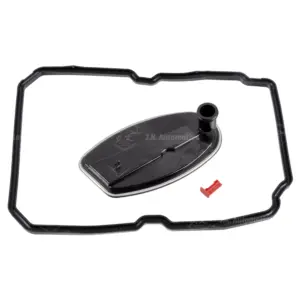
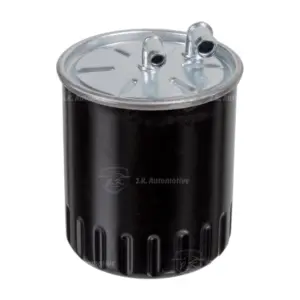
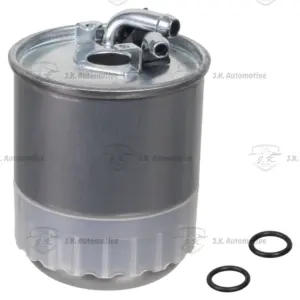
The Stokes Germany Hydraulic Filter Kit is an aftermarket replacement listed for the Mercedes-Benz E-Class W211 E 280 CDI (211.020). Its main purpose is to help filter automatic transmission fluid inside a compatible gearbox. Your Mercedes-Benz automatic transmission relies on specially formulated fluid for normal operation. This fluid helps lubricate important moving components inside the transmission. It also supports hydraulic functions involved in selecting and engaging gears. During regular driving, small wear particles may gradually collect in the gearbox fluid. Some contamination may come from normal internal component wear. Other unwanted material may enter during improper servicing. A suitable hydraulic filter captures certain particles as fluid passes through its filtering material. This helps reduce the amount of debris circulating through the filtered transmission circuit. Keeping the fluid reasonably clean is an important part of gearbox maintenance. Automatic transmissions contain mechanical and hydraulic components that operate with close tolerances. Excessive contamination can affect these components. During city driving, the gearbox may shift repeatedly as vehicle speed changes. Stop-and-go traffic can involve frequent gear engagement. On highway journeys, the gearbox may operate for longer periods at steady speeds. The filtration system remains important in both situations. Over time, captured particles gradually accumulate inside the filter. Excessive buildup can increase restriction. A heavily contaminated filter may contribute to transmission operating problems under certain conditions. Replacing the component during appropriate servicing helps maintain the intended filtration arrangement. However, installing a new filter cannot repair damaged internal gearbox parts. It also cannot automatically eliminate harsh shifting. Transmission slipping may result from worn mechanical components. Electronic control problems can also affect gear selection. These conditions require separate diagnosis. The hydraulic filter is different from the diesel engine oil filter. The engine oil filter serves the engine lubrication system. The hydraulic filter serves the automatic transmission fluid circuit. These components should not be confused when ordering parts. The Stokes Germany replacement must match the gearbox actually installed in the vehicle. Its physical dimensions must be suitable. Its fluid pickup connection should fit correctly. Any necessary seals must also match the required design. The supplied primary OEM reference is A2212770195. The additional references should be checked against reliable transmission parts information. The supplied vehicle years are 2002 – 2009. Correct installation and suitable transmission fluid support normal gearbox filtration.
What are the signs that the hydraulic filter needs replacement in my Mercedes-Benz E 280 CDI W211 automatic transmission?
The automatic transmission hydraulic filter may require replacement when your Mercedes-Benz E 280 CDI reaches the appropriate gearbox service interval. It may also need attention if excessive contamination is discovered. The correct maintenance schedule depends on the automatic transmission installed in the vehicle. Previous workshop records can help establish when the gearbox was last serviced. These records may also identify whether the transmission filter was replaced. If the service history is unknown, a qualified transmission specialist can recommend an inspection. During normal operation, gearbox fluid passes through the filtration system. The filter captures certain dirt and wear particles. Over time, this contamination gradually accumulates. Excessive buildup may restrict fluid movement. One possible symptom of transmission trouble is delayed gear engagement. The vehicle may hesitate after selecting Drive. Some drivers may notice a similar delay when selecting Reverse. Rough gear changes can also indicate a problem requiring attention. An uncomfortable jolt during shifting may be another concern. Slipping during acceleration should also be investigated. However, these symptoms do not prove that the hydraulic filter is blocked. Low transmission fluid can cause similar behaviour. Incorrect fluid may also affect gearbox operation. Worn internal components can create slipping. Faults in the hydraulic control system may affect shifting. Electronic transmission problems can produce additional symptoms. Therefore, accurate diagnosis is important before replacing parts. A technician should identify the actual gearbox model. The transmission fluid level must be checked using the correct procedure. Any visible leaks should be investigated. Relevant transmission fault information may assist with diagnosis. During servicing, the old filter may be examined for contamination. Unusual metal particles can indicate internal gearbox wear. A new filter cannot repair existing mechanical damage. It also cannot correct faulty electronic controls. The replacement must match the gearbox's required filter design. Its dimensions and fluid connection must be suitable. Necessary seals should also fit correctly. The supplied OEM references must be verified before ordering. Appropriate transmission fluid should be used during servicing. The correct fluid level must be established afterward. Persistent shifting problems may require additional investigation. Recording the service date and mileage helps with future maintenance. Proper servicing supports normal gearbox filtration.
What are the benefits of using the Stokes Germany Hydraulic Filter Kit in my Mercedes-Benz E 280 CDI (211.020)?
The main benefit of a correctly selected Stokes Germany Hydraulic Filter Kit is helping maintain suitable automatic transmission fluid filtration. Your Mercedes-Benz E 280 CDI automatic gearbox relies on fluid for lubrication and hydraulic functions. During normal operation, this fluid circulates through important transmission components. Small particles may gradually enter the fluid through internal wear. Additional contamination may occur during improper maintenance. A suitable hydraulic filter captures certain unwanted material. This reduces debris continuing through the filtered transmission system. Maintaining fluid cleanliness supports routine gearbox care. Internal transmission components can be affected by excessive contamination. Appropriate filtration helps reduce their exposure to certain particles. Another benefit is replacing an old filter that has collected excessive debris. Heavy buildup can gradually increase restriction. A suitable replacement helps maintain the intended filtration arrangement. This is relevant during frequent gear changes in city traffic. It is also important during longer highway journeys. The transmission continues relying on suitable fluid under different operating conditions. During servicing, the removed filter can provide useful information about gearbox condition. A technician may examine it for excessive contamination. Unusual metal particles may indicate internal component wear. The drained fluid may also be inspected for abnormal contamination. However, a replacement filter cannot guarantee smoother shifting. It cannot repair damaged mechanical components. It also cannot correct defective transmission electronics. The correct fluid specification remains essential. An unsuitable fluid may affect gearbox operation. Fluid-level adjustment must follow the applicable procedure. The Stokes Germany product provides an aftermarket replacement option. Its suitability depends on the actual gearbox configuration. The filter's physical dimensions must match the required component. Its fluid pickup connection should fit correctly. Any necessary sealing parts must also be suitable. The package contents should be confirmed before purchasing. Professional installation helps reduce avoidable errors. Owners should follow the appropriate transmission service schedule. Workshop records should identify the installed replacement. Replacing an excessively contaminated filter supports normal gearbox maintenance. Correct parts selection helps avoid unnecessary servicing delays. For a verified compatible transmission, the intended benefit is maintaining suitable fluid filtration.
Is the Stokes Germany Hydraulic Filter Kit OEM A2212770195 compatible with Mercedes-Benz E-Class W211 E 280 CDI (211.020) from 2002 – 2009?
The Stokes Germany Hydraulic Filter Kit is listed for Mercedes-Benz E-Class W211 E 280 CDI (211.020), with supplied years of 2002 – 2009. However, exact compatibility depends on the automatic transmission fitted to the vehicle. The W211 designation identifies the Mercedes-Benz E-Class generation. The E 280 CDI designation identifies the diesel model. The code 211.020 provides additional vehicle identification information. These details help narrow the replacement-parts search. However, the vehicle model alone cannot confirm the correct transmission filter. Different automatic gearbox designs may require different hydraulic filters. The supplied primary OEM reference is A2212770195. The additional references are A2202770095 / A2212770100 / A2212770200 / A2202770395 / A2202770695 / A2212770095 / A2222772000. These numbers can assist with researching possible replacements. However, their interchangeability should not be assumed without reliable evidence. The actual gearbox model must be identified before purchasing. The vehicle identification number can help establish the original factory configuration. A Mercedes-Benz specialist may use this information during parts selection. If the transmission was previously replaced, the currently installed unit must be checked. The original filter design is particularly important. The replacement's dimensions should match the required component. Its fluid pickup connection must fit properly. The sealing arrangement must also be suitable. An incorrect filter should never be forced into position. The product is described as a hydraulic filter kit. However, the exact package contents must be confirmed. Some servicing procedures require separate gaskets or sealing components. These items should not automatically be assumed included. Suitable transmission fluid may also need to be purchased separately. Product photographs can assist with visual comparison. However, appearance alone does not prove compatibility. Registration year alone is insufficient to establish fitment. The supplied 2002 – 2009 years remain unchanged in this listing. The appropriate transmission catalogue should be consulted. Buyers should verify the relevant OEM reference. Any differences between similar-looking filters should be checked. Correct identification helps prevent unsuitable purchases. Professional confirmation is recommended when gearbox details are uncertain. Accurate fitment is essential for appropriate transmission servicing.
How should I maintain the automatic transmission hydraulic filter in my Mercedes-Benz E-Class W211 E 280 CDI (211.020)?
Maintaining the automatic transmission hydraulic filter involves following the servicing requirements of the gearbox installed in your Mercedes-Benz E 280 CDI. The filter helps capture certain dirt and wear particles from transmission fluid. During normal driving, contamination gradually accumulates inside the filtering element. Excessive buildup may make the filter restrictive. Replacing the component when required helps maintain the intended filtration arrangement. Owners should check previous transmission maintenance records. These records may show when the gearbox fluid was last replaced. They may also identify whether the hydraulic filter was changed. If maintenance history is unclear, a qualified gearbox specialist can recommend an inspection. The actual automatic transmission must be identified before purchasing parts. Different gearbox designs may require different filters. The Stokes Germany replacement must match the correct application. Its supplied OEM references should be verified. The physical dimensions must be suitable. The fluid pickup connection must fit correctly. Any necessary seals should match the required design. The technician should inspect the gearbox for visible fluid leaks. Existing leaks may need separate repair. The condition of the drained fluid can also provide useful information. Unusual metal debris may indicate that further diagnosis is necessary. Clean working conditions are particularly important. Dirt should not enter the open transmission. The removed filter should be examined where appropriate. The replacement should be checked for physical damage. Necessary sealing parts must be identified before installation. The actual kit contents should be confirmed. The mechanic should follow the proper servicing procedure. Only transmission fluid approved for the fitted gearbox should be used. Incorrect fluid may affect normal operation. The correct fluid level must be established. Some transmissions require temperature-dependent fluid-level adjustment. The gearbox should be checked for leakage afterward. Normal gear engagement should also be verified. Persistent shifting concerns require additional diagnosis. A new filter cannot repair internal mechanical wear. The servicing date and mileage should be recorded. Appropriate maintenance helps support normal fluid filtration and gearbox operation.
How often should I replace the Stokes Germany Hydraulic Filter Kit in my Mercedes-Benz E-Class W211 E 280 CDI (211.020)?
The replacement interval for the Stokes Germany Hydraulic Filter Kit depends on the automatic gearbox installed in your Mercedes-Benz E 280 CDI. Different transmission models may have different maintenance requirements. Therefore, one universal replacement mileage should not be applied to every W211 vehicle. The supplied years of 2002 – 2009 do not establish the correct gearbox service interval. Owners should consult the appropriate Mercedes-Benz transmission maintenance information. Previous workshop records can help identify when the gearbox was last serviced. These records may show when the automatic transmission fluid was replaced. They may also identify whether the hydraulic filter was changed. If the service history is unknown, a qualified transmission specialist can recommend an inspection. Automatic gearbox fluid helps lubricate internal components. It also supports hydraulic functions involved in gear engagement. During normal operation, small wear particles may accumulate in the fluid. The hydraulic filter captures certain unwanted particles. Over time, debris gradually collects inside the filtering material. Excessive contamination may increase restriction. Replacing the component during appropriate servicing helps maintain the intended filtration arrangement. Frequent city driving involves repeated acceleration and gear changes. Highway driving can involve longer periods of steady operation. However, driving conditions alone cannot establish one replacement interval. The actual gearbox requirements should guide maintenance. A technician may inspect the transmission fluid during servicing. Unusual debris may indicate internal wear. Significant metal particles can justify additional investigation. A new filter cannot reverse existing mechanical damage. It also cannot correct faulty transmission electronics. When replacement is due, the actual gearbox must be identified. The Stokes Germany component should match that transmission. Its physical dimensions must be suitable. The fluid pickup connection must fit correctly. Necessary seals should also match the required design. The exact kit contents must be confirmed before installation. The technician must use approved gearbox fluid. Fluid-level adjustment should follow the correct procedure. Any leaks should be investigated afterward. Severe slipping or delayed engagement requires attention even if routine servicing is not yet due. Owners should retain the replacement date and mileage. Gearbox-specific maintenance information is more reliable than an unsupported fixed service interval. Appropriate servicing supports normal transmission filtration.
Can a blocked hydraulic filter cause harsh shifting, slipping or delayed gear engagement in my Mercedes-Benz E 280 CDI?
A heavily contaminated hydraulic filter can contribute to transmission operating problems under certain circumstances. Your Mercedes-Benz E 280 CDI automatic gearbox depends on suitable transmission fluid. This fluid helps lubricate moving components. It also supports hydraulic functions involved in changing gears. The filter captures certain dirt and wear particles from circulating fluid. Over time, contamination gradually accumulates inside the filtering element. Excessive buildup may restrict fluid movement. Such restriction may influence gearbox operation in some situations. One possible symptom is delayed engagement when selecting Drive. A similar delay may occur when selecting Reverse. Some drivers experience uncomfortable gear changes. Others may notice a sudden jolt during shifting. Slipping under acceleration is another concern. However, these symptoms do not prove that the filter is blocked. Low transmission fluid can cause similar problems. Incorrect fluid may also affect operation. Worn mechanical components may cause slipping. Faulty hydraulic controls can influence shifting. Electronic transmission problems may create additional symptoms. Therefore, accurate diagnosis is important before replacing parts. A qualified technician should identify the actual gearbox model. The fluid level must be checked using the correct procedure. Visible transmission leaks should be investigated. Relevant fault information may assist with diagnosis. During servicing, the removed filter can be inspected for contamination. Unusual metal debris may indicate internal gearbox wear. A new filter cannot repair damaged internal components. It also cannot correct defective transmission electronics. The replacement must match the required filter design. Its dimensions and fluid pickup connection must be suitable. Any required seals should fit correctly. Appropriate transmission fluid must be used. The correct fluid level should be established afterward. The gearbox should then be checked for normal gear engagement. Persistent shifting problems may require further diagnosis. Serious slipping or loss of drive should receive prompt professional attention. Proper filtration maintenance supports gearbox care but cannot guarantee the resolution of every transmission problem.
Can I install the Stokes Germany Hydraulic Filter Kit myself in my Mercedes-Benz E-Class W211 E 280 CDI (211.020)?
Replacing an automatic transmission hydraulic filter requires suitable mechanical knowledge and workshop equipment. Professional installation is recommended for most Mercedes-Benz E 280 CDI owners. The work may require safe access underneath the vehicle. Working beneath a car requires suitable lifting equipment and secure support. The actual automatic gearbox must be identified before beginning work. Different transmissions may require different filter designs. The Stokes Germany component must match the installed gearbox. Its supplied OEM references should be verified. Similar-looking hydraulic filters are not necessarily interchangeable. The replacement's dimensions must be suitable. Its fluid pickup connection must also fit correctly. Any necessary sealing components must match the required design. The actual package contents should be checked before disassembly. The term kit does not guarantee that every required gasket is included. Some components may need to be purchased separately. Transmission fluid may be hot after driving. The correct draining procedure must be followed. Used fluid should be collected safely. Clean working conditions are especially important. Dirt should not enter the open gearbox. The existing filter must be removed carefully. The replacement should be checked for physical damage. Necessary seals should be installed according to the applicable instructions. An unsuitable filter must never be forced into position. Removed gearbox components should be refitted correctly. Specified tightening procedures should be followed. Only transmission fluid approved for the installed gearbox should be used. Incorrect fluid may affect normal gearbox operation. The correct fluid level must be established. Some transmissions require checking fluid temperature during adjustment. The mechanic should follow the relevant service instructions. After installation, the gearbox should be inspected for leaks. Normal engagement of Drive and Reverse should be checked. Used fluid should be disposed of responsibly. The service date and part reference should be recorded. Professional fitting helps reduce avoidable mistakes involving filtration, sealing and fluid-level adjustment. Correct servicing supports appropriate automatic transmission maintenance.
Why should I consider buying the Stokes Germany Hydraulic Filter Kit from JK Automotive for my Mercedes-Benz E 280 CDI?
JK Automotive provides an online purchasing option for automotive replacement parts in India. This Stokes Germany Hydraulic Filter Kit is listed for a Mercedes-Benz E-Class diesel application. Customers can use the product information to begin checking compatibility. The listing identifies Mercedes-Benz as the vehicle manufacturer. It specifies the E-Class W211 model family. The E 280 CDI designation identifies the diesel vehicle variant. The code 211.020 provides additional application information. The supplied vehicle years are 2002 – 2009. These details help narrow the replacement-parts search. The primary supplied OEM reference is A2212770195. Additional references may assist with parts research. However, a listed OEM number does not automatically guarantee compatibility. The actual automatic transmission must be identified. The original hydraulic filter design should be checked. The replacement's dimensions must match the required component. Its fluid pickup connection should be suitable. Necessary seals must also fit properly. Customers should confirm the exact kit contents. A transmission pan gasket should not be assumed included unless stated. Approved automatic transmission fluid may need to be purchased separately. Product photographs may help with visual comparison. However, appearance alone cannot establish fitment. Buyers should review the complete product information. The hydraulic filter should be distinguished from the engine oil filter. The two components serve different lubrication systems. Customers may compare Stokes Germany with other verified compatible aftermarket options. Price is one consideration during purchasing. However, correct compatibility should remain the main priority. The current selling price should be checked. Stock availability should also be confirmed. Shipping charges and delivery information should be reviewed during checkout. Applicable return conditions should be checked before ordering. Warranty terms should be verified from the current listing. Buyers should retain their invoice and packaging until fitment is established. A qualified transmission specialist can assist with identifying the required component. Accurate parts selection helps reduce incorrect purchases and unnecessary workshop delays. JK Automotive offers an online buying option once the correct replacement has been confirmed.
Is Stokes Germany better than FEBI Bilstein for the Mercedes-Benz E-Class W211 E 280 CDI (211.020) Hydraulic Filter Kit OEM A2212770195?
Stokes Germany and FEBI Bilstein are aftermarket brands customers may compare when selecting automatic transmission hydraulic filters. For the Mercedes-Benz E-Class W211 E 280 CDI (211.020), verified gearbox compatibility should be the first priority. The primary supplied reference for this Stokes Germany product is A2212770195. Additional supplied references are A2202770095 / A2212770100 / A2212770200 / A2202770395 / A2202770695 / A2212770095 / A2222772000. These part numbers should be checked against the transmission actually installed in the vehicle. The corresponding FEBI Bilstein replacement must be identified independently. A reference appearing in one listing does not automatically prove interchangeability between competing brands. The W211 designation identifies the Mercedes-Benz E-Class generation. The E 280 CDI designation identifies the diesel variant. The code 211.020 provides more specific application information. The supplied years are 2002 – 2009. These details can assist with parts research. However, the actual automatic gearbox must also be identified. FEBI Bilstein supplies aftermarket automotive components. Stokes Germany is presented here as another aftermarket replacement option. Customers should compare individual filters rather than relying only on brand recognition. The physical dimensions must match the required gearbox. The fluid pickup connection must also be suitable. Necessary sealing components must fit correctly. Buyers should compare the actual contents of both kits. Different packages may contain different servicing accessories. Some installations may require a separately purchased gasket. The correct transmission fluid specification is another important consideration. Filtration efficiency is relevant to technical comparisons. However, reliable comparative test results have not been provided for these exact products. Independent testing would be needed to establish which specific filter performs better. Without supporting evidence, Stokes Germany should not automatically be described as superior. It would also be inaccurate to assume every FEBI Bilstein filter performs better. Brand familiarity may influence purchasing preferences. Price can be compared after fitment is confirmed. Product availability is another practical factor. Warranty conditions should also be reviewed where available. Neither filter can repair worn internal transmission components. Neither can guarantee smoother shifting when unrelated faults remain. Both require appropriate installation and approved transmission fluid. An incompatible inexpensive component is not good value. A more expensive filter is not automatically the correct choice. For this Mercedes-Benz application, the better replacement is one with verified gearbox compatibility, appropriate technical specifications and confirmed kit contents.



Reviews
There are no reviews yet.