What is the Stokes Germany Hydraulic Filter Kit?
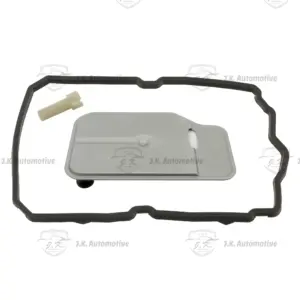
The Stokes Germany Hydraulic Filter Kit is an aftermarket replacement filtration product listed for the Mercedes-Benz C-Class Coupe (CL203) C 200 Kompressor (203.745), covering the supplied model year range 2001 – 2008. This component is associated with the hydraulic filtration system of a compatible automatic transmission. Automatic transmission fluid plays an important role in the operation of the gearbox. It helps transfer hydraulic pressure through the transmission control system. It also lubricates moving components that require protection against friction and wear. Transmission fluid can assist with transferring heat away from certain internal components. During normal operation, small particles may accumulate within the fluid. These particles can originate from component wear, external contamination or deteriorating materials. A hydraulic transmission filter helps capture contaminants within its designed filtration range. The filtration element supports the intended cleanliness of the transmission fluid circuit. Cleanliness is important because automatic transmissions contain components that depend on controlled hydraulic fluid movement. The correct filter must match the gearbox's hydraulic and mechanical requirements. This product is listed under the Stokes Germany aftermarket brand. It should not be confused with a genuine Mercedes-Benz component unless original manufacturer documentation establishes that status. The supplied OEM references are A1402770095 / 52108325AA / 5073878AA / 52108325AA / K52108325AA / 5021192732 / 14027-70095. These references help identify potentially corresponding service components. Their inclusion together does not prove that every reference is interchangeable. The exact transmission model must be identified before selecting the replacement. The Mercedes-Benz CL203 was available with different drivetrain configurations. The C 200 Kompressor model designation alone does not establish the installed gearbox. Customers should therefore verify the vehicle identification number. The transmission identification code should also be checked. A reliable manufacturer parts catalogue can help determine the correct filtration component. The filter must match the required housing dimensions and fluid inlet arrangement. Its sealing surfaces must also be compatible with the gearbox. Any supplied gasket or seal should match the intended service application. The correct transmission fluid specification must be confirmed separately. Installation should follow the applicable Mercedes-Benz transmission service procedure. A qualified technician should inspect the replacement before installation. Correct fitment verification helps reduce ordering errors and supports proper transmission servicing.
Is this hydraulic filter kit compatible with the Mercedes-Benz C 200 Kompressor CL203?
This hydraulic filter kit is listed for the Mercedes-Benz C-Class Coupe (CL203) C 200 Kompressor (203.745), with the supplied production years 2001 – 2008. However, compatibility must be established using the exact transmission fitted to the vehicle. Mercedes-Benz vehicles of the same model designation may have different transmission specifications. The transmission configuration can depend on the vehicle's production details and market. Some versions may use manual gearboxes. Other versions may use automatic transmissions. A hydraulic automatic transmission filter is not a universal component for every transmission type. Customers should identify whether their vehicle uses a compatible automatic gearbox. The vehicle VIN can assist with this identification. The transmission code provides more precise information about the gearbox design. A reliable Mercedes-Benz parts catalogue should be used to confirm the required filter. The supplied OEM references include A1402770095 and 52108325AA. The additional supplied references are 5073878AA, 52108325AA, K52108325AA, 5021192732 and 14027-70095. The repeated 52108325AA reference has been preserved exactly as supplied. These numbers should be checked individually against the correct service application. Multiple listed references do not automatically establish direct interchangeability. The filter dimensions must match the gearbox housing. The transmission fluid pickup arrangement must also be suitable. The filter's sealing design must correspond to the intended installation. An incorrect filter may not seat properly. An unsuitable sealing arrangement may create fluid supply problems. The transmission pan design can also influence the required service components. Some service procedures require replacement of additional seals or gaskets. The contents of the Stokes Germany kit should therefore be confirmed. Customers should not assume that every hydraulic filter kit includes identical accessories. The correct transmission fluid must be identified before servicing. Fluid filling and level-setting procedures may differ between gearbox versions. A qualified transmission technician can assist with application verification. Customers should purchase this kit only after confirming the VIN, transmission code and required filter specification.
What are the benefits of replacing the transmission hydraulic filter?
Replacing the transmission hydraulic filter can be an important part of appropriate automatic gearbox maintenance. The filtration component helps capture specified contaminants from circulating transmission fluid. Automatic transmission fluid performs several functions inside a compatible gearbox. It transmits hydraulic pressure to components responsible for transmission operation. It also lubricates designated moving parts. The fluid can contribute to heat transfer within the transmission system. During operation, small particles may enter or develop within the fluid. Normal component wear can produce fine debris. Contamination may also result from improper servicing or deteriorating internal materials. The filter helps reduce the circulation of particles within its designed filtration range. A properly selected replacement supports the intended filtration function. However, the benefits depend on the condition of the transmission and correct installation. A filter replacement cannot automatically repair internal gearbox damage. It should not be described as a guaranteed solution for slipping gears. Harsh shifting can have several different mechanical or electronic causes. Delayed gear engagement may also require further diagnosis. Transmission fluid level problems can affect operation. Incorrect fluid specifications may contribute to shifting concerns. The correct filter must therefore be selected as part of a complete service procedure. The transmission code should be confirmed before ordering. The replacement must match the intended fluid pickup and housing arrangement. The correct gasket or sealing components should be used where required. The transmission pan may need inspection during servicing. Excessive metallic debris can indicate internal wear that requires professional evaluation. The manufacturer's fluid specification must be followed. The correct fluid quantity should also be established. Some automatic transmissions require a particular temperature range during fluid level checking. The technician should follow the applicable Mercedes-Benz service instructions. The gearbox should be inspected for leaks after maintenance. Proper servicing supports the transmission's intended operation but does not eliminate the possibility of future mechanical faults.
What are the symptoms of a dirty or blocked transmission filter?
A transmission filter can gradually accumulate contaminants during normal gearbox operation. The amount of collected material depends on the transmission's condition and service history. A severely restricted filter may affect fluid supply under certain operating conditions. However, symptoms alone cannot reliably identify a blocked filter. Delayed engagement when selecting a driving gear may indicate a transmission problem. Harsh or irregular shifting can also suggest that inspection is required. Slipping gears may occur when the transmission cannot maintain the intended operating conditions. Unusual gearbox noises may indicate mechanical or hydraulic concerns. Transmission warning messages should also be investigated. Fluid leakage can affect the gearbox's hydraulic operation. A low fluid level may produce symptoms similar to those associated with restricted fluid flow. Incorrect transmission fluid can create additional operational problems. Faulty sensors may influence electronic transmission control. Solenoid problems can also affect hydraulic regulation. Internal clutch wear may produce slipping or engagement problems. These conditions require proper diagnosis rather than assumptions. A technician should identify the exact gearbox before recommending repairs. The vehicle VIN can assist with transmission identification. Diagnostic equipment may provide useful fault information. The fluid condition should be evaluated according to the manufacturer's instructions. The transmission pan may be inspected where appropriate. Accumulated metallic debris can indicate internal component wear. The existing filter should be examined when removed during servicing. A replacement must match the correct transmission specification. The Stokes Germany kit should be verified using the supplied OEM references. The correct gasket and sealing components should also be confirmed. The manufacturer's transmission fluid specification must be used. The fluid level should be established using the prescribed procedure. Filter replacement cannot repair worn clutches or damaged mechanical components. Persistent symptoms should be investigated by a qualified automatic transmission specialist.
Why is the transmission code important for selecting this filter kit?
The transmission code is important because it identifies the gearbox configuration installed in a vehicle. Different automatic transmissions can require different filtration components. The Mercedes-Benz C-Class Coupe CL203 was produced with multiple drivetrain configurations. The C 200 Kompressor model designation does not always provide enough information to identify the gearbox. The supplied variant code is 203.745. The vehicle identification number can help establish the original transmission configuration. Customers should use reliable manufacturer parts information when checking the required filter. The transmission code may determine the correct filter dimensions. It can also identify the appropriate fluid pickup arrangement. Different gearbox designs may use different filter mounting positions. Their sealing requirements can also vary. The transmission pan design may influence the gasket specification. Some gearbox versions require particular service accessories. The correct transmission fluid specification may also depend on the gearbox code. Fluid filling procedures can differ between transmission designs. Certain transmissions require temperature-controlled level checking. The correct service tools may therefore be necessary. Selecting a filter solely from a product photograph can be unreliable. Two filters may appear similar while having different physical specifications. An incorrect filter may not seat correctly. A poorly fitted filter can affect the intended fluid supply arrangement. The supplied OEM references are A1402770095 / 52108325AA / 5073878AA / 52108325AA / K52108325AA / 5021192732 / 14027-70095. These numbers should be checked against the actual transmission application. The repeated reference 52108325AA has been retained as supplied. The references should not automatically be considered interchangeable. The actual Stokes Germany kit contents must also be verified. Any included seals or gaskets should match the required service components. The transmission technician should compare the replacement with the applicable parts information. Correct identification helps prevent unnecessary returns and installation problems. Customers should confirm the gearbox before ordering through JK Automotive.
How often should the hydraulic transmission filter be replaced?
The replacement interval for an automatic transmission hydraulic filter depends on the specific gearbox and its maintenance requirements. The Mercedes-Benz C-Class Coupe (CL203) C 200 Kompressor (203.745) is listed here with the supplied year range 2001 – 2008. Different transmission configurations can have different service procedures. The vehicle VIN should be used to identify the original gearbox specification. The transmission code should then be confirmed against reliable manufacturer information. Customers should not assume that every CL203 transmission has the same filter replacement interval. Some transmission maintenance schedules specify fluid and filter replacement together. Other service requirements may depend on the gearbox design and operating conditions. Vehicle mileage is one factor to consider when reviewing maintenance history. The time elapsed since the previous service can also be relevant. Frequent stop-and-go driving may place different demands on the transmission than steady highway driving. Operating temperatures can influence transmission fluid condition. Heavy operating loads may also affect gearbox maintenance requirements. The manufacturer's maintenance instructions should remain the primary reference. Owners should review the available service records. If previous transmission maintenance is undocumented, professional inspection may be appropriate. A technician can evaluate the fluid condition and any reported operating symptoms. Diagnostic equipment may be required if warning messages or shifting problems are present. The transmission pan may need to be removed during the prescribed service procedure. The existing filter should be inspected when replacement is performed. The replacement component must match the actual gearbox. The Stokes Germany kit carries several supplied OEM references that require individual verification. The correct gasket and sealing components should be identified. The manufacturer's approved transmission fluid specification must be followed. The required fluid quantity should be established from the applicable service instructions. Some transmissions require fluid level measurement within a specified temperature range. The technician should inspect for leaks after completing maintenance. The gearbox should also be checked for normal operation. Service details should be recorded for future reference. Following the correct transmission-specific maintenance schedule is preferable to using an arbitrary replacement interval.
Can a dirty hydraulic filter cause automatic gearbox shifting problems?
A heavily contaminated hydraulic transmission filter may affect fluid flow in a compatible automatic gearbox. Automatic transmissions depend on hydraulic pressure for several important operating functions. Transmission fluid also lubricates designated internal components. The filtration system helps capture particles carried by the fluid. During normal use, contaminants can accumulate within the filtration media. Excessive restriction may interfere with the intended fluid supply under certain conditions. However, not every shifting problem is caused by a dirty filter. Delayed gear engagement can have several possible explanations. Harsh shifts may result from hydraulic control problems. Slipping gears may indicate internal clutch wear. Faulty solenoids can also affect transmission operation. Electronic control problems may produce similar symptoms. Incorrect transmission fluid can influence shift quality. A low fluid level may affect hydraulic pressure. Excessive fluid levels can also create operating problems in certain transmission designs. Fluid leakage should therefore be investigated promptly. The vehicle's warning messages should not be ignored. A qualified technician should identify the transmission before diagnosing the problem. Diagnostic equipment may reveal stored gearbox fault codes. The condition of the transmission fluid should be evaluated. The transmission pan may be inspected for unusual debris where appropriate. Excessive metallic material can indicate internal mechanical wear. A replacement filter cannot repair damaged clutches or bearings. It also cannot correct every electronic control fault. The correct filter must match the gearbox's fluid pickup and sealing arrangement. The Stokes Germany product should be checked against the required OEM reference. The supplied model application is the CL203 C 200 Kompressor (203.745). The supplied year range remains 2001 – 2008. Proper filter replacement should be accompanied by the correct transmission fluid service. Persistent shifting problems require further diagnosis rather than repeated filter replacement.
How is the hydraulic transmission filter kit installed?
Installation of a hydraulic transmission filter kit should follow the manufacturer's service procedure for the exact gearbox. The technician should begin by identifying the transmission code. The vehicle VIN can assist with confirming the original gearbox configuration. The correct replacement filter should be obtained before starting the service. Any required gasket or sealing components should also be available. The actual contents of the Stokes Germany kit must be checked. The vehicle should be secured using appropriate lifting and support equipment. Working underneath an improperly supported vehicle is dangerous. The transmission and its fluid may be hot after operation. Suitable protective equipment should be used. The manufacturer's instructions should determine the appropriate preparation steps. Some automatic transmission services require draining the existing fluid. The transmission pan may need to be removed to access the filter. The pan should be handled carefully to avoid damage. The existing filtration component should be removed using the specified procedure. The technician should inspect the removed component and surrounding area. The pan may contain debris that requires evaluation. Excessive metallic particles can indicate internal transmission wear. The replacement filter should be compared with the required specification. Its dimensions and fluid inlet arrangement must match. Any required seals should be installed in the correct positions. The transmission pan sealing surfaces should be inspected. The correct gasket should be fitted where specified. Fasteners should be tightened according to the manufacturer's procedure. The appropriate transmission fluid specification must be used during refilling. The correct fluid level should be established using the prescribed method. A specified transmission fluid temperature may be required. The technician should inspect for leakage after servicing. Normal gearbox operation should be checked before returning the vehicle to use. Professional installation is recommended when the required equipment or technical knowledge is unavailable.
Are all the supplied OEM references interchangeable?
The product listing includes several supplied OEM references for identification purposes. These references are A1402770095 / 52108325AA / 5073878AA / 52108325AA / K52108325AA / 5021192732 / 14027-70095. The reference 52108325AA appears twice in the original information. It has been preserved exactly as supplied. OEM numbers can help identify service components across different catalogues. They may also be used when searching for aftermarket replacement products. However, a list of references does not automatically establish direct interchangeability. Different references can relate to different vehicle or transmission applications. Some references may represent revised component numbers. Others may belong to separate manufacturer numbering systems. A supersession relationship should be verified through reliable parts documentation. Customers should not assume that every listed number represents the same physical component. The correct filter must match the designated transmission housing. Its fluid inlet arrangement must also be appropriate. The mounting dimensions should be checked. The sealing design must correspond to the intended installation. Any included gasket should match the correct transmission pan. The actual contents of the Stokes Germany kit should be confirmed. The vehicle model alone is not sufficient for complete fitment verification. The listed application is the Mercedes-Benz C-Class Coupe CL203 C 200 Kompressor (203.745). The supplied model years are 2001 – 2008. The vehicle VIN should be checked before ordering. The gearbox identification code should also be established. A reliable Mercedes-Benz parts catalogue can help identify the correct transmission filter. Customers may also compare the required component with the supplier's technical specification. Physical similarity should not replace documented compatibility verification. Incorrect components should never be forced into the transmission. Any uncertainty should be resolved before installation. A qualified transmission technician can assist with component identification. Accurate OEM cross-referencing helps reduce incorrect orders and service complications.
Where can I buy this hydraulic filter kit Online India?
Customers can review Stokes Germany automotive replacement products through JK Automotive's online store in India. The website is
https://jkautomotive.co.in/. This hydraulic filter kit is listed for the Mercedes-Benz C-Class Coupe (CL203) C 200 Kompressor (203.745). The supplied vehicle year range is 2001 – 2008. The listed OEM references are A1402770095 / 52108325AA / 5073878AA / 52108325AA / K52108325AA / 5021192732 / 14027-70095. Customers should verify the correct application before placing an order. The transmission code is particularly important when purchasing automatic gearbox filtration components. Different transmission versions may require different filters. The vehicle VIN can assist with identifying the correct gearbox. Manufacturer parts information should be consulted when confirming compatibility. The filter's dimensions must match the required component. Its fluid pickup arrangement should also be suitable. Any required sealing components must correspond to the transmission specification. Customers should confirm the actual kit contents. The product name alone does not establish which accessories are included. A transmission service may require additional parts or fluids. The appropriate transmission fluid specification should be identified separately. Buyers should review the current product price on the website. Product availability should also be checked. Delivery options may depend on the destination and order details. Customers should review the applicable return and replacement terms. A filter should not be installed if compatibility remains uncertain. A qualified technician can help identify the correct replacement. The gearbox should be serviced according to the manufacturer's procedure. Proper fluid filling and level checking are important. Transmission warning messages should be diagnosed before assuming that routine servicing will resolve them. JK Automotive provides an online platform for automotive spare parts. Customers can use the listed OEM references to assist with product identification. Final purchase decisions should be based on verified vehicle and gearbox compatibility. Correct selection helps reduce unnecessary returns and installation problems.



Reviews
There are no reviews yet.