What is the Stokes Germany Cabin Air Filter for Mercedes-Benz CLS 500 (219.372), and why is it important?
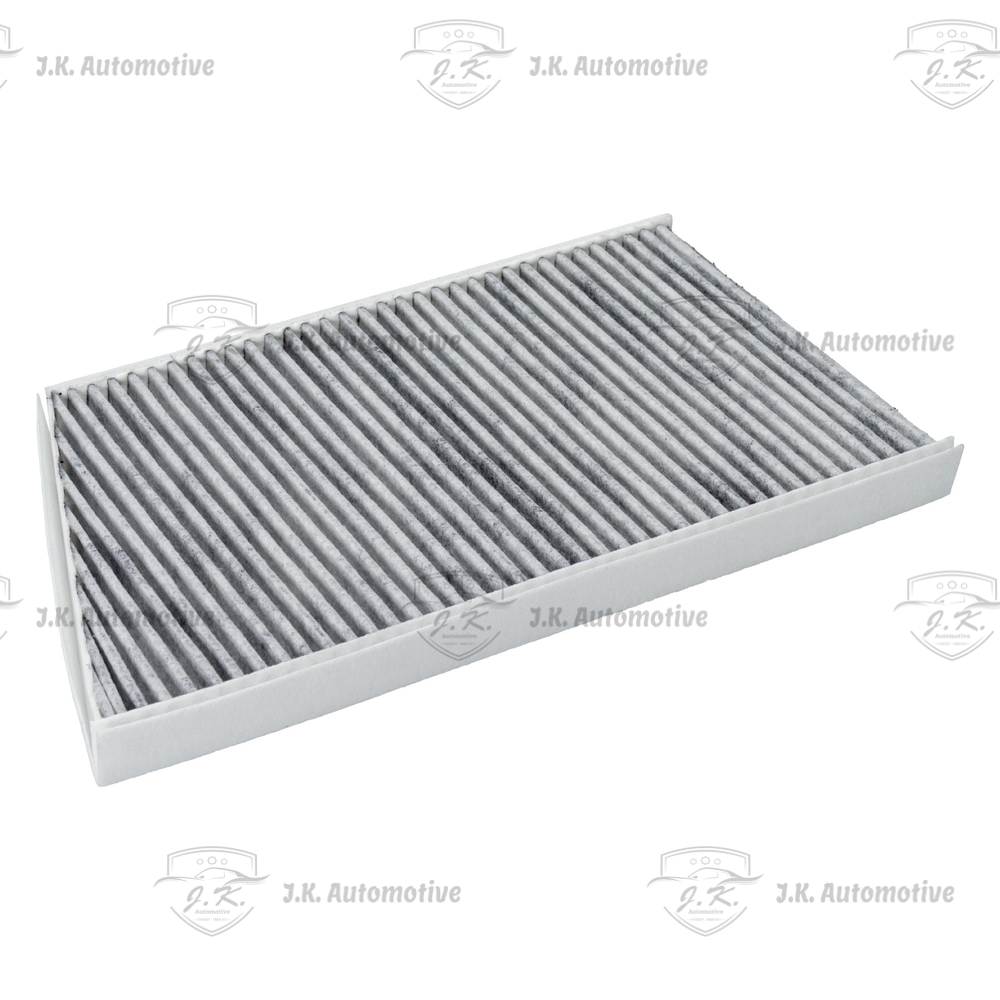
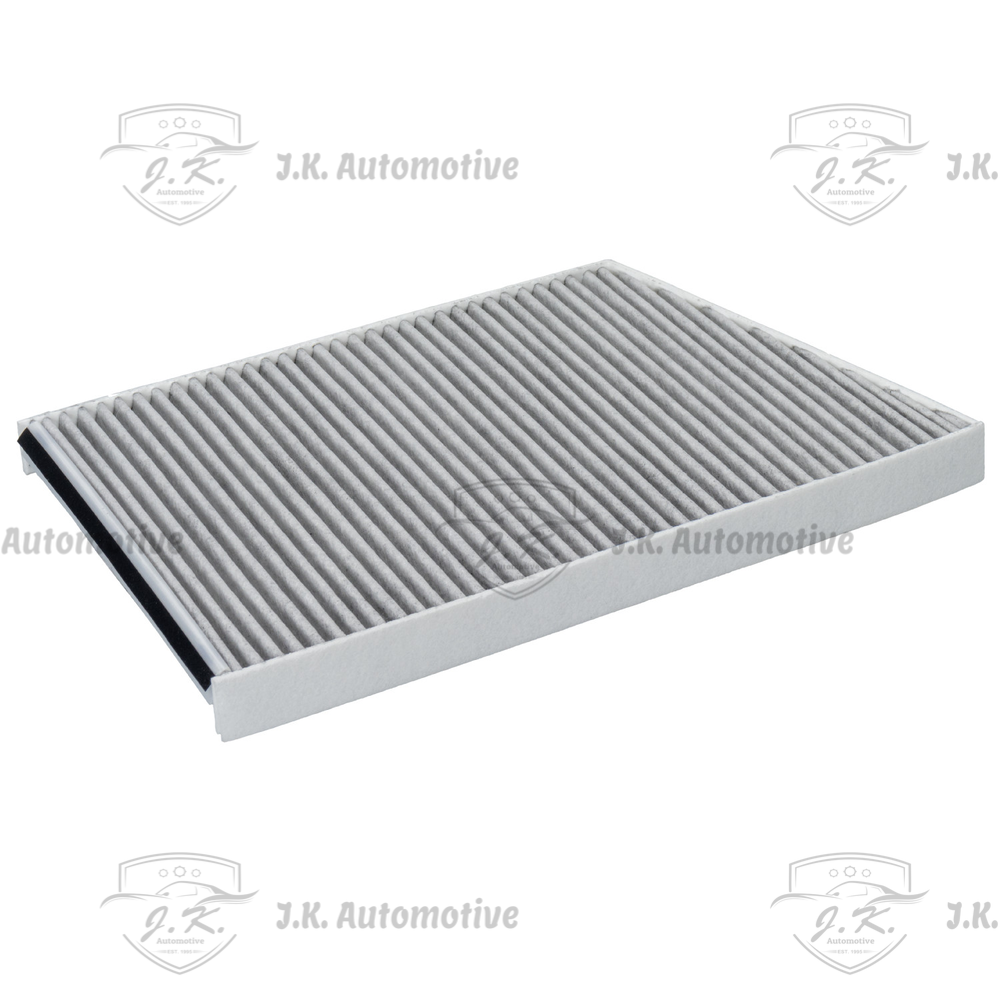
The Stokes Cabin Filter CLS 500 219.372 A2038300018 is a replacement cabin air filter intended to help reduce dust, pollen and suitable airborne particles entering the passenger compartment of your Mercedes-Benz CLS 500. Your Mercedes-Benz CLS (C219) CLS 500 (219.372) has a climate-control and ventilation system that circulates air inside the vehicle. When the system draws outside air into the cabin, that air may contain road dust, pollen, small particles and dirt from the surrounding environment. The cabin filter helps capture suitable contaminants before the air travels farther through the ventilation system. Think of it as a cleaning layer between the outside environment and the interior ventilation outlets. Imagine driving your CLS 500 through busy city traffic with the windows closed. Even with the windows shut, the ventilation system may introduce outside air depending on the selected settings. The cabin filter helps reduce the amount of suitable dust entering through this route. This is especially useful during daily journeys through dusty roads and construction areas. However, no ordinary cabin filter makes the passenger compartment completely free from pollution. Its effectiveness depends on the type of filtering material and the particles involved. Some cabin filters mainly capture dust and pollen, while others have additional media designed for specific contaminants. The exact characteristics of the Stokes Germany product must be verified before advertising additional benefits. As the filter collects dirt, the material gradually becomes contaminated. An excessively dirty filter may create greater resistance to incoming airflow. This can sometimes reduce the amount of air reaching the cabin vents. Replacing the filter when necessary helps maintain the intended airflow and filtration. However, a new cabin filter does not generate cold air. Cooling depends on the complete air conditioning system, including components such as the compressor and refrigerant circuit. This Stokes Germany replacement is listed for Mercedes-Benz CLS (C219) CLS 500 (219.372) from 2004 – 2010. Its supplied OEM references are A2038300018 and A2038300918. These numbers help identify the intended replacement when compared with the original filter. Your mechanic should confirm the correct housing dimensions and installation orientation before replacement. The filter should fit securely so that incoming air passes through its material. If the element is incorrectly seated, some air may bypass the intended filtration path. The workshop should also inspect the surrounding housing for dust and moisture. A new filter cannot repair an AC compressor or blower motor that is already faulty. For CLS 500 owners, choosing the correct cabin filter helps maintain normal ventilation and everyday interior comfort.
What are the common signs that the cabin air filter in your Mercedes-Benz CLS 500 needs replacement?
The cabin air filter in your Mercedes-Benz CLS 500 may require replacement when it becomes heavily contaminated, damaged, restricted or reaches the appropriate maintenance interval. Many owners first notice a possible problem when the airflow from the air conditioning vents becomes weaker than usual. For example, you may increase the fan setting but still feel less air entering the cabin. This can happen when an excessively dirty filter restricts the normal passage of air through the ventilation system. However, a blocked cabin filter is not the only possible explanation for reduced airflow. A faulty blower motor, obstructed ventilation duct or damaged control component can cause similar symptoms. Your mechanic should therefore inspect the system rather than assuming that the filter is responsible. Another possible complaint is an unpleasant smell when switching on the AC. An old filter containing dust and debris may contribute to certain odours. However, moisture or contamination elsewhere inside the ventilation system can also create unwanted smells. Replacing the filter may help when it is the cause, but it does not guarantee that every smell will disappear. Some owners may notice more visible dust inside the car. A damaged or poorly installed filter may allow suitable particles to pass around the filtering material. However, dust can also enter through open doors, windows and other openings. Therefore, interior dust alone does not prove that the filter has failed. Window fogging during rainy weather is another concern. A severely restricted filter may reduce the ventilation airflow available for demisting. Nevertheless, condensation depends on humidity, interior moisture and climate-control settings as well. The cabin filter itself does not directly remove condensation from the glass. The Stokes Cabin Filter CLS 500 219.372 A2038300018 is listed with references A2038300018 and A2038300918. These numbers should be compared with the original component before purchase. During servicing, the mechanic should inspect the old filter for dirt, damage and unsuitable sealing conditions. Any moisture in the housing should be investigated because drainage problems may require additional work. The replacement should be installed in the correct orientation. It must fit securely to maintain the intended filtration route. If weak airflow remains after replacement, further ventilation-system diagnosis may be necessary. If airflow is normal but cooling is poor, the AC cooling system should be inspected separately. For CLS 500 owners, regular filter inspection is a more dependable approach than waiting until cabin comfort becomes noticeably worse.
How does the Stokes Germany Cabin Air Filter help reduce dust and pollen inside your Mercedes-Benz CLS 500?
The Stokes Cabin Filter CLS 500 219.372 A2038300018 helps reduce suitable dust, pollen and other airborne particles entering your Mercedes-Benz passenger compartment through its ventilation system. Your CLS 500 may be driven through busy roads, highways, residential areas and locations where construction creates airborne dust. The vehicle's ventilation system moves air through the passenger compartment according to the selected settings. When outside air enters the system, the cabin filter helps capture suitable particles before they continue toward the cabin vents. This is the main purpose of a passenger-compartment air filter. Imagine travelling in your Mercedes through a dusty road with all the windows closed. Outside air can still enter through the ventilation intake when the climate-control system is set to admit fresh air. The cabin filter helps reduce particles travelling through that intake route. This may support a more comfortable interior environment during normal driving. However, it is important not to confuse ordinary cabin filtration with complete air purification. No standard cabin filter should be described as removing every harmful substance from the air. The actual performance depends on the filter's material, construction and condition. Certain replacement filters use activated carbon that can help reduce some odours and gaseous contaminants. Other filters primarily capture particles without a dedicated carbon layer. The Stokes Germany filter should only be advertised as activated carbon if the manufacturer or packaging confirms that specification. The product should not be described as preventing allergies or treating respiratory problems. Over time, dust and pollen collect within the filtering material. A heavily loaded filter may create additional resistance to airflow. If the old filter is excessively restricted, replacing it can help restore normal ventilation when that restriction is the cause. The Stokes Cabin Filter CLS 500 219.372 A2038300018 is listed under OEM references A2038300018 and A2038300918. These references help identify the intended replacement for compatible Mercedes-Benz ventilation applications. The mechanic should confirm the original filter dimensions and fitting arrangement. A properly seated element helps ensure that the air follows the intended filtration path. The housing should be checked for gaps, damage and accumulated debris. A damaged housing may allow unwanted air to bypass the filter. A new cabin filter does not repair a faulty AC compressor or guarantee that the cabin becomes colder. Its main function is to maintain normal filtration of ventilation air. For CLS 500 owners, correct fitment and regular replacement are practical ways to maintain the cabin ventilation system.
Will the Stokes Germany Cabin Air Filter A2038300018 / A2038300918 fit every Mercedes-Benz CLS 500 (219.372) from 2004 – 2010?
The Stokes Germany Cabin Air Filter is listed for Mercedes-Benz CLS (C219) CLS 500 (219.372) from 2004 – 2010, but the model and year range alone should not be treated as a complete fitment guarantee. Mercedes-Benz produced several versions of the CLS C219 with different engine and equipment configurations. The CLS 500 (219.372) uses the M273.960 V8 petrol engine application. Another CLS 500 variant, identified as 219.375, uses an earlier V8 engine. Even though the engines differ, some vehicle variants share passenger-compartment ventilation components. This means a cabin filter may be used across more than one engine application when the original equipment is compatible. The current listing includes OEM references A2038300018 and A2038300918. These numbers help identify the stated replacement family. However, customers should still compare the proposed replacement with the original filter. Imagine searching JK Automotive and finding several cabin-filter products for CLS 350 and CLS 500 vehicles. Multiple listings may display the same reference numbers. This can indicate shared replacement applications rather than physically different products. However, separate catalogue listings do not prove that the filters or packages are identical. The existing filter should be inspected for its reference number and physical dimensions. The vehicle's VIN can help a qualified parts specialist identify the original cabin ventilation equipment. Your mechanic can also examine the housing and sealing arrangement. The replacement must have the correct shape and dimensions to sit securely. A filter that is too small may leave gaps around its edges. A filter that is too large may prevent the housing from closing properly. Either problem can affect the intended filtration arrangement. The Stokes Cabin Filter CLS 500 219.372 A2038300018 is identified by JK Automotive as SKU ST1298. That SKU distinguishes the vehicle-specific catalogue entry. It does not automatically prove that the physical element differs from a cabin filter listed for another CLS variant. The package quantity and actual filter material should also be verified. The supplied year range of 2004 – 2010 remains unchanged in this product title. However, the specific 219.372 vehicle variant has a narrower documented production period. This is another reason to use the VIN and original part reference for accurate selection. If the ventilation system has been modified or repaired, physical verification is especially important. An unsuitable cabin filter should never be forced into position. For CLS 500 owners, matching the original filter and housing is the most reliable approach to confirming compatibility.
Why should you replace the cabin air filter instead of washing or reusing the old filter in your Mercedes-Benz CLS 500?
Replacing the cabin air filter when required helps maintain the intended ventilation filtration and airflow in your Mercedes-Benz CLS 500. The filter captures suitable dust, pollen and airborne debris as air passes through its material. Over time, these particles gradually collect inside the filter. A heavily contaminated element may restrict airflow or become unsuitable for continued use. Some owners wonder whether they can save money by cleaning the old filter instead of purchasing a replacement. However, many cabin air filters are disposable components that are not intended to be washed. Cleaning with strong compressed air may damage the filtering material or dislodge trapped particles. Washing a filter that is not designed for washing may affect its construction and sealing properties. Even after visible dirt is removed, finer contamination may remain embedded in the material. A damaged filter may no longer maintain its intended filtration function. For these reasons, cleaning or reuse should only be attempted if the filter manufacturer specifically permits it. Imagine taking your CLS 500 for routine AC servicing after several months of daily driving. The mechanic removes the cabin filter and discovers accumulated dust, leaves and other debris. If the filter is due for replacement, fitting a correctly specified new element is generally the appropriate choice. The technician should inspect the housing for loose contamination before inserting the replacement. Dirt should be removed carefully without damaging the ventilation components. The housing should also be inspected for moisture or drainage problems. Replacing the filter alone cannot repair a damaged drainage passage or unrelated ventilation fault. The Stokes Cabin Filter CLS 500 219.372 A2038300018 is listed with OEM references A2038300018 and A2038300918. These references must be checked against the original cabin-filter application. The replacement should match the original dimensions and sealing arrangement. It should also be installed in the correct direction. If the previous filter was heavily restricted, a suitable replacement may help restore normal airflow. However, a new cabin filter cannot repair a faulty blower motor or AC compressor. It also cannot guarantee that unpleasant smells or every airborne contaminant will disappear. Keeping maintenance records helps determine when the element was last replaced. Vehicles driven regularly in dusty conditions may benefit from additional inspection. For CLS 500 owners, correct replacement of an overdue disposable filter is generally more dependable than using unapproved cleaning methods.
How often should you change the Stokes Germany Cabin Air Filter in your Mercedes-Benz CLS 500, especially in dusty Indian driving conditions?
The Stokes Cabin Filter CLS 500 219.372 A2038300018 should be replaced according to the recommended maintenance schedule and actual filter condition of your Mercedes-Benz CLS 500. There is no single replacement mileage that should automatically apply to every vehicle without checking the appropriate service information. Your Mercedes-Benz CLS (C219) CLS 500 (219.372) uses a passenger-compartment ventilation system that may operate throughout daily driving. Some owners use their vehicles mainly for short city journeys, while others regularly travel longer distances on highways. These different conditions can influence how quickly the cabin filter accumulates dust. For example, a vehicle regularly used near construction sites may collect more airborne dirt than a vehicle driven on relatively clean roads. Heavy traffic and dusty surroundings can also increase the amount of contamination reaching the ventilation intake. However, driving through a dusty area does not automatically mean that the filter requires immediate replacement. The correct decision depends on the service schedule and condition found during inspection. Imagine using your CLS 500 for daily office commuting in Mumbai. You may keep the AC operating throughout the journey for interior comfort. Depending on the climate-control settings, outside air may enter the passenger compartment through the filter. As this air passes through, suitable particles are captured by the filtering material. Over time, dust gradually collects inside the element. An excessively contaminated filter may eventually restrict airflow. The vehicle may still appear comfortable even after the recommended replacement interval has been reached. This is why waiting for obvious symptoms is not always the best maintenance approach. Previous service invoices can help establish when the cabin filter was last changed. If you purchased a used CLS 500 with incomplete maintenance records, a mechanic can inspect the existing element. During inspection, the technician should look for heavy dust, damage, moisture and poor sealing. An excessively wet or damaged filter may need attention regardless of its age. The Stokes Cabin Filter CLS 500 219.372 A2038300018 is listed under references A2038300018 and A2038300918. These numbers should be verified against the original filter before ordering. The replacement should match the existing housing dimensions and installation arrangement. Loose debris should be removed carefully when required. A new filter cannot guarantee that every unpleasant smell will disappear or that the AC will become colder. Its main purpose is to maintain normal air filtration and appropriate ventilation airflow. For Mercedes CLS 500 owners, following the service schedule and arranging additional inspection when driving conditions justify it is a practical maintenance strategy.
Can a blocked cabin air filter cause weak AC airflow, bad smells or window fogging in your Mercedes-Benz CLS 500?
A severely blocked cabin air filter can contribute to weak ventilation airflow and certain interior comfort problems in your Mercedes-Benz CLS 500. The ventilation system moves air through the cabin to help maintain the selected climate-control conditions. Before outside air enters the passenger compartment, it may pass through the cabin-filter material. Over time, dust, pollen and debris can accumulate within that material. If the filter becomes excessively restricted, less air may reach the interior vents under certain conditions. For example, you may turn the blower to a higher setting but notice that the airflow remains weaker than expected. Replacing the old filter may help restore normal airflow when that restriction was the actual cause. However, the cabin filter is not the only possible reason for weak ventilation. A faulty blower motor, blocked air passage or damaged ventilation control can produce similar symptoms. The workshop should therefore inspect the system before assuming that the filter needs replacement. Another concern is an unpleasant smell when switching on the air conditioning. Dust or organic debris trapped inside an old filter may contribute to certain odours. Moisture or contamination elsewhere in the ventilation system can also create smells. Changing the filter may help in some cases, but it cannot guarantee complete removal of every odour. Window fogging is another issue that some CLS owners experience during humid weather. A heavily restricted filter may reduce the airflow available for demisting. However, condensation also depends on interior moisture, weather conditions and climate-control settings. The cabin filter itself does not directly remove moisture from the windscreen. The complete ventilation and air conditioning system performs that function. The Stokes Cabin Filter CLS 500 219.372 A2038300018 is intended to support normal passenger-compartment air filtration. Its references are A2038300018 and A2038300918. A qualified mechanic should compare these numbers with the original filter before replacement. The existing housing should be inspected for dust, moisture and damaged seals. The replacement element must be installed correctly without gaps around its edges. If ventilation airflow remains weak afterward, the blower and air passages may need further examination. If airflow is strong but the air is not cooling, the refrigeration system may require separate diagnosis. A new cabin filter cannot repair a damaged compressor or refrigerant leak. It also cannot guarantee medical benefits or complete protection from airborne pollution. For CLS 500 owners, identifying the true cause of cabin comfort problems helps avoid unnecessary repairs.
Is the Stokes Germany Cabin Air Filter suitable for city traffic, highway journeys and monsoon driving in your Mercedes-Benz CLS 500?
The Stokes Cabin Filter CLS 500 219.372 A2038300018 is intended to maintain cabin ventilation filtration during ordinary driving when correctly matched to the vehicle. Your Mercedes-Benz CLS 500 may be used for daily commuting, longer highway journeys and travel during rainy weather. The vehicle's ventilation system helps circulate air through the passenger compartment during these activities. When outside air passes through the cabin-filter arrangement, suitable dust, pollen and airborne particles can be captured by its material. During city traffic, the air surrounding the vehicle may contain dust from roads, construction areas and nearby vehicles. The cabin filter helps reduce appropriate particles entering through the intended ventilation route. During highway journeys, the climate-control system may operate continuously for several hours. The filter continues performing the same basic filtration function throughout normal operation. Imagine travelling in your CLS 500 with family members on a long journey. You may adjust the AC temperature and blower speed according to the weather. The cabin filter works as part of the ventilation system while air passes through its material. Over time, captured particles accumulate and the element may require replacement. The correct service interval should be followed rather than waiting for the filter to become completely blocked. During monsoon weather, ventilation airflow is particularly important when using the vehicle's demisting function. A severely restricted cabin filter may reduce the amount of air available for normal demisting. However, the filter does not produce cold air or directly remove condensation from windows. Those functions depend on the complete climate-control system and selected settings. If the windows continue fogging, the driver should use the appropriate demisting controls. Persistent problems may require inspection of the ventilation or AC system. Moisture found around the filter housing should also be investigated. This may involve drainage or sealing components rather than the filtering material alone. The Stokes Cabin Filter CLS 500 219.372 A2038300018 is listed for Mercedes-Benz CLS (C219) CLS 500 (219.372) from 2004 – 2010. Its OEM references are A2038300018 and A2038300918. These should be checked against the original filter before purchase. The replacement must fit securely within the intended housing. Actual filtration performance depends on the material and design of the specific product. The filter should not be described as removing every possible contaminant from outside air. For Mercedes CLS 500 owners, verified fitment and timely replacement support normal passenger-compartment ventilation during different driving conditions.
What is the difference between the Stokes Germany Cabin Filter for CLS 500 (219.372) and CLS 500 (219.375) when both use the same OEM references?
The Mercedes-Benz CLS 500 (219.372) and CLS 500 (219.375) are different vehicle variants within the C219 model family. Their engine specifications differ, but their cabin-filter listings may contain the same supplied OEM references. The CLS 500 (219.372) is associated with the M273.960 V8 petrol engine. The CLS 500 (219.375) uses the earlier M113.967 V8 petrol engine. However, a cabin filter is part of the passenger-compartment ventilation system rather than the engine intake or lubrication system. This means vehicles with different engines can sometimes use the same cabin-filter application. JK Automotive lists the CLS 500 (219.372) cabin filter under SKU ST1298. The CLS 500 (219.375) product is listed separately under SKU ST1294. Both listings contain A2038300018 and A2038300918. This can create confusion when customers search for the correct replacement. Imagine owning a CLS 500 (219.372) and finding the ST1294 product for the earlier CLS 500. You may assume that the different SKU means the filter is physically different. However, separate vehicle-specific SKUs can simply make products easier to find in the catalogue. They do not automatically establish differences in dimensions or filtering material. The same OEM reference group may cover several related Mercedes-Benz ventilation applications. Nevertheless, the actual product and its contents should be checked before claiming interchangeability. The Stokes Cabin Filter CLS 500 219.372 A2038300018 should be compared with the original cabin filter. The vehicle's VIN can help identify the original ventilation equipment. Your mechanic should also inspect the existing filter housing and its sealing arrangement. Correct physical dimensions are important for ensuring a secure fit. An incorrectly sized element may leave gaps or prevent the housing from closing properly. Customers should also compare package quantities and actual filter media. One product may be offered with different accessories or specifications even when the vehicle applications overlap. A filter should not be described as better simply because it is listed for the later M273 engine. The engine's power output does not determine the quality of cabin filtration. The supplied 2004 – 2010 year range remains unchanged for the current product title. However, the documented production periods of the two CLS 500 variants differ. Original equipment and VIN verification provide more precise fitment information than the general year range. If the ventilation housing has been modified, physical inspection becomes especially important. For CLS 500 owners, the original cabin-filter specification matters more than the difference between catalogue SKUs.
Is Stokes Germany better than MANN-FILTER or MAHLE for the Mercedes-Benz CLS 500 (219.372) Cabin Air Filter A2038300018 / A2038300918?
Stokes Germany, MANN-FILTER and MAHLE are brands that customers may compare when purchasing a replacement cabin air filter for their Mercedes-Benz CLS 500 (219.372). However, deciding which brand is better requires comparing the exact products rather than assuming that one manufacturer is always superior. Stokes Germany is the brand offered through JK Automotive for the cabin air filter in this listing. Its supplied OEM references are A2038300018 and A2038300918. MANN-FILTER and MAHLE are established automotive filtration manufacturers that offer replacement cabin filters for many European vehicles. A corresponding alternative may be considered when its compatibility has been verified. The first important factor is correct fitment. The cabin filter must match the original housing dimensions and sealing arrangement. An incorrectly sized filter may leave gaps that allow some air to bypass the filtering material. Even a premium-priced product cannot compensate for unsuitable installation. Another important consideration is the type of filtering material. Some cabin filters primarily capture dust, pollen and other particles. Other products contain activated carbon for additional filtration characteristics. However, not every product sold by Stokes Germany, MANN-FILTER or MAHLE necessarily uses the same type of material. The actual filter specification must be checked before comparing those features. Filtration efficiency and airflow resistance may also differ between individual products. A fair performance comparison requires reliable manufacturer specifications or appropriate testing. Without that evidence, it would be misleading to say that Stokes Germany always filters better or lasts longer than every competing product. The Stokes Cabin Filter CLS 500 219.372 A2038300018 is listed for the Mercedes-Benz CLS 500 C219 application. Customers should verify the original filter reference and required physical dimensions before comparing brands. Imagine taking your CLS 500 to a workshop for scheduled AC maintenance. The mechanic checks the existing filter and confirms the required replacement. Several compatible brands may then be considered. One may be available at a lower price, while another may offer documented additional filtration features. The better choice depends on the actual specifications, product quality and customer's requirements. Genuine product availability and warranty terms should also be considered. A higher price does not automatically guarantee better filtration. Similarly, an affordable replacement may be suitable when its compatibility and quality are established. The package quantity should also be checked so prices are compared fairly. Proper installation matters regardless of the brand purchased. A new cabin filter cannot repair a faulty compressor or guarantee complete relief from allergies. Its main purpose is to maintain normal filtration of ventilation air entering the passenger compartment. For CLS 500 owners, verified fitment, documented filter construction and genuine product quality are more important than unsupported claims that one brand is always better.




Reviews
There are no reviews yet.