What is the Stokes Germany cabin air filter for Mercedes-Benz CLA 45 AMG C117?
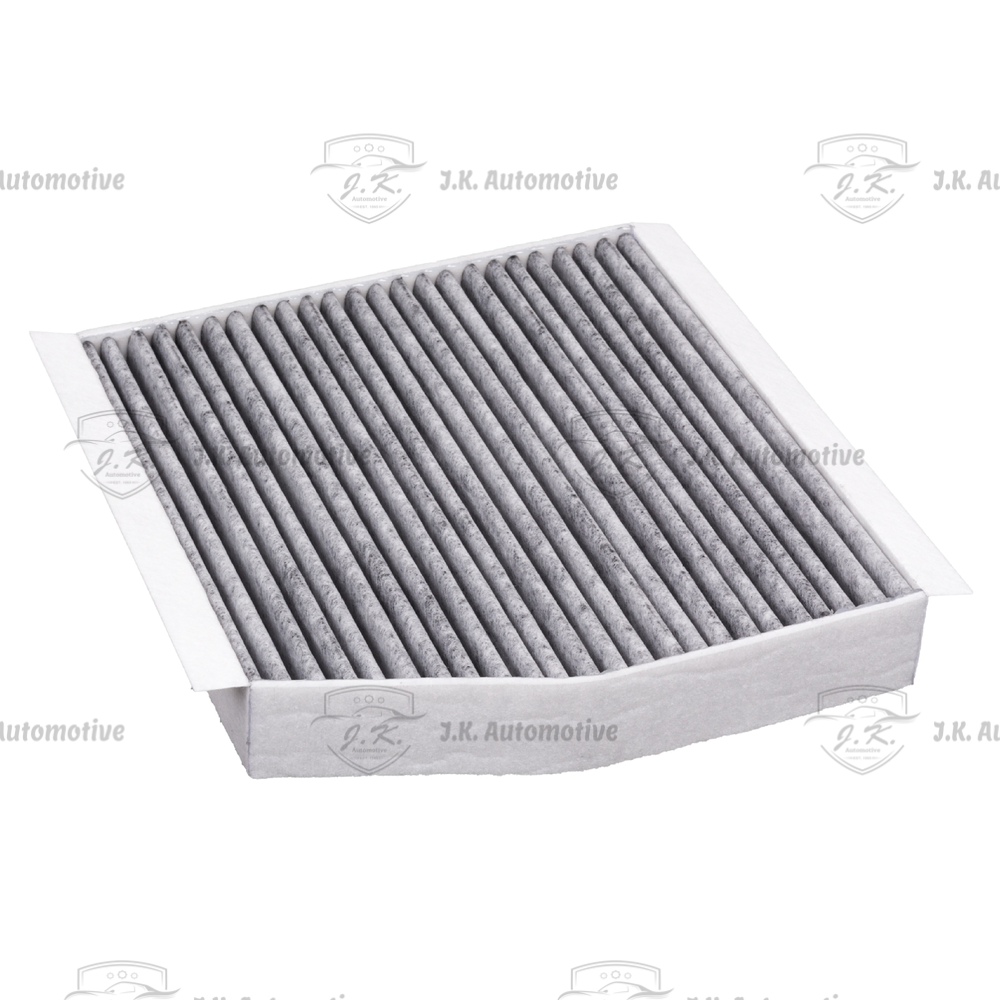
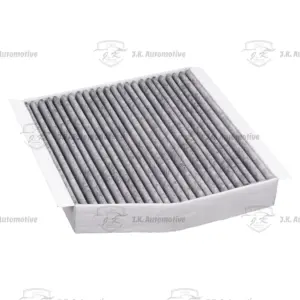
The Stokes Germany Cabin Air Filter for Mercedes-Benz CLA Coupe (C117) AMG CLA 45 4-Matic (117.352) is a replacement cabin filtration component intended to help maintain cleaner air inside the passenger compartment by capturing airborne particles entering through the vehicle's heating, ventilation, and air-conditioning system. A cabin air filter is an important part of the vehicle's interior air-management system because outside air can contain dust, pollen, soot, road debris, and other airborne contaminants, particularly during everyday driving in urban environments. When the vehicle's ventilation system draws fresh air from outside, that air is directed through the cabin filtration system, where suitable filter media trap particles before the air circulates through the interior. This filtering process contributes to a more comfortable driving environment for the driver and passengers. The product listing identifies the Mercedes-Benz CLA Coupe C117 AMG CLA 45 4-Matic variant with chassis designation 117.352 and production years 2013 – 2019. The supplied reference numbers are A2468300018 / 27277-5DA0A / 27277-5DA2A, which should be checked individually against the vehicle's original filter specification before ordering. Correct replacement requires matching the actual filter dimensions, housing design, installation orientation, and applicable vehicle configuration. The Stokes Germany brand identifies the aftermarket product being offered, but its name alone should not be interpreted as proof of German manufacture or a Mercedes-Benz factory endorsement. The filter's primary purpose is to support air cleanliness rather than improve engine output, horsepower, or fuel economy. A properly fitted filter can help maintain the airflow characteristics expected by the vehicle's HVAC system, provided the rest of the system is functioning correctly. Over time, retained contaminants gradually accumulate within the filtration material and may increase resistance to airflow. This makes periodic inspection and replacement an important part of general cabin comfort maintenance. Owners may notice reduced ventilation performance, unpleasant smells, or visible contamination when a cabin filter is overdue for service, although those symptoms can also have other causes. Installing a suitable replacement provides an opportunity to remove the accumulated dirt held in the old filter and inspect the filter housing for leaves and debris. The replacement process should follow the manufacturer's service instructions because access points and installation details can differ by vehicle specification. The filter should be installed without forcing, bending, trimming, or modifying its frame. Any directional arrows on the filter should be interpreted according to the actual manufacturer's marking instructions. A filter that does not sit correctly inside its housing can allow air to bypass the filtration media, reducing the effectiveness of the installation. A clean cabin filter is particularly useful for owners who frequently travel through congested roads, construction areas, dusty streets, or heavy traffic. It is also relevant for vehicles that operate their air-conditioning systems for extended periods. The cabin filtration element should be considered one component of the wider ventilation system, rather than a solution for every possible air-quality or HVAC problem. Routine maintenance of the air-conditioning evaporator, drainage system, ductwork, and blower may still be necessary depending on vehicle condition. Customers purchasing through JK Automotive should verify the model, year, original filter number, and available product specifications before finalising the order. This is especially important when multiple reference numbers appear in a listing because reference similarity does not establish universal interchangeability. Choosing the correct Stokes Germany cabin air filter can support routine maintenance, preserve appropriate ventilation airflow, and help keep the interior environment more comfortable throughout regular vehicle use.
Is this cabin air filter compatible with Mercedes-Benz CLA 45 AMG 4-Matic (2013 – 2019)?
The Stokes Germany cabin air filter is listed for the Mercedes-Benz CLA Coupe (C117) AMG CLA 45 4-Matic (117.352) covering 2013 – 2019, but compatibility should always be confirmed against the individual vehicle before placing an order. The model designation C117 identifies the CLA Coupe generation, while 117.352 provides a more specific vehicle-variant identifier relevant to the listed AMG CLA 45 4-Matic configuration. Even within a single model generation, manufacturers can introduce changes to heating, ventilation, air-conditioning components, filter housings, and replacement-part specifications. Therefore, model name and production year alone may not be sufficient to guarantee that a particular aftermarket filter is correct. The supplied Mercedes-Benz reference A2468300018 is an important comparison point, but it should be verified using a reliable parts catalogue or the original component's markings. The additional numbers 27277-5DA0A / 27277-5DA2A are retained exactly as supplied in the product information and should not automatically be assumed to represent interchangeable Mercedes-Benz parts. In particular, these reference formats may originate from another manufacturer's catalogue, so their relationship to this exact vehicle application needs independent confirmation. Customers should provide their Vehicle Identification Number, also known as the VIN or chassis number, when compatibility is uncertain. A parts specialist can use that information together with the correct vehicle-specific catalogue to identify the required cabin filtration component. It is also helpful to check the filter already fitted in the car if it is accessible and has a legible original part number. Comparing filter length, width, thickness, frame shape, and any locating features can help prevent incorrect selection. Where the product has an airflow-direction indicator, the replacement should support the installation orientation specified for the vehicle. Some cabin filters also differ in filtration media, such as conventional particulate or activated-carbon variants. The exact filtration media used in the Stokes Germany product should be confirmed from its packaging or verified technical specifications instead of assumed from the product title. Another consideration is whether the vehicle has had previous HVAC repairs or replacement parts installed that differ from its original factory specification. Imported vehicles can also have market-specific configurations, making VIN-based confirmation especially valuable. The year range 2013 – 2019 describes the application provided in the listing and does not prove compatibility with every vehicle registered during those years. Registration year and production year may differ, particularly for imported vehicles. Customers should therefore use the chassis number and original part reference as the final compatibility checks. If the reference on the vehicle does not match the listing, it is better to request confirmation than to install an uncertain replacement. Incorrect filters can create gaps around the housing, interfere with the closing cover, or restrict airflow if their construction is unsuitable. They may also fail to stay securely positioned during blower operation. Forcing a mismatched filter into the housing is not an acceptable method of establishing compatibility. The purpose of these checks is to ensure that the selected replacement operates within the ventilation system as intended. JK Automotive customers can use the vehicle's full model name, variant code, production information, VIN, and existing filter reference to obtain a more accurate fitment assessment. Once compatibility has been properly established, the replacement can be purchased with greater confidence for regular cabin air-filtration maintenance.
What are the benefits of replacing the cabin air filter in a Mercedes CLA 45 AMG?
Replacing a contaminated cabin air filter in a Mercedes-Benz CLA 45 AMG can help restore appropriate airflow through the vehicle's ventilation system and reduce the amount of airborne particulate matter entering the passenger compartment. During normal driving, the filter gradually accumulates dust, pollen, road particles, and other material carried in the incoming air stream. The quantity and type of contamination depend on driving conditions, local air quality, filter construction, and maintenance history. In heavily trafficked cities, vehicles may encounter soot, construction dust, and other fine airborne pollutants more frequently than vehicles used in cleaner environments. Over time, this debris can occupy portions of the filter media and increase resistance to the movement of ventilation air. When airflow becomes noticeably restricted, the blower may be unable to deliver the expected volume of air through the vents at a selected speed. Replacing a heavily loaded filter can remove this particular restriction and help the HVAC system deliver air more effectively. Better airflow can improve the driver's experience when using cabin cooling, heating, and windshield demisting functions, although other HVAC faults can produce similar symptoms. A new filter also removes the material trapped in the old element, helping maintain a cleaner filtration pathway. Drivers who frequently encounter dusty surroundings may especially appreciate the effect of maintaining a clean and properly fitted cabin filter. The filter is also relevant for passengers who prefer reduced exposure to common airborne particles, although it cannot eliminate every pollutant or guarantee protection from allergens. The exact particle types and filtration efficiency depend on the verified specification of the replacement filter. If an activated-carbon version is supplied, it may offer additional adsorption of certain odours and gases, but that capability should not be claimed without confirmation of the product's media construction. Routine filter replacement can also provide an opportunity to examine the housing for trapped leaves, excess moisture, and debris that may contribute to unpleasant smells. A dirty cabin filter is not the only possible source of odour, as microorganisms or contamination elsewhere in the HVAC system may require separate cleaning. Another practical benefit of regular cabin filter service is the ability to identify an incorrectly installed or damaged previous filter. Torn media, deformed frames, and poorly seated elements can reduce the effectiveness of filtration even when the filter is relatively new. A replacement must be positioned correctly to avoid gaps that allow unfiltered air to bypass the element. An adequately sized filter should also permit the housing cover to close securely without excessive pressure. It is important to distinguish a cabin filter from the engine air filter because they serve different purposes and are maintained separately. The cabin filter is intended for the passenger ventilation system, not for combustion-air filtration or increased engine performance. Changing it will not directly create additional horsepower or correct engine-running problems. Instead, the improvement is primarily associated with interior air management and ventilation comfort. For the Mercedes-Benz CLA Coupe C117 AMG CLA 45 4-Matic (117.352), maintaining the cabin filtration system can be a sensible part of periodic vehicle servicing. The filter should be inspected earlier when the car operates in unusually dusty conditions or when airflow problems are suspected. Customers should ensure that the replacement reference, dimensions, and media specification are appropriate for their exact vehicle. Selecting the correct Stokes Germany product through JK Automotive and installing it properly can support dependable cabin ventilation and everyday driving comfort.
How often should the Stokes Germany cabin air filter be replaced?
The appropriate replacement interval for a Stokes Germany cabin air filter in a Mercedes-Benz CLA Coupe C117 AMG CLA 45 4-Matic depends on the vehicle manufacturer's maintenance schedule, driving environment, filter type, and condition of the existing element. There is no universally correct replacement interval for every Mercedes-Benz CLA vehicle because regional conditions and vehicle usage can vary considerably. The owner's maintenance documentation or an authorised vehicle-specific service schedule should be treated as the primary reference. A commonly used preventive-maintenance approach is to inspect the cabin filter during routine servicing and consider replacement around every 12 months or 15,000 kilometres where operating conditions justify it. However, this is only a general planning guideline and not a verified Mercedes-Benz service requirement for the listed vehicle. Cars driven regularly on heavily polluted or dusty roads may need inspection and replacement more frequently. Vehicles that travel through construction areas, unpaved roads, congested city traffic, or regions with substantial airborne dust can accumulate contaminants comparatively quickly. Seasonal conditions may also affect the rate at which particulate matter gathers in the filter media. Drivers who frequently operate the air-conditioning system should pay attention to changes in ventilation performance, particularly when blower speed remains unchanged but airflow through the outlets becomes weaker. An unpleasant odour when switching on ventilation may justify inspecting the cabin filter, although the evaporator, air-conditioning drainage system, and ducts should also be considered. A visible layer of dust, leaves, or other debris on an accessible filter is another reason to evaluate replacement. A filter with damaged media, a distorted frame, or evidence of incorrect installation should not simply be reused because it may allow unfiltered air through the HVAC housing. Drivers should not wait for a complete ventilation restriction before arranging inspection. Regular checks make it easier to identify progressive contamination before comfort is significantly affected. On the other hand, replacing a relatively clean filter unnecessarily may provide limited additional benefit when the element remains within its intended service life. The ideal decision combines the manufacturer's maintenance instructions with the filter's actual condition and the operating environment. If the vehicle has been purchased second-hand and the cabin filter's service history is unknown, a fresh inspection is a reasonable starting point. Mechanics can also check the filter housing for debris and moisture during the replacement procedure. Excessive moisture inside the housing may indicate a drainage or sealing issue that should be addressed separately. When fitting a new cabin air filter, technicians should ensure the original housing components and cover are properly secured. The replacement should be of the correct dimensions and construction for the vehicle. Vehicle identification remains important, even when the previous filter looks similar to the new one. For the listed Mercedes-Benz CLA 45 AMG application covering 2013 – 2019, customers should confirm the relevant reference number, including A2468300018, against the exact vehicle's parts information. The supplied additional references 27277-5DA0A / 27277-5DA2A should also be verified before they are treated as alternatives. Maintaining a record of the date and mileage of each cabin filter replacement makes future servicing more predictable. JK Automotive customers can use those records alongside service recommendations and actual filter condition when planning their next purchase. Consistent inspection and appropriately timed replacement can help preserve comfortable passenger-compartment airflow throughout regular vehicle use.
How does the Stokes Germany cabin air filter help maintain air-conditioning performance?
The Stokes Germany cabin air filter supports the Mercedes-Benz CLA 45 AMG air-conditioning and ventilation system by filtering incoming air while allowing an appropriate flow of air through the cabin filtration housing when the correct filter is fitted and maintained. The vehicle's heating, ventilation, and air-conditioning system relies on a blower motor and a network of air passages to distribute conditioned air throughout the passenger compartment. A cabin filter is positioned within this airflow pathway to capture particles that would otherwise travel farther into the HVAC system or passenger space. As dust, pollen, and debris accumulate in the filter media, airflow resistance may increase, particularly when the element becomes heavily contaminated. This additional resistance can reduce the amount of air delivered by the cabin vents under certain operating conditions. The driver may interpret weaker airflow as an air-conditioning problem, even when the refrigerant circuit and cooling components are functioning normally. Replacing a severely clogged filter can restore the airflow that was being restricted by that filter. This may improve the delivery of cooled or heated air into the passenger compartment, helping occupants feel the effect of the climate-control system more effectively. However, a cabin filter does not directly regulate refrigerant pressure, compressor operation, refrigerant quantity, or the temperature generated by the evaporator. It also cannot repair a faulty blower motor, defective blend-door actuator, refrigerant leak, or other mechanical or electrical HVAC fault. If the air-conditioning continues to perform poorly after filter replacement, the system should be professionally inspected rather than assuming the new filter is defective. Proper filtration can also help limit the movement of larger airborne particles through the ventilation pathway. Nevertheless, dust accumulation and biological contamination elsewhere inside the HVAC system remain possible and may require periodic maintenance. A clean filter can assist with effective windshield demisting because the vehicle needs sufficient airflow to distribute conditioned air across the glass. Reduced demisting performance can create a visibility concern, especially during humid or rainy weather. Drivers experiencing persistent windshield fogging should check ventilation settings and seek an appropriate inspection when necessary. For the listed Mercedes-Benz CLA Coupe C117 AMG CLA 45 4-Matic (117.352), selecting the correct filter configuration is essential for maintaining the intended air path. The filter frame should match the housing without obstructing the mounting cover or nearby components. Any airflow markings should be followed according to the installation instructions supplied for the filter and vehicle. Installing the element backwards when a specified direction is required may reduce intended performance. Similarly, folding, compressing, or trimming an incorrect element is not a suitable replacement procedure. Filter media specifications may vary between conventional particulate designs and filters incorporating activated carbon, so the exact capabilities must be confirmed before advertising additional odour-control benefits. Owners who regularly drive through Mumbai traffic, dusty roads, or construction areas may benefit from inspecting their cabin filtration system more frequently. The filter should also be examined when the ventilation system produces an unusual noise that could indicate debris near the blower or housing. Maintenance should include checking that the filter cover closes correctly and that no loose debris remains in the installation area. The Stokes Germany replacement offered through JK Automotive should be matched to the original component reference and exact vehicle configuration before installation. When appropriately selected, fitted, and maintained, the cabin air filter contributes to efficient air distribution and a more comfortable climate-controlled cabin.
What are the signs of a dirty or blocked cabin air filter in Mercedes CLA 45 AMG?
A dirty or blocked cabin air filter in the Mercedes-Benz CLA Coupe (C117) AMG CLA 45 4-Matic can produce several noticeable symptoms related to cabin ventilation, interior air quality, and passenger comfort. One of the most common indications is reduced airflow from the air-conditioning vents even when the blower is operating at a relatively high speed. As the filter collects dust, pollen, road particles, and other contaminants, the accumulation can gradually increase resistance to the movement of air through the HVAC system. This restriction may become more noticeable during hot weather when the driver expects strong ventilation for rapid cabin cooling. Another possible symptom is an unpleasant smell when the air-conditioning or ventilation system is switched on. Such smells may result from contaminants trapped in the filter, although moisture, microbial growth, and other HVAC components can also contribute to odours. Drivers may also notice more dust accumulating on dashboard surfaces or interior trim when the filtration system is not functioning effectively. However, dust inside a vehicle can enter through open windows, doors, damaged seals, and other sources, so this symptom is not sufficient by itself to diagnose a filter problem. Increased windshield fogging or slower demisting may occur when airflow through the ventilation system becomes restricted. This can be especially inconvenient during monsoon driving or in humid conditions when effective windshield ventilation is important. A persistent airflow problem can also make the air-conditioning system feel less effective, even if the cooling components are operating correctly. Some drivers may compensate by increasing blower speed, which may create more noticeable fan noise without producing the expected airflow. A heavily contaminated filter can also contain visible leaves, insect debris, dust deposits, or other accumulated material. During inspection, technicians should look for excessive contamination and check whether the filter frame has become distorted. A filter that has collapsed or become incorrectly positioned may obstruct the air passage or allow air to bypass the filtration media. Unusual blower noise may sometimes indicate debris around the filter housing or fan assembly rather than a problem with the filter itself. Moisture marks on the filter may require further investigation of the ventilation intake, water drainage, or housing seals. If water has entered the HVAC system, simply replacing the filter without addressing the source may allow the problem to return. Drivers should also distinguish between a cabin air filter issue and an engine air filter issue because the two components perform completely different functions. A blocked cabin air filter primarily affects passenger-compartment ventilation and does not directly restrict combustion air entering the engine. For the listed Mercedes-Benz CLA 45 AMG C117 application covering 2013 – 2019, routine cabin filter inspection can help identify developing restrictions before they become severe. Owners who operate their vehicles in dusty metropolitan conditions may need more frequent inspection than those driving in cleaner environments. A trained technician can examine the installed filter and determine whether replacement is appropriate. The technician should also check the blower, ductwork, and air-conditioning components if reduced airflow continues after filter replacement. Customers purchasing the Stokes Germany cabin air filter from JK Automotive should verify compatibility using the original part reference and exact vehicle details. Identifying these warning signs early can help maintain a cleaner filtration pathway and more comfortable everyday ventilation.
Can I install the Stokes Germany cabin filter myself in a Mercedes CLA 45 AMG?
Replacing a cabin air filter in a Mercedes-Benz CLA Coupe (C117) AMG CLA 45 4-Matic may be possible for an owner with suitable mechanical knowledge, but the exact procedure depends on the vehicle's ventilation housing and applicable service instructions. Cabin filter replacement is generally less complex than many engine or suspension repairs because it normally involves accessing an HVAC service compartment and replacing a removable filtration element. Nevertheless, the filter's position, access panels, fasteners, and required removal sequence can vary between vehicle designs and production specifications. Before beginning, the owner should confirm the correct cabin filter reference using the vehicle's VIN, original component information, or a reliable parts catalogue. The Stokes Germany product listing includes OEM A2468300018 / 27277-5DA0A / 27277-5DA2A, but all listed references should be independently verified for this specific vehicle application. Once the correct replacement has been established, the vehicle should be parked securely with the ignition switched off. The appropriate cabin filter access instructions should then be followed, rather than assuming the filter is located in the same place as in another Mercedes-Benz model. Some vehicle designs use interior access panels, while others have filters accessible near the ventilation intake, and no location should be assumed without checking the relevant repair documentation. Interior trim and retaining clips should be removed carefully to reduce the possibility of damage. When the existing filter becomes accessible, its installed position and any airflow-direction markings should be observed before removal. A photograph of the original installation may help the owner remember the filter orientation during reassembly. The old filter should be withdrawn carefully so that loose dust and debris do not spread unnecessarily throughout the passenger compartment. If the filter is excessively dirty, it can be placed directly into a suitable waste bag. The surrounding housing should be inspected for leaves, trapped dirt, moisture, or other visible contamination. Loose debris should be removed carefully without allowing material to fall into the blower assembly or deeper HVAC passages. If water accumulation, unusual corrosion, or damaged housing components are discovered, professional inspection may be necessary. Before installing the replacement, the new filter should be compared with the old one for dimensions, frame design, sealing surfaces, and mounting features. Differences in size or construction should be investigated before proceeding. The filter must not be forced into a housing that does not match its shape. Any arrows or directional markings should be interpreted according to the filter manufacturer's instructions because arrows can indicate airflow direction or installation orientation depending on the design. After insertion, the filter should sit evenly without folds, excessive compression, or visible gaps around its intended sealing surfaces. The housing cover, seals, trim panels, and retaining hardware should then be secured according to the applicable procedure. Once everything has been reassembled, the ventilation system can be operated to check for normal airflow and unusual noises. A correctly installed filter should not interfere with the blower or housing cover. If the owner is unfamiliar with the required access method, professional installation is the safer choice. Incorrect installation can damage retaining clips, create filtration bypass gaps, or interfere with ventilation operation. Owners should also avoid assuming that a cabin filter replacement will resolve unrelated air-conditioning faults. If cooling remains weak or airflow is still restricted after replacement, additional diagnosis may be required. JK Automotive customers can purchase a suitable replacement once the correct fitment has been established and arrange installation through a qualified technician where appropriate.
Does the Stokes Germany cabin air filter help reduce dust, pollen and pollution?
A properly designed and correctly installed cabin air filter can help reduce the entry of certain airborne particles into the passenger compartment of the Mercedes-Benz CLA Coupe C117 AMG CLA 45 4-Matic. When the vehicle's ventilation system draws outside air through its filtration pathway, the filter media are intended to capture particles according to the material's filtration characteristics. Common particle categories encountered during driving include road dust, pollen, soot, and other material suspended in outside air. These contaminants are especially relevant in cities with heavy traffic, ongoing construction, and frequent vehicle movement. The ability of any particular filter to capture particles depends on its media construction, particle-size performance, airflow characteristics, and proper installation. A conventional particulate cabin filter may capture many larger airborne particles, while certain advanced designs can provide additional fine-particle filtration. However, the specific filtration efficiency of this Stokes Germany product has not been established from the supplied product title. Claims regarding HEPA performance, PM2.5 filtration percentages, or medical-grade filtration should therefore not be made unless supported by verified technical documentation. Similarly, the presence of activated carbon should not be assumed without confirmation from the actual product specifications. Activated-carbon filters can be designed to adsorb certain gases and odour-causing substances, but their effectiveness depends on the type and quantity of carbon and the particular contaminants involved. A standard particle filter should not be advertised as a comprehensive solution for vehicle exhaust gases or chemical pollution. Another important factor is installation quality because air may bypass the filter if its frame does not seal properly within the housing. Even a high-quality filtration medium may perform poorly when the wrong dimensions or mounting design allow unfiltered air around its edges. Keeping the filter housing clean and checking for damaged seals can therefore be just as important as selecting the replacement element. During everyday driving, the filtration system operates as part of the broader vehicle ventilation arrangement. Air entering through open doors or windows may bypass the cabin filter entirely. The vehicle's recirculation setting can also change how air moves through the ventilation system, depending on the actual HVAC configuration. A cabin air filter does not make the passenger compartment completely airtight or eliminate all outdoor contaminants. Nevertheless, maintaining an appropriate filter can support a cleaner ventilation pathway and improve the comfort of passengers who prefer reduced airborne dust inside the vehicle. Pollen-sensitive passengers may benefit from effective particulate filtration, although the cabin filter should not be regarded as a medical treatment or a guarantee against allergic reactions. The air quality experienced inside the vehicle also depends on cabin cleanliness, moisture, occupant activities, and environmental conditions. Regularly cleaning interior surfaces can complement cabin filtration by removing dust that has already settled. Avoiding excessive moisture inside the HVAC housing can also help reduce conditions that contribute to unpleasant smells. When the existing filter becomes heavily contaminated, replacement removes the retained material and restores the opportunity for the filtration system to function with a fresh element. The replacement interval should be based on manufacturer guidance, driving conditions, and actual filter condition. For the Mercedes-Benz CLA 45 AMG C117 listed for 2013 – 2019, vehicle compatibility must be verified before purchasing the Stokes Germany replacement. Correct installation and suitable maintenance can help the cabin filtration system provide the intended particle-control function during normal vehicle operation.
What is the difference between a cabin air filter and an engine air filter?
A cabin air filter and an engine air filter are two separate automotive filtration components designed for different purposes, even though both may appear similar because they use porous filtration media. The cabin air filter in a Mercedes-Benz CLA Coupe (C117) AMG CLA 45 4-Matic forms part of the heating, ventilation, and air-conditioning system serving the passenger compartment. Its purpose is to help capture airborne contaminants carried through the vehicle's ventilation intake before that air is distributed inside the cabin. An engine air filter, by contrast, is installed within the engine's induction system to filter the air entering the combustion process. Engine air filtration is important because abrasive particles entering the intake can contribute to engine wear and contamination. A correctly functioning engine air filter therefore supports protection of intake components and the engine's internal systems. The cabin filter is intended primarily for occupant comfort and interior ventilation rather than engine combustion. A clogged cabin filter may cause reduced airflow through interior vents, increased ventilation resistance, and less effective distribution of conditioned air. A heavily restricted engine air filter may affect intake airflow and engine operation, depending on engine management and operating conditions. The two filters are not interchangeable because their dimensions, material specifications, installation locations, and functional requirements are different. They should be selected using their individual part references rather than the vehicle model alone. During routine servicing, technicians may inspect both filters, but replacement decisions should be based on the condition and maintenance requirements of each component. Cabin filter replacement does not directly increase engine horsepower or improve turbocharger performance. Likewise, replacing the engine air filter is not a substitute for servicing a contaminated passenger-compartment ventilation filter. The Stokes Germany product described in this listing is a cabin air filter and should only be evaluated for its intended HVAC application. Its supplied reference A2468300018 should be compared with the original cabin filtration component or verified parts-catalogue information. The additional listed numbers 27277-5DA0A / 27277-5DA2A require separate fitment confirmation rather than being treated as engine-air-filter references. The Mercedes-Benz CLA 45 AMG is a performance-oriented vehicle, but performance characteristics do not change the fundamental distinction between passenger air filtration and engine intake filtration. The cabin filter is normally serviced through an HVAC access location, whereas the engine air filter is associated with the engine air-intake assembly. Exact service locations and procedures should be confirmed using the appropriate vehicle documentation. Technicians should avoid using compressed air or inappropriate cleaning methods as a substitute for replacement unless the filter manufacturer specifically identifies the element as serviceable in that way. Disposable cabin filters are generally intended to be replaced when their service life has been reached. Incorrect cleaning can damage the filtration material or interfere with its sealing properties. Engine air filters must also be serviced according to their own manufacturer's instructions. Checking both systems during scheduled maintenance can help ensure that separate filtration needs are addressed appropriately. Owners should pay attention to cabin ventilation symptoms when assessing the cabin filter and engine-performance symptoms when investigating the engine intake system. Neither symptom category should be used as a definitive diagnosis without proper inspection. JK Automotive customers should select the exact filter type required for the repair rather than purchasing a product simply because its description includes their vehicle model. Understanding these differences supports better maintenance decisions and helps avoid ordering the wrong replacement component.
Why buy the Stokes Germany cabin air filter from JK Automotive Online India?
JK Automotive offers customers a convenient online purchasing channel for automotive replacement parts, including the listed Stokes Germany Cabin Air Filter for Mercedes-Benz CLA Coupe (C117) AMG CLA 45 4-Matic (117.352) covering 2013 – 2019. Purchasing through a dedicated automotive spare-parts website allows vehicle owners, independent workshops, fleet operators, and technicians to review relevant product information before making a purchase decision. The product title provides important identification details, including the vehicle generation, AMG variant designation, and supplied OEM reference numbers. These details are useful starting points for checking replacement-part suitability against the vehicle's original component. However, reference numbers should always be validated before the order is finalised because a product listing alone does not guarantee compatibility with every production variant. The Mercedes-Benz reference A2468300018 should be confirmed using the vehicle's VIN or reliable parts-catalogue information. The additional listed references 27277-5DA0A / 27277-5DA2A should also be individually checked before being considered compatible alternatives. Customers should not assume that all numbers appearing in a product title necessarily apply to the same vehicle. This precaution helps reduce ordering errors, especially when replacement components have similar appearances but different dimensions or applications. JK Automotive's online catalogue can serve as a practical starting point for identifying the required replacement and arranging an order after compatibility has been established. Owners who regularly maintain their vehicles can include cabin filtration components in planned service purchases. Independent repair workshops may also find it helpful to organise suitable replacement components before the vehicle arrives for scheduled maintenance. A dedicated product listing allows buyers to compare information such as the product name, supplied reference numbers, vehicle application, price, and any published specifications. Customers should review the actual product photographs and specifications to confirm that they match the component required for their car. Where available, the product's packaging and manufacturer documentation can provide additional identification information. The Stokes Germany brand name should be understood as a product brand and not as an automatic guarantee of manufacturing origin, factory supply status, or particular filtration certification. Buyers seeking activated-carbon filtration or a specific particle-filtration rating should confirm that the actual product offers those features. Cabin filtration is an important part of routine ventilation maintenance, particularly for vehicles operating in dusty or heavily trafficked environments. Choosing an appropriately matched replacement can help preserve intended airflow and reduce the movement of certain airborne particles through the HVAC system. The correct filter should fit securely inside the housing without forcing, trimming, or modification. Professional installation may be appropriate when the owner is unfamiliar with the vehicle's access panels and filter orientation. Customers should also review the current product availability, delivery charges, dispatch conditions, and applicable return policy before checkout. These commercial details should be verified on the live website rather than assumed to be identical for all orders. Purchasing the appropriate Stokes Germany cabin filter can help vehicle owners maintain an organised service schedule and avoid unnecessary replacement delays. For the Mercedes-Benz CLA 45 AMG C117, compatibility confirmation remains the most important step before ordering. JK Automotive customers can visit the online product listing, verify the required information, and proceed with the purchase once they are confident that the component matches their vehicle's cabin filtration system.

Reviews
There are no reviews yet.