Cart0items

Cart

Hello GuestFor better experience login
Login

Buy Toyota Parts, Volkswagen Parts, Honda Parts, Jaguar Parts, BMW Parts, Audi Parts, Skoda Parts, Volvo Parts, Mahindra Parts, Mini Parts and more - Buy Car Parts Online!

  • 00
  • 00
  • 00
  • 00
0
0
Cart0items

Cart

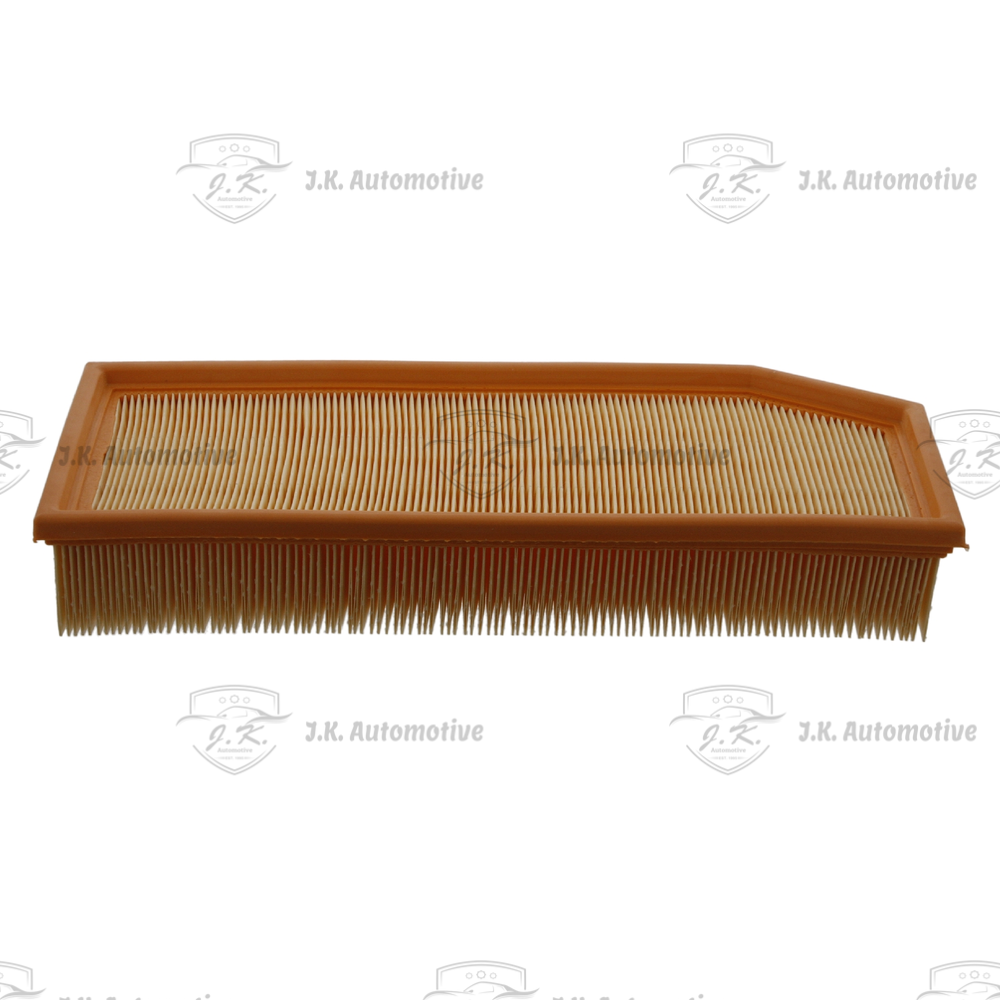
HomeShopFiltersAir FiltersMercedes-Benz S-Class (W220, V220) S 320 CDI (220.026, 220.126) Air Filter – A 613 094 00 04 / A 611 094 01 04 / A 611 094 00 04 / A 611 094 03 04 (1998 – 2005)

Description

Buy Mercedes S320 CDI Air Filter A6130940004 Genuine OEM | JK Automotive.

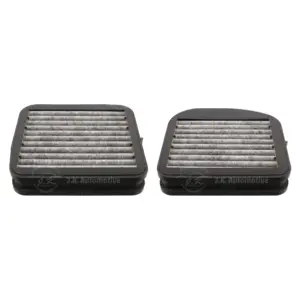
Mercedes S320 CDI Air Filter A6130940004 is a genuine Mercedes-Benz OEM replacement air filter specifically designed for Mercedes-Benz S-Class (W220, V220) S 320 CDI (220.026, 220.126) (1998 – 2005). It is compatible with OEM part numbers A 613 094 00 04, A 611 094 01 04, A 611 094 00 04 and A 611 094 03 04, ensuring precise fitment and reliable performance.

The premium multi-layer filtration media efficiently captures dust, dirt, pollen, sand, soot and other airborne contaminants before they enter the engine intake system. It maintains unrestricted airflow while delivering excellent filtration efficiency for cleaner combustion and optimum engine performance.

Mercedes S320 CDI Air Filter A6130940004 improves combustion efficiency, turbocharger response, throttle response and fuel economy. It also provides smoother acceleration, consistent power delivery and helps reduce engine wear by supplying clean air to the OM613 turbo diesel engine.

Regular replacement of the air filter protects essential engine components including the turbocharger, mass airflow sensor, intake manifold, intake valves, pistons and cylinder walls. Clean intake air helps maintain factory engine performance, improves fuel efficiency and contributes to a longer engine service life.

Using a Genuine Mercedes-Benz OEM air filter guarantees factory-quality fitment, superior durability and long-lasting filtration performance. It is manufactured to Mercedes-Benz specifications, ensuring dependable reliability and consistent filtration under all driving conditions.

Buy Mercedes S320 CDI Air Filter A6130940004 from JK Automotive for 100% genuine Mercedes-Benz OEM spare parts, competitive pricing, expert technical support, secure packaging and fast shipping across India.
Compatible vehicles

ManufacturerModelYear-Range
Mercedes-BenzS-Class LWB (V220)1999–2005

Reviews

There are no reviews yet.

Be the first to review “Mercedes-Benz S-Class (W220, V220) S 320 CDI (220.026, 220.126) Air Filter – A 613 094 00 04 / A 611 094 01 04 / A 611 094 00 04 / A 611 094 03 04 (1998 – 2005)”

Your email address will not be published. Required fields are marked *

Questions and Answers

How do I know if this air filter is the exact correct fit for my specific Mercedes-Benz S-Class premium flagship diesel model?
This engine air filter is precision-engineered to fit the fourth-generation Mercedes-Benz S-Class W220 standard wheelbase and V220 long wheelbase flagship saloon platforms, specifically the high-torque S 320 CDI common-rail turbo-diesel variants carrying the 220.026 or 220.126 chassis designations built between the vehicle production calendar years of 1998 and 2005. To guarantee absolute compatibility with your executive vehicle, you must cross-reference your existing factory filter with the official original equipment manufacturer part numbers, which are designated as A 613 094 00 04, A 611 094 01 04, A 611 094 00 04, or A 611 094 03 04. This component is built specifically to accommodate the physical dimensions and high-volume airflow requirements of the iconic 3.2-litre inline-six OM613 diesel powertrain configuration, ensuring a flawless airtight seal inside the factory air box housing. If you are currently shopping for the official Mercedes-Benz S-Class (W220, V220) S 320 CDI (220.026, 220.126) Air Filter - A 613 094 00 04 / A 611 094 01 04 / A 611 094 00 04 / A 611 094 03 04 (1998 – 2005) element, checking your vehicle’s identification number against your owner's service manual or consulting a certified Mercedes-Benz technician will confirm if your luxury flagship uses this exact rectangular media configuration. Avoid ordering based solely on the model year, as mid-cycle refreshes or regional engine variations can alter the filtration system dimensions significantly across different markets globally. 
What are the primary performance benefits of upgrading to this premium engine air filter replacement?
Installing this premium replacement air filter directly restores and optimizes the internal combustion efficiency of your high-efficiency inline-six S 320 CDI power plant by maximizing clean volumetric airflow into the turbocharger intake manifold tract. The highly specialized synthetic or cellulose fiber blend media is structured with precise pleating density to capture micro-particles, road debris, soot, and pollen before they can compromise sensitive internal engine components or scratch cylinder walls. By minimizing airflow restriction while maintaining exceptional filtration efficiency, this component allows the heavy-duty turbocharger to compress clean air more effortlessly, which directly translates to crisper throttle response and smoother overall acceleration across the power band. Upgrading your vehicle to a fresh Mercedes-Benz S-Class (W220, V220) S 320 CDI (220.026, 220.126) Air Filter - A 613 094 00 04 / A 611 094 01 04 / A 611 094 00 04 / A 611 094 03 04 (1998 – 2005) prevents the vehicle's electronic control unit from adjusting fuel trims unnecessarily to compensate for a choked intake system, thereby preserving your luxury saloon's original factory performance specifications. Investing in a high-quality filter ensures that your luxury flagship maintains its iconic mechanical refinement and structural longevity for thousands of miles to come.
What is the recommended service interval for air filter A 613 094 00 04 on the W220 S 320 CDI, and how do driving conditions alter replacement frequency?

The standard factory-recommended replacement interval for air filter A 613 094 00 04 on the Mercedes-Benz W220 S 320 CDI under normal highway driving conditions is every 60,000 kilometers or every 3 to 4 years, typically aligned with a major Service B maintenance schedule. However, because air filter longevity depends directly on the ambient environment and total volume of air processed by the turbocharged engine, service intervals should be adjusted based on real-world operating conditions. Driving frequently in dry, dusty climates, on unpaved gravel roads, or through active construction zones significantly accelerates the rate at which dust and sand particles fill the filter pleats, reducing effective airflow much earlier than expected. Similarly, daily commuting in dense urban stop-and-go traffic where airborne diesel soot, rubber dust, and industrial soot particulates are prevalent will saturate the filter media quickly. Under severe or dusty driving conditions, it is strongly advised to inspect the air filter element every 15,000 to 20,000 kilometers and replace the filter every 30,000 kilometers to ensure uninhibited engine breathing. Regularly inspecting and replacing the air filter is one of the most cost-effective preventive maintenance habits for preserving the longevity of the OM613 inline-six diesel engine. Maintaining clean, unrestricted airflow keeps turbocharger operating temperatures lower, minimizes carbon soot accumulation in the intake manifold, and maximizes fuel economy over the lifespan of your S-Class diesel.

What is the recommended service interval for changing the W220 S 320 CDI air filter?
The standard manufacturer recommendation for replacing the air filter element on a W220 Mercedes-Benz S 320 CDI generally falls between every fifteen thousand to thirty thousand miles, or approximately every two years under ordinary highway driving environments. However, if you frequently operate your executive luxury sedan in severe driving conditions, such as heavily congested urban commuter traffic, dusty rural roads, or high-mileage long-distance highway travel, you should inspect and replace the filter much sooner, potentially every ten thousand miles. Neglecting this simple preventative maintenance task causes the filter media to become saturated with fine atmospheric dust particles, which slowly chokes off the engine's oxygen supply and reduces the vehicle's operational efficiency. A good rule of thumb for luxury vehicle care is to visually inspect the condition of your filtration system to determine if you need to install a new Mercedes-Benz S-Class (W220, V220) S 320 CDI (220.026, 220.126) Air Filter - A 613 094 00 04 / A 611 094 01 04 / A 611 094 00 04 / A 611 094 03 04 (1998 – 2005) unit to clear out excessive dark discoloration or trapped physical debris within the deep pleats. Replacing this inexpensive component proactively protects your precision-engineered OM613 powertrain from accelerated internal wear and guarantees that the engine always operates under optimal thermodynamic and mechanical conditions. 
Why are there multiple OEM part numbers (A 613 094 00 04, A 611 094 01 04, A 611 094 00 04, A 611 094 03 04) cross-referenced for this S 320 CDI air filter?

The presence of multiple original equipment part numbers for this air filter is a direct result of Mercedes-Benz’s engineering updates, supplier revisions, and component standardization across the OM611 four-cylinder, OM612 five-cylinder, and OM613/OM648 six-cylinder CDI inline diesel engine families. The Mercedes-Benz W220 S 320 CDI was powered by the 3.2-liter OM613 inline-six turbo diesel engine (and later OM648 engine), which utilizes a dedicated side-mounted air filter box housing. Initially, Mercedes-Benz assigned base component numbers such as A 611 094 00 04 and A 611 094 01 04 to designate early production filter elements used across smaller CDI diesel engines, which were later superseded by updated numbers like A 611 094 03 04 as filtration media density and seal elasticity were upgraded. To establish specific assembly documentation for the larger 3.2L inline-six CDI engines, Mercedes-Benz introduced part number A 613 094 00 04, which shares identical outer dimensions, housing retention clips, and sealing profiles with the earlier A 611 series numbers. All of these referenced part numbers correspond to direct-fit filter elements that fit perfectly into the stock airbox on the W220 S 320 CDI chassis produced from 1998 through 2005. Whether your workshop parts catalog or vehicle owner manual lists the A 611 series numbers or the dedicated A 613 series code, purchasing this filter guarantees exact fitment without modification or air leaks. Installing a filter that adheres to these verified factory codes protects the engine from drawing unfiltered air around the frame edges, preserving downstream turbocharger blades and sensors. Auto repair facilities and parts distributors can safely use all four of these part numbers interchangeably to verify stock compatibility across global Mercedes-Benz electronic parts catalog databases. Ultimately, adhering to these cross-referenced part numbers ensures original equipment airflow standards, maintaining strong low-end torque, rapid turbocharger spooling, and optimal fuel economy for your S-Class diesel.

What structural design characteristics distinguish this inline CDI air filter from petrol W220 air filters, and why is single-filter filtration sufficient?

Unlike the naturally aspirated petrol V6 and V8 engines in the W220 S-Class that feature dual air filter panels integrated into the plastic engine cover, the W220 S 320 CDI diesel engine utilizes a single, heavy-duty air filter element housed inside a dedicated side-mounted air intake enclosure. Mercedes-Benz engineers designed this single-filter setup specifically to accommodate the space constraints and intake plumbing geometry of the inline-six OM613 diesel engine while providing maximum filtration surface area in a single housing. The air filter element features high-density synthetic microfiber pleats engineered to handle the continuous intake vacuum and elevated airflow velocity created by the variable-geometry turbocharger. To prevent pleat collapse or bunching under maximum turbo boost pressure, the pleat folds are stabilized with hot-melt adhesive beads and supported by a rigid composite outer frame structure. Furthermore, the perimeter sealing gasket is molded from a resilient elastomeric polyurethane material that maintains its flexible sealing force despite severe engine bay heat cycles and diesel fuel vapor exposure. A flexible, temperature-stable perimeter gasket guarantees an airtight seal against the airbox lip, completely preventing raw ambient air from bypassing the filter media and entering the intake pipe. Utilizing a single, deep-pleat filter allows the OM613 engine to draw massive volumes of clean air efficiently, ensuring that the engine receives uninhibited airflow for smooth power delivery. Installing the correct factory-specified filter structure prevents media tearing and maintains strict micro-particle filtration, protecting internal turbocharger and intake components over thousands of kilometers.

What are the main symptoms of a dirty or clogged air filter on an S 320 CDI, and what long-term mechanical risks occur if replacement is delayed?

When the air filter on a Mercedes-Benz W220 S 320 CDI becomes saturated with road dust, environmental soot, and airborne debris, the turbo diesel engine suffers from intake air starvation that produces noticeable performance symptoms and severe long-term mechanical risks. The initial symptom experienced by the driver is a distinct loss of throttle responsiveness and low-end torque, where the heavy luxury sedan feels sluggish during initial acceleration and exhibits noticeable turbo lag when trying to pass at highway speeds. As intake air restriction worsens, the engine control unit attempts to compensate for lower incoming air density by adjusting fuel injection timing and turbocharger boost parameters, leading to increased fuel consumption and higher diesel fuel costs per kilometer. Restricted airflow in a turbo diesel engine causes incomplete fuel combustion inside the cylinder chambers, resulting in thick black exhaust smoke under acceleration and excessive carbon soot buildup. This unburned carbon soot flows directly into the exhaust system, causing rapid clogging of the exhaust gas recirculation valve and accelerating soot saturation within the catalytic converter or Diesel Particulate Filter. If an extremely dirty air filter is left unserviced, the intense suction vacuum created by the turbocharger can cause low-quality or aged filter media to collapse or tear away from its perimeter frame. Once the filter media tears, raw silica dust and fine sand are drawn directly into the high-speed turbocharger compressor inlet, causing severe abrasive erosion on the aluminum compressor blades, known as turbo dusting. Additionally, fine dust bypassing compromised filter media coats the delicate hot-film element of the downstream Mass Air Flow sensor, leading to erratic sensor readings, engine stalling, and false check engine light illumination.

Why is an electronic Air Filter Adaptation Reset recommended after replacing the air filter on the OM613 CDI engine?

Performing an electronic Air Filter Adaptation Reset using a Mercedes-Benz STAR or XENTRY diagnostic system or a professional OBD2 scanner is a strongly recommended service procedure after changing the air filter on a W220 S 320 CDI. The engine control unit governing the OM613 inline-six diesel engine utilizes adaptive, self-learning software algorithms that continuously track and compensate for the gradual restriction of the air filter as dirt accumulates over thousands of kilometers. As air intake resistance slowly rises, the computer incrementally recalibrates its stored compensation memory tables for Mass Air Flow sensor baseline values, turbocharger boost pressure control, and exhaust gas recirculation rates to maintain smooth engine operation. If you install a brand-new, completely unrestricted air filter without clearing these stored adaptation values from the computer memory, the computer briefly continues operating under out-of-date high-restriction calculations. This mismatch between physical fresh airflow and old electronic calibration data can cause rough engine idling, delayed automatic transmission gear shifts, and momentary power surges during hard acceleration. In many cases, the sudden jump in fresh air volume detected by the sensitive Mass Air Flow sensor exceeds the computer learned variance limits for aged filters, causing the computer to register an airflow implausibility error and illuminate the check engine light. Resetting the air filter adaptation clears these outdated memory tables, allowing the computer to immediately re-establish accurate baseline reference values for maximum fresh airflow and optimize air-to-fuel ratios right away. Performing this electronic recalibration ensures smooth turbo spooling, crisp throttle response, and maximum fuel efficiency immediately after replacing the air filter element.


Still have questions?

Ask a question

Recently viewed products