Cart2items

Cart

Hello GuestFor better experience login
Login

Buy Toyota Parts, Volkswagen Parts, Honda Parts, Jaguar Parts, BMW Parts, Audi Parts, Skoda Parts, Volvo Parts, Mahindra Parts, Mini Parts and more - Buy Car Parts Online!

  • 00
  • 00
  • 00
  • 00
0
0
Cart2items

Cart

HomeShopFiltersAir FiltersMercedes-Benz R-Class (W251, V251) R 350 CDI 4-Matic (251.023, 251.123) Air Filter – A 642 094 30 04 / A 642 094 22 04 / A 642 094 03 04 / A 642 094 02 04 (2005 – 2017)

Description

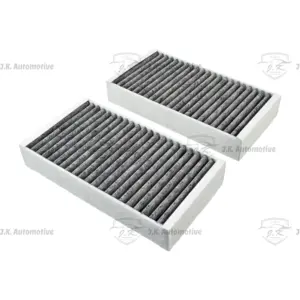
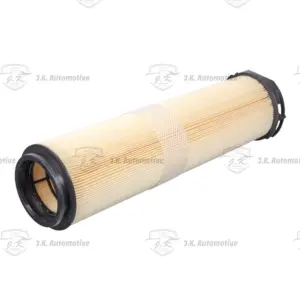
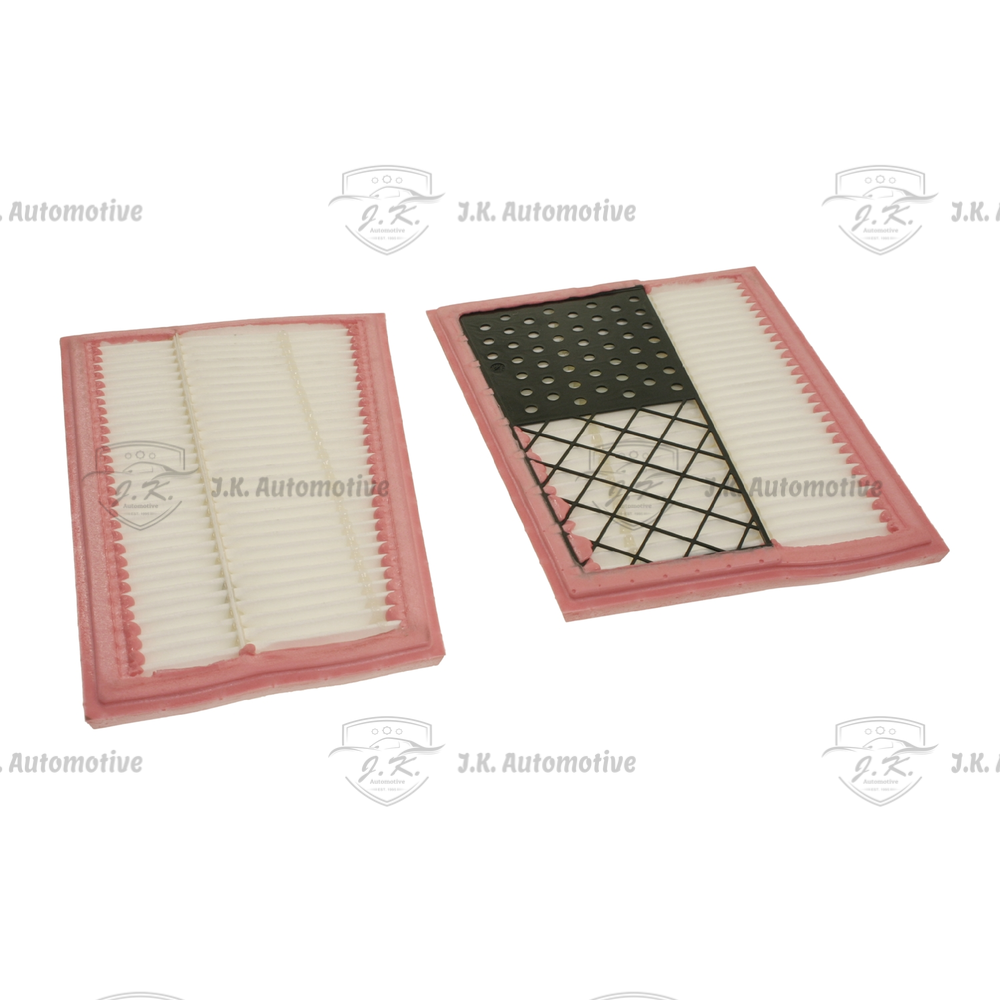
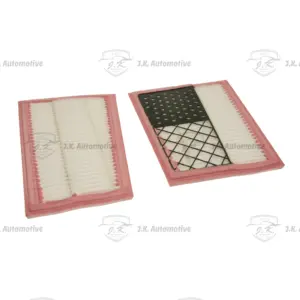
Buy Mercedes R350 CDI 4-Matic Air Filter A6420943004 Genuine OEM.

Mercedes R350 CDI 4-Matic Air Filter A6420943004 is a genuine Mercedes-Benz OEM replacement air filter specifically designed for Mercedes-Benz R-Class (W251, V251) R 350 CDI 4-Matic (251.023, 251.123) (2005 – 2017). It is compatible with OEM part numbers A 642 094 30 04, A 642 094 22 04, A 642 094 03 04 and A 642 094 02 04, ensuring precise fitment and reliable performance.

The premium multi-layer filtration media efficiently captures dust, dirt, pollen, sand, soot and other airborne contaminants before they enter the engine intake system. It maintains unrestricted airflow while delivering excellent filtration efficiency for cleaner combustion and optimum engine performance.

Mercedes R350 CDI 4-Matic Air Filter A6420943004 improves combustion efficiency, turbocharger response, throttle response and fuel economy. It also provides smoother acceleration, consistent power delivery and reliable performance while protecting the OM642 V6 turbo diesel engine.

Regular replacement of the air filter protects essential engine components including the turbocharger, mass airflow sensor, intake manifold, intake valves, pistons and cylinder walls. Clean intake air helps extend engine life while maintaining factory performance and reducing engine wear.

Using a Genuine Mercedes-Benz OEM air filter guarantees factory-quality fitment, superior durability and long-lasting filtration performance. It is engineered to meet Mercedes-Benz quality standards for dependable operation and long service life.

Buy Mercedes R350 CDI 4-Matic Air Filter A6420943004 from JK Automotive for 100% genuine Mercedes-Benz OEM spare parts, competitive pricing, expert technical support, secure packaging and fast shipping across India.
Compatible vehicles

ManufacturerModelYear-Range
Mercedes-BenzR-Class (W251/V251)2010–2013

Reviews

There are no reviews yet.

Be the first to review “Mercedes-Benz R-Class (W251, V251) R 350 CDI 4-Matic (251.023, 251.123) Air Filter – A 642 094 30 04 / A 642 094 22 04 / A 642 094 03 04 / A 642 094 02 04 (2005 – 2017)”

Your email address will not be published. Required fields are marked *

Questions and Answers

How do I know if this air filter is the exact correct fit for my specific Mercedes-Benz R-Class premium diesel model?
This engine air filter is precision-engineered to fit the unique Mercedes-Benz R-Class W251 and long-wheelbase V251 crossover platforms, specifically the R 350 CDI 4-Matic turbo-diesel variants carrying the 251.023 or 251.123 chassis designations built within the vehicle production window of 2005 and 2017. To guarantee absolute compatibility with your vehicle, you must cross-reference your existing factory filter with the official original equipment manufacturer part numbers, which are designated as A 642 094 30 04, A 642 094 22 04, A 642 094 03 04, or A 642 094 02 04. This component is built specifically to accommodate the structural layout and unique high-pressure airflow requirements of the common-rail diesel V6 OM642 engine configuration, ensuring a flawless airtight seal inside the factory air box housing. If you are currently shopping for the official Mercedes-Benz R-Class (W251, V251) R 350 CDI 4-Matic (251.023, 251.123) Air Filter - A 642 094 30 04 / A 642 094 22 04 / A 642 094 03 04 / A 642 094 02 04 (2005 – 2017) element, checking your vehicle’s identification number against your owner's service manual or consulting a certified Mercedes-Benz technician will confirm if your luxury crossover uses this exact rectangular media configuration. Avoid ordering based solely on the model year, as mid-cycle refreshes or regional engine variations can alter the filtration system dimensions significantly across different markets globally. 
Why are there multiple OEM part numbers (A 642 094 30 04, A 642 094 22 04, A 642 094 03 04, A 642 094 02 04) cross-referenced for this single R 350 CDI air filter set?

The existence of multiple original equipment part numbers for this specific filter set is the direct result of Mercedes-Benz’s ongoing technical revisions, factory supersessions, and individual element packaging codes implemented throughout the production lifecycle of the 3.0L OM642 V6 Turbo Diesel engine. Over time, Mercedes-Benz continuously refined the synthetic filter media, internal pleat adhesive stability, and perimeter elastomeric sealing materials to enhance micro-particle retention and structural rigidity under heavy turbocharger boost pressures. As these engineering improvements were introduced, older component numbers like A 642 094 02 04 and A 642 094 03 04 (which originally designated individual left-hand and right-hand filter elements inside factory assembly lines) were officially superseded by intermediate codes such as A 642 094 22 04, before eventually being unified under primary set part numbers like A 642 094 30 04. Because all of these listed reference numbers share identical mounting tabs, trapezoidal dimensions, and airbox sealing tolerances designed specifically for the dual intake tract on the W251 chassis from 2005 to 2017, they are 100% physically interchangeable and functionally cross-compatible. Installing an OEM filter kit carrying any of these verified reference numbers guarantees direct-fit installation into your vehicle's factory air housings without risking unfiltered air bypass past the housing lips. Furthermore, having cross-references for these numbers allows auto repair facilities, fleet operators, and spare parts distributors to easily verify compatibility across international Mercedes-Benz electronic parts catalogs and aftermarket inventory databases. Whether your owner manual, dealership invoice, or workshop diagnostic software displays the older component codes or the newest supersession numbers, purchasing this filter set ensures seamless integration into your vehicle's factory intake tract. Maintaining exact factory dimensions across all these part numbers protects delicate downstream engine electronics—such as the sensitive hot-film Mass Air Flow sensors—from abrasive dust contamination. Ultimately, these interchangeable part numbers provide complete peace of mind, ensuring that your high-torque V6 diesel engine maintains optimal thermal efficiency, rapid turbo spooling, and consistent air-fuel ratios under demanding driving conditions.

Why does the W251 R 350 CDI rely on a dual air filter architecture, and why must both filter elements be replaced simultaneously?

The Mercedes-Benz W251 R 350 CDI relies on a twin-air intake configuration specifically engineered to satisfy the immense volumetric airflow demands of the 3.0-liter OM642 V6 Turbo Diesel engine. Because a turbocharged diesel engine relies on massive volumes of compressed clean air to maintain clean combustion, generate high torque, and power the 4-Matic permanent all-wheel-drive system, a single standard air filter panel would restrict airflow and create excessive intake suction resistance. To overcome this limitation, Mercedes-Benz engineers designed two separate air intake ducts—one positioned on the left side and one on the right side of the engine bay—feeding into dual trapezoidal filter housings that converge directly into the central variable-geometry turbocharger inlet. This balanced dual-intake architecture effectively doubles the total surface area of the filtration media, significantly reducing air intake velocity across the pleats while increasing overall dirt-holding capacity for extended service intervals. Replacing only one side or failing to replace both filters simultaneously introduces a severe operational imbalance across the engine's dual intake banks, which negatively affects engine control unit calculations. Modern OM642 engines utilize delicate twin Mass Air Flow sensors positioned immediately downstream of each air filter box to measure incoming air density and volume independently for both cylinder banks. If a new filter is installed on one side while an old, partially clogged filter remains on the other, the resulting differential in intake pressure and airflow velocity causes unequal air mass readings between the two sensors. The computer interprets this flow imbalance as a system malfunction, which frequently triggers an illuminated Check Engine Light, forces the engine into emergency Limp Home Mode, and causes uneven combustion that leads to increased engine vibration and unburned soot emissions. Furthermore, a dirty filter on one side forces the opposite clean filter to draw a disproportionate share of incoming air, leading to accelerated wear, localized media clogging, and unpredictable turbocharger spooling characteristics under heavy load. By replacing both filter elements as a matched pair during every scheduled service, you ensure uniform air resistance across both intake tracts, preserve balanced air mass measurements, protect the central turbocharger impeller wheel from strain, and maintain consistent fuel-air mixing ratios across all six cylinders.

What are the primary symptoms of clogged air filters on an R 350 CDI, and what long-term mechanical risks arise if replacement is delayed?

When the dual air filters on a Mercedes-Benz W251 R 350 CDI become contaminated with road dust, soot, and environmental debris, the engine suffers from severe intake air starvation that manifests through clear operational symptoms and severe long-term mechanical risks. The most immediate sign experienced by the driver is a noticeable loss of throttle responsiveness, where the vehicle feels sluggish during acceleration and exhibits delayed turbo boost response during high-speed overtaking or carrying heavy passenger loads. As intake restriction increases, the engine computer compensates for lower incoming air density by adjusting fuel injection timing and turbocharger vane geometry, resulting in reduced fuel efficiency and higher diesel fuel consumption per kilometer. On OM642 engines, restricted air intake leads to incomplete diesel fuel burn in the combustion chambers, producing heavy black exhaust smoke under acceleration. This unburned carbon soot travels directly into the exhaust system, accelerating clogging of the Diesel Particulate Filter and forcing the computer to trigger frequent, unwanted active DPF regenerations that further waste fuel. If dirty filters are left unserviced, the intense vacuum generated by the turbocharger can cause low-quality or weakened media to structurally deform, collapse, or tear away from its perimeter rubber frame. Once the filter media tears, raw, unfiltered ambient air containing coarse dust and silica sand is drawn directly into the high-speed turbocharger inlet, eroding the delicate aluminum compressor wheel blades. Additionally, fine particulate matter bypassing compromised filters forms a grime coating over the sensitive hot-film elements of the downstream MAF sensors, causing erratic sensor readings, stalling, and premature component failure. In severe cases, extreme airflow discrepancies between actual intake levels and computer targets trigger diagnostic trouble codes, forcing the engine into emergency limp mode to prevent major internal damage.

Why is an electronic Air Filter Adaptation Reset strongly recommended after replacing filters on the OM642 engine?

Performing an electronic Air Filter Adaptation Reset using a Mercedes-Benz STAR or XENTRY diagnostic system or a professional-grade OBD2 scanner is a vital technical step after installing new air filters on a W251 R 350 CDI. The engine control unit governing the OM642 V6 diesel engine utilizes adaptive, self-learning software routines that continuously track and compensate for the gradual, natural restriction of the air filters as dirt accumulates over thousands of kilometers. As air intake resistance slowly climbs, the computer incrementally recalibrates its stored compensation tables for Mass Air Flow sensor thresholds, fuel injection timing, exhaust gas recirculation rates, and turbocharger boost control to maintain smooth engine operation. If you replace heavily dirty air filters with brand-new, unrestricted filter elements without clearing these stored adaptation values from the computer's memory, the computer continues operating under out-of-date high-restriction parameters. This mismatch between physical unrestricted airflow and old electronic calibration data confuses the engine management system, leading to erratic idling, hesitation upon pressing the gas pedal, abnormal automatic transmission shift points, and momentary power surges. In many cases, the sudden increase in fresh air volume detected by the sensitive MAF sensors exceeds the computer's pre-programmed variance window for aged filters, causing the computer to falsely register an airflow implausibility error and illuminate the Check Engine light. Performing an air filter adaptation reset clears out these old adaptation tables, forcing the computer to establish new baseline reference values for maximum airflow capacity and immediately recalculate air-to-fuel ratios across all engine speeds. This digital reset ensures that the engine instantly adapts to restored intake airflow, allowing the turbocharger to spool up smoothly, improving fuel combustion efficiency, and maximizing throttle response right away. Skipping this crucial electronic procedure often leads to misdiagnosed fault codes and false customer complaints after routine maintenance, making it a standard practice for professional technicians working on modern Mercedes-Benz CDI diesel vehicles.

What premium materials distinguish these R 350 CDI filters from budget options, and what is the recommended service interval?
These heavy-duty air filter elements designed for the Mercedes-Benz W251 R 350 CDI are manufactured using multi-layered synthetic micro-fiber media engineered to withstand the intense intake suction, high temperatures, and severe pressure drops of a turbocharged V6 diesel engine bay. Unlike cheap aftermarket filters that rely on low-grade paper media susceptible to moisture absorption, tearing, and pleat collapse under high turbo boost, these premium filters utilize rigid synthetic pleats capable of trapping micro-contaminants down to 3 microns while maintaining low airflow resistance. The pleats are held in place by hot-melt adhesive stability beads applied along the filter body, preventing pleat bunching and deformation during sudden throttle applications. Surrounding the filtration core is a reinforced polyurethane frame with a flexible elastomer sealing lip that forms an airtight, vibration-proof seal against the airbox housing, eliminating any risk of unfiltered air bypassing the filter media. The standard factory-recommended replacement interval for these dual air filters under normal driving conditions is every 60,000 kilometers (approx. 37,500 miles) or every 3 to 4 years, usually coinciding with a major Service B maintenance schedule. However, operating the vehicle in dusty environments, unpaved roads, heavy stop-and-go urban traffic filled with diesel soot, or high-humidity regions significantly accelerates media clogging. Under severe service conditions, it is strongly advised to inspect the air filters every 15,000 to 20,000 kilometers and replace the complete pair every 30,000 kilometers to prevent performance loss and internal engine wear. Because high-torque CDI diesel engines rely heavily on clean, uninhibited airflow to maintain cooler turbo temperatures, reduce DPF soot buildup, and optimize fuel economy, adhering to strict replacement intervals with high-quality filter sets is one of the most cost-effective ways to ensure long-term engine reliability. Investing in structurally reinforced filter units rather than budget options provides essential protection for costly downstream components like turbochargers, MAF sensors, and emission control systems.

Still have questions?

Ask a question