Keyword Density is 1.71, the Focus Keyword and combination appears 6 times.
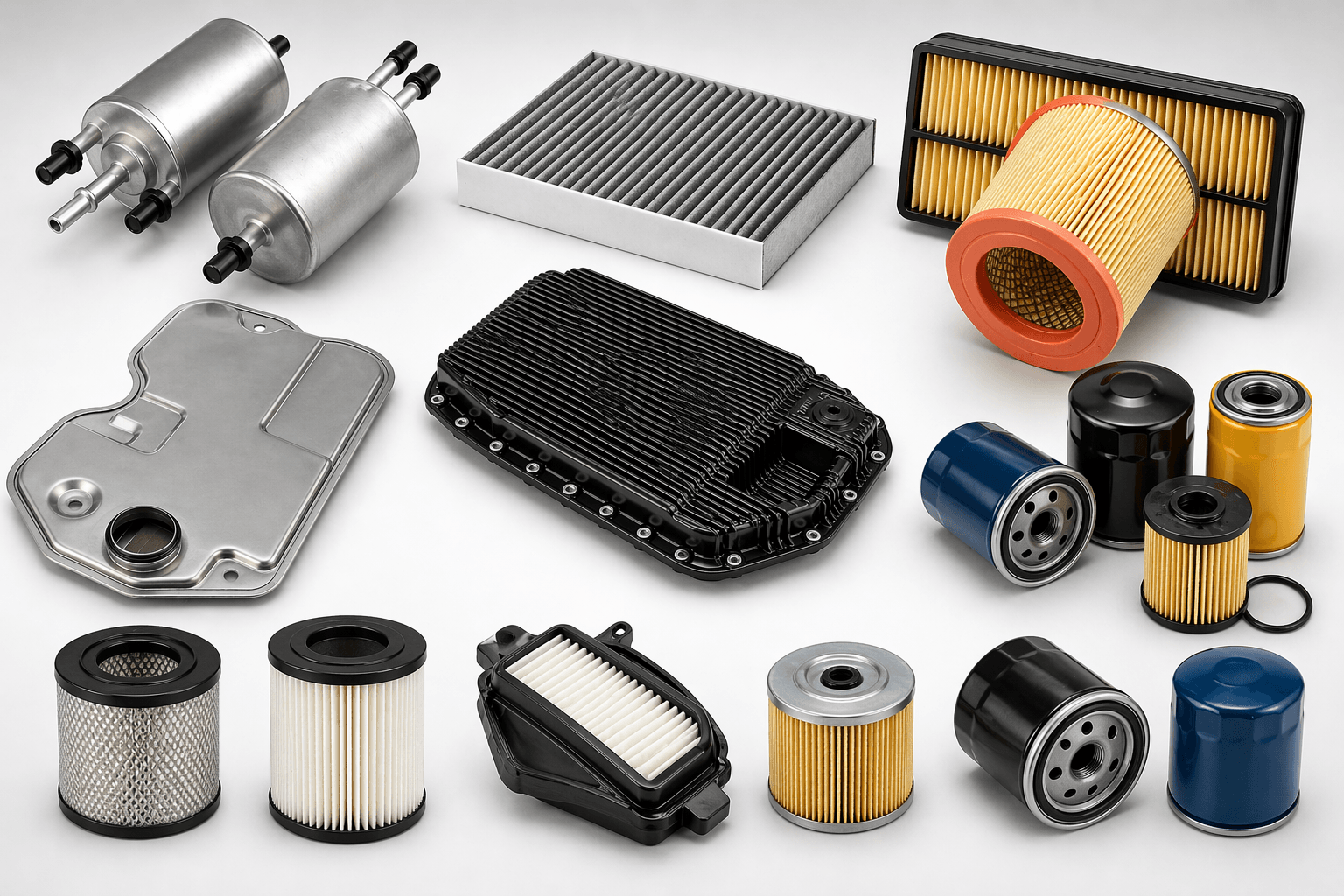
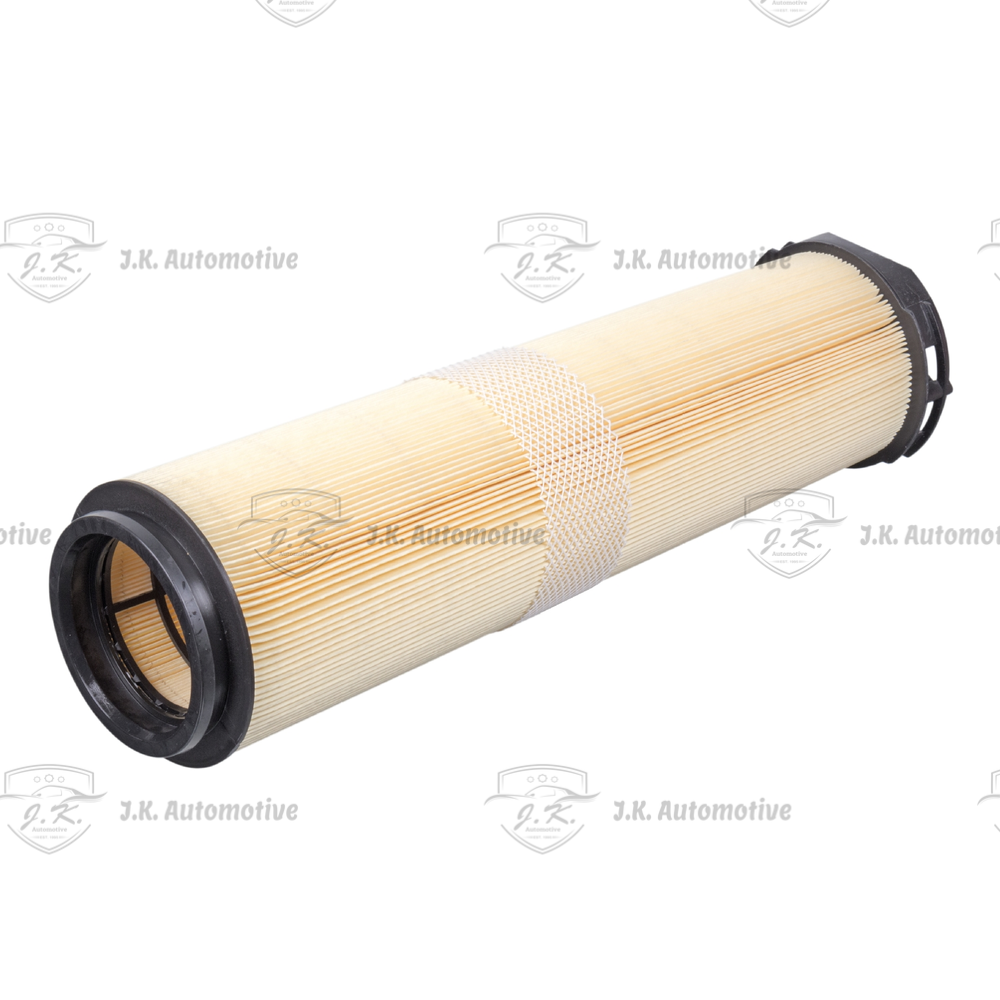
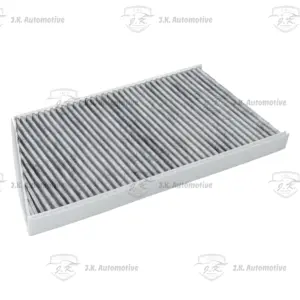
This engine air filter is precision-engineered to fit the Mercedes-Benz E-Class W211 platform, specifically the E 220 CDI diesel variants carrying the 211.006 chassis designation built between the production calendar years of 2002 and 2009. To guarantee absolute compatibility with your vehicle, you must cross-reference your existing factory filter with the official original equipment manufacturer part number, which is designated as A 611 094 02 04. This component is built specifically to accommodate the structural layout and unique high-pressure airflow requirements of the common-rail diesel OM646 engine configuration, ensuring a flawless airtight seal inside the factory air box housing. Checking your vehicle’s identification number against your owner's service manual or consulting a certified Mercedes-Benz technician will confirm if your executive sedan uses this exact rectangular media configuration. Avoid ordering based solely on the model year, as mid-cycle refreshes or regional engine variations can alter the filtration system dimensions significantly across different markets globally.
What are the primary performance benefits of upgrading to this premium engine air filter replacement?
Installing this premium replacement air filter directly restores and optimizes the internal combustion efficiency of your common-rail diesel E 220 CDI power plant by maximizing clean volumetric airflow into the turbocharger intake system. The highly specialized synthetic or cellulose fiber blend media is structured with precise pleating density to capture micro-particles, road debris, soot, and pollen before they can compromise sensitive internal engine components or scratch cylinder walls. By minimizing airflow restriction while maintaining exceptional filtration efficiency, this component allows the turbocharger to compress clean air more effortlessly, which directly translates to crisper throttle response and smoother overall acceleration across the power band. Furthermore, a clean and unrestricted engine air filter prevents the vehicle's electronic control unit from adjusting fuel trims unnecessarily to compensate for a choked intake system, thereby preserving your luxury sedan's original factory performance specifications. Investing in a high-quality filter ensures that your luxury cruiser maintains its iconic mechanical refinement and structural longevity for thousands of miles to come.
Can a clogged air filter affect the fuel economy and emissions output of my Mercedes E 220 CDI?
Yes, a severely clogged or heavily contaminated engine air filter will drastically degrade your vehicle's fuel economy while simultaneously increasing harmful tailpipe emissions due to altered air-to-fuel ratios inside the combustion chamber. When air intake flow is constricted by trapped dirt and debris, the diesel engine is forced to work substantially harder to draw in the necessary volume of oxygen required for clean, complete fuel combustion cycles. This restriction induces a richer fuel mixture, meaning the engine burns more diesel than necessary, which rapidly decreases your miles per gallon and causes unburnt hydrocarbons and excessive black soot to accumulate in the exhaust tract. Over time, running a vehicle with an obstructed air path places excessive strain on the oxygen sensors and can prematurely foul or clog your expensive diesel particulate filter system due to excessive soot loading. Regularly replacing your filtration element ensures a crisp, clean burn that lowers environmental emissions, maximizes fuel efficiency, protects auxiliary exhaust electronics, and prevents unexpected diagnostic trouble codes or check engine lights from illuminating on your dashboard
What is the recommended service interval for changing the W211 E 220 CDI air filter?
The standard manufacturer recommendation for replacing the air filter element on a W211 Mercedes-Benz E 220 CDI generally falls between every fifteen thousand to thirty thousand miles, or approximately every two years under ordinary highway driving environments. However, if you frequently operate your executive diesel sedan in severe driving conditions, such as heavily congested urban commuter traffic, dusty rural gravel roads, or arid desert climates, you should inspect and replace the filter much sooner, potentially every ten thousand miles. Neglecting this simple preventative maintenance task causes the filter media to become saturated with fine atmospheric dust particles, which slowly chokes off the engine's oxygen supply and reduces the vehicle's operational efficiency. A good rule of thumb for luxury car care is to visually inspect the condition of the air filter during every routine oil change service to check for excessive dark discoloration or trapped physical debris within the deep pleats. Replacing this inexpensive component proactively protects your precision-engineered turbocharged powertrain from accelerated internal wear and guarantees that the engine always operates under optimal thermodynamic and mechanical conditions.
What are the common symptoms that indicate my Mercedes-Benz W211 engine air filter needs urgent replacement?
When your Mercedes-Benz E-Class air filter becomes overly saturated with contaminants, your vehicle will exhibit several distinct physical warning signs that indicate an immediate replacement is required to prevent further mechanical degradation. You will likely notice a sluggish or delayed throttle response when pressing the gas pedal, as the turbocharger struggles to pull enough fresh atmospheric oxygen through the blocked filtration media to accelerate efficiently. The engine may also exhibit a rough, unstable idle or produce unusual muffled coughing sounds from the intake tract when starting the car up cold in the morning. In more severe cases of air starvation, you might notice dark smoke or a strong smell of unburnt diesel exiting the exhaust pipe, accompanied by a noticeable drop in overall fuel economy. Additionally, a heavily restricted intake system can trigger the mass airflow sensor to send error signals to the primary engine control module, ultimately illuminating the check engine light on your instrument cluster instrument panel.
Is it possible for a car owner to install this air filter at home without specialized mechanical tools?
Replacing the engine air filter on a W211 Mercedes-Benz E 220 CDI is a relatively straightforward do-it-yourself task that can easily be completed in your home garage or driveway within approximately fifteen to twenty minutes using standard hand tools. The air filter housing is conveniently located on the side of the engine bay, and gaining access to the internal filter element typically requires only a standard Torx screwdriver or screwdriver set to safely loosen the retaining clips or fastening screws securing the plastic air box cover. Once you carefully undo the fasteners and lift the housing lid, you can slide out the old, dirty air filter while taking note of its exact directional orientation inside the tray. It is highly recommended to use a vacuum cleaner or a clean microfiber cloth to thoroughly wipe out any loose leaves, sand, or debris sitting at the bottom of the empty air box before dropping in the new filter. Ensure the new filter sits completely flush within the rubber sealing track around the perimeter of the box before lowering the lid back down and securely retightening all the factory fasteners.
How does the OEM part number A 611 094 02 04 compare to aftermarket alternatives?
The original equipment manufacturer part number A 611 094 02 04 represents the strict engineering standards, dimensions, and material specifications established by Mercedes-Benz for the common-rail diesel OM646 engine configuration. Premium aftermarket filters designed to match this specific part number utilize identical physical dimensions and high-grade filtration paper to provide a structural fit that is totally indistinguishable from the original dealership part. Opting for a certified replacement filter that explicitly references this exact OEM number guarantees that the rubber sealing gasket will perfectly fit the perimeter of your factory air box, preventing unfiltered air from bypassing the media. While generic, non-branded filters might appear cheaper at first glance, they often cut corners on pleat count, structural integrity, and gasket quality, which can lead to air leaks or rapid clogging that harms engine performance. Choosing a replacement unit that respects this official number ensures your car receives factory-level engine protection, optimized airflow, and long-lasting durability without paying the inflated prices often found at franchise dealership parts counters.
How does a premium air filter protect the sensitive Mass Air Flow sensor inside the W211 diesel engine bay?
The Mass Air Flow sensor is a highly precise electronic component situated directly downstream from your air filter housing, and it relies on a clean environment to accurately measure the volume and temperature of air entering the engine. A premium quality air filter featuring exceptional structural integrity prevents microscopic dust particles, moisture droplets, and loose fibers from breaking away from the filter media and contaminating the delicate hot wire element inside the sensor housing. If a low-quality or degraded filter allows debris to pass through, these particles will bake onto the sensor's measuring wire, causing it to send incorrect data to the engine computer regarding the incoming air volume. This contamination results in poor engine driveability, frequent misfires, rough shifting patterns from the automatic transmission, and expensive diagnostic repair bills for a replacement sensor. By investing in a high-efficiency filter with durable, non-shedding media fibers and a secure rubber seal, you effectively isolate this sensitive electronic sensor from atmospheric hazards, ensuring stable engine management performance. [
1]

Reviews
There are no reviews yet.