What Mercedes-Benz W211 models are compatible with this specific air filter part number set?
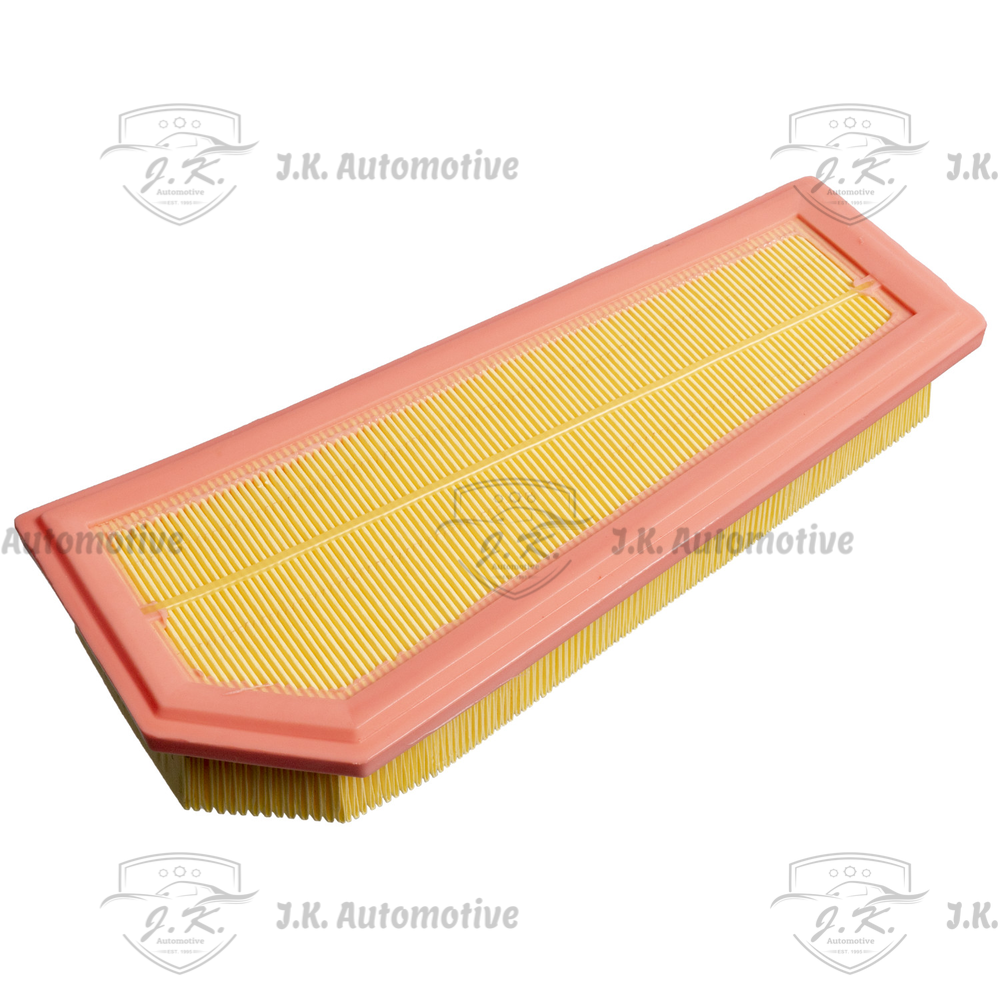
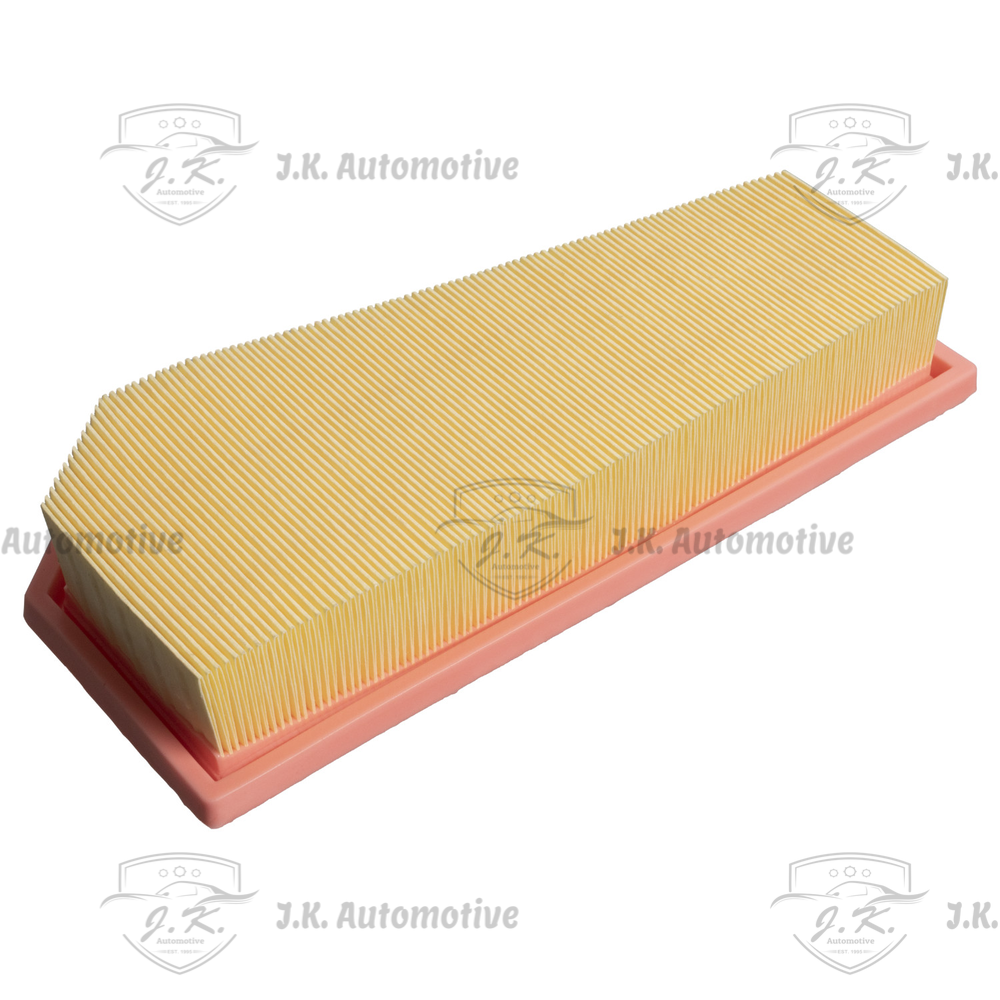
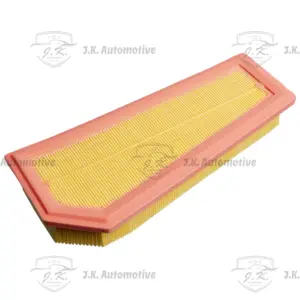
This high-performance engine air filter element is specifically engineered to fit the third-generation Mercedes-Benz E-Class Sedan (W211 generation) models built between 2002 and 2009. More specifically, it is precision-tailored for the E 200 Kompressor variant carrying the factory chassis designation 211.042, which is powered by the highly advanced 1.8-litre M271 inline-4 supercharged petrol engine. The filtration needs of this particular powertrain require exact housing alignments and flow dimensions to match the highly efficient multi-stage supercharging system. Because the M271 engine was widely deployed across the luxury manufacturer's modern lineup, this part number sequence also matches several contemporary vehicles. It shares exact structural compatibility with the Mercedes C-Class W203, the CLK W209, and the C-Class Sportcoupe premium models using identical 4-cylinder supercharged power plants. However, you must always verify your specific vehicle's Vehicle Identification Number (VIN) to guarantee clear, absolute fitment before finalizing a parts purchase. Different trim levels or models customized for unique global markets might occasionally feature modified air intake tract layouts. Ensuring a precise match prevents unfiltered atmospheric air from slipping directly into your supercharger assembly. This protects delicate downstream electronic sensors like the Mass Air Flow meter from micro-particle contamination. Using verified factory numbers guarantees that you maintain the car's intended structural configuration and premium road manners. Always cross-check your active housing specifications to achieve a totally flawless seal during the next scheduled service. This structural accuracy keeps the clean side of your internal intake system entirely free from fine road dust. It preserves factory tolerances across all driving conditions, from highway cruising to stop-and-go city traffic. Investing in verified chassis compatibility avoids early component fatigue and eliminates installation errors at the repair shop. This exact fit ensures your premium grand tourer operates at peak thermal and mechanical efficiency at all times. Ultimately, confirming your 211.042 configuration guarantees the longevity and performance expected of the classic Mercedes brand.
Why are there two different interchangeable OEM part numbers listed for a single air filter?
The presence of multiple part numbers like A 271 094 01 00 and A 271 094 03 04 points to factory updates. Automotive manufacturers frequently update their internal component cataloging systems throughout a production lifecycle spanning from 2002 to 2009. These changes happen when Mercedes-Benz engineers upgrade internal structural elements or switch between different primary Tier-1 component suppliers. For example, a shift from one supplier to another can trigger a brand new product part number deployment. Additionally, minor alterations to the filtration media blend or the outer rubber sealing gasket compound create new iterations. Despite the different numerical sequences printed on the boxes, these two specific factory part numbers are completely interchangeable. They share identical physical dimensions, outer perimeter shapes, internal depths, and structural air-flow performance standards. When ordering parts, a newer warehouse number often supersedes older warehouse stock numbers seamlessly within dealership databases. This process ensures that owners of older W211 models can easily buy the latest filtration designs. It allows you to use any of these two official part numbers confidently when looking for replacements. They all provide an exact structural match for the single-intake airbox setup inside your engine bay. This component continuity ensures you will not face unexpected clearance issues during standard maintenance work. Every iteration meets or exceeds the original air volume requirements specified for the M271 supercharged petrol engine. Understanding these supersessions helps you find excellent deals when searching online catalogs or local distributor inventories. You can buy any variant knowing it will mount perfectly into your high-end luxury vehicle's intake system. This flexibility simplifies sourcing components for classic luxury platforms while preserving total component reliability and peace of mind.
How often should the engine air filter be replaced on a Mercedes E 200 Kompressor?
For ideal engine health, replace the air filter on your E 200 Kompressor every 20,000 to 30,000 kilometres. If you prefer tracking maintenance by time, aim to swap out the filter every two years under normal driving conditions. However, you should adjust this schedule if your daily commute involves harsh environments or highly demanding routes. Operating your luxury vehicle on unpaved gravel roads, through dusty industrial zones, or in heavy traffic changes things. These environments carry high levels of soot and debris, which will clog the filter media much faster. Under these severe driving circumstances, inspect and replace your intake element every 10,000 to 15,000 kilometres instead. A heavily restricted air filter directly suffocates the 4-cylinder supercharged engine by cutting down clean airflow volume. This restriction forces the Kompressor assembly to work significantly harder to draw in the necessary air mass. Over time, this extra strain leads to poor fuel atomization, lower fuel economy, and sluggish throttle response. You might also notice engine hesitation under hard acceleration due to an incorrect air-to-fuel ratio. Regular inspections during your standard engine oil changes help you spot early signs of excessive dirt buildup. Simply pop open the intake housing to see if the pleated paper looks grey, dark, or full of debris. Replacing this filter early protects your engine and keeps your vehicle running with its original refinement. It ensures smooth power delivery across the rev range while keeping your internal engine components well protected. Taking care of this simple maintenance step preserves the executive performance of your classic W211 platform.
What are the noticeable symptoms of a clogged or failing intake filter in this supercharged engine?
A restricted or failing intake filter shows several clear symptoms that affect your vehicle's overall performance. The earliest sign is often a slow, progressive loss of throttle responsiveness when accelerating from a standstill. You might notice that the engine feels sluggish or hesitates when you press down on the accelerator pedal. This happens because the electronic control unit struggles to balance fuel delivery with a dropping intake air volume. As a result, your overall fuel economy will drop because the engine burns fuel less efficiently. In severe cases, a choked filter can trigger a dashboard check engine light or cause an unexpected limp-mode event. This occurs when sensors detect that the intake air volume has dropped below safe operational thresholds. You might also hear unusual whistling or sucking sounds coming from the front engine bay under acceleration. These sounds point to air rushing through restricted gaps or past a compromised outer filter gasket seal. Engine misfires or rough idling under load is another common sign of an unoptimized air-to-fuel mixture. This contamination can quickly overload your spark plugs, leading to expensive ignition system repairs down the road. Regularly inspecting your filter helps prevent these performance issues before they turn into costly mechanical breakdowns. Checking the intake tract helps you spot trapped leaves, moisture damage, or collapsed paper pleats early on. Addressing these warning signs quickly keeps your premium supercharged powertrain running smoothly and efficiently. It helps you avoid unexpected power losses while keeping your daily driving experience comfortable and reliable.
Is it necessary to change multiple air filters simultaneously on the E 200 Kompressor M271 engine?
Unlike the larger V6 diesel powertrains, the classic M271 inline-4 engine uses a highly efficient single-filter housing layout. This specific 1.8-litre supercharged powertrain eliminates the complex dual-bank airbox setup in favor of a single high-capacity airbox. This single intake channel feeds clean, filtered air directly into the advanced Kompressor supercharger inlet routing pipe. Because there is only one primary engine air filter, the service process is significantly quicker and less expensive. However, you must avoid confusing the engine air filter with the car's dual cabin ventilation filters. The passenger compartment uses both an internal under-dash carbon filter and an external pre-filter to keep interior air fresh. While the cabin filters can be serviced on a separate timeline, changing them alongside the engine filter is ideal. Sourcing a single engine filter ensures symmetric pressure metrics and stable mass airflow sensor readings across the single air box. Buying this component as a high-quality standalone piece guarantees absolute filtration and reliable engine protection over time. It also ensures that your entire intake management system operates under uniform wear and maintenance intervals going forward. Skipping engine filter replacement to save money can reduce engine efficiency and cause performance issues later on. Clean, unrestrictive air delivery is essential for maintaining the smooth operation of this premium 4-cylinder platform. Always look for verified single-piece replacement elements when shopping online or visiting your local parts distributor. Installing a fresh filter protects your supercharger from unwanted stress caused by vacuum intake drops. This approach keeps your modern luxury sedan operating reliably and efficiently across all your daily journeys.
What are the key differences between choosing premium OEM brands like Mahle and cheap aftermarket options?
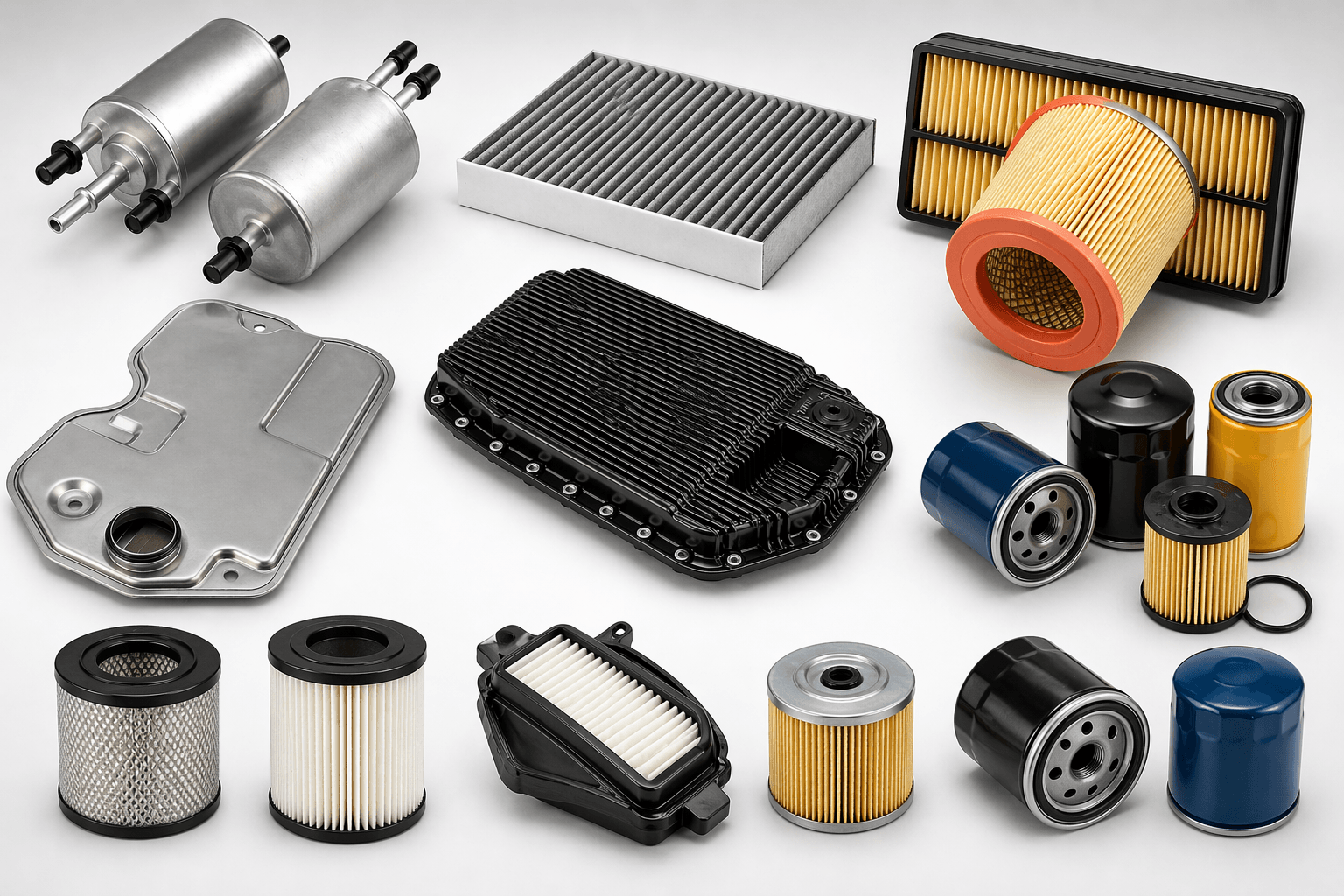
Choosing premium OEM brands like Mahle, Mann, or Hengst provides distinct advantages over budget aftermarket filters. Top-tier manufacturers design their products to match the exact material standards specified by Mercedes-Benz engineering teams. They use advanced, resin-impregnated cellulose paper that filters out tiny dust particles while maintaining high airflow. The pleats are evenly spaced and structurally reinforced to prevent collapse under heavy supercharger suction pressures. In contrast, budget filters often use cheaper, thin paper media that clogs quickly or tears under stress. When a filter media tears, it allows unfiltered dust and grit directly into the engine cylinders. This debris can scour cylinder walls, damage piston rings, and degrade delicate mass airflow sensors over time. Premium filters also feature high-quality, temperature-resistant polyurethane or molded rubber outer sealing gaskets. These premium seals maintain their shape over time, keeping dust out even under extreme engine bay heat. Cheap alternatives often use low-grade foam seals that shrink, harden, or crack after a few months. A failed seal allows dirty air to bypass the filter entirely, risking severe internal supercharger rotors damage. Investing in trusted OEM brands protects your luxury vehicle from premature wear and costly mechanical breakdowns. It ensures your car maintains its factory performance, fuel economy, and smooth power delivery over the long haul. Spending a bit more on high-quality filters saves you money on future engine repairs and diagnostic bills. Ultimately, premium filtration keeps your classic grand tourer operating with the reliability intended by its original designers.
How do I properly install this new air filter into the W211 housing without damaging components?
Installing a new air filter into your E 200 Kompressor requires patience and attention to detail during assembly. Start by turning off the ignition, popping the hood, and letting the engine compartment cool down completely. Locate the single large air filter housing positioned on the side of the compact engine bay. Carefully unplug any electrical connectors linked to nearby intake routing sensors to prevent damaging internal wiring. Use a Torx screwdriver to loosen the retaining screws holding down the airbox upper structural lid. Slowly lift the housing cover to expose the old, dirty panel filter element sitting inside the lower tray. Take a moment to wipe down the inside of the empty airbox housing with a clean microfiber cloth. Removing trapped leaves, fine sand, and loose debris prevents old dirt from contaminating your brand-new filter. Carefully press the fresh filter element into the lower housing, making sure the rubber seals seat flat. Avoid pinching, twisting, or forcing the outer sealing edges, as this can create air bypass gaps later. Gently lower the upper airbox lid back into place, ensuring it aligns perfectly with the lower tabs. Hand-tighten the Torx screws in a crosswise pattern to apply even pressure across the entire sealing perimeter. Reattach any removed sensor electrical plugs securely until you hear them click firmly back into place. Double-check all your connections and tools before starting the engine to verify a clean, professional job. This methodical installation routine ensures your intake system remains completely airtight and protected for miles to come.

Reviews
There are no reviews yet.