Is Mercedes A200 D Air Filter A6540940204 compatible with my vehicle?
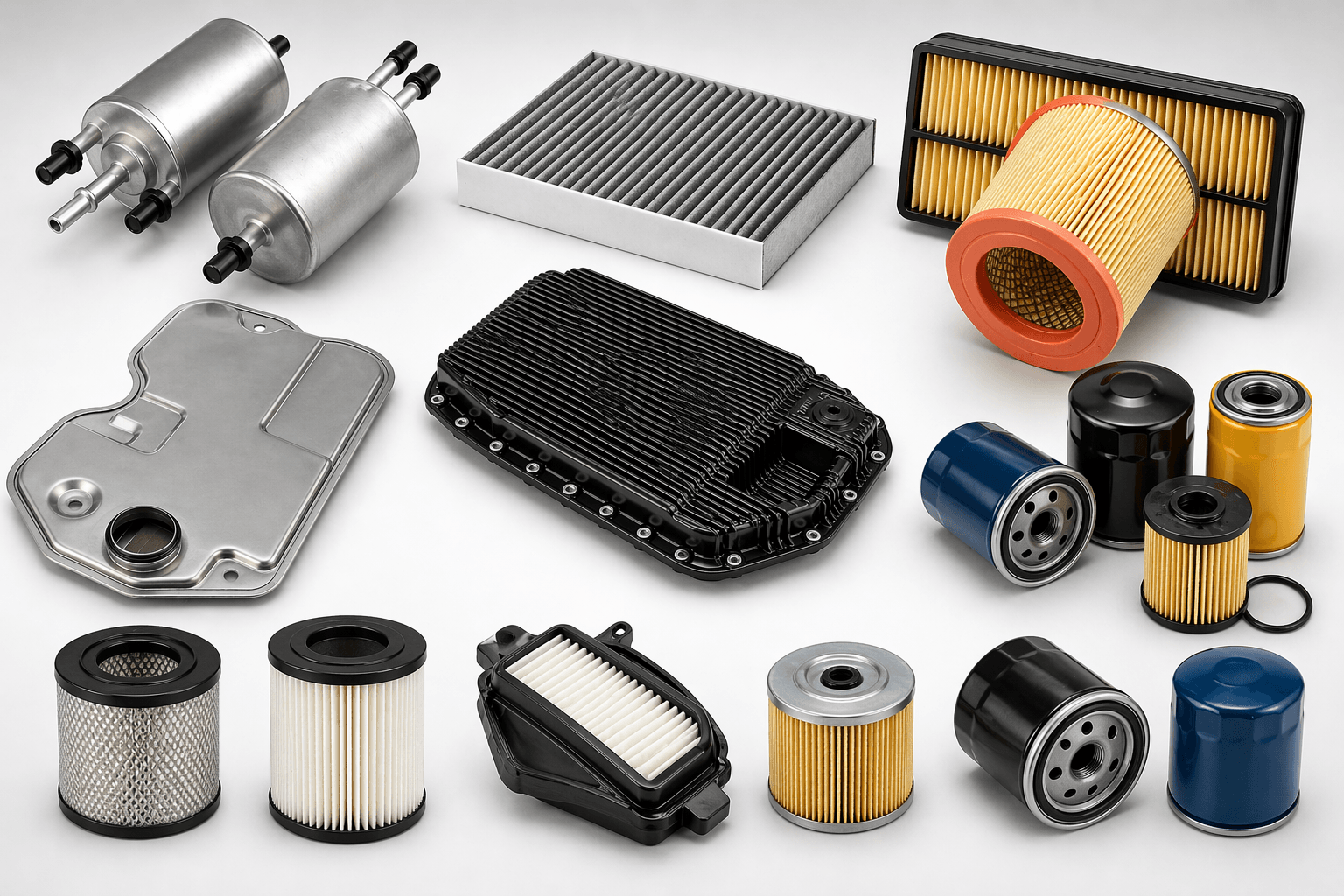
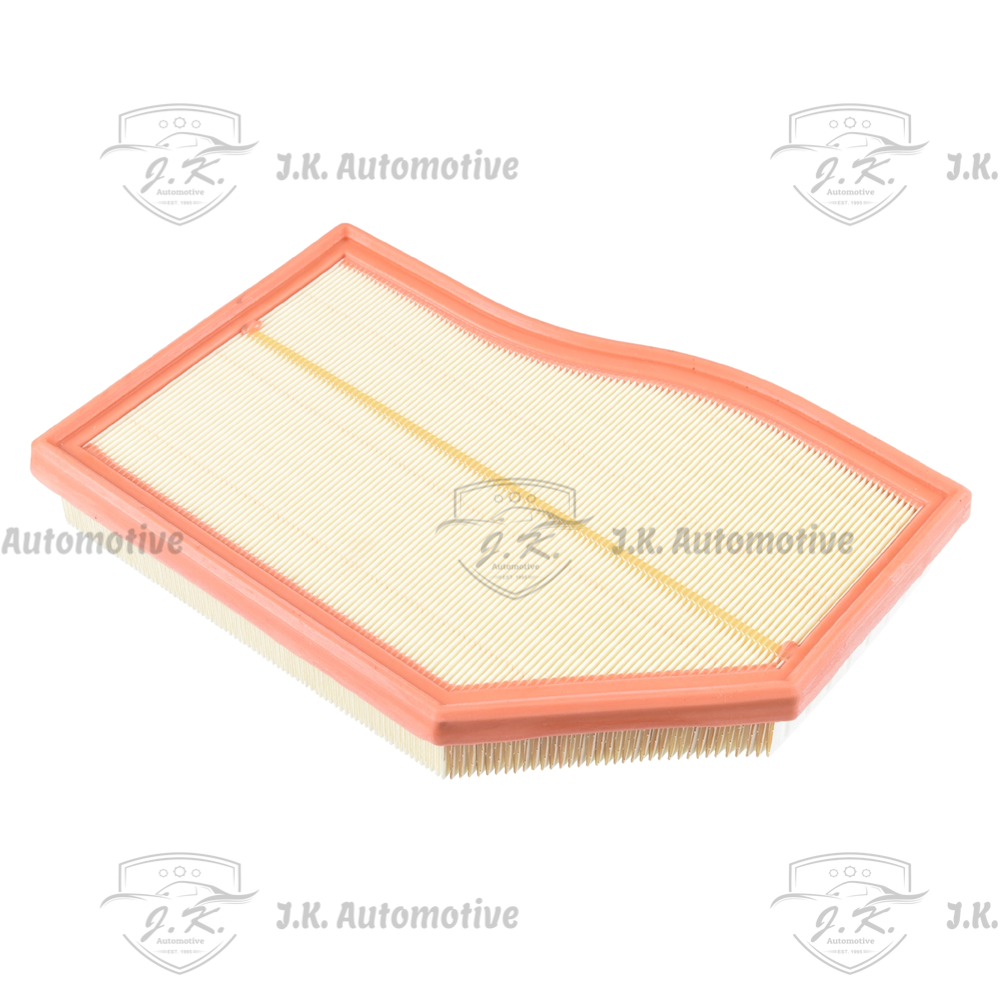
Yes. Mercedes A200 D Air Filter with OEM part number A6540940204 is specifically designed for Mercedes-Benz A-Class Saloon (V177) A200 D (177.112) models manufactured between 2018 and 2026. It is a Genuine Mercedes-Benz OEM air filter engineered to provide perfect fitment, superior filtration and unrestricted airflow. The filter prevents dust, dirt, pollen and harmful airborne contaminants from entering the engine while maintaining optimum combustion efficiency. Replacing the air filter at the recommended service interval helps improve engine performance, fuel economy and engine life. Before ordering, always verify the OEM part number or VIN for compatibility. Buying from JK Automotive ensures you receive 100% Genuine Mercedes-Benz OEM parts, expert support and fast shipping across India.
Is this genuine air filter compatible with all variants of the Mercedes-Benz A-Class Saloon sold in India?
No, this genuine engine air filter with part number A 654 094 02 04 is not universal for all V177 models operating on Indian roads. It is explicitly engineered for specific diesel variants, most notably the A 200 d Diesel Saloon (chassis code 177.112) produced and sold between 2018 and 2026. This specific luxury saloon is powered by the highly advanced 2.0-litre OM654 turbocharged inline-four diesel engine, which requires a precise airbox housing geometry and distinct volumetric airflow characteristics that this exact filter provides. In the Indian luxury car market, petrol V177 models like the A 200 petrol utilize a completely different engine family (the 1.33L M282) that demands entirely different filtration dimensions, part numbers, and structural designs to handle petrol induction pressures. Even within the performance lineup, AMG variants like the A 35 AMG utilize specialized high-flow induction setups that are completely incompatible with this component. Before completing your purchase on our website, always verify your vehicle’s specific chassis number or engine code. You can locate your 17-digit Vehicle Identification Number (VIN) on your Indian registration smart card, RC book, or at the base of your windscreen to ensure your engine bay matches the precise geometric design, rubber sealing borders, and clipping mechanisms of this factory standard.
Why do severe Indian driving conditions require a high-quality OEM Mercedes-Benz air filter?
Operating a premium European diesel vehicle like the Mercedes-Benz A 200 d in India presents a unique set of harsh environmental challenges that standard aftermarket filters cannot survive. Indian roads expose vehicles to extreme levels of ambient road dust, coarse construction debris, vehicular soot from heavy commercial traffic, and intense seasonal pollen. This genuine OEM filter features premium-grade, resin-impregnated pleated cellulose media that is scientifically calibrated to trap microscopic particulates down to the micron level before they can reach your sensitive turbocharger. By preventing these highly abrasive Indian road particulates from entering the combustion chamber, you are directly protecting internal components like cylinder walls, pistons, and delicate valve seats from premature wear and catastrophic scoring. Beyond engine longevity, the structural integrity of the OEM design ensures a flawless, airtight seal within the factory airbox housing despite intense external stressors. Cheaper aftermarket alternatives often suffer from substandard rubber framing that warps under India's extreme under-hood engine temperatures, which frequently skyrocket during bumper-to-bumper city traffic in peak summer. This warping creates gaps where unfiltered, dusty air can bypass the filter entirely. Furthermore, the precise pleat count of this genuine unit maintains a perfect balance between maximum filtration efficiency and unrestricted volumetric airflow, keeping your mass airflow sensor readings stable despite high regional air pollution.
How often do Indian climate and traffic conditions require me to replace the air filter on my A 200 d?
While the standard global manual recommends a replacement every 30,000 to 45,000 kilometres, India’s severe climate, extreme summer heat, and high dust load mandate that this maintenance interval be cut exactly in half. For optimal engine health, turbocharger protection, and smooth performance on Indian roads, you should replace this air filter every 15,000 to 20,000 kilometres, or at least once every 12 to 18 months, whichever comes first. Proactively adhering to this accelerated maintenance schedule prevents severe engine choking, power loss, and premature turbo failure. If your daily commute involves navigating major metropolitan areas with high AQI levels like Delhi-NCR, Mumbai, or Bengaluru, or if you frequently travel on unpaved rural roads, your filter will clog significantly faster. Under these harsh driving conditions, it is highly recommended to visually inspect the filter element every 7,500 to 10,000 kilometres, typically coinciding with your annual intermediate oil change service. The combinations of intense Indian summer heat (exceeding 45°C in many regions) and heavy monsoon humidity can cause trapped organic debris like leaves and bugs to degrade quickly inside the airbox. Neglecting a heavily saturated filter forces your turbocharger to work significantly harder to draw in air, creating an excessive pressure drop that lowers fuel efficiency and strains the entire induction system.
What are the specific symptoms of a clogged air filter on a Mercedes A 200 d during hot Indian summers?
When your A 200 d's air filter becomes heavily loaded with dust and urban soot, it severely restricts the volume of oxygen required for clean, efficient internal combustion. During intense Indian summers, when ambient air is already less dense due to extreme heat, a clogged filter compounds the problem dramatically, especially with the air conditioning system constantly running at full blast. One of the most immediate symptoms you will notice is a palpable reduction in throttle response and sluggish acceleration, particularly when trying to overtake or merge onto highways. Because the OM654 diesel engine relies heavily on its turbocharger to deliver strong low-end torque, a restricted air intake starves the turbo, leading to noticeable boost lag and a weak feeling throughout the lower RPM range. As the restriction worsens in stop-and-go city traffic, the engine's Engine Control Unit (ECU) will attempt to compensate for the reduced airflow by adjusting fuel injection parameters, leading to a noticeable drop in fuel economy and a rough, vibrating idle. In severe cases, the restricted airflow causes an incorrect air-fuel ratio that can trigger a "Check Engine" dashboard warning light, throwing fault codes related to mass airflow sensor deviations or engine misfires. You might also notice a deeper, unusually loud sucking sound coming from the engine bay under hard acceleration as the motor struggles to draw breath through the blocked media, along with increased engine operating temperatures.

Reviews
There are no reviews yet.