How does OEM air filter 13712247444 / PHE000040 specifically interact with the M57TU2 3.0-liter TwinPower Turbo inline-six diesel engine in the BMW X6 (E71) xDrive 30d?
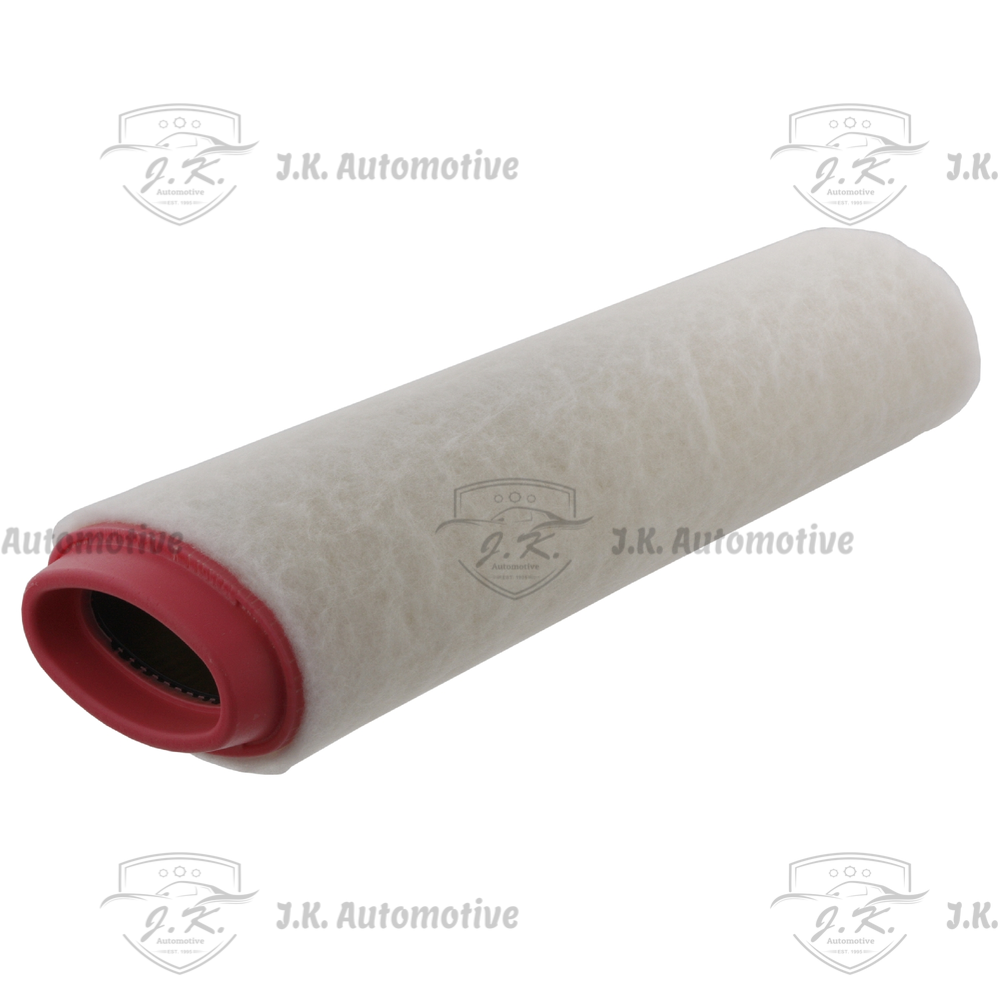
The first-generation BMW X6 Sports Activity Coupe (E71) xDrive 30d produced between 2008 and 2010 (pre-LCI) is powered by the M57TU2 3.0-liter inline-six turbo diesel engine, producing 235 horsepower and 520 Nm of torque. Featuring variable nozzle turbine (VNT) turbocharging and high-pressure common-rail injection operating up to 1,600 bar, this high-torque diesel powertrain requires continuous, laminar, high-volume airflow to maintain swift turbo spool-up and complete cylinder combustion. OEM air filter part numbers 13712247444 and PHE000040 specify the cylindrical filter element engineered specifically for the M57 diesel airbox configuration. Under heavy load, the turbocharged 3.0L M57 engine pulls strong induction vacuum, requiring a filter structure designed to withstand high differential pressure without media flexing or pleat collapse. The synthetic micro-fiber filtration media in part number 13712247444 is calibrated to deliver ultra-low flow restriction while capturing microscopic silica dust, road grit, and fine diesel soot down to 3 microns. Precision hot-melt adhesive stabilization beads applied across the pleat pack maintain uniform spacing under peak velocity, preventing media folds from bunching together under heavy intake air speed. Furthermore, the heat-stabilized elastomeric polyurethane sealing gasket forms an airtight, vibration-dampened seal against the housing channel, preventing unmetered, unfiltered raw air from bypassing the filter and ensuring clean intake air enters the turbo compressor inlet.
What is the cross-reference continuity, Range Rover crossover history, and platform compatibility of part numbers 13712247444 and PHE000040 for the E71 X6 xDrive 30d?
Part numbers 13712247444 (BMW reference) and PHE000040 (Land Rover / Range Rover cross-reference code) share a shared engineering heritage resulting from BMW’s ownership of Land Rover during the M57 diesel development era. This cylindrical filter element serves as the primary factory specification for M57 3.0-liter inline-six diesel applications across the E71 X6 xDrive 30d, E70 X5 xDrive 30d, E60 530d, E90 330d, as well as the Range Rover L322 3.0 TD6. Manufactured to strict Original Equipment standards, this filter element incorporates a dense synthetic micro-fiber blend treated with specialized hydrophobic binders that prevent moisture absorption and structural deterioration during heavy rain, fog, or high-humidity driving conditions. The high-density polyurethane sealing frame is engineered to maintain dimensional memory, structural elasticity, and constant sealing pressure across thousands of severe thermal expansion and contraction cycles inside the E71 diesel engine bay. This prevents the perimeter gasket from shrinking, cracking, or hardening over time, completely eliminating the risk of unmetered dirty air bypassing the filter media. Technicians and vehicle owners can rely on part numbers 13712247444 and PHE000040 as interchangeable factory specifications required to maintain proper intake air velocity, protect sensitive downstream mass airflow sensors, and safeguard internal engine hardware. To withstand this severe differential pressure without collapsing, part number 13712247444 is constructed with high-density synthetic microfiber media reinforced over an internal structural steel cage. Furthermore, its heat-resistant elastomeric polyurethane radial end-cap seals tightly over the internal airbox intake spigot, establishing a 100 percent airtight barrier that prevents unmetered, unfiltered road grit and airborne silica sand from bypassing the media and eroding the delicate VGT compressor blades.
What advanced diagnostic fault codes, live data parameters, and physical engine behaviors indicate severe restriction or seal degradation of air filter 13712247444 / PHE000040 on an E71 X6 30d?
Recognizing a restricted or degraded air filter element under part number 13712247444 or PHE000040 on a BMW X6 (E71) xDrive 30d requires observing physical driving performance alongside digital diagnostic parameters using factory software like ISTA. When the synthetic filtration media becomes saturated with fine particulate dust, road soot, or environmental debris, the M57 3.0L turbo diesel engine suffers from intake air starvation under boost. Mechanically, the driver will notice increased turbocharger spool lag, sluggish low-end torque delivery, minor hesitations during hard acceleration, and a noticeable drop in overall fuel efficiency. Diagnostically, as intake airflow becomes restricted, the Digital Diesel Electronics (DDE) ECU detects lower-than-expected air mass readings via the Mass Air Flow (MAF) sensor. To prevent incomplete combustion and excessive black exhaust soot production, the DDE trims fuel injection quantities, directly restricting engine torque output. Persistent restriction will trigger check engine illumination, logging specific diagnostic trouble codes such as 4501 or 4507 (EGR mass air flow plausibility) or codes relating to charging pressure control deviations and MAF sensor signal range issues. Additionally, if an inferior perimeter gasket fails due to thermal fatigue, unmetered dirty air bypasses the filter media, causing boost pressure fluctuations, erratic idling, and potential Drivetrain Malfunction alerts on the iDrive screen. The BMW X6 (E71, E72) xDrive 30d produced between 2008 and 2010 featuring the M57N2 (M57D30TÜ2) 3.0-liter straight-6 common-rail turbodiesel engine (producing 235 PS and 520 Nm of torque) relies on a heavy, non-turbulent volume of induction air to feed its variable-geometry turbocharger (VGT) and 1,600-bar common-rail direct-injection system. OEM air filter part numbers 13712247444 and PHE000040 specify the heavy-duty cylindrical filter cartridge engineered to fit precisely inside the acoustic housing recess situated directly along the top passenger side of the M57 engine cylinder head cover.
What exact step-by-step cleaning, inspection, and installation procedures should be followed during the replacement of air filter 13712247444 / PHE000040 on the BMW X6 (E71) xDrive 30d?
Replacing the engine air filter element under part number 13712247444 / PHE000040 on a BMW X6 (E71) xDrive 30d requires methodical execution due to the rearward mounting position of the cylindrical M57 filter housing:
-
Safety & Preparation: Turn off the ignition, engage the electronic parking brake, and allow the M57 diesel engine bay to cool down completely so plastic housing components, acoustic covers, and retaining latches remain flexible.
-
Accessing the Airbox: Remove the top engine acoustic insulation cover. Disconnect the cabin air filter cowl ducting and rear engine bay partition covers if necessary to gain full access to the rear-mounted cylindrical airbox housing fasteners.
-
Removing the Old Element: Release the housing retaining screws or perimeter clips and carefully slide the cylindrical air filter element out of its housing tube without shaking or twisting, preventing trapped debris from spilling into the clean intake tube leading to the turbo compressor inlet.
-
Housing Sanitation: Use a shop vacuum equipped with a soft brush attachment to clean out all accumulated dirt, sand, and organic debris from inside the cylindrical housing cavity, then wipe down all inner sealing channels and gasket seating surfaces with a clean, lint-free microfiber cloth dampened with isopropyl alcohol.
-
Installing New Filter: Unbox fresh OEM filter 13712247444 / PHE000040 and inspect the elastomeric sealing end-caps to confirm they are clean, supple, and free of defects. Press the filter firmly into the housing alignment guide, verifying that the end gasket forms a complete, flush 360-degree seal around the intake neck.
-
Final Reassembly: Align and secure the housing lid, torque all fasteners to specification, and reinstall the engine acoustic cover and cabin cowl ducting to ensure complete weatherproofing and acoustic insulation.
What structural engineering advantages does panel air filter 13712247444 / PHE000040 offer over low-cost aftermarket alternatives for the M57 TwinPower Turbo diesel engine in the BMW X6 (E71) xDrive 30d?
The structural engineering of genuine air filter 13712247444 / PHE000040 provides critical operational advantages over budget aftermarket filters when installed in the high-demand M57 3.0-liter 6-cylinder turbo diesel engine environment of the E71 X6 xDrive 30d. Premium synthetic-blend filtration media utilized in this OEM specification is treated with specialized hydrophobic compounds that allow the filter pleats to retain full structural integrity even when driving through heavy rainstorms, dense fog, or high-humidity coastal climates. Cheaper aftermarket paper filters lack this moisture resistance, causing their pleats to absorb atmospheric water vapor, swell, and buckle inward under heavy variable-geometry turbocharger suction during aggressive acceleration. When low-grade filter paper collapses, the available surface area for air passage drops drastically, starving the M57 diesel engine of clean oxygen needed for complete, efficient combustion. Furthermore, the high-density polyurethane sealing gasket on part number 13712247444 maintains its precise elasticity and dimensional memory across thousands of extreme thermal expansion and contraction cycles inside the E71 engine compartment. This ensures that the end seal does not shrink, crack, or harden over time, preventing dangerous high-vacuum air leaks along the housing channels. Preventing unmetered, unfiltered silica dust from bypassing the air filter is paramount for protecting the six individual cylinder walls, piston rings, and delicate turbocharger compressor blades from accelerated mechanical wear under high boost operation. Utilizing authentic OEM specification filters guarantees balanced, uninhibited airflow into the intake tract, maintaining responsive 520 Nm torque delivery and ensuring consistent engine performance across all driving environments.
How do severe urban driving environments, high-altitude travel, and aggressive driving cycles alter the actual replacement interval for air filter 13712247444 / PHE000040 on the BMW X6 (E71) xDrive 30d?
While factory maintenance schedules generally recommend replacing the air filter element on the BMW X6 (E71) xDrive 30d every 30,000 to 40,000 kilometers, real-world operational demands frequently necessitate earlier replacement to preserve engine performance. Sports Activity Coupes operated regularly in dusty arid regions, rural agricultural areas, or heavy urban construction zones ingest high concentrations of airborne particulate matter, fine silica sand, and road soot that fill the deep pleat valleys much faster than standard highway cruising. Similarly, vehicles driven in mountainous regions or high-altitude environments place unique volumetric demands on the induction system; because high-altitude air is less dense, the 3.0L turbocharged M57 diesel engine must pull significantly higher volumes of ambient air to achieve equivalent oxygen mass for combustion, drawing a higher total mass of airborne debris through the filtration pack over a given distance. Additionally, frequent stop-and-go city driving or aggressive driving styles dramatically increase total engine air consumption per minute, accelerating debris accumulation across the synthetic micro-fiber media. To safeguard the variable-geometry turbocharger compressor wheel, EGR valve assembly, and high-pressure common-rail fuel systems, drivers subjecting their X6 to severe duty conditions should visually inspect the filter element every 15,000 kilometers or during every annual oil service. If the filter media exhibits heavy discoloration, packed debris in the pleat folds, or signs of moisture distortion, replacing the element immediately restores uninhibited engine breathing, protects valvetrain components, and preserves maximum torque delivery.
How does maintaining a clean air filter under part number 13712247444 / PHE000040 prevent compressor wheel dusting and turbocharger shaft imbalance on the M57 engine of the E71 X6 30d?
The variable-geometry turbocharger assembly on the M57 engine in the BMW X6 (E71) xDrive 30d operates at rotational speeds exceeding 150,000 RPM under full boost conditions. At these immense rotational velocities, the aluminum alloy compressor wheel is extremely sensitive to any microscopic solid contaminants present in the incoming airstream. When a compromised or low-quality air filter allows fine silica dust and sand particles to pass into the intake tract, the high-speed impact of these particles causes severe mechanical erosion on the leading edges of the compressor blades, a destructive phenomenon known as turbocharger dusting. Over time, blade erosion alters the complex aerodynamic profile of the compressor wheel, reducing boost efficiency, increasing intake charge temperatures, and causing the turbocharger to work harder to maintain target manifold pressures. Furthermore, uneven blade erosion disrupts the ultra-precise dynamic balance of the rotating compressor assembly, leading to high-frequency shaft vibrations. These microscopic vibrations place severe radial loads on internal journal bearings and dynamic oil seals, accelerating bearing wear, causing oil leaks into the charge air pipes, and ultimately leading to catastrophic turbocharger failure. Installing a fresh OEM-specification air filter under part number 13712247444 / PHE000040 ensures complete particle retention down to 3 microns, preserving the aerodynamic integrity of the compressor blades, maintaining dynamic shaft balance, and extending the operational lifespan of expensive turbocharger hardware.
Why is replacing a dirty air filter critical for preventing premature soot loading in the E71 X6 30d Diesel Particulate Filter (DPF) and EGR valve?
The Diesel Particulate Filter and Exhaust Gas Recirculation valve on the BMW X6 (E71) xDrive 30d M57 engine are highly sensitive emissions control components whose longevity depends directly on maintaining clean air intake filtration. Turbocharged diesel engines rely on precise air-to-fuel ratios calculated by the Digital Diesel Electronics ECU; when a restricted or dirty air filter starves the engine of fresh oxygen, fuel combustion inside the 6 cylinder chambers becomes incomplete. Incomplete fuel combustion produces excessive amounts of unburned carbon soot, which flows directly out of the cylinder head into the exhaust system. This heavy soot concentration travels first through the EGR valve, causing sticky carbon deposits to build up on the internal valve mechanism and intake manifold runners, which leads to valve sticking, rough idling, and engine fault codes. Furthermore, excess exhaust soot enters the DPF substrate, rapidly filling the porous wall-flow channels and forcing the ECU to initiate frequent active DPF regeneration cycles to burn off the trapped soot. Frequent DPF regenerations increase overall fuel consumption, subject the turbocharger and exhaust system to elevated thermal stress, and accelerate engine oil dilution with unburned diesel fuel. Installing a fresh OEM-specification air filter under part number 13712247444 / PHE000040 every 30,000 kilometers ensures full combustion oxygen saturation, minimizes unburned soot production, keeps the EGR system clean, and extends the operational life of the expensive DPF assembly. Diagnosing a clogged or degraded cylindrical air filter element under part numbers 13712247444 or PHE000040 on a BMW X6 (E71) xDrive 30d requires observing physical vehicle performance alongside digital live parameter logs using BMW ISTA/D or INPA diagnostic software. When the synthetic media becomes saturated with road dust, soot, and particulate matter, the M57 turbodiesel engine suffers from acute volumetric air starvation under boost.


Reviews
There are no reviews yet.