Why are part numbers 13717521023 and 13717521037 specifically engineered for the 4.8-liter N62B48 V8 engine in the BMW 6 Series (E63) 650i?
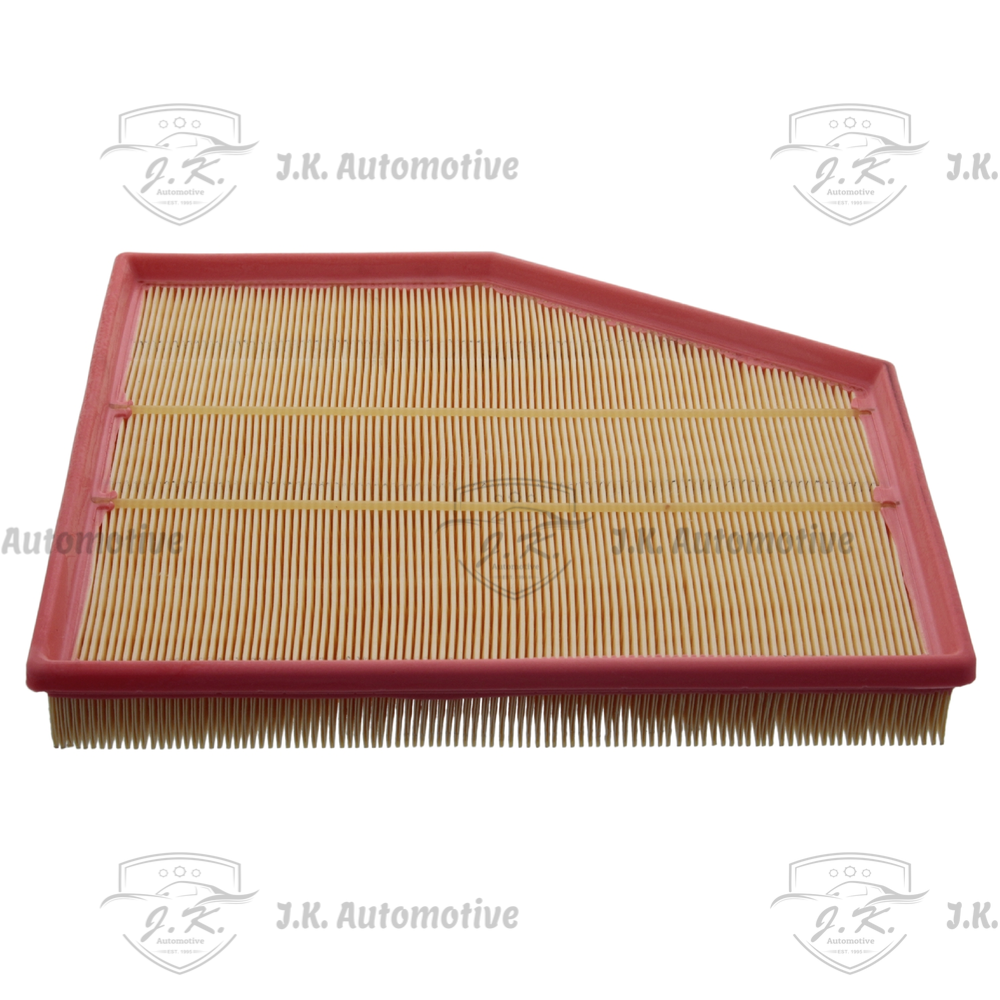
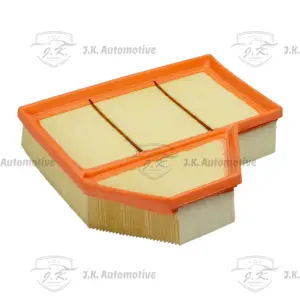
The BMW 6 Series E63 650i produced between 2004 and 2010 is powered by the naturally aspirated 4.8-liter N62B48 V8 engine, which requires high volumetric air intake efficiency across both cylinder banks to deliver its 360-horsepower output. Air filter part numbers 13717521023 and 13717521037 represent the left and right panel filter elements specifically engineered to fit the dual airbox intake system of the N62 V8 engine. Naturally aspirated high-displacement V8 engines rely on smooth, uninhibited atmospheric airflow through twin intake ducts during rapid throttle plate openings and high-RPM acceleration sweeps. The synthetic micro-fiber filtration media used across part numbers 13717521023 and 13717521037 is calibrated to deliver ultra-low flow resistance while trapping microscopic airborne silica particles and fine dust down to 3 microns. Precision hot-melt adhesive stabilization beads applied across the pleat folds maintain uniform pleat spacing, preventing the media from bunching together under strong engine induction vacuum. Furthermore, the heat-resistant elastomeric polyurethane perimeter frame creates a compressed, airtight seal against the plastic airbox lip, completely eliminating the risk of raw ambient air bypassing the filter element. Installing this exact dual OEM-specified air filter set ensures that incoming fresh air is thoroughly cleaned before entering the throttle bodies and Valvetronic intake tract, preserving throttle response, power delivery, and engine health over thousands of kilometers.
What is the relationship and interchangeability between OEM part numbers 13717521023 and 13717521037 on the dual airbox intake of the E63 650i?
The relationship between part numbers 13717521023 and 13717521037 corresponds to the dual-bank air intake design utilized on the N62 4.8L V8 engine in the E63 650i coupe and convertible models. In factory parts documentation, these two part numbers designate the dedicated left-side and right-side panel air filter elements contoured specifically to match the symmetrical dual airbox housings installed in the front engine bay. Both filter elements feature precise perimeter dimensions, corner radius profiles, and elastomeric seal densities designed to drop into their respective airbox trays without binding or gap formation. Whether your vehicle service manual, dealership parts counter, or workshop repair catalog lists 13717521023 and 13717521037 together as a matched set or as superseding cross-references, replacing both filter elements simultaneously is essential for balanced engine breathing. Installing matching filter elements across both cylinder banks ensures equalized pressure drops across the twin intake tracts, preserving symmetrical air mass readings between the intake banks. Technicians and auto parts distributors can safely verify these part numbers as the precise OEM specification for all E63 650i models produced from 2004 through 2010. Adhering to these factory part numbers maintains original equipment induction capacity, prevents unmetered air leaks, and protects the delicate Valvetronic variable valve assembly from abrasive dust accumulation.
What operational symptoms indicate dirty air filters on an E63 650i V8, and what mechanical risks arise if replacement is delayed?
When air filters 13717521023 and 13717521037 on a BMW E63 650i become saturated with road dust, pollen, and environmental debris, the 4.8L N62 V8 engine suffers from intake air starvation that causes clear operational symptoms and mechanical risks. The most immediate symptom noticed by the driver is a hesitation in throttle response and loss of high-RPM acceleration power, making the V8 grand tourer feel heavy and sluggish during spirited driving. Because the Digital Motor Electronics ECU adjusts fuel delivery based on real-time mass airflow and manifold pressure measurements, restricted intake airflow causes inefficient air-fuel mixture formation, leading to reduced fuel economy and rough engine idling. Incomplete fuel combustion caused by oxygen starvation creates unburned carbon soot that coats spark plugs, combustion chambers, and oxygen sensors, potentially triggering engine misfires and check engine light illumination. If severely clogged air filters are left unserviced, the intense induction vacuum created by the 4.8-liter engine can cause aged or weakened paper media to buckle or tear from its perimeter frame. Once the filter element breaks down, raw abrasive silica sand is drawn directly into the intake manifolds, causing rapid wear on throttle valve plates, intake valve seats, and cylinder wall linings. Additionally, microscopic dust bypassing compromised filter media coats the delicate hot-film elements of the Mass Air Flow sensors, causing erratic sensor voltage outputs and hunting idle behavior.
How do clean air filters protect the dual Mass Air Flow sensors and Valvetronic intake mechanism on the E63 650i N62 engine?
The twin Mass Air Flow sensors and Valvetronic variable valve lift system on the BMW E63 650i N62 engine are situated directly downstream of the dual air intake filter boxes, making them highly vulnerable to airborne grit and dust contamination. The MAF sensors rely on delicate heated film elements to measure incoming air mass into each cylinder bank; when low-quality or degraded air filters allow microscopic dust through, silica particles bake onto the sensor film, forming an insulating crust that corrupts airflow signals to the ECU. Furthermore, the N62 V8 utilizes BMW Valvetronic technology, which controls engine load by dynamically varying the intake valve lift height from 0.18 mm to 9.9 mm rather than using a conventional throttle valve during normal operation. Microscopic silica dust entering the cylinder head acts as an abrasive compound on the precision Valvetronic intermediate levers, eccentric shaft lobes, and intake valve guides, leading to mechanical wear, valve guide play, and expensive valvetrain rebuilds. Beyond valvetrain protection, maintaining clean intake air prevents abrasive dust from entering the combustion chambers where it can score cylinder wall hone patterns and accelerate piston ring wear. Using high-efficiency air filters capturing particles down to 3 microns preserves MAF sensor calibration, protects the intricate Valvetronic mechanism, and preserves long-term engine compression and oil control.
What structural design advantages does panel air filter set 13717521023 and 13717521037 offer over low-cost aftermarket alternatives for the E63 650i V8?
The precision engineering of air filter set 13717521023 and 13717521037 provides distinct structural and performance advantages compared to lower-quality aftermarket panel filters for the E63 650i 4.8L N62 V8 engine. Premium synthetic-blend filtration media is treated with moisture-resistant compounds that allow the filter pleats to retain structural rigidity even when driving through heavy rain, dense fog, or high humidity environments. Cheaper aftermarket paper filters lack moisture resistance and tend to soften, swell, and buckle under engine bay heat and ambient moisture, drastically reducing the usable surface area for intake air. Furthermore, the rigid polyurethane perimeter gaskets on part numbers 13717521023 and 13717521037 maintain their elastic memory across extreme engine bay thermal cycles, ensuring that the filter gaskets do not shrink, crack, or harden over time. Stable perimeter gaskets prevent small air leaks around the airbox edges, which could otherwise draw unmetered, unfiltered silica dust straight into the twin intake ducting. Protecting the throttle bodies and intake valves from fine road dust is critical, as abrasive particles entering the combustion chambers cause cylinder wall scoring and piston ring wear over time. Utilizing genuine specification panel filters guarantees uninhibited airflow into both intake tracts, keeping engine operation smooth and ensuring consistent, quiet V8 engine power across all driving conditions.
What installation step errors frequently occur during E63 650i air filter replacement, and how can technicians ensure a leak-free seal across both airboxes?
Replacing the dual air filters on the BMW E63 650i is a standard service task, yet minor installation oversights can compromise the intake seals and allow unfiltered air to enter the N62 V8 induction system. The most common mistake made by technicians is neglecting to clean out accumulated leaf litter, fine sand, and road grime from the bottom of both lower airbox housings before installing the new filter elements. Leaving loose debris inside either airbox allows dirt particles to migrate onto the clean side of the filter or get drawn into the intake ducting during initial engine startup. Another frequent error involves misaligning the polyurethane perimeter sealing gaskets along the airbox seating grooves before securing the housing retaining clips. If either filter gasket becomes pinched, twisted, or unseated along any corner when clamping the airbox covers shut, raw ambient air bypasses the synthetic filter media entirely, pulling abrasive silica dust directly into the dual Mass Air Flow sensors and throttle bodies. Mechanics can ensure a complete seal by vacuuming both lower airbox cavities, wiping down the sealing channels with a clean microfiber cloth, and visually checking that both filter frames rest completely flat around all four edges before applying latching pressure. Furthermore, inspect the flexible rubber intake boots connecting the airboxes to the intake manifold to ensure they are fully seated, clamped tight, and free of dry-rot cracks. Taking these installation precautions guarantees a 100% airtight seal, protects sensitive intake sensors, and ensures the V8 engine receives uninhibited, clean air flow.
How do driving environments and high-load usage patterns influence the actual replacement frequency of air filter set 13717521023 and 13717521037 on the E63 650i?
While standard factory guidelines recommend replacing the air filters on the BMW E63 650i every 30,000 to 40,000 kilometers, the actual functional lifespan of part numbers 13717521023 and 13717521037 depends heavily on your driving environment and vehicle operational demands. Vehicles driven frequently in arid regions, on unpaved rural roads, or through continuous construction zones encounter high concentrations of fine airborne dust that clogs the synthetic pleats much faster than highway driving. Similarly, E63 650i models used for frequent stop-and-go urban commuting, high-speed autobahn cruising, or spirited canyon driving expose the dual intake system to concentrated concentrations of exhaust soot, rubber tire dust, and industrial particulates that form a dark, oily film over the filtration media. Additionally, operating in coastal environments or high-humidity climates exposes the filter media to salt-laden moisture, which can cause lower-quality paper media to swell and restrict airflow prematurely. To protect the naturally aspirated 4.8L N62 V8 engine, drivers operating under severe or high-dust conditions should perform visual inspections of both air filter elements every 15,000 kilometers or during every annual oil service. If the filter media appears heavily discolored, packed with debris in the pleat folds, or shows signs of moisture distortion, replacing both elements early guarantees uninhibited engine breathing, maintains optimal fuel economy, and protects delicate valvetrain components from premature wear . Additionally, operating in coastal environments or high-humidity climates exposes the filter media to salt-laden moisture, which can cause lower-quality paper media to swell and restrict airflow prematurely.
Why is replacing dirty air filters critical for maintaining fuel economy and preventing spark plug fouling on the E63 650i N62 V8?
The 4.8L N62 V8 engine in the BMW E63 650i relies on precise stoichiometric air-fuel mixture control managed by the Digital Motor Electronics ECU to deliver peak power output and maximum fuel efficiency. When aged or dirty air filters restrict fresh oxygen intake across both cylinder banks, the engine computer detects reduced air mass and compensates by adjusting throttle valve angles, recalibrating fuel injection pulse widths, and retarding ignition timing. This compensation disrupts optimal combustion efficiency, causing the large-displacement V8 to burn more fuel per kilometer while producing noticeably reduced torque output. Incomplete fuel combustion caused by air starvation creates unburned carbon deposits that accumulate on the direct fuel injector tips, oxygen sensors, and spark plug electrodes. Carbon-fouled spark plugs exhibit erratic spark arc patterns, leading to cold-start hesitation, rough idling, under-load engine misfires, and premature catalytic converter degradation. Furthermore, persistent air starvation increases induction vacuum stress on the engine crankcase ventilation system, accelerating oil vapor draw into the intake manifold and adding to carbon buildup on intake valves. Installing a fresh OEM-specification dual air filter set every 30,000 kilometers ensures full combustion oxygen saturation, restores optimal fuel economy, prevents spark plug fouling, and preserves smooth, responsive V8 performance across the entire RPM range.

Reviews
There are no reviews yet.