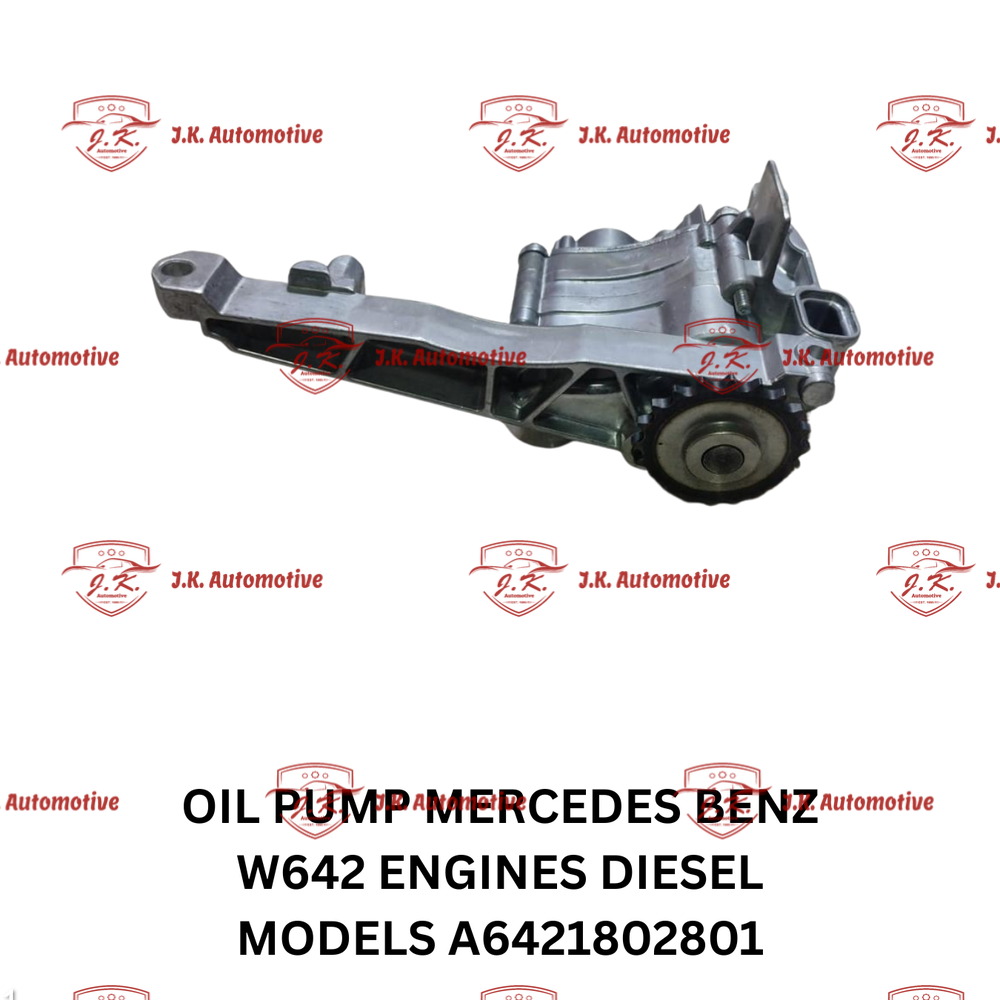
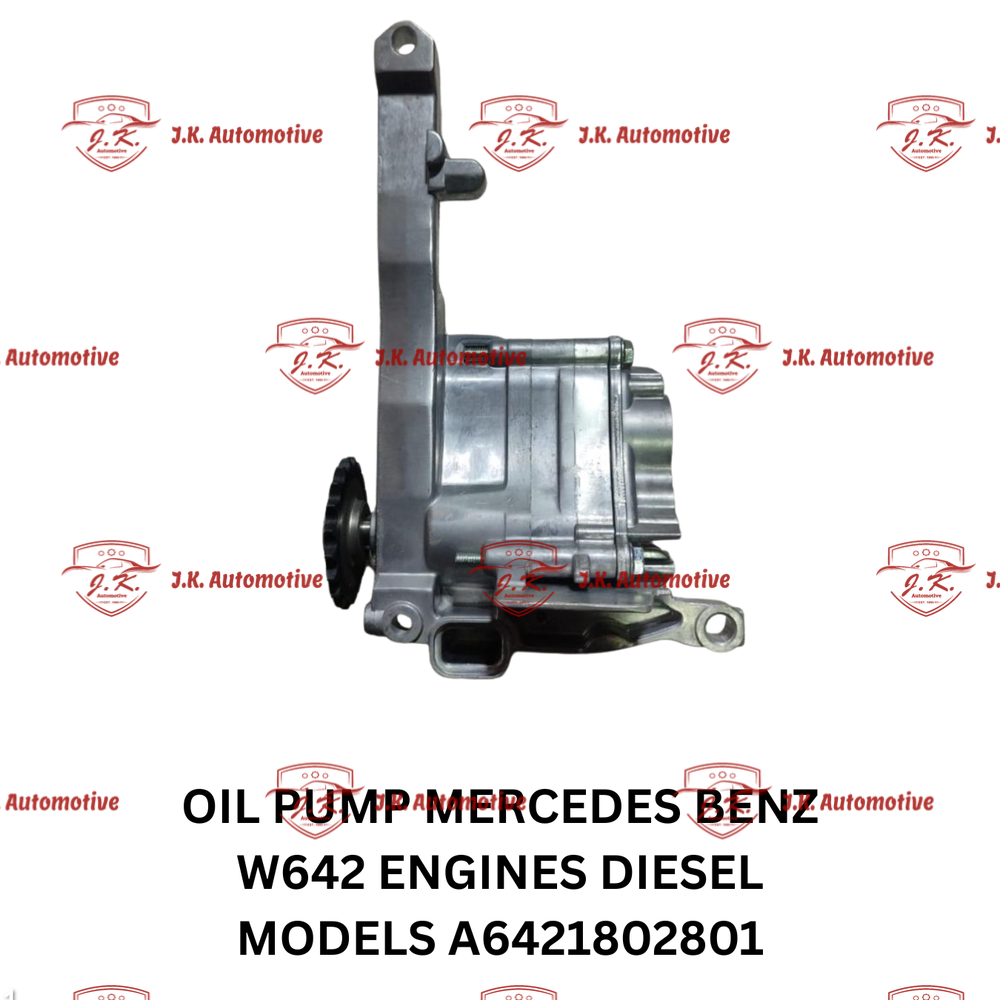
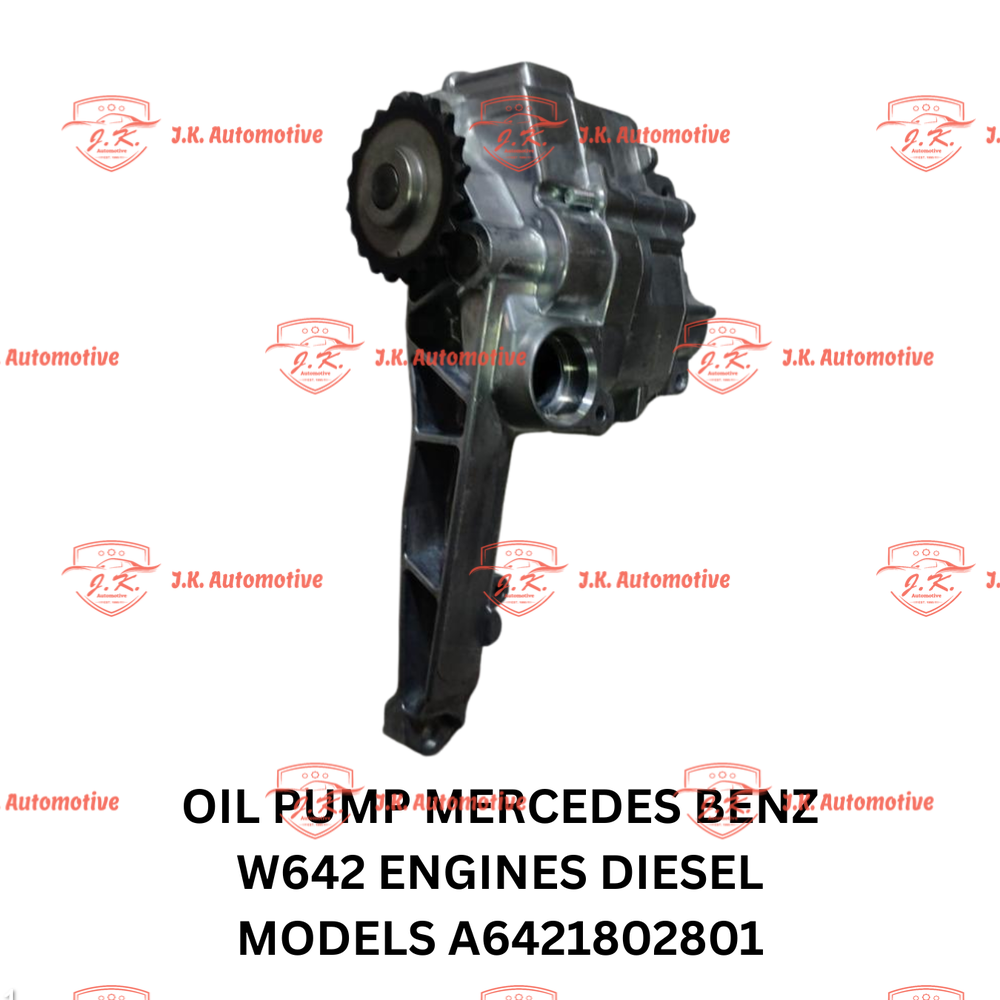
What is the Oil Pump Mercedes-Benz M Class W166 642 Engines Only Diesel Models A6421802801?
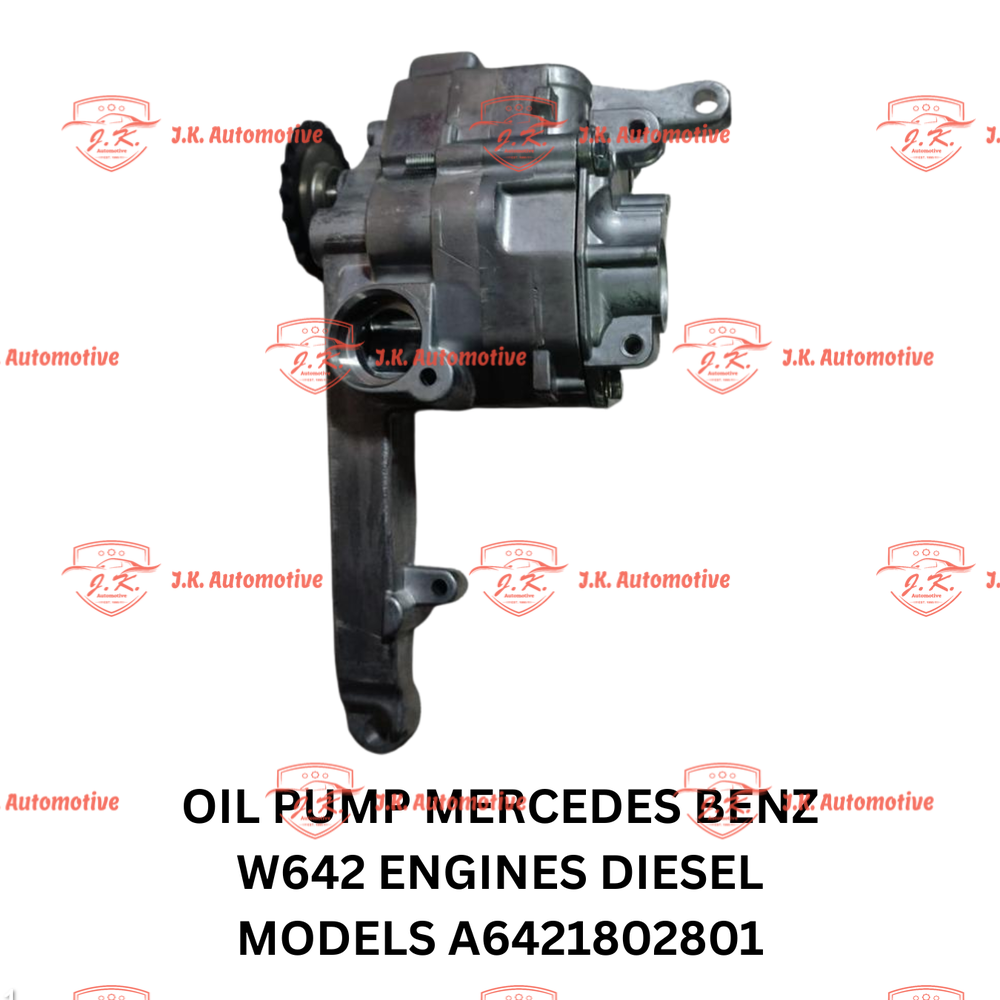
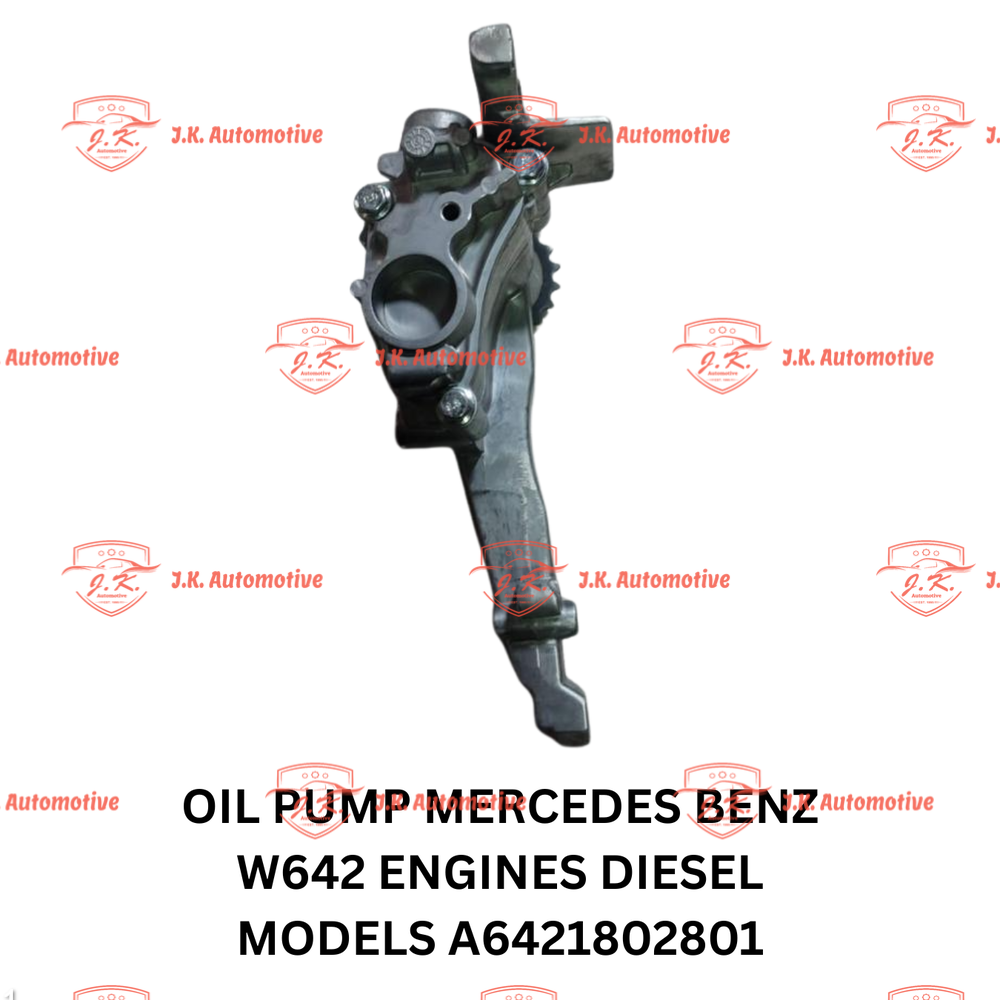
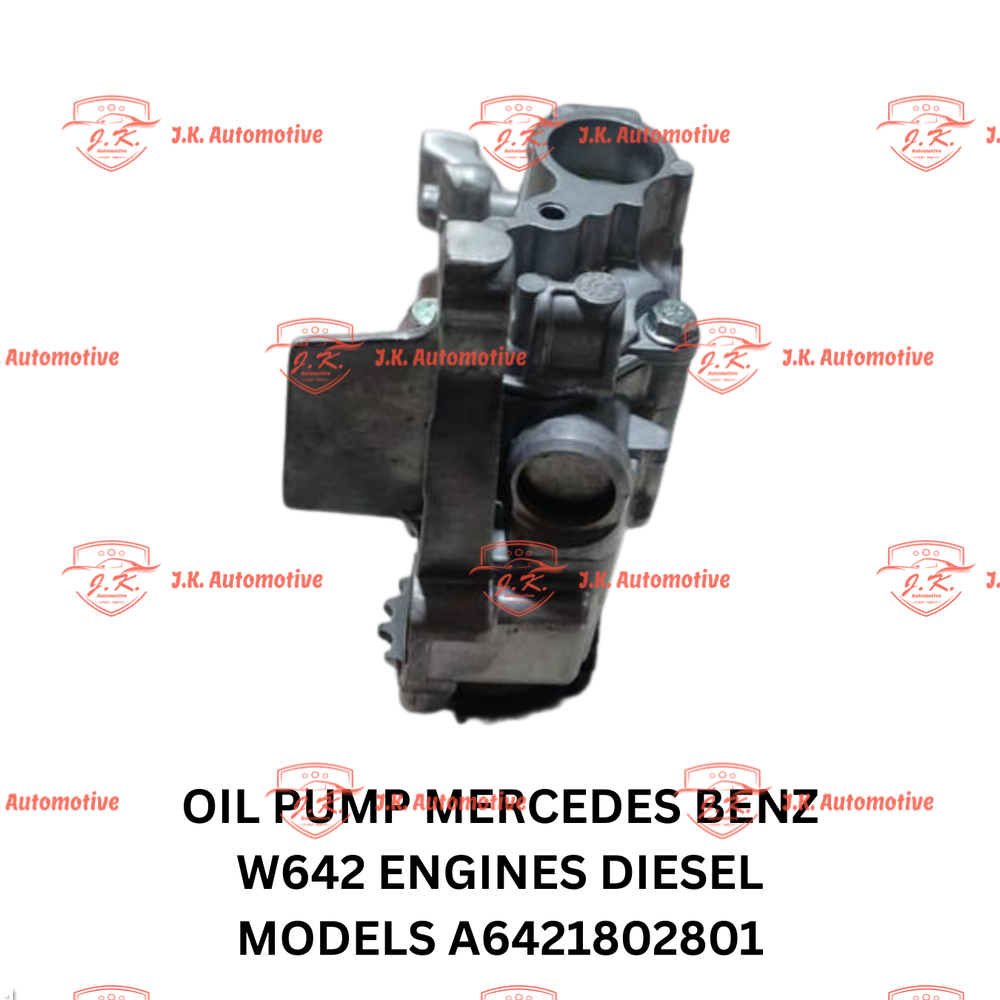
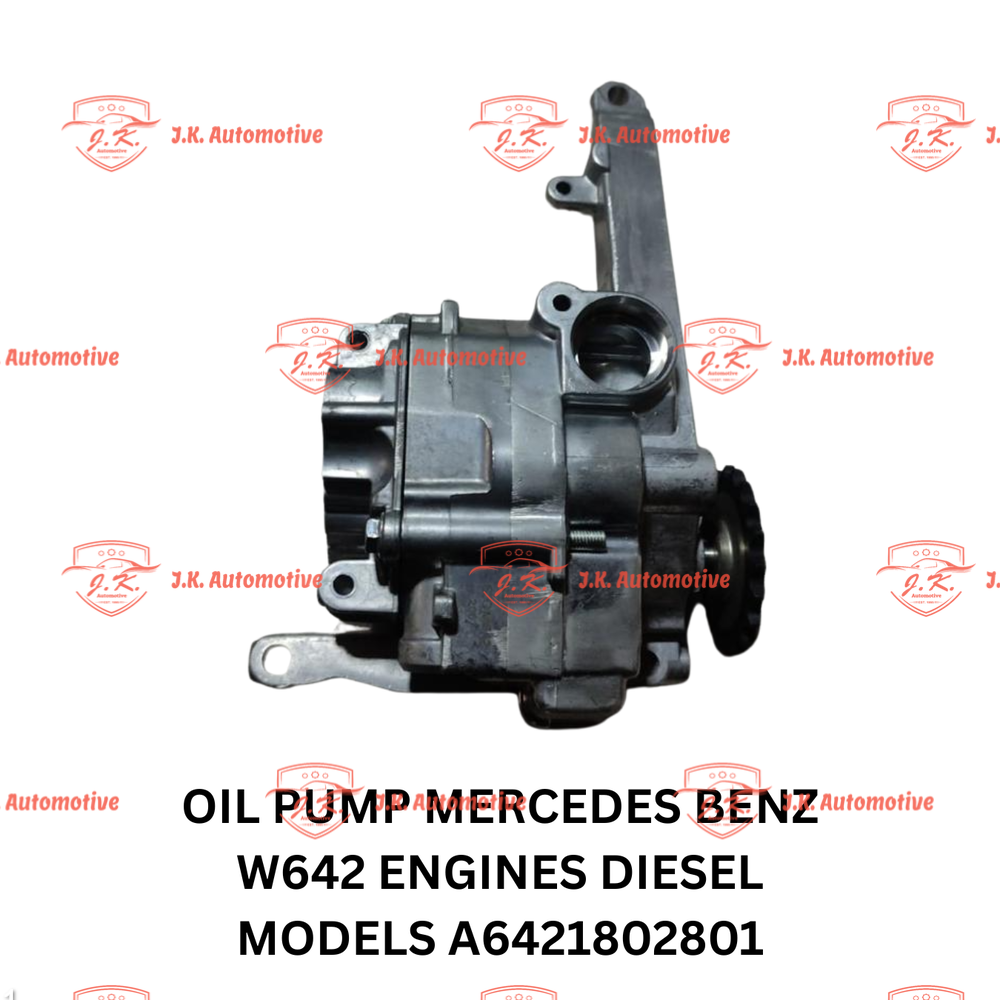
Oil Pump Mercedes-Benz M Class W166 642 Engines Only Diesel Models A6421802801 is an engine lubrication component intended for the supplied Mercedes-Benz M Class W166 application covering 2011–2019 and specifically for the supplied 642 engine diesel models. The oil pump performs a critical function within the engine lubrication system because it circulates engine oil from the sump through the lubrication passages so that moving and load-bearing engine components receive the oil supply required during operation. When the engine is running, numerous internal components operate at high speed and under substantial mechanical and thermal loads, creating the need for continuous lubrication. The pump draws oil from the engine’s oil supply and generates the flow required to move lubricant through the oil filter and internal galleries toward critical areas of the engine. Engine bearings, crankshaft-related surfaces, camshaft and valvetrain components, timing-related components and other lubricated assemblies depend on an adequate supply of clean engine oil. On a diesel engine, lubrication is particularly important because internal components operate under substantial cylinder pressures and load conditions. Engine oil does more than reduce friction; it also contributes to heat transfer, cleaning and protection of internal surfaces. If oil circulation becomes inadequate, friction and temperature can increase rapidly at components that rely on a pressurised oil film. A deteriorating pump can potentially contribute to low oil pressure, lubrication warnings, abnormal mechanical noise or other symptoms associated with insufficient oil supply, although these symptoms should never be treated as automatic proof of pump failure. Incorrect oil level, unsuitable or severely degraded engine oil, a restricted oil filter, pickup-related problems, internal engine wear, pressure-regulation problems, faulty pressure sensing or electrical issues can produce similar indications. A professional diagnosis should therefore establish actual lubrication-system condition before the pump is replaced. Mechanical oil-pressure testing may be appropriate where required to distinguish a genuine pressure problem from a sensor or electrical warning. Oil condition, oil level, filter condition and relevant engine fault information should also be checked. If pump replacement is confirmed as necessary, reference A6421802801 should be compared carefully with the required component. The supplied vehicle information is Mercedes-Benz M Class W166, 642 Engines Only, Diesel Models, 2011–2019. VIN and engine identification should be checked where necessary because the supplied listing is specifically restricted to the stated engine and diesel application. Correct installation and clean workshop practices are essential because contamination entering the lubrication system during repair can potentially damage newly installed or existing engine components.
What does reference A6421802801 mean for the Mercedes-Benz M Class W166 642 diesel oil pump?
Reference A6421802801 is the supplied identification number for this oil pump application for the Mercedes-Benz M Class W166 with 642 Engines Only, Diesel Models, covering the supplied 2011–2019 period, and it provides an important reference when searching for or confirming the required engine lubrication component. Customers and workshops may search for this product using terms such as Mercedes W166 Oil Pump, Mercedes M Class Diesel Oil Pump, Mercedes 642 Engine Oil Pump, Mercedes OM642 Oil Pump, W166 Diesel Engine Oil Pump, A6421802801 Oil Pump or Mercedes Engine Lubrication Pump. These descriptions can help identify the general product category, but reference A6421802801 should remain unchanged when checking the specific component supplied in this listing. An oil pump is a precision mechanical component and should not be selected solely because another pump looks similar in a photograph. Internal construction, mounting arrangement, drive configuration, oil passages and intended engine application can determine compatibility. The supplied restriction to 642 Engines Only and Diesel Models is therefore particularly important and should be verified before ordering. Vehicle model and production year alone should not replace engine identification when the product is specifically intended for a particular engine family. VIN verification and engine information should be used whenever compatibility remains uncertain. The pump’s role within the lubrication system is to establish the oil flow required for critical engine components during operation. Engine oil must move through the filter and lubrication galleries and reach bearings and other friction surfaces under changing engine speeds, temperatures and loads. Reference A6421802801 helps identify the pump associated with this supplied application, but matching a reference number does not prove that the existing pump is responsible for a low-oil-pressure complaint. Low oil level, incorrect viscosity, contaminated or degraded oil, a restricted filter, oil pickup issues, excessive internal engine clearances, pressure-control faults or inaccurate oil-pressure information can produce similar symptoms. Professional diagnosis should therefore be completed before replacement. Actual oil pressure may need to be measured according to appropriate workshop procedures, particularly when warning indications or mechanical noise are present. Once pump failure has been confirmed, the supplied Mercedes-Benz M Class W166 application, 642 engine restriction, diesel-model requirement, reference A6421802801 and VIN or engine confirmation where necessary provide important checkpoints for selecting the correct replacement.
What are the symptoms of a faulty oil pump on a Mercedes-Benz M Class W166 642 diesel engine?
Possible symptoms of a faulty oil pump on a Mercedes-Benz M Class W166 642 diesel engine can include an oil-pressure warning, confirmed low engine oil pressure, abnormal mechanical noise, increased valvetrain or bearing-related noise, lubrication-related fault indications or symptoms that become more noticeable as engine temperature and operating conditions change. The oil pump is responsible for circulating lubricant through the engine, so a genuine reduction in pump performance can affect components that depend on an adequate oil supply and pressure. One of the most important warning signs is an oil-pressure warning appearing while the engine is running, particularly if it remains present rather than occurring only as part of the normal ignition-on system check. Such a warning should be taken seriously because insufficient lubrication can potentially cause substantial engine damage. Abnormal ticking, tapping, knocking or other mechanical sounds may also occur when components are not receiving adequate lubrication, although noise alone cannot identify the oil pump as the cause. Engine oil pressure depends on several factors beyond pump condition, including oil level, oil viscosity, oil temperature, filter restriction, pickup condition, internal engine clearances and pressure-regulation behaviour. A worn engine with excessive bearing clearances can potentially show low oil pressure even if the pump itself remains capable of generating flow. Incorrect or severely degraded engine oil can influence lubrication performance, while insufficient oil level can prevent reliable oil supply. A restricted pickup or lubrication passage can also affect oil circulation. A faulty pressure sensor, wiring issue or incorrect electronic signal may generate a warning even when mechanical pressure is acceptable. For this reason, replacing A6421802801 solely because an oil warning appears is not recommended. The engine should first be checked for correct oil quantity and condition, visible leakage and any relevant service history. Diagnostic fault information can be reviewed, and actual mechanical oil pressure should be tested where appropriate according to suitable workshop procedures. Pressure behaviour at different engine temperatures and speeds may provide important diagnostic information. If low pressure is mechanically confirmed, the technician should investigate the complete lubrication system to determine the cause before replacing components. If the pump is identified as faulty, reference A6421802801 should be confirmed for the supplied Mercedes-Benz M Class W166 642 Engines Only Diesel Models 2011–2019 application, with VIN and exact engine identification checked where necessary.
Can a faulty Mercedes-Benz W166 642 diesel oil pump cause low engine oil pressure?
Yes, a faulty oil pump can cause low engine oil pressure in a Mercedes-Benz M Class W166 equipped with the supplied 642 diesel engine application because the pump is responsible for producing the oil flow required by the engine lubrication system, but low oil pressure can also result from several other mechanical or lubrication-related conditions and should be diagnosed before the pump is replaced. When the engine operates, the pump draws lubricant from the oil supply and circulates it through the filter and internal oil galleries. The oil then reaches critical friction and load-bearing surfaces where an adequate lubricating film is required. If pump performance deteriorates because of internal wear, damage or another pump-related problem, the system may be unable to maintain the expected lubrication conditions under certain operating circumstances. Low pressure can be particularly concerning when the engine is warm because engine oil becomes less viscous as temperature increases and existing wear or excessive internal clearances may become more apparent. However, this behaviour does not automatically isolate the pump as the cause. An engine with insufficient oil can show pressure problems because the pump cannot reliably draw an adequate oil supply. Incorrect oil viscosity or severely degraded lubricant can influence system behaviour. A restricted oil pickup or contaminated lubrication passage may limit flow before oil reaches the pump or other parts of the engine. A clogged or unsuitable oil filter can also affect lubrication-system operation. Excessive internal engine clearances, particularly around heavily loaded bearing surfaces, can allow pressure to fall even when the pump continues to circulate oil. Pressure-regulation components should also be considered during diagnosis. In addition, an oil-pressure warning may originate from a pressure sensor or electrical fault rather than genuine mechanical pressure loss. A technician should therefore avoid replacing A6421802801 based solely on a dashboard warning. Oil quantity, condition and specification should be checked first, followed by inspection for leakage and relevant filter or pickup concerns. Mechanical oil-pressure measurement should be performed where appropriate to establish whether the pressure is genuinely below the expected range. If pressure is low, further diagnosis can determine whether the problem originates from the pump, internal engine wear or another lubrication-system component. If the pump is confirmed defective, reference A6421802801 should be checked against the supplied Mercedes-Benz M Class W166, 642 Engines Only, Diesel Models, 2011–2019 application before replacement.
What can cause the oil pump on a Mercedes-Benz M Class W166 642 diesel engine to wear or fail?
Oil pump wear or failure on a Mercedes-Benz M Class W166 642 diesel engine can be influenced by long-term operating cycles, inadequate lubrication, contaminated engine oil, incorrect maintenance, debris within the lubrication system, internal mechanical wear or conditions elsewhere in the engine that place abnormal demand on the pump. The oil pump operates whenever the engine runs and must continuously circulate lubricant under changing engine speeds, temperatures and loads. Over a long service life, internal pump surfaces can experience normal mechanical wear. Engine oil quality is particularly important because the lubricant passes through the system continuously and contamination can affect precision components. If oil-change intervals are excessively extended or the engine operates with heavily degraded lubricant, sludge and deposits can potentially develop and interfere with oil circulation. Metallic debris from another internal engine problem can also travel through the lubrication system and may damage the pump or related components. Insufficient oil level can create additional risk because the pump depends on a consistent supply of lubricant from the sump. If the pickup cannot remain supplied with oil, lubrication may become inconsistent and critical engine components can be exposed to inadequate oil flow. Problems around the pickup or strainer can restrict the amount of oil reaching the pump, which may create symptoms that resemble pump failure. Incorrect oil specification or viscosity can also influence lubrication behaviour, particularly during cold starts or high-temperature operation. Internal engine wear should be considered because excessive clearances can reduce measured oil pressure and may cause the pump to be blamed incorrectly. If a previous engine failure has introduced debris into the lubrication system, simply installing a new pump without cleaning and inspecting the affected system may expose the replacement to the same contamination. Diagnosis should therefore include oil condition, filter condition, pickup condition, pressure behaviour and evidence of internal engine wear where appropriate. The reason for the original lubrication problem should be established before a new component is installed. If A6421802801 is confirmed as requiring replacement, the associated lubrication passages and accessible components should be inspected and kept exceptionally clean during repair. The supplied application should also be verified as Mercedes-Benz M Class W166, 642 Engines Only, Diesel Models, 2011–2019, with VIN and engine identification used where necessary to confirm exact compatibility.
How do I confirm fitment of Mercedes-Benz M Class W166 642 Diesel Oil Pump A6421802801 before ordering?
Fitment of Mercedes-Benz M Class W166 642 Diesel Oil Pump A6421802801 should be confirmed using the supplied reference number, exact engine identification, diesel fuel type, vehicle application and VIN information where necessary rather than relying only on the model name, production year or visual appearance of the pump. The supplied product information specifically states Mercedes-Benz M Class W166, 642 Engines Only, Diesel Models, A6421802801, 2011–2019, so confirming the engine requirement is an essential part of the fitment process. Begin by checking that the vehicle corresponds with the supplied M Class W166 application and that it is a diesel model equipped with the stated 642 engine application. Reference A6421802801 should then be compared with the available original component or vehicle parts information. VIN verification is recommended whenever there is any uncertainty because vehicle production changes and engine-specific component differences can make model and year alone insufficient for precision engine parts. Where accessible during repair, the replacement should also be compared with the removed component for mounting arrangement, drive configuration, oil passages and relevant physical characteristics. A correct pump should correspond with the intended engine installation and should never require grinding, machining, drilling or physical alteration simply to make it fit. Fitment confirmation should remain separate from diagnosis because even a correctly matched A6421802801 pump should not be ordered solely because an oil-pressure warning has appeared. Oil level, lubricant condition and specification, oil filter condition, pickup restrictions, pressure-regulation issues, internal engine clearances, pressure sensor operation and relevant electrical circuits can all influence oil-pressure symptoms. Mechanical oil-pressure testing may be necessary where appropriate to confirm whether genuine pressure loss exists. If low pressure is confirmed, technicians should determine whether the pump itself is responsible or whether another part of the lubrication system is causing the problem. During replacement, cleanliness is especially important because dirt, debris or old contamination introduced into oil passages can compromise the new component and other lubricated engine parts. Once pump failure has been established, reference A6421802801, the supplied Mercedes-Benz M Class W166 application, 642 Engines Only requirement, Diesel Models restriction, 2011–2019 information and VIN or engine confirmation where necessary provide the essential checks before ordering.
Can a faulty Mercedes-Benz M Class W166 642 diesel oil pump cause engine noise?
Yes, a faulty oil pump on a Mercedes-Benz M Class W166 with the supplied 642 diesel engine application can potentially contribute to abnormal engine noise if the lubrication system is unable to maintain adequate oil flow or pressure to components that depend on continuous lubrication, but engine noise alone should never be treated as confirmation that the oil pump itself has failed. The engine contains numerous moving and heavily loaded components that rely on a stable lubricating oil film to reduce direct metal-to-metal contact, friction, heat and wear. The oil pump circulates lubricant from the oil supply through the filter and internal galleries so that bearings, crankshaft-related surfaces, camshaft and valvetrain components, timing-related mechanisms and other lubricated areas receive oil during operation. If genuine lubrication pressure becomes inadequate, some components may begin producing ticking, tapping, rattling, knocking or other mechanical sounds, depending on the location and severity of the lubrication problem. A noise that becomes more noticeable after the engine warms can be particularly important to investigate because engine oil becomes less viscous at operating temperature and existing lubrication-system or internal-clearance problems may become more apparent. However, many unrelated mechanical conditions can produce similar noises on a diesel engine. Injector operation, timing-related components, belt-driven accessories, pulleys, internal engine wear and other mechanical systems can all generate sounds that may initially be interpreted as lubrication noise. Low oil level can also cause inadequate oil supply without the pump itself being defective. Incorrect oil viscosity, severely degraded lubricant, a restricted filter, pickup blockage, pressure-regulation problems or excessive internal engine clearances can reduce effective lubrication or measured pressure. A faulty oil-pressure sensor or associated wiring may generate a warning even when actual mechanical pressure is acceptable, although an electronic fault would not itself explain genuine lubrication-related mechanical noise. Diagnosis should therefore begin with checking engine oil level, condition and specification, followed by inspection for visible leakage and review of relevant service history. If low pressure is suspected, mechanical oil-pressure testing should be carried out where appropriate according to suitable workshop procedures. Pressure behaviour should be assessed under relevant engine temperature and speed conditions rather than relying only on a dashboard warning. If actual pressure is low, technicians should investigate the pickup, filter, pressure-control system, pump and internal engine condition before deciding which component requires replacement. If A6421802801 is confirmed as faulty, the supplied Mercedes-Benz M Class W166, 642 Engines Only, Diesel Models, 2011–2019 application should be verified together with VIN and exact engine identification where necessary before installation.
Can I continue driving my Mercedes-Benz M Class W166 642 diesel with a low oil pressure warning?
A low oil pressure warning on a Mercedes-Benz M Class W166 with the supplied 642 diesel engine application should be treated seriously because genuine loss of engine oil pressure can reduce lubrication to critical internal components and continued engine operation under inadequate lubrication can potentially result in substantial mechanical damage. The oil pump supplies the flow required to move lubricant through the filter and engine galleries toward bearings and other moving surfaces. These components depend on an appropriate oil film to control friction, heat and wear while the engine is operating. If pressure falls significantly because the engine lacks oil, the pickup is restricted, the pump cannot circulate oil effectively, internal clearances are excessive or another lubrication-system fault is present, continued operation may expose critical surfaces to insufficient lubrication. For this reason, it is not appropriate to assume that the vehicle can safely continue for a particular distance after a genuine low-pressure warning appears. The warning itself also does not establish that A6421802801 is defective. The first distinction that needs to be made is between an actual lubrication-pressure problem and an incorrect warning caused by sensing or electrical issues. Engine oil level should be checked according to the appropriate vehicle procedure because insufficient oil quantity can cause serious lubrication problems independently of pump condition. The condition and correct specification of the engine oil should also be considered, together with maintenance history and filter condition. Visible external leakage should be investigated if the oil level has fallen. If the warning remains or low pressure is suspected, professional diagnosis should be carried out rather than repeatedly operating the engine to see whether the warning disappears. Mechanical oil-pressure testing can provide direct evidence of actual lubrication-system pressure where appropriate. If mechanical pressure is acceptable, the pressure-sensing and electrical system can be investigated. If pressure is genuinely low, technicians should examine the pump, pickup, filter, pressure-regulation components and internal engine condition to determine why. Any accompanying ticking, knocking, rattling or unusual mechanical noise increases the importance of prompt diagnosis because it may indicate that lubricated components are being affected. Replacing the pump without establishing the cause can be ineffective if the actual problem is excessive internal engine wear or a restricted pickup. If the pump is confirmed defective, reference A6421802801 should be checked against the supplied Mercedes-Benz M Class W166, 642 Engines Only, Diesel Models, 2011–2019 application before replacement.
Why can oil pressure remain low after replacing the Mercedes-Benz W166 642 diesel oil pump?
If engine oil pressure remains low after replacing the oil pump on a Mercedes-Benz M Class W166 with the supplied 642 diesel engine application, another lubrication-system problem may still be present, the original diagnosis may have been incomplete, or an installation-related issue may need to be investigated. The oil pump is responsible for generating oil flow, but measured pressure is influenced by the complete lubrication circuit and the condition of the engine components through which the oil travels. Excessive internal bearing clearances are an important possible cause because oil can escape more readily through enlarged clearances, reducing system pressure even when a new pump is functioning. A restricted or contaminated oil pickup can limit the amount of lubricant available to the pump, which means replacing the pump alone may not restore normal operation. Oil level and specification should also be checked carefully because insufficient quantity, incorrect viscosity or severely contaminated lubricant can affect lubrication-system behaviour. The oil filter and associated flow path should be inspected where appropriate, particularly if the original failure involved sludge or metallic debris. Pressure-regulation components can also influence system pressure and should be evaluated according to the engine’s lubrication design. If the previous pump or another internal engine component failed mechanically, contamination may have entered the oil circuit. Installing a replacement without adequately inspecting and cleaning affected areas can leave debris within the system and potentially create further problems. Installation should also be reviewed to confirm that the replacement component is correctly fitted, that relevant seals and connections are correctly positioned and that the oil supply path has not been compromised. Reference A6421802801 and the exact engine application should be reconfirmed to ensure the installed pump corresponds with the supplied 642 diesel requirement. Actual oil pressure should be measured mechanically where appropriate rather than relying only on the dashboard indication. If mechanical pressure is normal but the warning remains, the pressure sensor, wiring or electronic interpretation should be investigated. If mechanical pressure remains genuinely low, further engine diagnosis is required before continued operation. Technicians may need to evaluate internal wear and inspect lubrication-system components according to the symptoms and measured pressure behaviour. Replacing another pump without finding the underlying cause is unlikely to provide a reliable repair. The supplied application remains Mercedes-Benz M Class W166, 642 Engines Only, Diesel Models, A6421802801, 2011–2019, and VIN or exact engine identification should be used where necessary when verifying compatibility.
What precautions should be followed when installing Mercedes-Benz M Class W166 642 Diesel Oil Pump A6421802801?
Installation of Mercedes-Benz M Class W166 642 Diesel Oil Pump A6421802801 should be performed with strict attention to cleanliness, correct component identification and appropriate workshop procedures because the pump operates within the engine lubrication system and contamination, incorrect assembly or unresolved internal engine problems can compromise the replacement and other lubricated components. Before installation, confirm that reference A6421802801 corresponds with the supplied Mercedes-Benz M Class W166, 642 Engines Only, Diesel Models, 2011–2019 application, and use VIN and exact engine identification where necessary. The replacement should be physically compared with the removed component where appropriate, including relevant mounting points, drive arrangement and oil-flow connections. The reason for the original pump replacement should also be established before the new component is fitted. If the previous lubrication problem involved metallic debris, sludge, contamination or another internal engine failure, the affected lubrication circuit should be inspected carefully so that the replacement pump is not immediately exposed to the same damaging material. The oil pickup and accessible oil passages should be checked for restriction or contamination where the repair procedure permits. The engine oil and filter should be handled according to appropriate service requirements, and the correct lubricant specification should be used. All sealing surfaces and related components should be inspected before assembly. Dirt, lint, gasket debris, sealant fragments or other contamination should not be allowed to enter open oil passages. The pump should not be forced into position or modified through grinding, machining or drilling. Appropriate tightening procedures and specifications should be followed for all relevant fasteners and associated components. The pump and lubrication circuit may require appropriate preparation or priming according to the applicable engine repair procedure before the engine is started, because dry operation should be avoided. After assembly, the engine should not simply be operated under load without verifying that the lubrication system is functioning correctly. Oil level should be confirmed, visible leakage should be checked and actual oil-pressure behaviour should be verified where appropriate. Any persistent oil-pressure warning, abnormal ticking, knocking or other mechanical noise should be investigated immediately rather than assuming that a new pump guarantees correct pressure. If measured pressure remains low, the pickup, pressure-regulation system, internal engine clearances and other lubrication components should be diagnosed. Professional installation is strongly recommended because correct assembly and verification are essential for protecting the replacement pump and the engine components that depend on its oil supply.
How do I know if the oil pump is failing on my Mercedes-Benz M Class W166 642 diesel engine?
Determining whether the oil pump is failing on a Mercedes-Benz M Class W166 with the supplied 642 diesel engine requires systematic diagnosis because an oil-pressure warning, abnormal engine noise or confirmed low oil pressure can originate from several lubrication-system or engine conditions other than the pump itself. A possible pump problem may be suspected when actual mechanical oil pressure is below the expected range despite the engine having the correct oil quantity and appropriate lubricant, and when other likely restrictions or internal causes have been investigated. The first step is to check the engine oil level according to the appropriate procedure because an insufficient oil supply can cause lubrication problems even when the pump is mechanically healthy. Oil condition and specification should also be reviewed because severely degraded, contaminated or unsuitable lubricant can affect system behaviour. The oil filter should be considered, and the oil pickup or strainer should be investigated if restriction is suspected. Dashboard warning information alone should not be used to condemn A6421802801 because an oil-pressure sensor, wiring problem or electrical fault can potentially create an incorrect warning. Mechanical oil-pressure testing is therefore an important diagnostic method where appropriate because it allows the technician to determine whether the engine genuinely has inadequate lubrication pressure. Measurements under relevant temperature and engine-speed conditions can provide more useful information than a single observation. If mechanical pressure is genuinely low, the technician should investigate the pump’s ability to circulate oil together with pressure-regulation components and internal engine clearances. Excessive bearing clearances can allow oil to escape through the lubrication system too easily and may produce low pressure even when the pump itself remains functional. Abnormal ticking, rattling or knocking can increase concern about insufficient lubrication but should still be diagnosed because other mechanical problems can produce similar noises. If the engine has experienced sludge, contamination or metallic debris, the complete lubrication system should be examined because these conditions can damage the pump and other components simultaneously. A failing pump should therefore be identified through a combination of measured pressure, lubrication-system inspection and elimination of alternative causes rather than by replacing parts based only on symptoms. Once pump failure is confirmed, reference A6421802801 should be checked against the supplied Mercedes-Benz M Class W166, 642 Engines Only, Diesel Models, 2011–2019 application, with VIN and exact engine identification confirmed where necessary before ordering and installation.

Reviews
There are no reviews yet.