Is Mercedes C200 CGI Air Filter A2710940100 / A2710940304 compatible with my Mercedes-Benz C-Class?
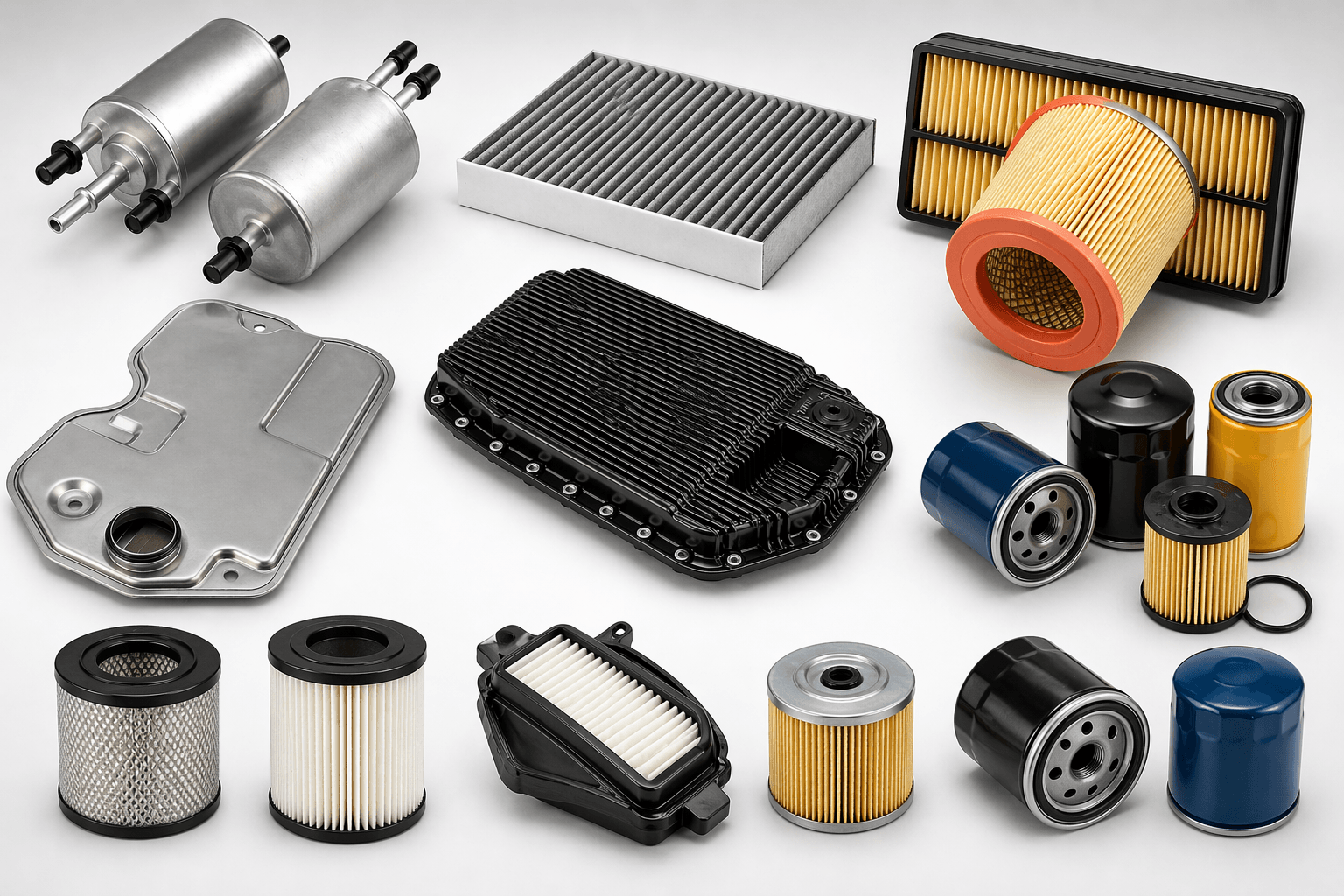
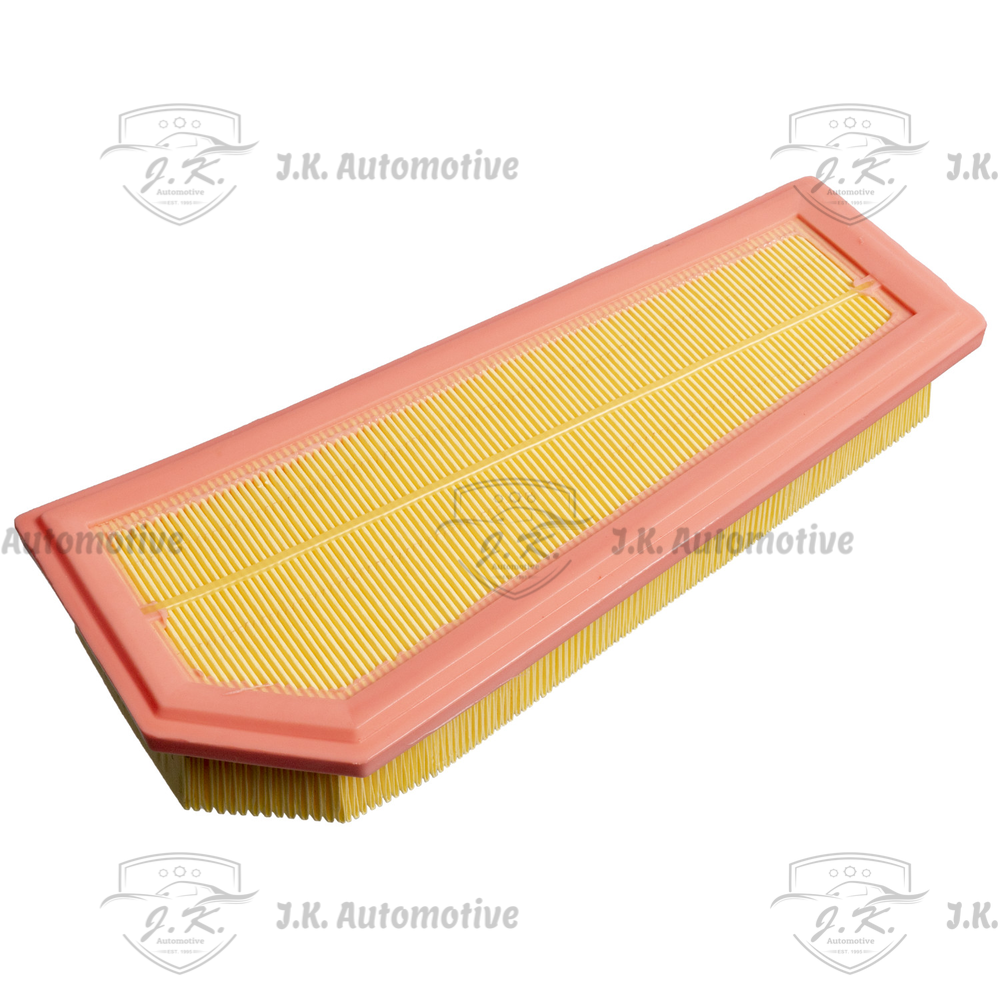
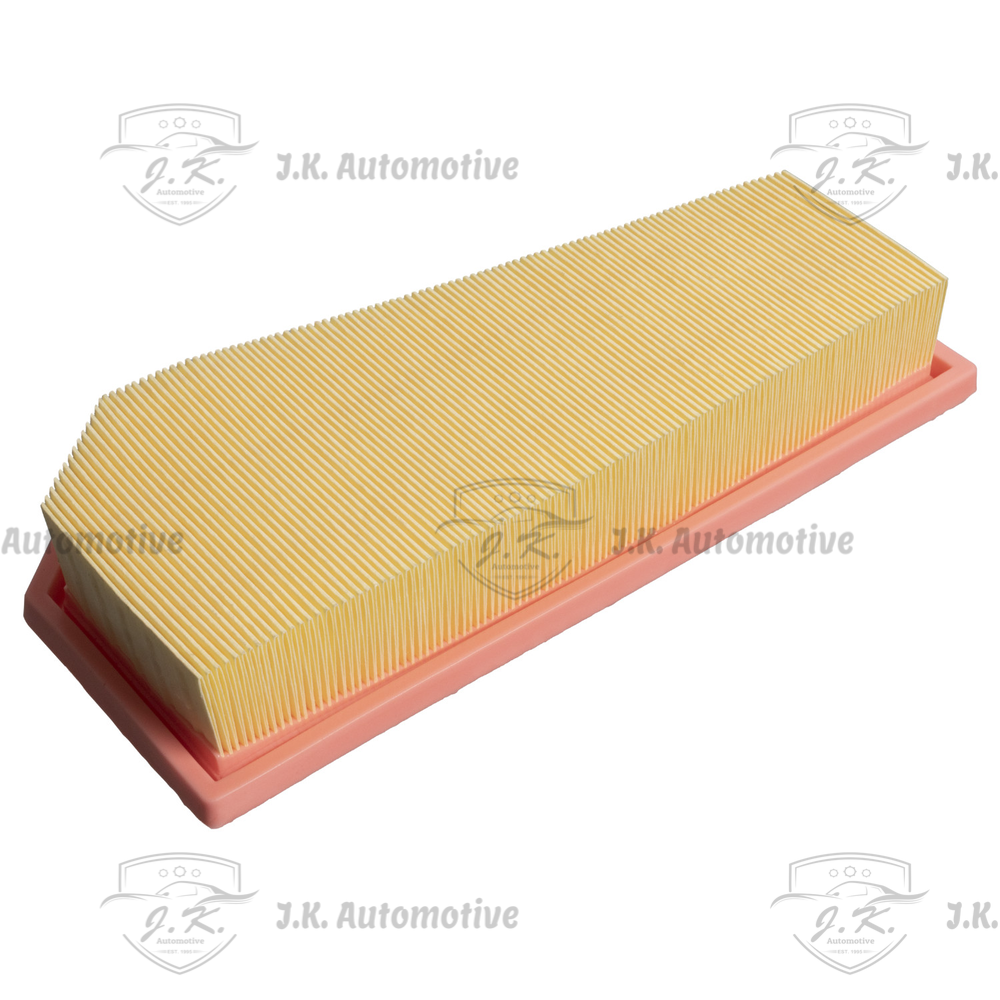
Yes. Mercedes C200 CGI Air Filter is specifically designed for Mercedes-Benz C-Class (W204) C200 CGI (204.048) models manufactured between 2007 and 2014. It is compatible with OEM part numbers A2710940100 and A2710940304. This Genuine Mercedes-Benz OEM air filter is engineered according to factory specifications to provide perfect fitment, excellent sealing and maximum filtration efficiency. It effectively removes dust, dirt, sand, pollen, soot and microscopic airborne contaminants before they enter the engine, ensuring cleaner combustion and reliable engine performance. Replacing the air filter at the recommended service interval improves fuel efficiency, restores factory engine performance and protects expensive engine components from premature wear. Before purchasing, always verify the OEM part number or VIN. Buying from JK Automotive guarantees 100% Genuine Mercedes-Benz OEM quality, expert compatibility verification, secure packaging and fast shipping across India.
Is this genuine air filter compatible with all petrol variants of the Mercedes-Benz C-Class W204 sold in India?
No, this genuine engine air filter with part numbers A 271 094 01 00 and A 271 094 03 04 is engineered strictly for specific turbocharged petrol variants and is not a universal fit for the entire W204 generation. It is explicitly designed for the facelifted C 200 CGI sedan (chassis code 204.048) sold in India between 2010 and 2014, which features the 1.8-litre M271 Evo turbocharged direct-injection petrol engine. It will not fit earlier W204 C 200 Kompressor models produced between 2007 and 2010, as those pre-facelift variants utilize an older supercharged setup with a different airbox geometry. Furthermore, this component is entirely incompatible with any diesel W204 models, such as the highly popular C 220 CDI or C 250 CDI, nor will it fit V6 petrol models like the C 230, C 250, or C 300. Because the W204 generation remains a highly prized premium sedan in India, verifying precise geometric fitment is absolutely vital to preventing turbocharger or engine damage. Before completing your purchase, please verify your vehicle's engine type or check the 17-digit Vehicle Identification Number (VIN) on your Indian registration smart card to confirm your chassis code matches 204.048.
Why do severe Indian road and climate conditions require a high-quality OEM Mercedes-Benz air filter?
Operating a luxury European sedan like the Mercedes-Benz C 200 in India presents a unique set of harsh environmental challenges that standard aftermarket filters cannot survive. Indian roads expose vehicles to extreme levels of ambient road dust, coarse construction debris, thick vehicular soot from commercial traffic, and intense seasonal pollen. This genuine OEM filter features premium-grade, resin-impregnated pleated cellulose media that is scientifically calibrated to trap microscopic particulates down to the micron level before they can reach your turbocharger. By preventing these highly abrasive Indian road particulates from entering the intake tract, you are directly protecting the sensitive compressor wheel of your turbocharger and guarding internal cylinder walls from catastrophic scoring. Beyond engine longevity, the structural integrity of the OEM design ensures a flawless, airtight seal within the factory airbox housing despite intense external stressors. Cheaper aftermarket alternatives often suffer from substandard rubber framing that warps under India's extreme under-hood engine temperatures, which frequently skyrocket during bumper-to-bumper city traffic in peak summer. This warping creates gaps where unfiltered, dusty air can bypass the filter entirely and cause irreversible damage.
How often do Indian climate and traffic conditions require me to replace the air filter on my C 200?
While the standard global manual recommends a replacement every 30,000 to 45,000 kilometres, India’s severe climate, extreme summer heat, and high dust load mandate that this maintenance interval be cut exactly in half. For optimal engine health, turbocharger protection, and smooth performance on Indian roads, you should replace this air filter every 15,000 kilometres, or at least once every 12 months, whichever comes first. Proactively adhering to this accelerated maintenance schedule prevents severe engine choking, boost drops, and premature turbocharger failure. If your daily commute involves navigating major metropolitan areas with high air pollution levels like Delhi-NCR, Mumbai, or Bengaluru, or if you frequently travel through dusty rural zones, your filter will clog significantly faster. Under these harsh driving conditions, it is highly recommended to visually inspect the filter element every 7,500 kilometres, typically coinciding with your routine intermediate oil check-ups. The combinations of intense Indian summer heat (exceeding 45°C in many regions) and heavy monsoon humidity can cause trapped organic debris like leaves and bugs to degrade quickly inside the airbox, forming a restrictive crust that chokes the intake system.
What are the specific symptoms of a clogged air filter on a Mercedes C 200 during hot Indian summers?
When your C 200's air filter becomes heavily loaded with dust and urban soot, it severely restricts the volume of oxygen required for clean, efficient internal combustion. During intense Indian summers, when ambient air is already less dense due to extreme heat, a clogged filter compounds the problem dramatically, especially with the air conditioning system constantly running at full blast. One of the most immediate symptoms you will notice is a palpable reduction in throttle response, an annoying increase in turbocharger lag, and sluggish acceleration when trying to overtake or merge onto highways. Because the turbocharged engine relies heavily on an unrestricted supply of air to build immediate boost pressure, a restricted intake starves the turbo, making the motor feel unusually flat and weak throughout the lower RPM range. As the restriction worsens in stop-and-go city traffic, the Engine Control Unit (ECU) will attempt to compensate for the reduced airflow by adjusting fuel injection parameters, leading to a noticeable drop in fuel economy and a rough, vibrating idle. In severe cases, the restricted airflow causes an incorrect air-fuel ratio that can trigger a "Check Engine" dashboard warning light, throwing specific fault codes related to mass airflow sensor deviations or boost pressure faults.
Is it safe to clean this genuine air filter by blowing it out with compressed air at a local garage?
No, this specific part number is a disposable, single-use component made from specialized cellulose paper media and cannot be cleaned, washed, or blown out with compressed air lines under any circumstances. In India, it is a very common roadside garage practice to blow compressed air through a dirty filter to "clean" it during a quick service, but this practice is highly discouraged by Mercedes-Benz technicians. High-pressure air blasts easily tear and destroy the microscopic resin-impregnated paper fibers, creating invisible holes in the cellulose material. These tiny, invisible tears completely ruin the filter’s micron-level protection, effectively turning the component into an open gateway for abrasive road dust to enter the turbocharger compressor and engine cylinders. Attempting to wash this filter with water, soaps, or local chemical solvents will completely destroy the structural integrity of the natural paper fibers, causing the media to swell, tear, or collapse. Once the fragile paper pleats are compromised by moisture or high-pressure air, the filter loses its structural ability to trap fine particulates, allowing dangerous debris to pass straight into your engine. Given the high cost of repairing premium forced-induction European engines in India, replacing the unit with a brand-new factory filter is the only safe course of action.
Can I install this air filter myself at home in India, and what specific tools are required?
Yes, replacing the air filter on a W204 C 200 is a highly straightforward Do-It-Yourself (DIY) project that can easily be completed in your home driveway or garage in roughly 15 to 20 minutes without professional help. The engine air box is located prominently on the upper side of the engine bay, making it highly accessible without needing to raise the vehicle or remove complex components. To complete the installation properly, you will generally need a standard Torx screwdriver or a matching socket driver, as Mercedes-Benz secures the upper airbox cover using multiple specialized Torx screws to ensure an absolutely airtight seal against the forced induction system. To begin the process, ensure your ignition is completely turned off and the engine bay has cooled down entirely, which is especially important after driving in hot Indian weather to prevent any accidental burns. Carefully loosen the retaining Torx screws around the perimeter of the plastic airbox cover, taking care not to completely drop or lose the screws in the tight spaces of the engine bay, as they are designed to remain captivated within the upper lid. Gently lift the plastic cover up to expose the old filter element, note its exact orientation, and pull it straight out of the housing slots. Before dropping in your new filter, take a clean microfiber cloth and carefully wipe away any loose dust, sand, or dried monsoon mud settled at the bottom of the lower airbox tray. Finally, slide the new filter firmly into place, ensuring the rubber sealing lip sits perfectly flush along the housing edges before lowering the lid and torqueing the screws back down hand-tight.
Why is regular air filter maintenance important for my Mercedes C200 CGI?
Regular replacement of the Mercedes C200 CGI Air Filter is essential for maintaining the efficiency and reliability of your Mercedes-Benz C-Class W204. Every drive exposes the intake system to dust, sand, soot and microscopic airborne contaminants that gradually reduce engine performance if not filtered properly. The Genuine Mercedes-Benz air filter, compatible with A2710940100 and A2710940304, captures these harmful particles while maintaining unrestricted airflow into the engine. Clean airflow improves combustion efficiency, throttle response, fuel economy and overall engine performance while protecting expensive components such as pistons, intake valves, airflow sensors and cylinder walls. As the filter becomes dirty, airflow decreases, causing reduced engine power, increased fuel consumption and additional engine stress. Genuine Mercedes-Benz air filters are manufactured using advanced OEM filtration technology that delivers exceptional filtration without compromising airflow. Replacing the air filter at the recommended service interval restores factory engine performance, extends engine life and reduces long-term maintenance costs. Purchasing from JK Automotive guarantees 100% Genuine Mercedes-Benz OEM quality, exact fitment, secure packaging, expert technical support and fast shipping across India.

Reviews
There are no reviews yet.