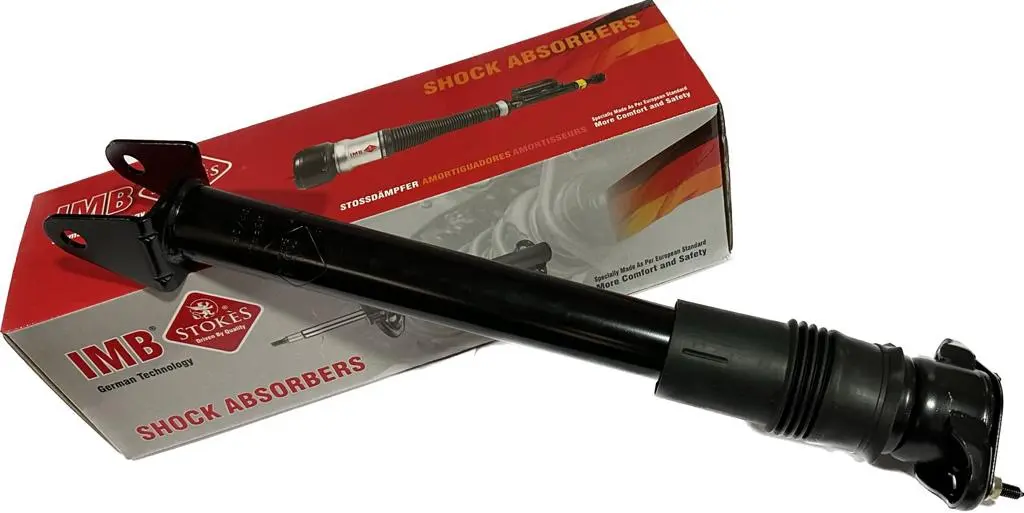
What is the Rear Shock Absorber Set A1663200030 / A1663201130 for Mercedes Benz GLS X166?
The Rear Shock Absorber Set A1663200030 / A1663201130 is supplied as a Set of 2 for the stated Mercedes Benz GLS X166 application with the supplied 2012–2019 year range and is specifically identified as Normal Type, making it important to confirm the actual rear suspension configuration installed on the vehicle before ordering or installation. Rear shock absorbers are damping components that control the compression and rebound movement of the rear suspension as the vehicle travels over bumps, depressions, road joints, uneven surfaces and changing road conditions. The springs in the suspension system support vehicle load and permit vertical wheel movement, while the shock absorbers regulate how quickly that movement occurs and how quickly the suspension settles after a road disturbance. Without effective damping, spring movement can continue as repeated oscillation, causing the rear of the vehicle to bounce or take longer to stabilize. During acceleration, braking and cornering, vehicle load transfers between the front, rear and sides, creating continuous changes in suspension movement. Rear dampers help control these movements and contribute to predictable suspension behaviour. This product is supplied as a pair, allowing both rear shock absorber positions to be addressed together where replacement of both sides is appropriate. The exact supplied references are A1663200030 and A1663201130 and these numbers should remain unchanged during product identification and compatibility verification. The product title does not assign either reference specifically to the rear left or rear right position, so an unsupported side allocation should not be invented. Because the product is specifically identified as Normal Type, it should not automatically be treated as interchangeable with an Airmatic, electric or otherwise different rear suspension component simply because another product is listed for Mercedes Benz GLS X166. Before ordering, compare the existing rear dampers with the replacement components and verify the suspension configuration, mounting arrangement and supplied references. Surrounding suspension parts such as bushes, control arms, mounts and stabiliser-related components should also be inspected when diagnosing rear suspension concerns. Correct product selection should therefore be based on Mercedes Benz GLS X166, Normal Type, Rear Shock Absorber Set of 2, references A1663200030 / A1663201130 and the supplied 2012–2019 application.
How do I confirm A1663200030 / A1663201130 Rear Shock Absorbers fit my Mercedes Benz GLS X166?
To confirm whether A1663200030 / A1663201130 Rear Shock Absorbers are suitable for the stated Mercedes Benz GLS X166, first verify that the vehicle uses the relevant Normal Type rear suspension configuration and then compare the existing components with the replacement set for reference information, construction, dimensions, mounting arrangement and applicable vehicle details rather than relying only on the GLS X166 model designation or supplied 2012–2019 year range. The suspension type is particularly important because different GLS X166 configurations may use different rear suspension components, and a Normal Type shock absorber should not automatically be assumed to replace an Airmatic, electric or otherwise different damping arrangement. Inspect the rear suspension currently installed on the vehicle and identify the type of damper being removed. Check any accessible identification information on the existing component and compare suitable vehicle-specific parts information with the supplied A1663200030 and A1663201130 references. Preserve both numbers exactly because changing even one digit can result in identification of a different component. The product is supplied as a Set of 2, but the supplied information does not assign the individual references to rear left or rear right, so that allocation should not be assumed without verified information. Physical comparison should include overall damper construction, upper mounting arrangement, lower mounting arrangement, attachment dimensions and any relevant brackets or locating features. If the vehicle has undergone previous suspension repairs, conversions or modifications, direct inspection becomes especially important because the currently installed suspension may differ from its original configuration. VIN-based parts information can provide an additional compatibility check where appropriate. Inspect both rear suspension positions because differences between the two sides may reveal previous replacement work or modifications. The replacement components should correspond naturally with the existing suspension without requiring drilling, cutting, welding, reshaping or improvised mounting. Related rear suspension components should also be inspected while compatibility is being assessed because bushes, control arms, mounts and stabiliser-related components can influence ride and noise. Final verification should therefore confirm Mercedes Benz GLS X166, Normal Type, Rear Shock Absorber Set of 2, A1663200030 / A1663201130 and the supplied 2012–2019 application.
What are the symptoms of worn Rear Shock Absorbers on Mercedes Benz GLS X166?
Worn Rear Shock Absorbers on the stated Mercedes Benz GLS X166 can potentially produce excessive rear bouncing, slower suspension settling after bumps, increased body movement over uneven roads, reduced control during changing road conditions, unusual rear suspension behaviour or irregular tyre wear, although these symptoms should be professionally diagnosed because bushes, control arms, mounts, stabiliser components, tyres and wheel geometry can produce similar effects. One of the most noticeable indications of deteriorated damping is that the rear suspension continues to move after the vehicle has already passed over a road disturbance. Instead of compressing and returning progressively, the suspension may oscillate several times before settling. This can become more noticeable when travelling over repeated road undulations or uneven surfaces. Rear damping also contributes to controlling vehicle-body movement as load transfers during acceleration, braking and cornering. If damping performance has significantly deteriorated, the rear of the vehicle may feel less settled as these forces change. However, unusual noises should not automatically be diagnosed as shock absorber failure because mounting components, bushes, control arms and stabiliser-related parts can generate knocking, rattling or movement. Inspect the physical condition of both rear shock absorbers and compare the two sides. Any visible concern should be evaluated together with actual damping behaviour rather than used as the sole diagnosis. Tyres should also be checked carefully because incorrect pressure, tyre damage, uneven wear or wheel-geometry issues can influence handling and ride quality. When inspecting the rear suspension, check bushes and joints for excessive movement and examine relevant mounting areas for deterioration. If the vehicle feels unstable only when heavily loaded, the complete rear suspension should be evaluated rather than assuming the dampers are solely responsible. Because this product is supplied as a Set of 2, both rear shock absorbers can be addressed together where inspection confirms replacement is appropriate. Before ordering, confirm that the vehicle uses the relevant Normal Type rear suspension. Verify references A1663200030 / A1663201130 and preserve the supplied Mercedes Benz GLS X166 2012–2019 application throughout compatibility checking.
Should Rear Shock Absorbers be replaced in pairs on Mercedes Benz GLS X166?
Replacing rear shock absorbers in pairs can be appropriate on the stated Mercedes Benz GLS X166 when both dampers have experienced similar mileage, age and operating conditions, because installing one new damper while retaining a substantially worn component on the opposite side can potentially create a difference in damping response across the rear axle, although the final repair decision should always follow inspection of both sides. This particular product is supplied as a Set of 2, allowing both rear positions to be addressed together where the vehicle uses the applicable Normal Type configuration. Shock absorbers work continuously whenever the suspension moves. Every bump, depression, road joint, acceleration event, braking event and cornering manoeuvre produces compression or rebound movement that the dampers must regulate. Over an extended service period, both rear dampers can therefore accumulate substantial operating cycles even if symptoms become noticeable first on only one side. A difference in damping performance between the two sides can influence how consistently the rear suspension responds to changing road conditions. For this reason, both sides should be inspected when one damper appears deteriorated. Check the physical condition of each shock absorber and assess the mounting areas and surrounding components. Bushes, control arms and other rear suspension joints should be inspected for deterioration or excessive movement because replacing the dampers will not correct a separate mechanical problem. Relevant stabiliser-related components should also be checked where knocking or looseness is present. Tyres should be inspected for irregular wear, physical damage and appropriate pressure because tyre-related issues can influence ride and handling. If wheel geometry has been affected by worn or replaced suspension components, alignment or geometry should be evaluated where appropriate. Before installing the pair, confirm that the vehicle uses the Normal Type rear suspension arrangement rather than another suspension configuration. The supplied references are A1663200030 and A1663201130 and should remain unchanged. Since no verified left/right allocation has been supplied for the two references, do not create one. Confirm Mercedes Benz GLS X166, Normal Type, Set of 2 and the supplied 2012–2019 application before replacement.
What is the difference between Normal Type and Airmatic Rear Shock Absorbers on Mercedes Benz GLS X166?
Normal Type and Airmatic rear suspension components for the Mercedes Benz GLS X166 should not automatically be treated as interchangeable because they relate to different suspension configurations, and this specific product is identified as a Normal Type Rear Shock Absorber Set of 2 with supplied references A1663200030 / A1663201130 for the stated 2012–2019 application. A conventional shock absorber primarily performs the damping function by controlling compression and rebound movement as the wheel and suspension respond to changing road surfaces. The spring provides the applicable supporting force within the suspension arrangement while the damper controls how rapidly suspension movement occurs and how quickly oscillation settles. An Airmatic suspension incorporates pneumatic functions and additional system components, so parts intended for that arrangement can have different construction, interfaces and operating requirements. For this reason, seeing the same Mercedes Benz GLS X166 model name on two product listings does not establish interchangeability. The actual suspension configuration installed on the vehicle must be identified before parts are ordered. Inspect the existing rear shock absorbers and surrounding suspension arrangement to determine whether the vehicle corresponds with the Normal Type application described here. If the vehicle has undergone a suspension conversion or significant previous repair, the currently installed configuration may differ from its original specification. In such cases, direct physical comparison becomes particularly important. VIN-based vehicle information can assist with determining original configuration, but the existing components should still be checked if modification history is uncertain. Compare upper and lower mounting arrangements and overall component construction. Do not attempt to make a Normal Type component fit an incompatible suspension arrangement through cutting, drilling, welding or improvised modification. The exact references A1663200030 and A1663201130 should be used during compatibility checking, while avoiding unsupported assumptions about left/right allocation. The vehicle's mounts, bushes, control arms and stabiliser-related components should also be inspected as part of the rear suspension assessment. Correct selection therefore requires confirmation of the Normal Type configuration, exact supplied references, Set of 2 specification and Mercedes Benz GLS X166 2012–2019 application.
What should be checked before installing Rear Shock Absorbers A1663200030 / A1663201130 on Mercedes Benz GLS X166?
Before installing Rear Shock Absorbers A1663200030 / A1663201130 on the stated Mercedes Benz GLS X166, verify the actual rear suspension configuration, confirm that the vehicle uses the applicable Normal Type arrangement, compare the replacement components with the existing dampers and inspect the surrounding suspension so that additional worn parts are not overlooked during the repair. Begin by checking the exact vehicle application and preserve the supplied 2012–2019 year range during identification. Confirm references A1663200030 and A1663201130 using suitable vehicle-specific information and compare them with any accessible identification on the existing components. The supplied product information identifies this as a Set of 2 but does not assign the individual references specifically to rear left or rear right, so no unsupported side allocation should be introduced. Physically compare the existing and replacement dampers before installation. Check overall length and construction, upper mounting arrangement, lower attachment configuration and relevant dimensions or locating features. The components should correspond naturally with the suspension and should not require drilling, cutting, welding or forced modification. Inspect the mounting areas for damage or deterioration before fitting new dampers. Check bushes and control arms for excessive movement, cracking or other visible wear. Relevant stabiliser-related components should be inspected when rear suspension knocking is present. Springs and their seating areas should also be checked where applicable to the installed suspension arrangement. Tyres should be inspected for irregular wear, correct pressure and physical condition because tyre issues can influence ride and handling symptoms. If there is evidence of previous suspension conversion, accident repair or modification, additional compatibility checks should be completed before installation. The vehicle should be safely supported using an appropriate workshop procedure, and suspension components should be handled according to suitable vehicle-specific service information. Fasteners and mounting hardware should be inspected and installed correctly. After replacement, verify that both rear dampers are securely mounted and that surrounding components are correctly positioned. Carry out an appropriate road or functional check and evaluate suspension geometry where required. Final verification should preserve Mercedes Benz GLS X166, Normal Type, Set of 2, A1663200030 / A1663201130 and the supplied 2012–2019 application.
How do Rear Shock Absorbers A1663200030 / A1663201130 work on Mercedes Benz GLS X166?
The Rear Shock Absorbers A1663200030 / A1663201130 for the stated Mercedes Benz GLS X166 work by controlling compression and rebound movement of the applicable rear suspension as the wheels travel over bumps, depressions, road joints, uneven surfaces and continuously changing road conditions, helping the suspension settle progressively instead of allowing uncontrolled repeated movement after every road disturbance. This product is specifically identified as Normal Type and supplied as a Set of 2 for the stated 2012–2019 application, making it important to confirm the actual suspension arrangement installed on the vehicle before ordering. Springs within the applicable suspension configuration provide supporting force and allow vertical wheel movement, while the shock absorbers provide damping resistance that regulates how quickly the suspension compresses and returns. When a rear wheel encounters a raised section of road, the suspension moves through its compression phase, and when the wheel passes beyond that disturbance, the suspension moves through rebound. Without sufficient damping, spring movement can continue through repeated oscillations rather than settling efficiently. Rear dampers therefore operate continuously while the vehicle is moving and not only when the vehicle encounters large bumps. Small road imperfections, changes in vehicle load, acceleration, braking and cornering all generate suspension movement that must be controlled. During acceleration, load distribution can shift toward the rear, while braking changes load distribution toward the front. Cornering changes loading between the sides of the vehicle. The rear shock absorbers help control the rate of suspension movement during these transitions. When damping performance deteriorates, the rear may feel less settled, particularly over repeated road irregularities. Both rear suspension positions should be evaluated because this product is supplied as a pair. The exact supplied references A1663200030 and A1663201130 should remain unchanged throughout identification. Since no verified left/right allocation was supplied, one should not be invented. Related mounts, bushes, control arms and stabiliser components should also be inspected because they influence rear suspension behaviour. Correct application therefore requires confirmation of Mercedes Benz GLS X166, Normal Type, Set of 2, references A1663200030 / A1663201130 and the supplied 2012–2019 year range.
Can worn Rear Shock Absorbers cause bouncing, instability or uneven tyre wear on Mercedes Benz GLS X166?
Worn Rear Shock Absorbers can contribute to excessive rear bouncing, slower suspension settling, increased body movement, reduced control over repeated uneven surfaces and potentially abnormal tyre-contact behaviour on the stated Mercedes Benz GLS X166, but these symptoms should be evaluated together with the complete rear suspension, tyres and wheel geometry because worn bushes, control arms, mounts, stabiliser components, incorrect tyre pressures and other mechanical conditions can create similar behaviour. When a shock absorber loses damping effectiveness, it becomes less capable of controlling the energy produced by spring and suspension movement. After the rear wheel encounters a bump, the suspension may therefore continue through additional compression and rebound cycles rather than returning progressively toward its normal position. This can make the rear of the vehicle feel bouncy or unsettled, especially when several road irregularities occur in quick succession. Vehicle load can make suspension symptoms more noticeable because additional passenger or luggage weight changes the forces acting through the rear suspension. During cornering, deteriorated damping may contribute to additional body movement, although complete handling behaviour depends on numerous suspension and tyre-related components. Tyre wear should also be assessed carefully. A worn damper can potentially contribute to inconsistent tyre contact under certain conditions, but unusual tread wear should never automatically be blamed on shock absorbers because alignment, tyre pressure, worn bushes, wheel condition and other geometry-related issues may be involved. Inspect both rear tyres and compare their wear patterns. Check both dampers for physical condition and assess the mounting areas. Inspect control arms and bushes for deterioration or excessive movement. Relevant stabiliser components should be examined where knocking or looseness is present. Springs and their associated seating areas should be inspected according to the installed suspension arrangement. Because this listing is specifically identified as Normal Type, confirm that the vehicle does not require another rear suspension configuration before ordering. The exact supplied references A1663200030 / A1663201130 should be checked against the actual application. If suspension components are replaced, an appropriate road check and evaluation of wheel geometry should be considered where required.
How can I diagnose worn Rear Shock Absorbers on Mercedes Benz GLS X166 before replacement?
Diagnosing worn Rear Shock Absorbers on the stated Mercedes Benz GLS X166 should involve evaluating suspension movement, vehicle behaviour, the physical condition of both dampers, mounting points, related suspension components, tyres and wheel geometry rather than replacing the shock absorbers simply because the vehicle has developed a noise or feels different over rough roads. Begin by observing whether the rear suspension settles normally after travelling over bumps and depressions. If the rear continues moving through repeated oscillations after the road disturbance has passed, reduced damping performance may be one possible cause. Compare behaviour on different road surfaces because a symptom that appears only under one particular condition may require broader diagnosis. Pay attention to whether the rear feels unusually unsettled when travelling over a sequence of road undulations, during changes in load or during normal cornering. A professional workshop inspection should compare both rear shock absorber positions because this product is supplied as a Set of 2 and both original dampers may have accumulated similar operating cycles. Inspect the shock absorber bodies and mounting areas for visible concerns, but do not rely solely on external appearance because damping condition cannot always be determined from appearance alone. Examine upper and lower mounting areas and associated bushes where applicable. Control arms and suspension bushes should be checked for excessive movement, cracking or deterioration. Relevant stabiliser components should be inspected if knocking occurs over smaller road irregularities. Springs and seating components should also be examined according to the suspension configuration installed on the vehicle. Tyres should be inspected for pressure, damage and abnormal wear patterns. If the vehicle pulls, feels directionally unstable or displays unusual tyre wear, wheel geometry should also be checked. It is particularly important to establish whether the vehicle uses the Normal Type suspension described in this listing rather than another rear suspension arrangement. Compare the existing dampers physically with the replacement components and verify references A1663200030 and A1663201130 through suitable vehicle-specific information. The supplied product information does not establish an individual left/right assignment for these two references, so avoid creating one without verification. A complete diagnosis should identify the actual source of the symptoms before replacement and preserve the supplied Mercedes Benz GLS X166 2012–2019 application.
What other suspension parts should be inspected when replacing Rear Shock Absorbers on Mercedes Benz GLS X166?
When replacing the Rear Shock Absorbers on the stated Mercedes Benz GLS X166, the surrounding rear suspension should be inspected thoroughly because installing new dampers will not correct noise, looseness, instability or abnormal tyre wear caused by a separate worn component, and identifying related wear during the same repair can help establish the actual condition of the rear suspension system. Begin with the shock absorber mounting locations and associated bushes or hardware because deterioration in these areas can allow unwanted movement or produce noise even when the damper itself is functioning correctly. Inspect the relevant rear suspension arms and their bushes for cracking, separation, deformation or excessive movement. Joints should be evaluated for play according to an appropriate workshop procedure. Springs and their seating areas should be inspected where applicable to the Normal Type suspension arrangement, looking for damage, abnormal positioning or other visible concerns. Stabiliser-related components should also be checked because worn links, bushes or attachment points can create knocking over small bumps and may initially be mistaken for a shock absorber problem. Examine both sides rather than inspecting only the side where a symptom appears because suspension components on the same axle can experience similar mileage and environmental exposure. Rear tyres should be inspected carefully for irregular tread wear, physical damage and correct inflation pressure. Abnormal wear may indicate an unresolved suspension or geometry concern, although tyre wear should not be used as proof of shock absorber failure by itself. Wheel and tyre condition should also be considered when investigating vibration or instability. If suspension arms, bushes or other geometry-influencing components are disturbed during the repair, wheel alignment or suspension geometry should be evaluated as appropriate. The existing dampers should be compared with the replacement Set of 2 before installation, including their upper and lower attachment arrangements and overall construction. Because the product is specifically described as Normal Type, confirm that the actual vehicle uses the relevant rear suspension configuration. Preserve the exact references A1663200030 / A1663201130 during compatibility verification and do not assign either number to a particular rear side unless verified information supports it. The final installation should correspond with the supplied Mercedes Benz GLS X166 2012–2019 application without forced modification.
How do I know if the Rear Shock Absorbers are bad on my Mercedes Benz GLS X166?
The Rear Shock Absorbers on a Mercedes Benz GLS X166 may require further inspection or replacement when the rear of the vehicle repeatedly bounces after passing over bumps, takes noticeably longer to settle after road disturbances, feels increasingly unsettled over consecutive uneven surfaces, displays excessive body movement during changing driving conditions, develops abnormal suspension behaviour or shows tyre-wear patterns that suggest a broader suspension problem, but none of these symptoms should be treated as proof of shock absorber failure without inspecting the complete rear suspension. A useful starting point is to observe how the vehicle behaves after crossing a bump or depression. A properly controlled suspension should compress and rebound in a progressively controlled manner, while significantly deteriorated damping may allow the rear to continue moving after the initial road input has passed. Pay attention to repeated undulations because reduced damping can become easier to notice when the suspension receives several inputs in rapid succession. Changes in passenger or luggage load can also affect how suspension symptoms present because additional weight changes the forces acting through the rear axle. During cornering or lane changes, excessive rear body movement may justify further suspension inspection, although tyres, bushes, springs and other chassis components can influence the same behaviour. Noise should be diagnosed separately because a rear knocking sound may originate from a mounting point, bush, control arm, stabiliser-related component or another mechanical connection rather than the internal shock absorber mechanism. Inspect both rear dampers and their upper and lower mounting locations. Check surrounding suspension arms and bushes for excessive movement or visible deterioration. Inspect relevant springs and stabiliser components according to the vehicle's installed suspension arrangement. Examine both rear tyres for pressure, damage and unusual tread patterns, and evaluate wheel geometry when symptoms indicate a possible alignment issue. Since this replacement product is specifically identified as Normal Type, establish that the vehicle uses the corresponding suspension configuration before ordering. Verify A1663200030 / A1663201130 against the actual application and compare the replacement components physically with the existing dampers. Because the supplied information does not specify an individual left/right assignment for these references, do not introduce one without reliable verification. For this listing, compatibility should retain the supplied Mercedes Benz GLS X166, Normal Type, Set of 2 and 2012–2019 application.





Reviews
There are no reviews yet.