Why should you choose the Stokes Germany Cabin Air Filter for Mercedes-Benz C-Class W205 C 300 d (205.018)?
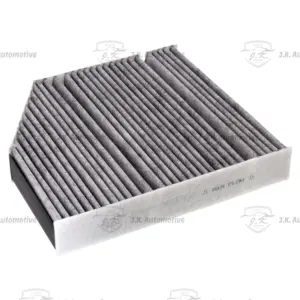
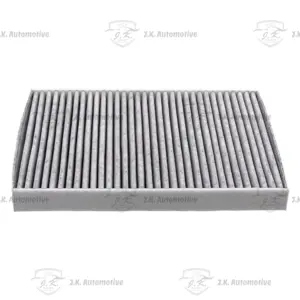
The Stokes Germany Cabin Air Filter is advertised as an aftermarket passenger-compartment filtration component for Mercedes-Benz C-Class (W205) C 300 d (205.018), covering 2014 – 2021. The cabin air filter forms part of the vehicle's HVAC system. This system manages heating, ventilation, and air conditioning. Outside air may contain dust and other suspended contaminants. Pollen may also be present in the surrounding atmosphere. Roadside activity can increase airborne particulate exposure. A correctly specified cabin filter helps capture certain particles passing through its filtration media. This supports the intended cleanliness of filtered ventilation air entering the passenger compartment. The Stokes Cabin Air Filter Mercedes C300 d W205 is intended for customers researching an aftermarket cabin filter replacement. Its advertised OEM references are A1668300018 / A1668300218 / A4638301102 / A2068351500 / A2068307903. Each reference requires verification against reliable Mercedes-Benz parts documentation. Their inclusion together does not establish interchangeability. The original cabin filter should be identified before purchasing. Vehicle identification information may assist with selecting the correct component. Different HVAC configurations may require different filter elements. The installed filter housing must be confirmed. Replacement dimensions should correspond to the original component. External shape must also match. The sealing perimeter should fit the housing correctly. Poor sealing may permit unfiltered air to bypass the filtration media. Suitable filter construction helps retain certain airborne particles. Actual particle retention depends on the product's technical characteristics. Dirt-holding capacity influences how much contamination the element can accommodate. Airflow resistance must remain appropriate for the ventilation system. Excessive restriction may reduce airflow from the cabin vents. However, a cabin filter does not independently generate cooling. Refrigeration components perform separate air-conditioning functions. A filter replacement cannot repair a defective compressor. It cannot restore a failed blower motor. It also cannot correct refrigerant leakage. Some cabin filters incorporate activated-carbon media. Such construction must be confirmed for the actual product. HEPA performance should not be claimed without technical evidence. Antibacterial and antiviral properties also require substantiation. A new filter cannot guarantee elimination of every unpleasant odour. Some smells originate from moisture in the HVAC system. The applicable Mercedes-Benz maintenance schedule should guide replacement timing. A universal mileage interval should not be invented. Dust exposure varies across Indian driving environments. The filter must fit without modification. Airflow-direction markings should be followed where provided. The housing cover must close securely. Ventilation operation should be checked after installation. JK Automotive offers the advertised Stokes Germany cabin air filter for Mercedes-Benz owners and professional workshops in India. Verified compatibility and appropriate maintenance support the intended passenger-compartment filtration system.
How does the Stokes Germany Cabin Air Filter help reduce dust, pollen, and airborne particles in the Mercedes-Benz C300 d W205 passenger cabin?
The Stokes Cabin Air Filter Mercedes C300 d W205 is advertised as an aftermarket cabin ventilation filtration component. The Mercedes-Benz HVAC system circulates air through designated ducts and outlets. Depending on ventilation settings, outside air may enter the system. Atmospheric air can contain dust. Pollen may also be present in the environment. Fine airborne debris may originate from roads and nearby construction. A correctly specified filter helps capture certain particles passing through its media. This reduces the movement of some suspended contaminants through the filtered airflow pathway. However, filtration effectiveness depends on the element's technical design. Filter media composition influences particle retention. Filter surface area may affect contamination capacity. Dirt-holding capacity determines how much debris the element can accommodate. Airflow resistance is another important consideration. Excessive restriction can reduce ventilation airflow. The advertised application is Mercedes-Benz C-Class (W205) C 300 d (205.018), covering 2014 – 2021. Its supplied references are A1668300018 / A1668300218 / A4638301102 / A2068351500 / A2068307903. Their compatibility requires confirmation against the original filter. The installed HVAC housing must be identified. Replacement dimensions should match the existing component. External geometry must also correspond. The sealing perimeter must be compatible. Poor sealing can permit air to bypass the media. Certain cabin filters contain activated-carbon layers. Such media may adsorb some gaseous contaminants under appropriate conditions. However, activated-carbon construction has not been confirmed for this product. HEPA filtration should not be assumed. Antibacterial performance requires supporting technical documentation. Antiviral claims also require suitable evidence. A standard particulate filter cannot guarantee removal of every airborne contaminant. It cannot independently eliminate all cabin odours. Moisture in HVAC components may produce persistent smells. Evaporator contamination may require separate attention. The filter does not control refrigerant pressure. It cannot independently repair an air-conditioning compressor. The blower motor performs a separate airflow function. Weak ventilation may have several causes. Electrical faults can affect blower performance. Air-distribution flap faults may also influence ventilation. The existing filter should be inspected during maintenance. Accumulated housing debris should be removed carefully where appropriate. The replacement must be seated correctly. Directional markings should be observed where present. The housing cover should be secured. Ventilation airflow should be checked after installation. JK Automotive offers the advertised Stokes Germany cabin filter for Mercedes-Benz owners and workshops in India. Appropriate maintenance and verified fitment support the intended HVAC filtration system.
What are the symptoms of a dirty, restricted, or incorrectly installed cabin air filter in the Mercedes-Benz C-Class W205 C 300 d?
Cabin air filters accumulate suspended particles as air moves through their filtration media. Dust may build up during normal vehicle use. Pollen and other airborne debris can also contribute contamination. The loading rate depends on environmental conditions. A correctly specified filter helps retain some of these particles. Over time, trapped contamination reduces the remaining dirt-holding capacity. Excessive loading may increase resistance to airflow. Severe restriction can contribute to reduced ventilation from cabin outlets. However, weak airflow does not automatically prove filter blockage. The Stokes Cabin Air Filter Mercedes C300 d W205 is advertised for Mercedes-Benz C-Class (W205) C 300 d (205.018), covering 2014 – 2021. Its supplied OEM references are A1668300018 / A1668300218 / A4638301102 / A2068351500 / A2068307903. These references require confirmation against the original cabin filter. Reduced airflow may justify inspection. However, blower motor faults can cause similar symptoms. Electrical control problems may also affect ventilation. Air-distribution flap faults can reduce airflow from particular vents. Damaged or obstructed ducting may influence performance. Unusual ventilation noise may warrant inspection. However, noise does not independently establish filter restriction. Unpleasant cabin odours may develop for different reasons. A contaminated filter may contribute to certain smells. Moisture within HVAC components can also cause odours. Replacing the filter cannot guarantee complete odour removal. Window misting can have several causes. Cabin humidity is one possible factor. Defogging settings also influence window clearing. Air-conditioning operation may affect demisting. A cabin filter cannot repair refrigerant leakage. It cannot restore a defective compressor. It also cannot independently correct blower motor failure. The original cabin filter should be inspected during servicing. A distorted element may not seal correctly. Incorrect dimensions can prevent proper seating. Poor sealing may allow unfiltered airflow. Damaged housing clips can cause installation problems. The applicable manufacturer maintenance schedule should guide replacement. A universal service mileage should not be invented. Relevant severe-service guidance may apply under dusty conditions. Such guidance should be confirmed through manufacturer documentation. Replacement dimensions must correspond to the original element. Directional markings should be followed where provided. Housing debris should be removed carefully. Cleaning should avoid damaging nearby components. The replacement must fit without modification. The housing cover must be secured. Ventilation performance should be checked after installation. Persistent HVAC symptoms require professional diagnosis. JK Automotive offers the advertised Stokes Germany cabin filter for Mercedes-Benz owners and professional workshops in India. Verified compatibility and appropriate servicing support the intended passenger-compartment filtration system.
Is the Stokes Germany Cabin Air Filter compatible with Mercedes-Benz C-Class W205 C 300 d (205.018), and how do OEM A1668300018 / A1668300218 / A4638301102 / A2068351500 / A2068307903 identify the correct replacement?
Accurate compatibility verification is essential when selecting a cabin air filter for Mercedes-Benz C-Class (W205) C 300 d (205.018). The correct component depends on the installed HVAC filter arrangement. The Stokes Germany cabin filter is advertised for this vehicle. Its supplied years are 2014 – 2021. These years remain exactly as provided. The advertised references are A1668300018 / A1668300218 / A4638301102 / A2068351500 / A2068307903. All five references require verification through reliable Mercedes-Benz parts documentation. Their inclusion together does not establish interchangeability. The A166 reference family should be checked against the installed vehicle configuration. The A463 reference requires separate confirmation. The A206 references must also be verified individually. Part-number prefixes alone cannot establish compatibility with a W205. The original cabin filter should be identified before ordering. Vehicle identification information may assist with accurate selection. The installed HVAC filter housing must also be confirmed. Different Mercedes-Benz configurations may require different elements. Replacement dimensions must match the original component. External geometry should correspond. Sealing surfaces must be compatible. Incorrect sealing may permit air to bypass the filter media. The housing cover should close correctly. Retaining clips must engage securely. Airflow-direction markings should be followed where provided. Filtration media specifications should be reviewed when available. Activated-carbon construction should not be assumed. HEPA-level filtration requires supporting test documentation. Antibacterial claims also require technical evidence. Similar-looking cabin filters may differ in dimensions. Product photographs alone cannot confirm exact compatibility. Manufacturer-supported cross-reference information should be reviewed. Any claimed OEM supersession requires verification. A1668300018 should be checked against manufacturer records. A1668300218 requires separate confirmation. A4638301102 must also be verified independently. A2068351500 should be checked against the original HVAC configuration. A2068307903 requires individual confirmation. The relationship among all five references must be established before treating them as interchangeable. The replacement must fit without modification. Professional confirmation is recommended if compatibility remains uncertain. The original housing should be inspected for contamination. Cleaning must not damage nearby HVAC components. The new filter should be seated correctly. The housing cover should be secured. Ventilation operation should be checked after servicing. JK Automotive customers should verify all five references before purchasing. Accurate component identification helps reduce incorrect orders and HVAC maintenance complications.
Where can you buy the Stokes Germany Cabin Air Filter for Mercedes-Benz C300 d W205 Online India, and why is OEM verification important?
Customers searching for the Stokes Germany Cabin Air Filter for Mercedes-Benz C300 d W205 Online India can explore the advertised product through JK Automotive. The online catalogue includes cabin filtration and automotive maintenance components for selected Mercedes-Benz vehicles. Owners may search using their complete vehicle designation. Professional workshops may also search using original equipment numbers. The advertised application is Mercedes-Benz C-Class (W205) C 300 d (205.018). Its supplied years are 2014 – 2021. The listed references are A1668300018 / A1668300218 / A4638301102 / A2068351500 / A2068307903. These numbers may help buyers locate the product listing. However, a commercial title alone cannot establish guaranteed compatibility. All five references require verification. Their interchangeability should not be assumed. The installed HVAC filter arrangement must be identified. Vehicle identification information may assist with correct selection. The original cabin filter should also be inspected. Replacement dimensions must correspond. External shape should match the installed housing. Sealing geometry is particularly important. Poor sealing may allow unfiltered air to bypass the media. The replacement must fit without modification. The housing should close securely. Directional markings should be followed where applicable. The actual filtration media should be confirmed. Activated-carbon properties should not be assumed. HEPA performance requires technical evidence. Antibacterial claims also require documentation. Similar-looking cabin filters may differ in specification. Product photographs alone cannot establish fitment. Manufacturer-supported supersession records should be reviewed. Customers should check actual product specifications. Current selling prices should be confirmed. Stock availability may change. Shipping arrangements should be reviewed. Applicable return conditions should also be checked. Workshops should verify fitment before scheduling replacement. A correctly specified cabin filter helps capture certain suspended particles. Appropriate filtration supports the intended cleanliness of cabin ventilation air. However, a replacement filter cannot independently repair blower motor faults. It cannot restore a defective air-conditioning compressor. It also cannot guarantee complete odour removal. Manufacturer maintenance recommendations should guide replacement timing. The old filter should be removed carefully. Accumulated housing debris should be managed appropriately. The replacement should be seated correctly. The housing cover should be secured. Ventilation operation should be checked after installation. Customers can explore Stokes Germany cabin filters at
https://jkautomotive.co.in/. All five references should be verified against the original required component before purchasing. Accurate parts selection helps reduce incorrect orders and maintenance complications. Verified compatibility and appropriate maintenance support the intended passenger-compartment filtration system.
Why should Stokes Germany be considered alongside MANN-FILTER, MAHLE, HENGST, FEBI and MEYLE for the Mercedes-Benz C300 d W205 cabin air filter?
The Stokes Cabin Air Filter Mercedes C300 d W205 is advertised as an aftermarket passenger-compartment filtration component for Mercedes-Benz C-Class (W205) C 300 d (205.018), covering 2014 – 2021. Mercedes-Benz owners may compare different cabin filtration brands before purchasing replacement components. MANN-FILTER manufactures cabin filters for numerous vehicle applications. MAHLE also develops filtration products for automotive HVAC systems. HENGST supplies cabin filtration components for selected European vehicles. FEBI markets aftermarket automotive maintenance products. MEYLE offers replacement filtration components for compatible vehicle applications. However, the exact product coverage of each brand must be checked separately. Not every manufacturer necessarily supplies the correct filter for this HVAC arrangement. Brand reputation alone does not establish technical compatibility. The advertised OEM references are A1668300018 / A1668300218 / A4638301102 / A2068351500 / A2068307903. These references require verification through reliable Mercedes-Benz parts records. Their inclusion together does not establish interchangeability. Cabin air filters help retain certain airborne particles entering the ventilation system. Dust can accumulate within the filter media during normal operation. Pollen may also contribute to contamination loading. Suitable filtration helps reduce the movement of some suspended particles through the filtered airflow pathway. However, actual performance depends on the individual filter design. Media construction influences particle retention. Filter surface area may affect contamination capacity. Dirt-holding capacity determines how much debris the element can accommodate. Airflow resistance must remain appropriate for the blower system. Excessive restriction may reduce ventilation airflow. Correct external dimensions are essential. The sealing perimeter must match the original housing. Poor sealing can allow unfiltered air to bypass the media. Some cabin filters contain activated-carbon layers. Such layers may adsorb certain gaseous contaminants under suitable conditions. However, activated-carbon construction must be verified for the actual Stokes Germany product. HEPA claims also require product-specific evidence. Antibacterial properties cannot be assumed without supporting technical information. No comparative laboratory test results have been supplied for these brands in the exact application. It would therefore be unsupported to claim superior measured filtration efficiency for Stokes Germany. Higher prices do not independently establish better filtration. Lower prices do not automatically indicate inferior quality. Buyers should compare verified specifications. Product authenticity is another important consideration. The original cabin filter must be identified. Vehicle identification information may assist with selection. Manufacturer-supported cross-reference records should be reviewed. The replacement must fit without modification. Airflow-direction markings should be followed where provided. The housing must close securely. Ventilation performance should be checked after installation. JK Automotive offers the advertised Stokes Germany cabin filter for Mercedes-Benz owners and workshops in India. Verified compatibility and documented technical specifications should guide the purchasing decision.
What is the difference between a genuine Mercedes-Benz C300 d W205 cabin air filter and a Stokes Germany aftermarket cabin air filter?
A genuine Mercedes-Benz cabin air filter is supplied through the vehicle manufacturer's genuine-parts network. Its intended application can be established through authoritative Mercedes-Benz parts documentation. A Stokes Germany cabin filter is marketed as an aftermarket replacement component. Both genuine and appropriately specified aftermarket filters are intended to manage certain airborne particles entering compatible vehicle ventilation systems. However, their construction and technical characteristics may differ. The Stokes Cabin Air Filter Mercedes C300 d W205 is advertised for Mercedes-Benz C-Class (W205) C 300 d (205.018), covering 2014 – 2021. Its supplied references are A1668300018 / A1668300218 / A4638301102 / A2068351500 / A2068307903. These numbers must be checked against the original required cabin filter. Their inclusion together does not prove interchangeability. The installed HVAC configuration must be identified. Vehicle identification information may help determine the correct original part. Genuine Mercedes-Benz filters should be selected using manufacturer-supported parts information. A suitable aftermarket element must match the original dimensional requirements. External geometry should correspond to the installed housing. Sealing surfaces must also be compatible. Incorrect sealing may allow unfiltered air to bypass the media. Filtration media construction influences particle retention. Dirt-holding capacity may vary between products. Airflow resistance is another important characteristic. Certain cabin filters contain activated-carbon media. Other filters may primarily provide particulate filtration. The actual construction of the Stokes Germany element should be confirmed. Genuine and aftermarket products should not automatically be described as technically identical. Reliable comparative testing would be required to establish equivalent measured filtration performance. Activated-carbon functionality should not be assumed. HEPA performance requires supporting technical evidence. Antibacterial or antiviral claims must also be substantiated. Packaging may differ between manufacturers. Warranty arrangements can vary. Selling prices may change. Stock availability may also differ. These commercial differences do not independently establish product quality. Buyers should prioritise authenticity and verified fitment. The original filter reference must be identified. Claimed manufacturer supersessions require confirmation. All five supplied references should be checked. Similar-looking filters may have different dimensions. Product photographs alone cannot prove compatibility. The replacement should fit without modification. Directional markings should be followed. The housing must close securely. A new filter cannot repair a failed blower motor. It cannot independently correct air-conditioning compressor faults. It also cannot guarantee elimination of all unpleasant odours. Professional confirmation is recommended where fitment remains uncertain. JK Automotive offers the advertised Stokes Germany cabin filter for Mercedes-Benz owners and professional workshops in India. Accurate parts identification and appropriate servicing support the intended passenger-compartment ventilation system.
How does the Stokes Germany Cabin Air Filter support dust filtration, pollen management, HVAC airflow, and passenger comfort in the Mercedes-Benz C300 d W205?
The Stokes Cabin Air Filter Mercedes C300 d W205 is advertised as an aftermarket HVAC filtration component for a compatible Mercedes-Benz ventilation system. The HVAC system moves air through designated ducts and outlets. Depending on the selected operating mode, outside air may enter the passenger compartment. Atmospheric air can contain suspended dust particles. Pollen may also be present. Other airborne debris may originate from roads and surrounding activity. A correctly specified cabin filter helps retain some particles within its media. This reduces the movement of certain contaminants through the filtered airflow pathway. However, actual filtration performance depends on the element's technical construction. Media composition influences particle retention. Filter surface area can affect contamination capacity. Dirt-holding capacity determines how much debris the element can accommodate. Airflow resistance must remain suitable for normal ventilation. Excessive restriction may reduce the amount of air supplied through cabin vents. The cabin filter does not independently generate airflow. The blower motor performs that function. Air-distribution components control airflow through different outlets. Separate refrigeration components provide air-conditioning cooling. A cabin filter cannot independently cool the vehicle interior. The advertised application is Mercedes-Benz C-Class (W205) C 300 d (205.018), covering 2014 – 2021. Its supplied OEM references are A1668300018 / A1668300218 / A4638301102 / A2068351500 / A2068307903. These references require fitment verification. The original HVAC housing must be identified. Replacement dimensions should correspond. External shape must match. Sealing surfaces must be compatible. Poor sealing may allow unfiltered air to bypass the media. Directional markings should be followed where provided. Certain cabin filters contain activated-carbon layers. Such media may adsorb some gaseous contaminants. However, this feature has not been established for the advertised product. Odour removal should not be guaranteed. Some unpleasant smells originate from damp HVAC components. Evaporator contamination may require separate attention. A cabin filter cannot repair refrigerant leakage. It cannot restore a defective compressor. Electrical faults can affect blower operation. Air-distribution flap problems may also reduce airflow. Window misting may involve cabin humidity. Defogging settings remain important. Filter restriction is only one possible cause of HVAC complaints. Persistent symptoms require professional diagnosis. The existing filter should be removed carefully. Accumulated housing debris should be managed appropriately. The replacement should be seated correctly. The cover must be secured. Ventilation operation should be checked after servicing. JK Automotive offers the advertised Stokes Germany cabin air filter for Mercedes-Benz owners and workshops in India. Verified fitment and proper maintenance support the intended passenger-compartment filtration system.
How often should the Stokes Germany Cabin Air Filter be replaced in the Mercedes-Benz C300 d W205 under Indian driving conditions?
Cabin air filter replacement should follow the applicable Mercedes-Benz maintenance recommendations for the installed HVAC system. Different vehicle configurations may require different filter elements. The original component should therefore be identified before replacement. The Stokes Cabin Air Filter Mercedes C300 d W205 is advertised for Mercedes-Benz C-Class (W205) C 300 d (205.018), covering 2014 – 2021. Its supplied references are A1668300018 / A1668300218 / A4638301102 / A2068351500 / A2068307903. These numbers require verification through reliable manufacturer parts records. Their interchangeability should not be assumed. A universal replacement mileage should not be invented. The applicable manufacturer service schedule should remain the primary reference. Cabin filters capture certain particles entering the filtered ventilation pathway. Dust exposure varies across different environments. Construction activity can increase airborne particulate matter. Some urban roads expose vehicles to substantial suspended dust. Pollen concentrations may also change seasonally. These conditions can influence filter loading. However, they do not establish one universal shortened maintenance interval. Manufacturer severe-service recommendations should be considered where applicable. The existing filter may be inspected during routine servicing. Accumulated contamination can increase resistance to airflow. However, visible dust alone does not prove severe restriction. Reduced ventilation may justify filter inspection. A defective blower motor can create similar symptoms. Electrical control problems may also affect airflow. Air-distribution flap faults may influence particular vents. Persistent odours can originate from several HVAC components. Moisture within the system may contribute to unpleasant smells. Replacing the filter cannot guarantee complete odour removal. Window misting may involve different factors. Cabin humidity is one consideration. Suitable defogging settings also matter. The original cabin filter housing must be identified. Replacement dimensions should correspond to the original element. Sealing surfaces must match. The filter should fit without modification. Airflow-direction markings should be followed where provided. Accumulated housing debris should be removed carefully. Cleaning must not damage nearby components. The replacement should be positioned correctly. The housing cover must be secured. Ventilation operation should be checked after installation. Persistent HVAC concerns require qualified diagnosis. JK Automotive offers the advertised Stokes Germany cabin filter for Mercedes-Benz owners and workshops in India. Suitable maintenance timing and verified compatibility support routine cabin filtration servicing.
Where can you buy the Stokes Germany Cabin Air Filter for Mercedes-Benz C300 d W205 Online India, and how should all five OEM references be verified?
Customers searching for the Stokes Germany Cabin Air Filter for Mercedes-Benz C300 d W205 Online India can explore the advertised product through JK Automotive. The online catalogue includes cabin filtration components for selected Mercedes-Benz vehicles. Owners may search using their complete model designation. Professional workshops may also search using original equipment part references. The advertised application is Mercedes-Benz C-Class (W205) C 300 d (205.018). Its supplied years are 2014 – 2021. The listed references are A1668300018 / A1668300218 / A4638301102 / A2068351500 / A2068307903. These numbers may help buyers locate the advertised listing. However, the product title cannot independently establish guaranteed compatibility. All five references require verification. Their interchangeability should not be assumed. The installed HVAC filtration arrangement must be identified. Vehicle identification information may assist with accurate parts selection. The original cabin air filter should also be inspected. Replacement dimensions must correspond. External shape must match the housing. Sealing geometry must be compatible. Incorrect sealing can permit unfiltered air to bypass the element. The replacement should fit without modification. The housing cover should close correctly. Airflow-direction markings should be observed. The actual filtration media specification should be reviewed. Activated-carbon functionality must not be assumed. HEPA claims require evidence. Antibacterial properties also require supporting documentation. Similar-looking cabin filters may differ in construction. Product photographs alone cannot prove fitment. Any claimed manufacturer supersession requires verification. Customers should review actual product specifications. Current selling prices should be checked. Stock availability may change. Shipping arrangements should be reviewed. Applicable return conditions should also be confirmed. Workshops should establish compatibility before scheduling replacement. A correctly specified cabin filter helps retain certain airborne contaminants. Suitable filtration supports the intended cleanliness of filtered ventilation air. However, a replacement filter cannot independently repair a blower motor. It cannot restore a defective air-conditioning compressor. It also cannot guarantee complete odour elimination. Manufacturer maintenance recommendations should guide replacement timing. The original filter must be removed carefully. Housing debris should be managed appropriately. The replacement should be seated correctly. The cover must be secured. Ventilation airflow should be checked after installation. Customers can explore Stokes Germany cabin filters at
https://jkautomotive.co.in/. All five advertised references should be verified against the original required component before ordering. Accurate parts selection helps reduce incorrect purchases and servicing complications. Verified compatibility and suitable maintenance support the intended passenger-compartment HVAC filtration system.



Reviews
There are no reviews yet.