What is Airmatic Compressor Assembly 7P0616006E for Porsche Cayenne 958?
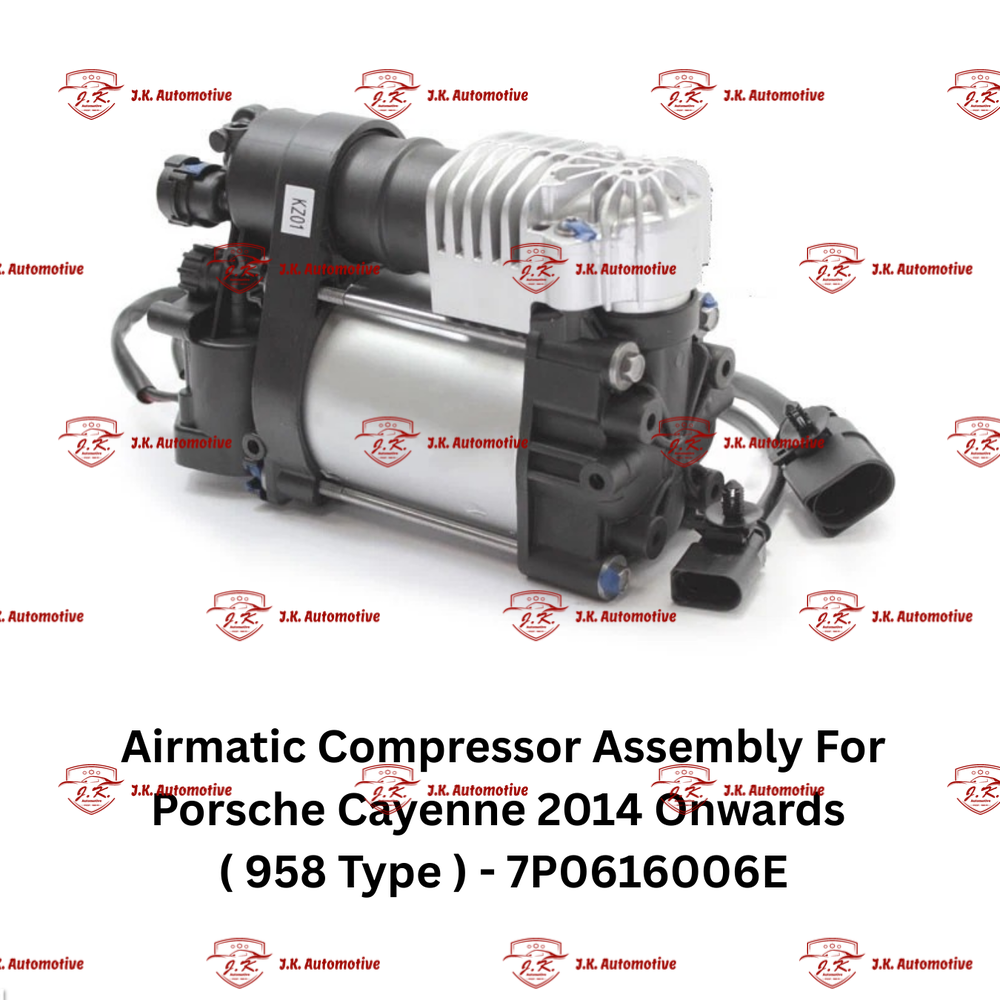
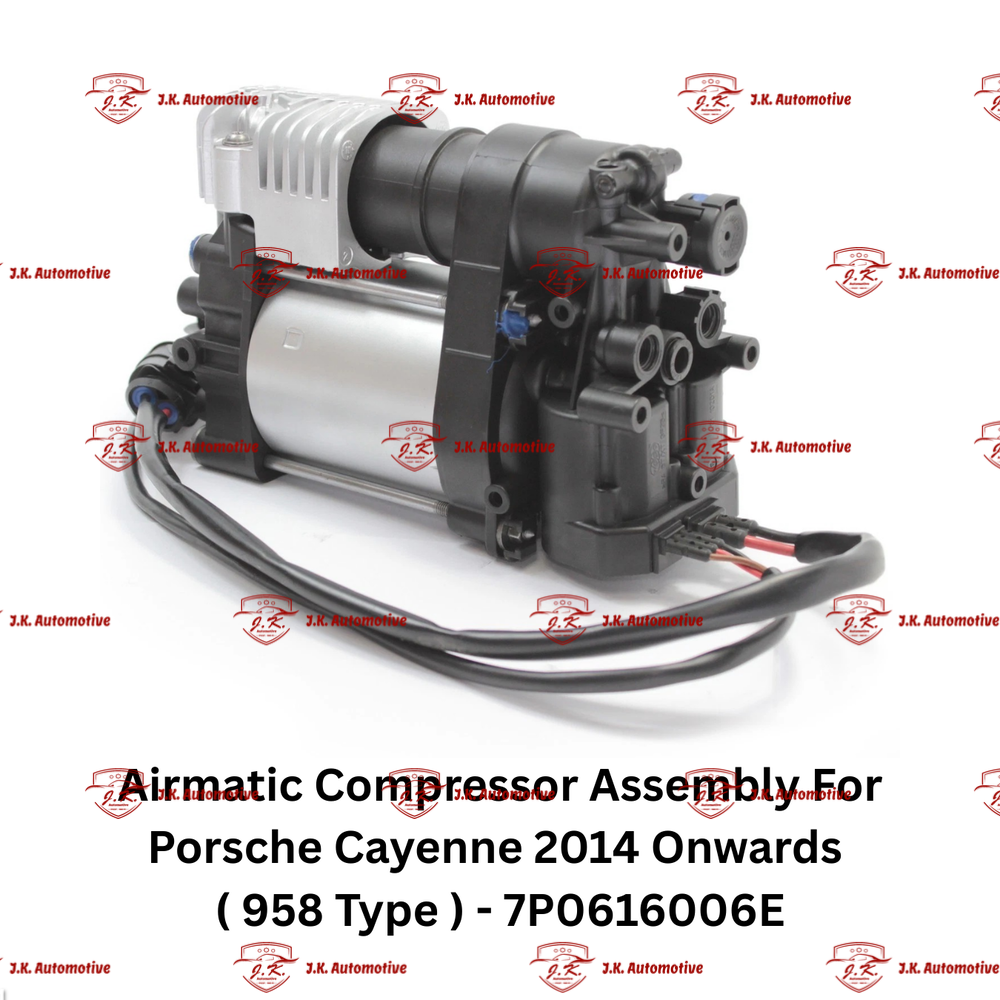
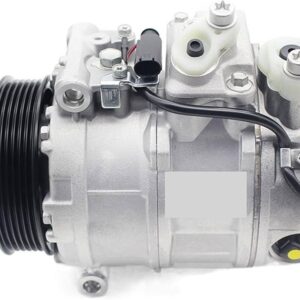
Airmatic Compressor Assembly / Air Compressor Pump 7P0616006E is intended for the stated Porsche Cayenne 958 Type air suspension application with the supplied year range 2010–2017, while the supplied product information also states 2014 onwards, and its primary role is to generate the compressed-air supply required by the vehicle's applicable air suspension system so suspension height adjustments and pneumatic suspension operation can take place correctly. The compressor is a pressure-generation component and works as part of a larger pneumatic system rather than operating independently. During air suspension operation, compressed air generated by the pump is supplied through the applicable pneumatic circuit, where other components control how pressure is distributed and retained within the suspension system. Depending on the vehicle's operating requirements, the compressor may run when additional system pressure is required after suspension-height changes or when the system needs to restore operating pressure. The compressor should not normally be considered responsible for retaining pressure at every suspension corner because pressure retention also depends on air suspension units, pneumatic lines, connections, seals and the applicable valve block. If another component develops an air leak, the compressor can be required to operate more frequently or for longer periods because it repeatedly attempts to restore pressure that is being lost elsewhere. For this reason, frequent compressor operation should not automatically be diagnosed as compressor failure without first checking the complete air suspension system. Possible compressor-related symptoms can include slow suspension-height adjustment, failure to achieve the expected ride height, intermittent operation, extended running, unusual compressor noise or suspension-related warning indications where applicable. The supplied reference 7P0616006E should remain unchanged in the primary product information and should be compared with the existing compressor before replacement. Useful online searches may include 7P0616006E Porsche Cayenne, Porsche Cayenne 958 air compressor and Porsche 958 Airmatic compressor. The electrical connector, pneumatic connections, mounting arrangement and overall compressor construction should also be compared with the existing unit. The supplied Porsche Cayenne 958 Type, 2014 onwards wording, 2010–2017 year range and reference 7P0616006E should remain unchanged throughout product identification.
How can I confirm 7P0616006E Air Suspension Compressor compatibility with my Porsche Cayenne 958?
Compatibility of Air Suspension Compressor 7P0616006E with the stated Porsche Cayenne 958 Type should be confirmed using the exact supplied reference, vehicle model and type, existing compressor identification, physical construction, electrical connector, pneumatic connections, mounting arrangement and VIN information where necessary rather than relying only on the Porsche Cayenne model name, appearance of the compressor or production year. The supplied product information identifies Porsche Cayenne 958 Type, states 2014 onwards and separately provides the year range 2010–2017, so these supplied details should remain unchanged rather than being replaced with assumptions about worldwide model-year applications. Begin by checking reference 7P0616006E against the identification information available from the existing compressor and appropriate vehicle-specific parts information. The replacement and existing units should then be compared physically before installation. Check the overall compressor housing and construction, electrical connector type and position, pneumatic connection arrangement, mounting points and applicable brackets. Connections should correspond naturally with the existing system and should not require forced installation, modified connectors, improvised pneumatic fittings or altered brackets. Vehicle air suspension systems can differ by specification, market and production configuration, so VIN-based verification is appropriate whenever compatibility cannot be established confidently from the existing component and reference. The surrounding air suspension system should also be inspected because compressor replacement will not repair an air leak located elsewhere in the pneumatic circuit. Air suspension units should be checked for pressure loss where appropriate, while pneumatic lines and connections should be inspected for leakage or damage. The valve block should also be considered during diagnosis because it participates in controlling air distribution within the suspension system. Electrical supply, wiring, connectors, fuse and relay arrangements should be inspected according to the vehicle's applicable system when compressor operation is intermittent or absent. If the compressor has been operating excessively, identify whether an external pressure leak or another system issue has increased compressor workload. Reference 7P0616006E should remain the primary compatibility identifier throughout this process. Professional diagnosis before installation helps distinguish an actual compressor problem from an air leak, electrical issue or another pneumatic-system fault.
What are the symptoms of a bad Airmatic Compressor on Porsche Cayenne 958?
Possible symptoms associated with an Airmatic Compressor problem on the stated Porsche Cayenne 958 Type can include slow suspension-height adjustment, failure of the vehicle to achieve the expected suspension height, intermittent compressor operation, unusually long compressor running periods, frequent compressor activation, abnormal compressor noise, delayed suspension response or suspension-related warning indications where applicable, although these symptoms should be treated as diagnostic clues rather than automatic confirmation that compressor reference 7P0616006E has failed because several other pneumatic and electrical problems can create similar behaviour. The compressor is responsible for generating compressed air, but the complete air suspension system also relies on pressure retention and controlled air distribution. If an air suspension unit, pneumatic line, connection or another sealing point leaks, the system can lose pressure after the compressor has generated it. This can cause the compressor to operate more frequently as it attempts to restore lost pressure, and prolonged operation caused by an external leak can place additional demand on the compressor. A valve block problem can also affect how pressure is distributed or retained within the applicable pneumatic circuits, making diagnosis of the complete system important before replacing the pump. If the vehicle lowers after standing, observe whether the issue affects one corner, one axle or the overall vehicle because this pattern can help guide further leak diagnosis. If the vehicle fails to raise or raises very slowly, compressor pressure generation should be evaluated together with the pneumatic circuit rather than assuming the pump is the only possible cause. Electrical diagnosis may also be necessary because compressor operation depends on the applicable power supply, wiring, connectors, fuse and relay arrangements. Physical inspection should include the compressor housing, mounting arrangement, electrical connector and pneumatic connections. Pneumatic lines should be inspected for visible damage, incorrect routing or leakage at connections. Air suspension units should be assessed for pressure loss where appropriate. The valve block and related pneumatic connections should also be considered during diagnosis. Reference 7P0616006E should be verified against the existing unit before replacement. A complete diagnostic process helps determine whether the actual problem is pressure generation, pressure retention, air distribution, an electrical fault or a combination of these conditions.
Why might the Porsche Cayenne 958 Airmatic Compressor run frequently or for a long time?
A Porsche Cayenne 958 Airmatic Compressor may run frequently or for an unusually long period when the air suspension system repeatedly requires additional compressed air, and while deterioration of the compressor itself can contribute to slow pressure generation, frequent operation can also be caused by pressure loss elsewhere in the pneumatic system, which is why compressor reference 7P0616006E should not automatically be replaced solely because the pump appears to operate often. The compressor's role is to generate compressed air when the suspension system requires additional pressure. Once appropriate system pressure and suspension conditions are achieved, excessive continuous pressure generation should not normally be necessary. If an air suspension unit loses pressure, a pneumatic line leaks, a connection does not seal correctly or another part of the pneumatic circuit allows pressure to escape, the system may repeatedly request compressor operation to restore the lost air. A valve block concern can also influence pressure distribution or retention and should therefore be included in diagnosis. The pattern of vehicle lowering can provide useful diagnostic information. If one suspension corner lowers significantly after the vehicle has been parked, localised pressure loss may need to be investigated. If an axle or the overall vehicle changes height, a broader pneumatic-system inspection may be required. Compressor condition should still be evaluated because prolonged operation can contribute to wear and reduced pressure-generation performance over time. Unusual compressor noise, noticeably slow vehicle raising or failure to achieve the expected suspension height can justify further testing of compressor output. Electrical supply should also be checked because inadequate voltage, connector problems, wiring concerns, fuse issues or relay problems can affect compressor operation. Pneumatic lines and connections should be inspected for damage, leakage and correct routing. Air suspension units should be assessed for pressure retention, while the valve block should be checked as part of the complete system where appropriate. The compressor mounting arrangement should also be inspected because loose or damaged mounting can contribute to abnormal noise. Reference 7P0616006E should be confirmed against the existing component before ordering. Correct diagnosis helps avoid replacing a compressor when the primary cause is actually an external air leak or another system fault.
Can an air leak damage or overload the Porsche Cayenne 958 Air Suspension Compressor?
An air leak within the Porsche Cayenne 958 air suspension system can increase the operating demand placed on the compressor because pressure that should remain within the pneumatic system can escape, requiring the pump to generate additional compressed air more frequently in an attempt to restore suspension pressure and ride height, and prolonged operation under these conditions can contribute to increased compressor workload, which is why the complete pneumatic system should be inspected whenever compressor reference 7P0616006E appears to be operating excessively. Air suspension depends not only on generating compressed air but also on retaining and distributing that pressure correctly. The compressor supplies pressure, while air suspension units, pneumatic lines, connectors, seals and the applicable valve block all contribute to the overall system. If an air suspension unit develops pressure loss, the vehicle may lower at the affected corner after standing. If a pneumatic line or fitting leaks, pressure can be lost while the vehicle is operating or parked. A valve block concern can potentially affect pressure distribution or retention within the system and should therefore be included in diagnosis where appropriate. When pressure is repeatedly lost, the compressor can be requested to run more often than expected. Frequent or extended operation should therefore trigger an inspection for external leaks rather than immediately leading to compressor replacement. The vehicle's standing height can be observed after parking to identify whether one corner, one axle or multiple suspension positions change height over time. Pneumatic connections should be inspected carefully, while lines should be checked for damage, incorrect routing or signs of contact with surrounding components. Air suspension units should be assessed for pressure retention using appropriate diagnostic procedures. Compressor pressure generation should also be tested if vehicle raising is slow or incomplete. Electrical supply, wiring, connectors, fuse and relay arrangements should be checked when operation is intermittent. If the compressor is replaced without correcting an existing leak, the replacement unit may continue to experience unnecessary operating demand. Reference 7P0616006E should therefore be verified together with the existing compressor and the complete air suspension system should be diagnosed before installation.
What should be checked before installing 7P0616006E Airmatic Compressor on Porsche Cayenne 958?
How does Airmatic Compressor 7P0616006E work on Porsche Cayenne 958?
Airmatic Compressor 7P0616006E works on the stated Porsche Cayenne 958 Type as the pressure-generation component within the applicable air suspension system, producing compressed air when the system requires additional pneumatic pressure for suspension operation and height adjustment, while working together with pneumatic lines, the applicable valve block, air suspension units and the vehicle's related electrical control components rather than operating as an independent suspension component. When the suspension system requires additional pressure, the compressor operates to generate compressed air and supply it into the pneumatic circuit. That pressure is then managed through the applicable system so air can be directed where required for suspension operation. The compressor's primary responsibility is pressure generation, while pressure distribution and pressure retention depend on other components within the system. Pneumatic lines carry compressed air between system components, while connections must remain properly sealed to prevent pressure loss. The applicable valve block participates in controlling pneumatic distribution within the suspension system, while air suspension units use and retain pressure according to the vehicle's suspension requirements. When the system is operating correctly and pressure is retained effectively, the compressor should not need to continuously compensate for unnecessary air loss. If an air suspension unit, pneumatic line, fitting, seal or another part of the circuit develops leakage, pressure can fall and the compressor may be requested to operate more frequently or for longer periods. Frequent compressor operation therefore does not automatically confirm that the pump itself is defective. If the compressor has reduced pressure-generation capability, the vehicle may take longer to raise or may struggle to reach the expected suspension height. Electrical supply is also essential because the compressor depends on the applicable wiring, connector, fuse and relay arrangements for operation. A poor electrical connection or supply problem can create intermittent or absent compressor operation that may resemble mechanical compressor failure. Diagnosis should therefore distinguish between pressure generation, pressure distribution, pressure retention and electrical operation. Reference 7P0616006E should be compared directly with the existing compressor before replacement. The compressor housing, mounting arrangement, electrical connector and pneumatic connections should also be physically compared. The supplied Porsche Cayenne 958 Type, 2014 onwards wording and 2010–2017 year range should remain unchanged throughout identification. After installation, compressor operation, suspension-height response, pneumatic connections and pressure retention should be checked so an unresolved external leak does not place unnecessary operating demand on the replacement pump.
Why does my Porsche Cayenne 958 lower overnight even if the Airmatic Compressor is working?
A Porsche Cayenne 958 that lowers overnight even though the Airmatic Compressor is capable of operating may have a pressure-retention concern somewhere within the applicable air suspension system because the compressor's primary function is to generate compressed air when additional pressure is required, while keeping the vehicle at its suspension height after the compressor stops depends on the pneumatic system retaining that pressure through the air suspension units, lines, connections, seals and applicable valve-control components. If the vehicle reaches its expected height while running but one corner, one axle or the overall vehicle lowers after standing, the lowering pattern can provide useful information for further diagnosis. A single corner lowering can indicate that the pneumatic circuit associated with that suspension position requires inspection, while an axle or multiple-corner change can justify a broader system assessment. The air suspension unit at the affected position should be checked for pressure loss using appropriate diagnostic procedures. Pneumatic lines should be inspected for damage, abrasion, incorrect routing, loose connections or leakage. Connection points should be checked carefully because a small pressure leak can become noticeable after the vehicle remains parked for several hours. The applicable valve block should also be considered because it participates in controlling air distribution within the pneumatic system. Compressor reference 7P0616006E should not automatically be considered faulty merely because the vehicle lowers while parked, particularly if the compressor can generate pressure and raise the vehicle when requested. However, an unresolved leak can indirectly affect compressor life because the pump may be required to restore lost pressure repeatedly after the vehicle is started or during operation. If the compressor runs for extended periods every time the vehicle needs to recover its height, the complete system should be checked before replacing the pump. Electrical diagnosis may also be required if compressor operation itself is intermittent. Wiring, connector condition, power supply, fuse and relay arrangements should be assessed according to the applicable vehicle system. Standing-height observations can be recorded before and after the vehicle remains parked to help identify which suspension position changes. Professional leak testing can then be used to isolate the source of pressure loss. If replacement of 7P0616006E is being considered, the existing compressor's pressure-generation performance should be evaluated separately from the system's ability to retain pressure. Correcting the underlying leak is important so a replacement compressor is not required to compensate repeatedly for the same unresolved pressure loss.
Can a weak 7P0616006E Air Suspension Compressor make Porsche Cayenne 958 raise slowly?
A weak or deteriorated 7P0616006E Air Suspension Compressor can potentially contribute to slow suspension-height adjustment on the stated Porsche Cayenne 958 Type if the compressor is no longer generating compressed air at the required performance level, but slow vehicle raising should not automatically be diagnosed as compressor failure because pneumatic leakage, restricted or damaged air lines, valve-control concerns, electrical supply problems and other air suspension faults can create similar symptoms. The compressor's role is to generate the compressed air required by the applicable suspension system, so reduced pressure-generation capability can increase the time needed for the vehicle to achieve the requested suspension height. A driver may notice that the vehicle takes longer than expected to raise, struggles to reach the intended height or operates the compressor for an unusually extended period. However, a compressor can also run for a long time when it is producing pressure correctly but the system is losing that pressure elsewhere. Air suspension units should therefore be checked for leakage where appropriate, particularly if one corner or axle also lowers after the vehicle has been parked. Pneumatic lines should be inspected for leakage, damage, incorrect routing or compromised connections. The applicable valve block should be included in diagnosis because air distribution through the system can influence suspension-height response. Electrical supply should also be checked because compressor performance depends on receiving the appropriate power through the applicable wiring, connector, fuse and relay arrangements. Poor electrical connections or supply problems can potentially produce intermittent or reduced compressor operation. The existing pump should be inspected for unusual noise, physical damage and mounting condition. Pressure-generation performance should be assessed using appropriate diagnostic procedures rather than relying only on operating sound. Standing vehicle height should be observed before, during and after compressor operation to determine whether the system is generating pressure but failing to retain it. If the vehicle raises normally but later lowers, pressure retention may deserve greater attention than pressure generation. If it fails to raise effectively despite a sealed pneumatic system and appropriate electrical supply, compressor condition becomes a more relevant diagnostic consideration. Reference 7P0616006E should be verified against the existing component before ordering or installation. The replacement compressor's electrical connector, pneumatic connections, mounting arrangement and overall construction should correspond with the existing unit. Correct diagnosis helps avoid unnecessary compressor replacement and protects a new pump from excessive operation caused by an unresolved leak.
What should be checked after installing 7P0616006E Airmatic Compressor on Porsche Cayenne 958?
After installing Airmatic Compressor 7P0616006E on the stated Porsche Cayenne 958 Type, the compressor mounting arrangement, electrical connector, pneumatic connections, air lines, suspension-height response, pressure generation and pressure retention should be checked carefully so the replacement unit is correctly installed and an unresolved pneumatic or electrical fault does not continue to affect air suspension operation. Begin by confirming that reference 7P0616006E corresponds with the component that has been installed and that the compressor is positioned correctly within the existing mounting arrangement. Applicable brackets and mounting points should be checked for correct seating and secure attachment because loose mounting can contribute to vibration or unusual operating noise. The electrical connector should be fully seated and inspected for damaged terminals, incorrect routing or unnecessary strain. Wiring should be checked according to the applicable vehicle system, particularly if the previous compressor had intermittent operating symptoms. Pneumatic connections should be secured correctly and inspected carefully for leakage after installation. Air lines should be checked for damage, kinks, abrasion, incorrect routing or compromised fittings because pressure loss at a line or connection can cause unnecessary compressor operation. The applicable air suspension units should also be considered during leak testing, particularly if the vehicle previously lowered after standing. The valve block and related pneumatic connections should be included in diagnosis where appropriate because replacing the compressor does not correct an existing air-distribution or pressure-retention problem elsewhere in the system. After installation, compressor operation should be observed during a suspension-height request to confirm that the pump activates and the vehicle responds appropriately. The time required for suspension-height adjustment should be considered together with system condition rather than judged solely by compressor sound. After the requested height is reached, the system should be checked for pressure retention so the compressor is not required to repeatedly restore pressure that is escaping elsewhere. Vehicle standing height can be observed after an appropriate period to identify unexpected lowering. Unusual compressor noise, extended running or repeated activation should prompt further investigation rather than being accepted automatically as normal operation. Applicable electrical supply, fuse and relay arrangements should also be checked if compressor operation remains inconsistent. The supplied Porsche Cayenne 958 Type, 2014 onwards wording, 2010–2017 year range and reference 7P0616006E should remain unchanged in the product data. A final functional inspection should confirm correct mounting, secure pneumatic and electrical connections, suitable height response and absence of obvious system leakage.
How do I know if the Airmatic Compressor is bad on my Porsche Cayenne 958?


Reviews
There are no reviews yet.